Original Sin
"Desire is a trap you’ll happily walk into."
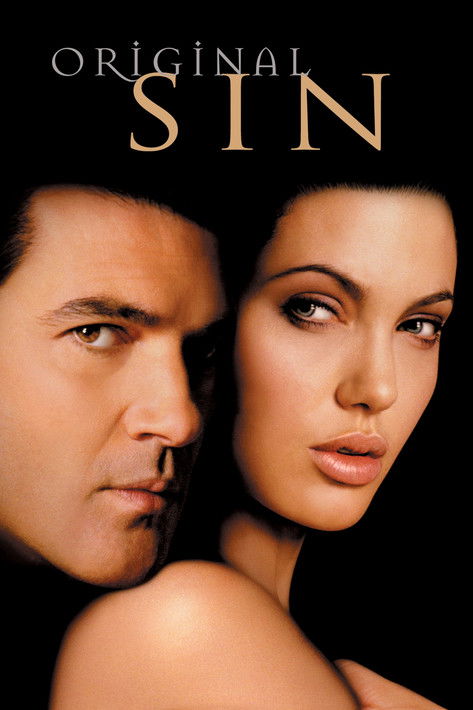
I distinctly remember the marketing blitz for Original Sin back in 2001. It was everywhere—plastered on the sides of buses and filling late-night commercial slots with the kind of heavy-breathing intensity that promised something dangerously illicit. This was the peak of the Angelina Jolie phenomenon. She had just won an Oscar for Girl, Interrupted and was currently redefining the female action hero in Lara Croft: Tomb Raider. Putting her in a period-piece erotic thriller alongside Antonio Banderas felt like a studio executive's fever dream of "guaranteed box office."

The reality, of course, was a bit more complicated. I recently revisited this on a scratched DVD I picked up for fifty cents at a garage sale, and as I watched it while eating a bowl of lukewarm cereal, I realized it’s a fascinating relic of a transitional moment in Hollywood. It’s the kind of high-gloss, star-driven melodrama that the industry simply stopped making once the MCU and the franchise-industrial complex took over.
A Gilded Cage of Tropical Noir
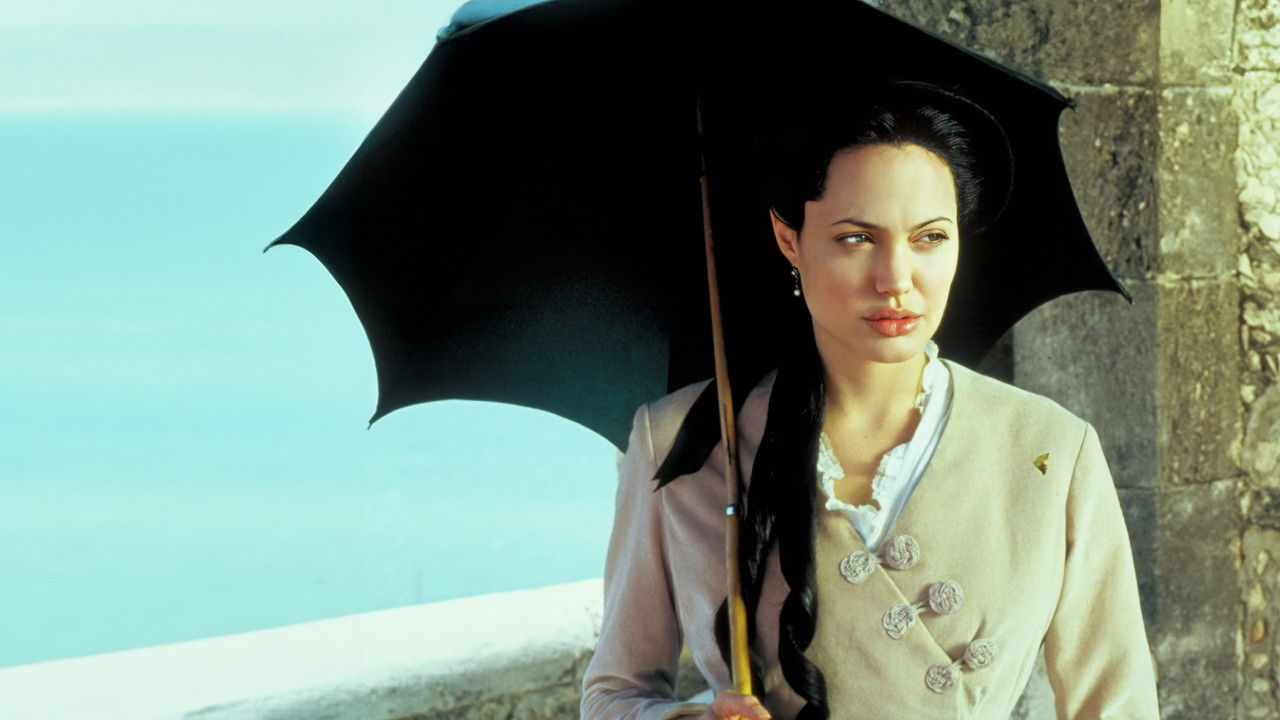
Set in late 19th-century Cuba, the story follows Luis Vargas (Antonio Banderas), a wealthy coffee merchant who decides to order a mail-order bride from America. He’s looking for something simple and plain, but when Julia Russell (Angelina Jolie) steps off the boat, she is anything but. She’s stunning, mysterious, and—as it turns out—not at all who she claims to be. From there, the film descends into a spiral of bank fraud, poisoned coffee, and obsessive pursuit.
What’s truly wild looking back is that this is actually a remake (of sorts) of François Truffaut’s 1969 film Mississippi Mermaid. But where Truffaut went for a cool, detached New Wave vibe, director Michael Cristofer leans into the humidity. This movie is wet. Everyone is sweating, it’s always raining, and the cinematography by Rodrigo Prieto—who would later go on to shoot The Wolf of Wall Street and Killers of the Flower Moon—is lush to the point of being overripe. He captures the 19th-century interiors with a golden, flickering candlelight glow that almost makes you overlook the fact that the plot has more holes than a block of Swiss cheese.
Star Power vs. Script Logic
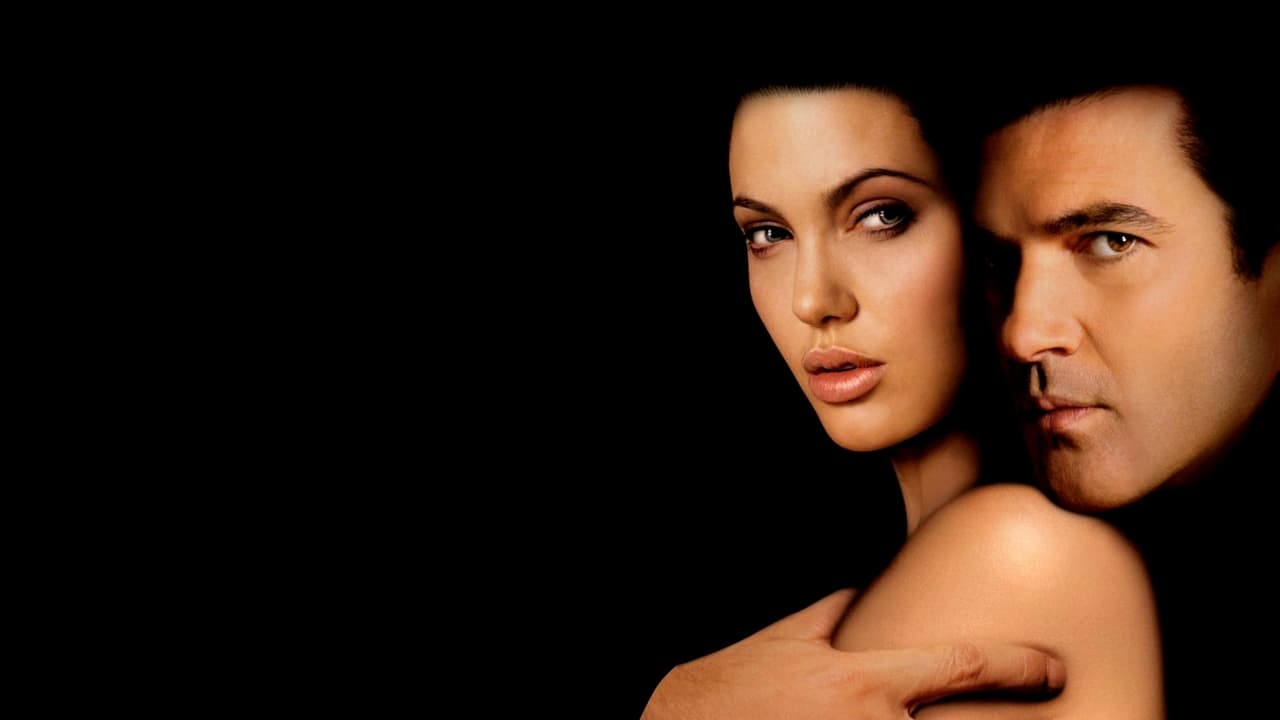
The film lives and dies on its leads. In 2001, Angelina Jolie was less an actress and more a force of nature. Here, she plays the femme fatale with a capital F. There’s a specific scene where she’s sitting in a bathtub, manipulating Banderas with a mix of vulnerability and calculated cruelty, and you realize that she is essentially playing a cartoon character drawn by someone who’s never met a real woman. It’s not "realistic" acting, but it is incredibly magnetic.
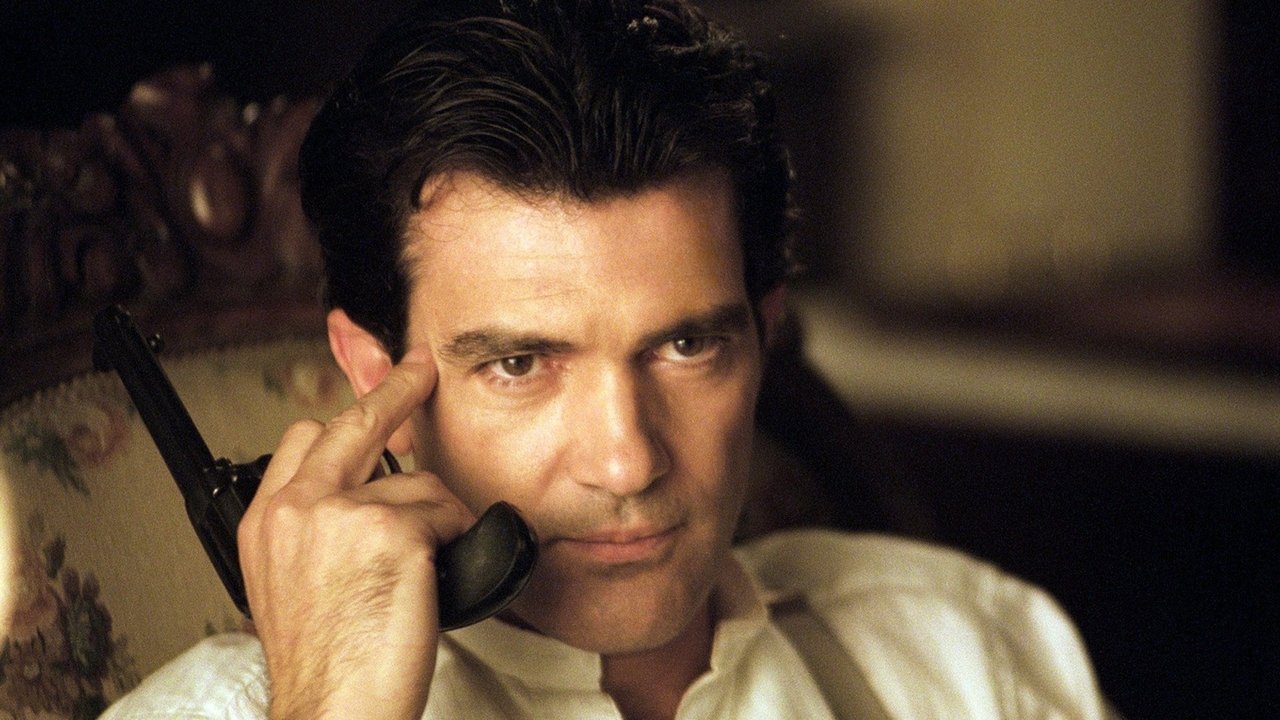
Antonio Banderas, meanwhile, does the "hopelessly smitten fool" better than anyone. He spends the movie looking increasingly disheveled as his life falls apart, yet he maintains this puppy-dog earnestness that keeps you from totally rolling your eyes at his character’s terrible decisions. When Thomas Jane shows up as a gritty private investigator (who is also, surprise, not who he seems), the movie shifts gears into a weird sort of proto-Western. Jane is playing the role with such grim intensity that he feels like he’s in a completely different, much darker movie.
The Mystery of the Missing Audience
Why did Original Sin vanish from the cultural conversation? For one, it’s a movie caught between eras. It was released just weeks before 9/11, a moment that fundamentally shifted American tastes toward either gritty realism or pure superhero escapism. A sweaty, $42-million erotic melodrama about a coffee merchant who likes being lied to didn't exactly fit the new mood.

It also suffered from the "NC-17" stigma. The production was plagued by rumors about the explicitness of the sex scenes, and when it was eventually trimmed to an R-rating for theaters, it felt like it had been declawed. The DVD release later restored some of that footage, but by then, the buzz had curdled. Interestingly, the film was produced by Michelle Pfeiffer's production company; she was originally intended to star in the film in the mid-90s. Imagining a 1995 version of this movie with Pfeiffer and perhaps a younger Banderas is a fun "what-if" for any cinema nerd. It likely would have been a massive hit in the era of Basic Instinct.
The movie is undoubtedly a mess. It’s overlong, the ending is absurdly sentimental, and it frequently mistakes "heavy breathing" for "thematic depth." But I’d take this kind of ambitious, gorgeous, star-powered failure over a sterile, green-screened corporate product any day. It represents a time when studios would still bet forty million dollars on the idea that people just wanted to watch two of the world's most beautiful people lie to each other in the Caribbean.
There’s a certain kitschy joy in watching a film that tries this hard to be "important" while being fundamentally silly. If you’re in the mood for something that looks like a million bucks but has the soul of a grocery-store romance novel, Original Sin is a fascinating time capsule. It’s not quite a classic, and it’s not quite a disaster; it’s just a beautifully lit, very sweaty reminder of what Hollywood used to think constituted a "grown-up" thriller.
Give it a look if only to see Angelina Jolie at the height of her powers, convincing us all that a cup of poisoned coffee is a romantic gesture. Just don’t expect the plot to make as much sense as the cinematography. Some sins, it seems, are easier to forgive than a weak third act.
Keep Exploring...
-
Passengers
2008
-
Kiss the Girls
1997
-
Wild Things
1998
-

The Gift
2000
-
Joy Ride
2001
-
The Forgotten
2004
-
The Jacket
2005
-
Conspiracy Theory
1997
-
Double Jeopardy
1999
-
What Lies Beneath
2000
-
Basic
2003
-

Revolver
2005
-
Stay
2005
-

Red Riding Hood
2011
-
The Client
1994
-
The Quick and the Dead
1995
-
Premonition
2007
-
Untraceable
2008
-
Chloe
2010
-
Kill Your Darlings
2013