Pearl Harbor
"The loudest history lesson money could buy."
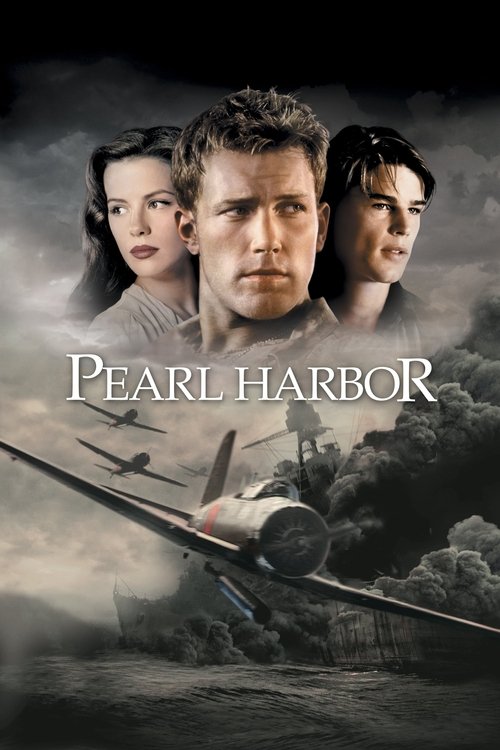
There is a specific kind of arrogance required to try and out-Titanic James Cameron, but in the spring of 2001, Michael Bay was the only man with a loud enough megaphone to try it. Pearl Harbor arrived with the sort of hype usually reserved for moon landings, promising a three-hour epic that would blend the "Greatest Generation" reverence of Saving Private Ryan with the "star-crossed lovers" box-office magic of Titanic. I watched this recently on a DVD that I had to clean with a soft cloth and a worrying amount of Windex because the previous owner had seemingly used the case as a coaster for coffee, and honestly, the caffeine-stained grit of the experience felt strangely appropriate for a movie this over-stimulated.
The Love Triangle in a Tupperware Container
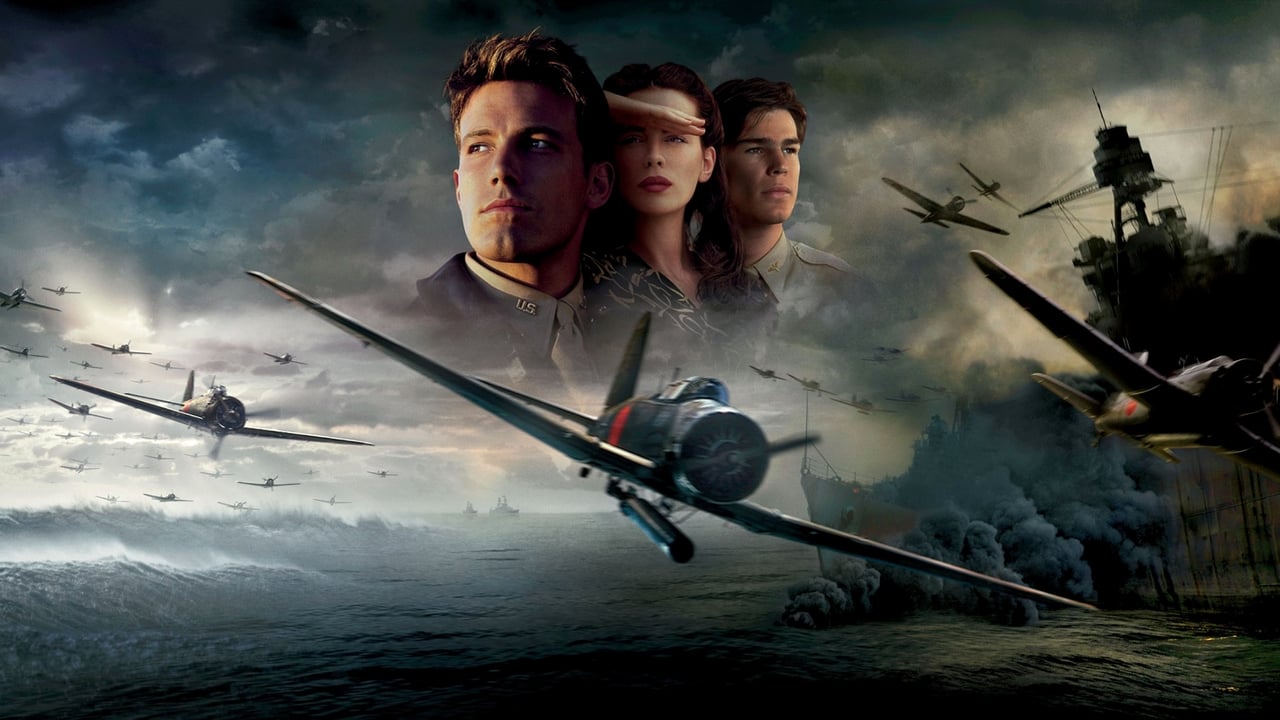
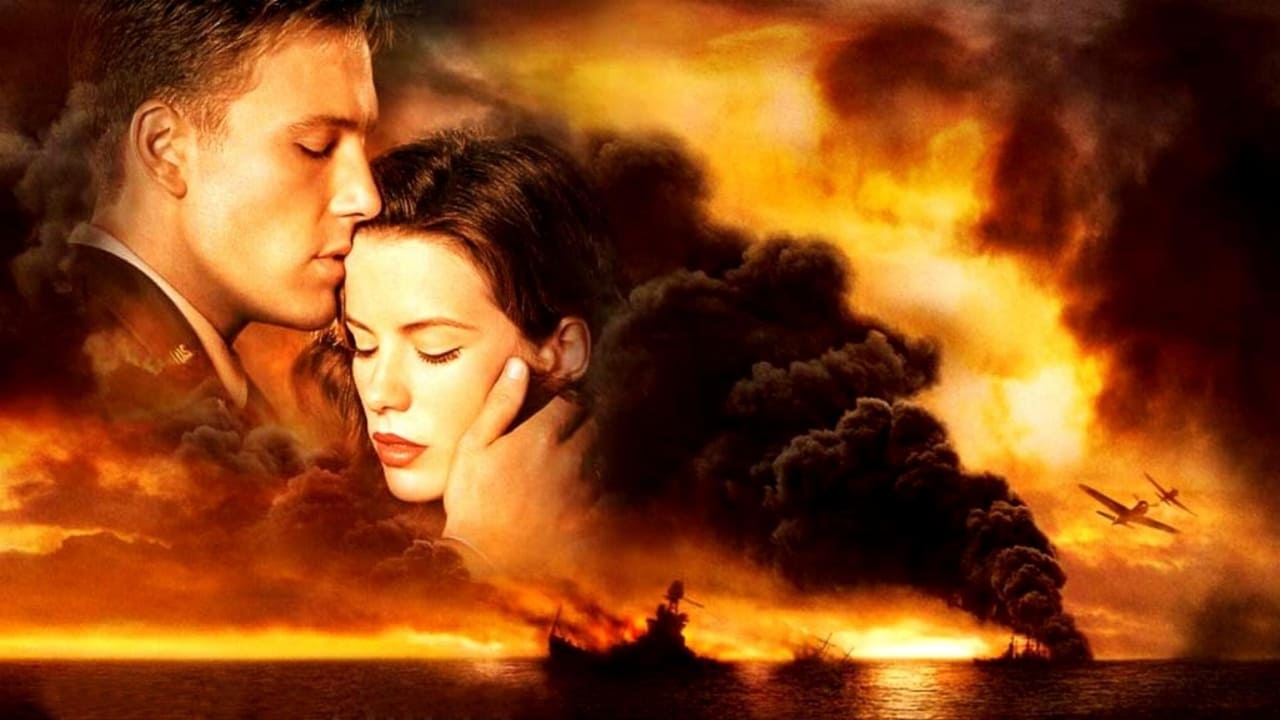
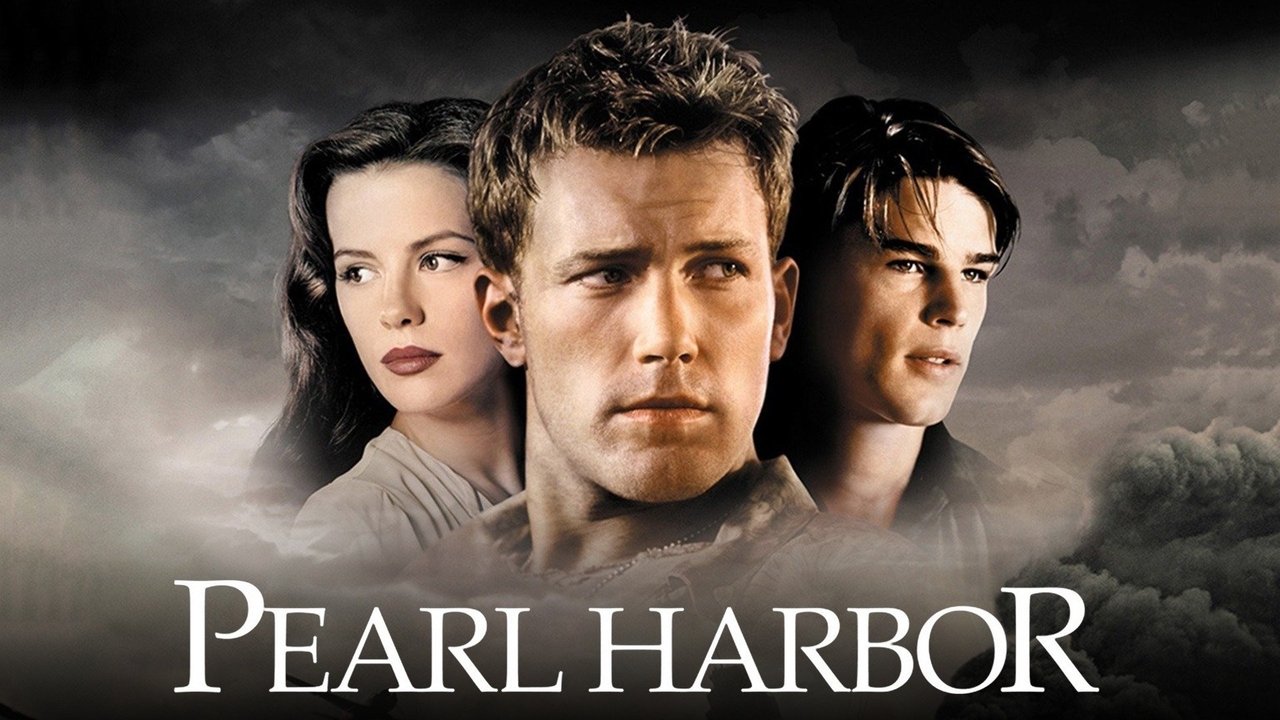
The first hour and a half is, to put it mildly, a lot of sunlight hitting Ben Affleck’s newly capped teeth. Apparently, Michael Bay wasn't satisfied with the actor's natural smile and insisted the studio pay $20,000 for a dental overhaul before filming began. That’s the movie in a nutshell: everything must be shinier, brighter, and more "Hollywood" than reality. We follow Rafe (Ben Affleck) and Danny (Josh Hartnett), childhood best friends who grow up to be ace pilots, and Evelyn (Kate Beckinsale), the nurse they both love.
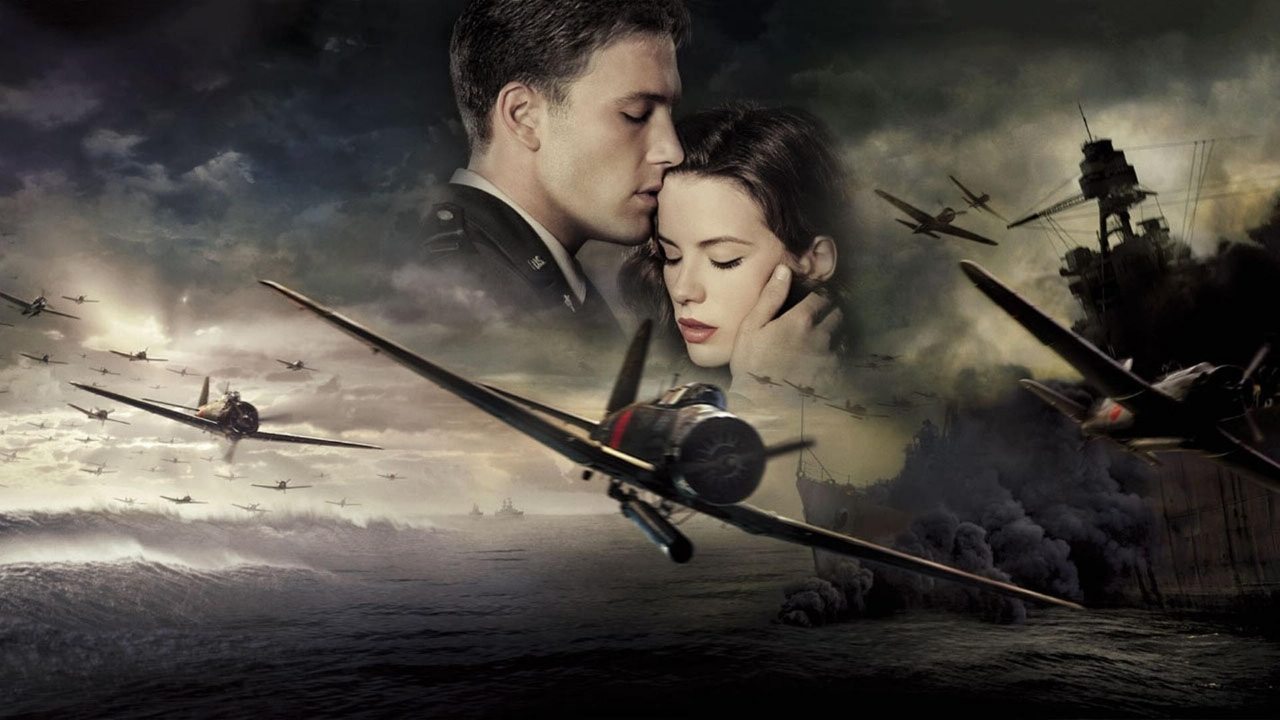
The romance is essentially a Hallmark card written by someone who was being shouted at through a megaphone. It’s earnest to a fault, filled with gauzy sunsets and letters read in voiceover while someone gazes longingly at the ocean. It’s easy to poke fun at the dialogue now—Randall Wallace’s script often feels like it was translated from English to Bravery and then back to English—but looking back, this was the peak of the "Mega-Movie" era. Before the MCU gave us a movie every four months, we had these massive, singular events that tried to be everything to everyone. It’s a romance for the girls, a war movie for the boys, and a history lesson for the grandparents. It succeeds at being a "big" movie, even when the human elements feel like they’re made of cardboard and hairspray.
The Forty-Minute Masterclass
Everything changes when the planes show up. Whatever you think of Michael Bay's storytelling, the actual attack sequence remains one of the most staggering achievements in modern action cinema. This was the era where CGI was beginning to take over, but Bay—to his eternal credit—preferred to blow up real things whenever possible.
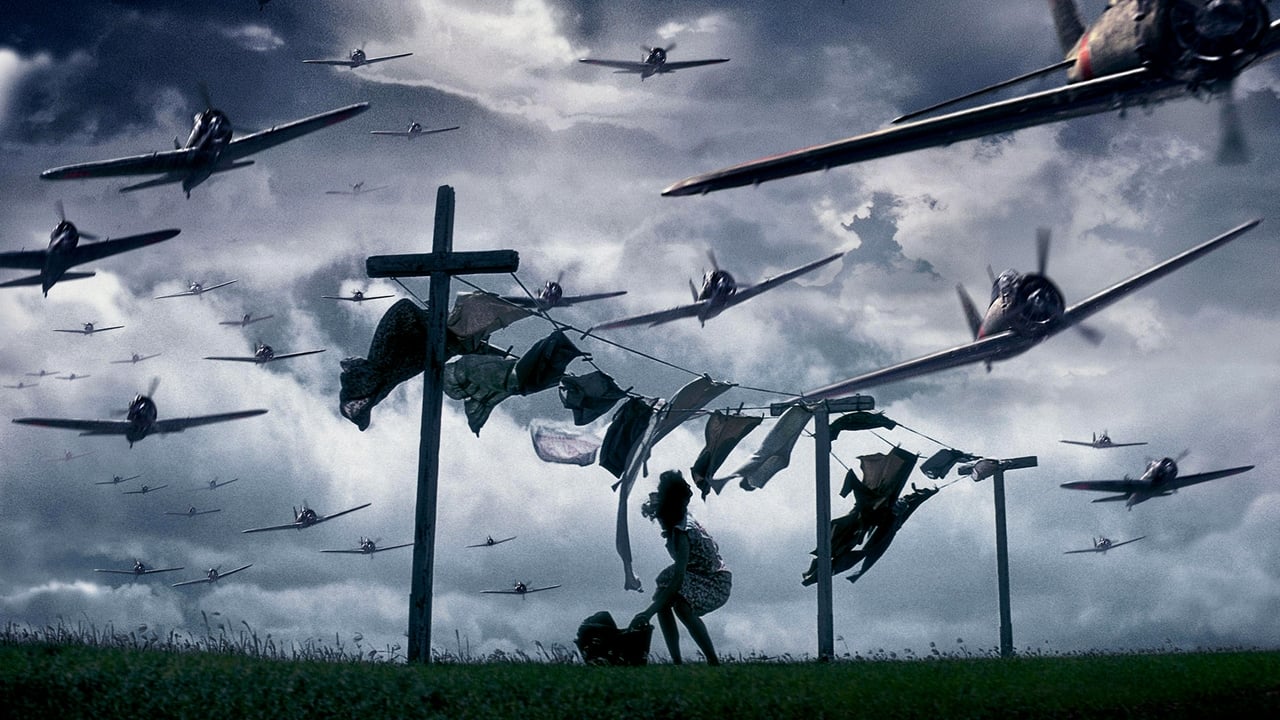
The production used seventeen real vintage aircraft and spent $5.5 million on a single practical stunt: the "Battleship Row" explosion. They coordinated six different explosions across several decommissioned ships, using 700 sticks of dynamite and 2,000 feet of primacord. When you see those ships erupting on screen, you aren't looking at pixels; you're looking at a terrifying amount of real fire.
The sound design during the attack is where the film earns its keep. The whistling of the bombs, the mechanical rattle of the Japanese Zeros, and the heavy thud of anti-aircraft guns create a soundscape that makes your living room feel like it's under siege. It’s chaotic, but unlike the "shaky-cam" trend that would later dominate the 2000s, Bay and cinematographer John Schwartzman keep the scale legible. You feel the weight of the steel and the desperation of the sailors, particularly in the scenes featuring Cuba Gooding Jr. as Doris Miller. In those forty minutes, the film stops being a melodrama and becomes a terrifyingly effective action-horror movie.
A Pre-9/11 Time Capsule
Watching Pearl Harbor now is a surreal experience because of when it was released—May 2001. It was a celebration of American resilience and a "Day of Infamy" that felt safely tucked away in the past. Four months later, the world changed, and the way we viewed disaster movies changed with it. In retrospect, Pearl Harbor feels like the final gasp of 1990s optimism—the belief that any tragedy, no matter how great, could be solved with a stirring Hans Zimmer score and a third-act revenge mission.
The third act, which covers the Doolittle Raid, feels like a separate movie entirely. It’s where Jon Voight gets to chew the scenery as FDR (famously standing up from his wheelchair to prove a point) and where the film tries to pivot from a tragedy to a victory. It makes for an incredibly long sitting—183 minutes is a lot of time to ask of anyone—but it’s a fascinating look at the "Old Hollywood" style of epic filmmaking before the digital revolution fully stripped away the physical textures of the genre.
If you can survive the treacle-thick romance of the first half, the middle hour is some of the most impressive practical action ever captured on film. It’s a movie that’s easy to mock for its sincerity and its "Bay-hem" tendencies, but it’s also a dying breed of cinema where the scale was matched by the physical danger of the stunts. It’s big, loud, and deeply flawed, but on a large screen with the volume turned up, it still manages to land a heavy punch.
Pearl Harbor stands as a monument to a very specific moment in Hollywood history when the budget was infinite and the explosions were real. It might not be a nuanced historical document, but as a piece of pure, unadulterated spectacle, it’s a fascinator. Grab some popcorn, skip the first forty minutes if you must, and just let the roar of the engines take over. It’s the kind of movie they truly don't make anymore—mostly because the insurance companies won't let them.
Keep Exploring...
-

Alexander
2004
-
We Were Soldiers
2002
-
Armageddon
1998
-
The Patriot
2000
-
Black Hawk Down
2001
-
Enemy at the Gates
2001
-
King Arthur
2004
-
Troy
2004
-
13 Hours: The Secret Soldiers of Benghazi
2016
-
Transformers
2007
-
Transformers: Revenge of the Fallen
2009
-

Transformers: Dark of the Moon
2011
-
Transformers: Age of Extinction
2014
-
The Messenger: The Story of Joan of Arc
1999
-
Cold Mountain
2003
-
The Last of the Mohicans
1992
-
Bad Boys
1995
-
The Rock
1996
-
Bad Boys II
2003
-
The Island
2005