Save the Last Dance
"One rhythm, two worlds, and a bucket-hat revolution."
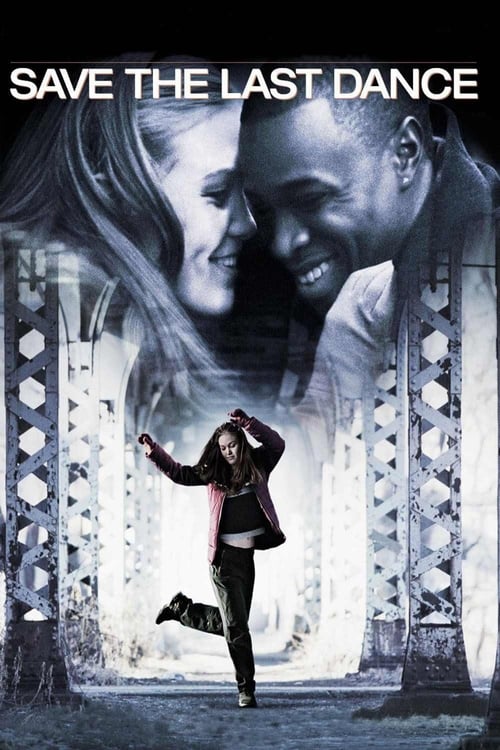
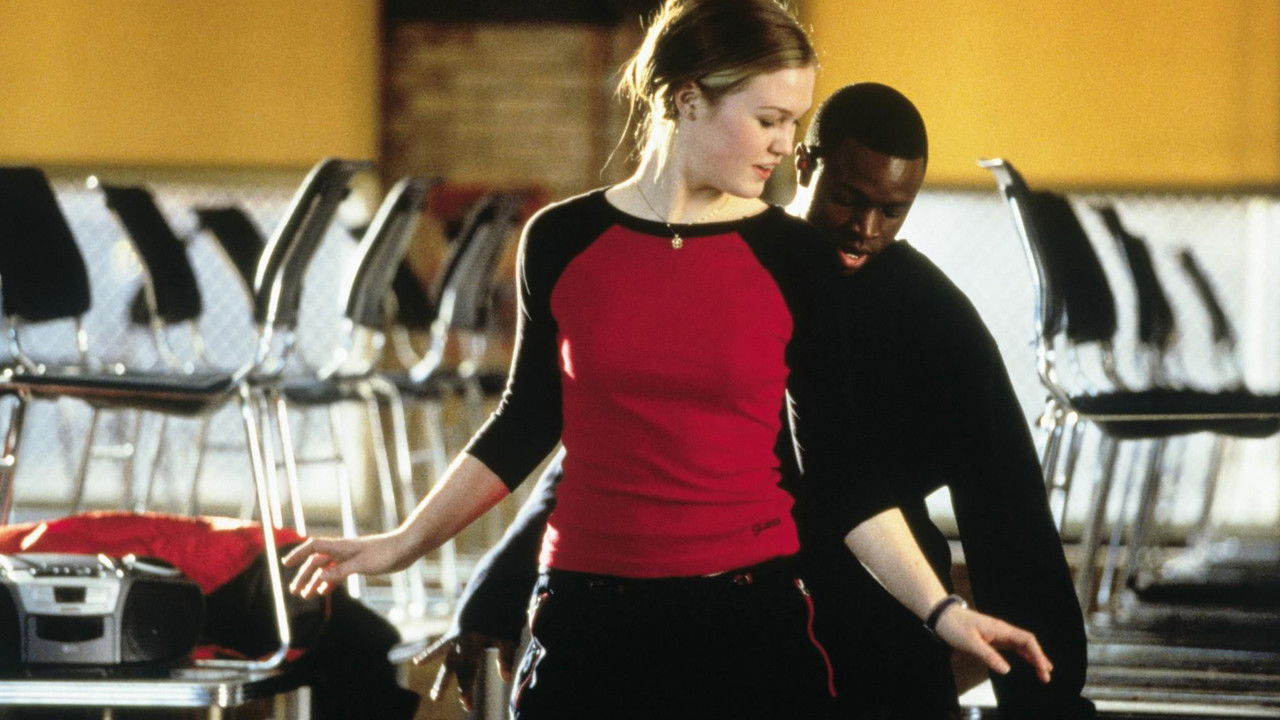
There is a very specific, crystalline memory I have of the year 2001, and it involves sitting on a slightly sticky basement couch, eating a Bagel Bite that was roughly the temperature of lava, and watching Julia Stiles try to find "the one" on the dance floor. If you lived through the turn of the millennium, Save the Last Dance wasn’t just a movie; it was a cultural reset for the teen drama. It arrived at that precise moment when MTV Films was the undisputed king of the mountain, successfully convincing every suburban teenager that they were just one choreographed hip-hop sequence away from solving systemic racial tension and getting into Juilliard.
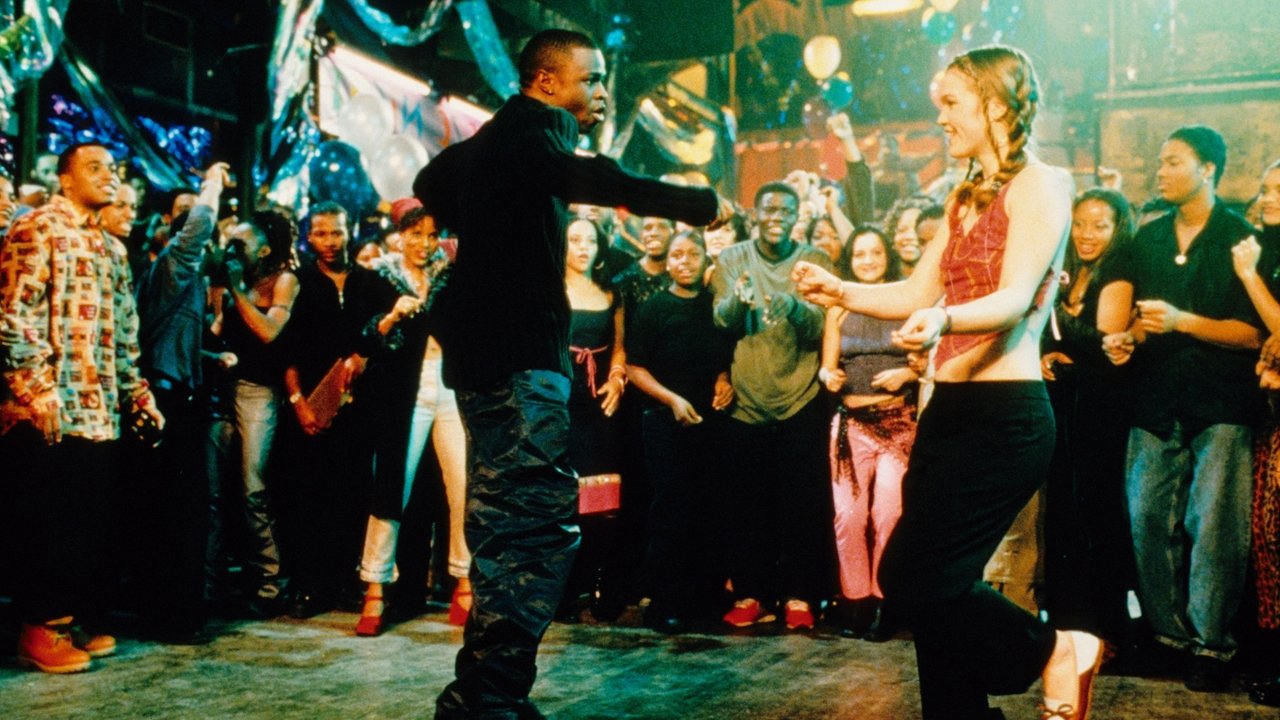
I revisited this one recently on a rainy Tuesday while my cat stared at me with judgmental eyes, and I was struck by how much of a "time capsule" it really is. It’s a film that sits right on the edge of the digital revolution—everyone has a pager or a brick-like cell phone, the fashion is a fever dream of velour and oversized denim, and the soundtrack is a relentless assault of K-Ci & JoJo and Pink. But beneath the 2000s gloss, there’s a surprisingly sturdy heart beating in this story.
The Mid-Tempo Grind of Grief and Growth
The plot is a classic fish-out-of-water setup, but with higher stakes than your average high school rom-com. Julia Stiles plays Sara, a ballet prodigy who gives up her dreams after her mother dies in a car accident while rushing to her audition. Sara moves in with her estranged, jazz-musician father (a very weary-looking Terry Kinney) in a rough Chicago neighborhood and transfers to a school where she is the visible minority.
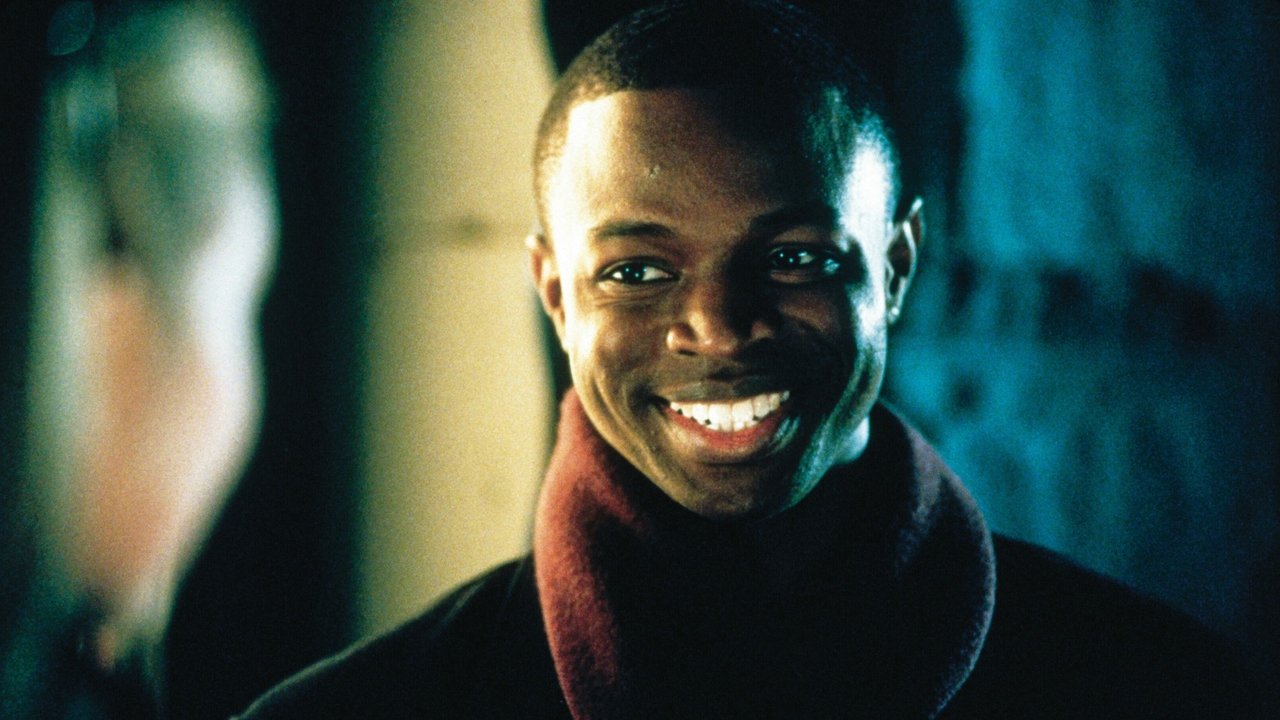
Stiles was the undisputed queen of the "thinking person’s teen movie" back then (shoutout to 10 Things I Hate About You and O), and she brings a wonderful, prickly vulnerability to Sara. She doesn’t play the character as a "damsel"; she plays her as someone who is genuinely grieving and deeply uncomfortable in her own skin. When she meets Derek, played by the incredibly charismatic Sean Patrick Thomas, the movie finds its footing. Thomas, who had previously popped up in Cruel Intentions, has this effortless leading-man energy that makes you wonder why he didn’t become the biggest star on the planet. Their chemistry isn't just romantic; it's collaborative. He’s teaching her hip-hop; she’s teaching him... well, how to let a girl do a pirouette in a club without it looking weird.
The Secret Weapon: Kerry Washington

While the central romance gets the poster space, the real reason this movie holds up is Kerry Washington. Long before she was fixing political crises in Scandal, she was playing Chenille, Derek’s sister and Sara’s guide to the South Side. Washington provides the film’s moral and emotional anchor. There is a scene where she tells Sara, "The world is always going to be open to you... but it’s not always going to be open to us," and it hits like a freight train. Kerry Washington’s performance is the only thing keeping the movie from sliding into a "White Savior" trope, as she constantly reminds both Sara and the audience that Sara’s presence in this world comes with a level of privilege the other characters can’t afford.
The film also takes its "street" subplots surprisingly seriously. The rivalry between Derek and Malakai (Fredro Starr) isn't just for action beats; it represents the very real, limited choices available to young Black men in that environment. Director Thomas Carter, who would later give us Coach Carter, leans into the grit of the Chicago locations, giving the film a sense of place that many of the Step Up clones that followed totally lacked.
A Box Office Juggernaut in a Bucket Hat
It is easy to forget now, but Save the Last Dance was an absolute monster at the box office. Produced for a modest $13 million, it raked in over $131 million globally. That’s the kind of return on investment that makes studio executives weep with joy. It stayed at number one for two weeks straight, proving that the MTV generation was hungry for stories that blended high-stakes drama with high-energy music.
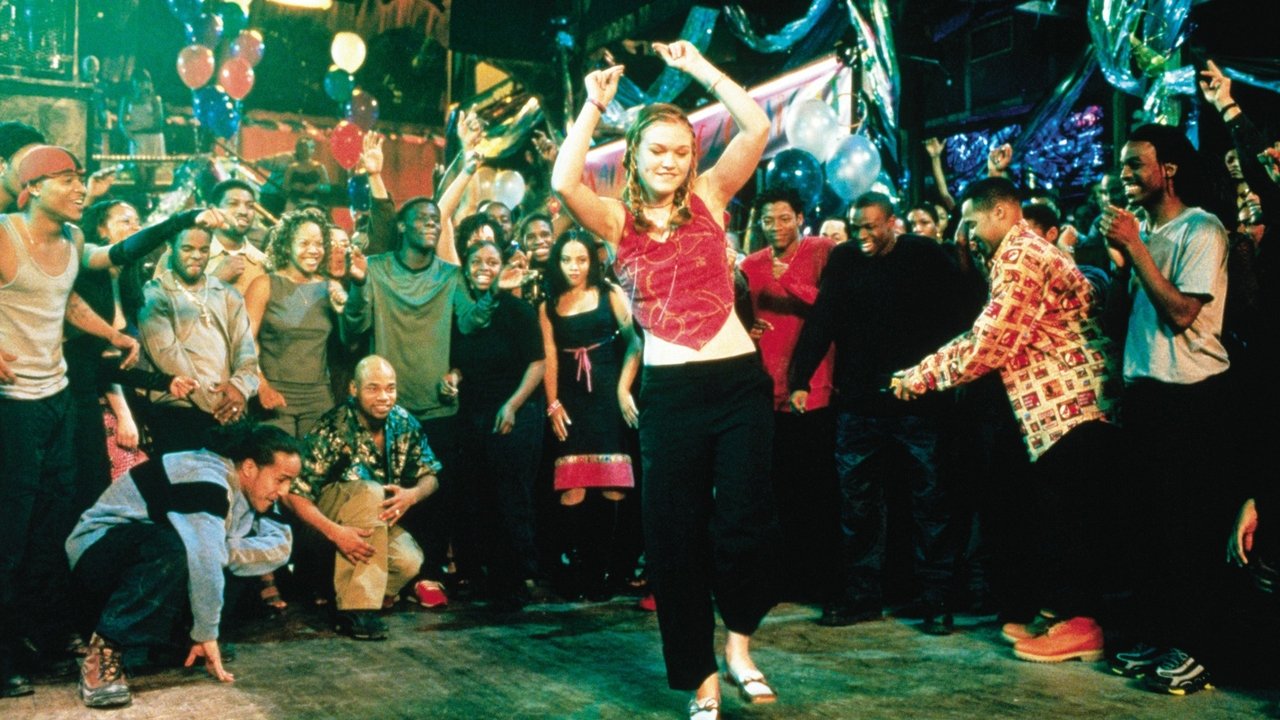
Interestingly, Julia Stiles actually performed most of her own dancing after an intensive three-month "boot camp." While some professional dancers might scoff, my hot take is that Julia Stiles’ hip-hop moves are essentially a very intense aerobic workout that relies heavily on her looking slightly angry at the floor. It works, though, because Sara is supposed to be a stiff ballerina trying to find her groove. The production also took a gamble on the soundtrack, which became a multi-platinum success. It was one of the first films to truly harness the power of "synergy," with the music videos playing on a loop on MTV to drive ticket sales. Turns out, if you put Fredro Starr (of the rap group Onyx) in your movie and on your soundtrack, the kids will show up.
Ultimately, Save the Last Dance is a film that earns its emotional moments through sheer sincerity. Yes, the "final audition" sequence where she mixes ballet with hip-hop is peak 2001 cheesiness—it’s the cinematic equivalent of a butterfly clip—but I’ll be damned if I didn't want to cheer when she nailed that landing. It’s a movie about the messy, uncomfortable, and often rewarding process of stepping out of your own bubble.
Looking back, it’s a fascinating bridge between the gritty urban dramas of the 90s and the slicker, more sanitized franchise-building of the late 2000s. It has enough edge to feel real, but enough heart to keep you smiling through the credits. If you haven’t seen it in twenty years, give it a spin. It’s aged surprisingly well, even if your old bucket hat hasn’t.
Keep Exploring...
-
Step Up
2006
-

High School Musical 3: Senior Year
2008
-
Hannah Montana: The Movie
2009
-
Raise Your Voice
2004
-
Step Up 2: The Streets
2008
-
High School Musical
2006
-
The Princess Diaries 2: Royal Engagement
2004
-
Walk the Line
2005
-
High School Musical 2
2007
-
Moulin Rouge!
2001
-

Step Up Revolution
2012
-
Camp Rock
2008
-
That Thing You Do!
1996
-
Coyote Ugly
2000
-
High Fidelity
2000
-
Honey
2003
-
What a Girl Wants
2003
-
First Daughter
2004
-
Ray
2004
-
Just My Luck
2006