Session 9
"The silence in these halls is screaming."
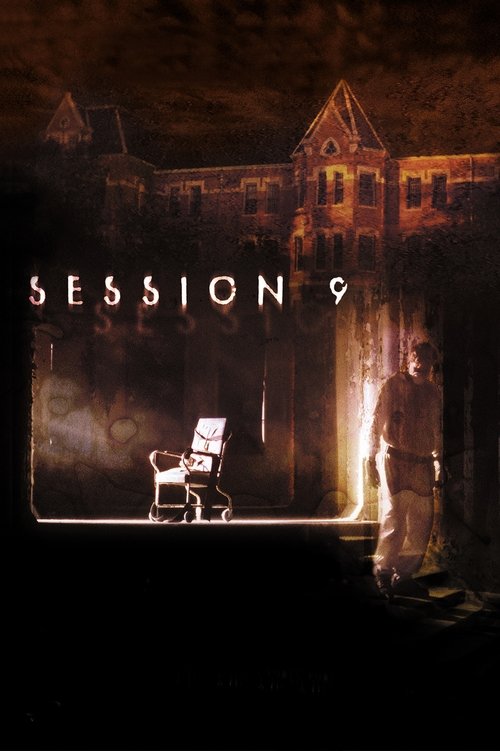
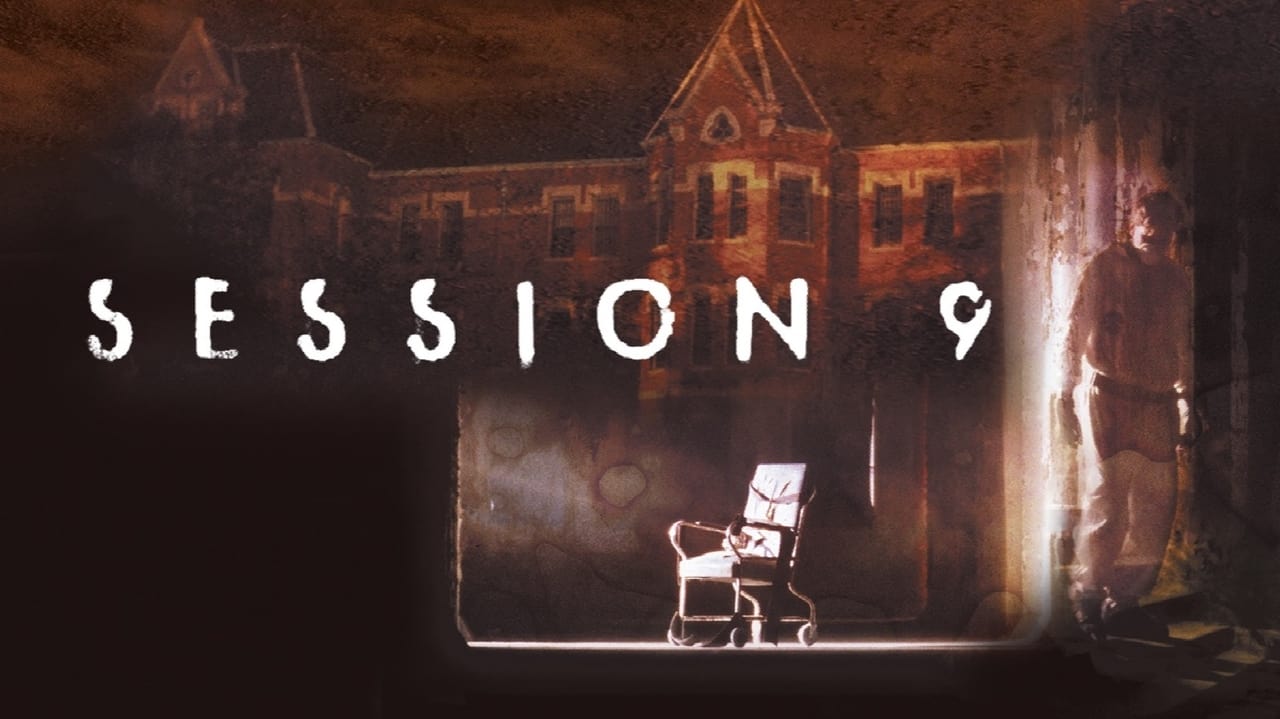
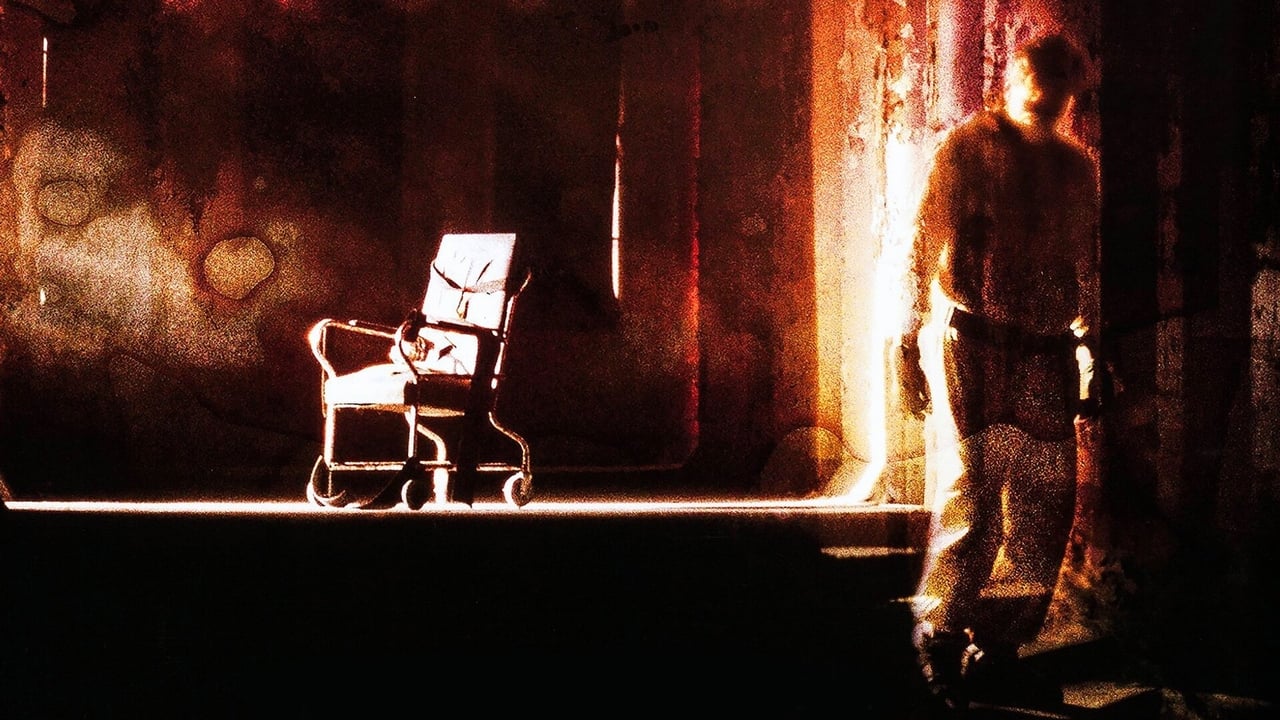
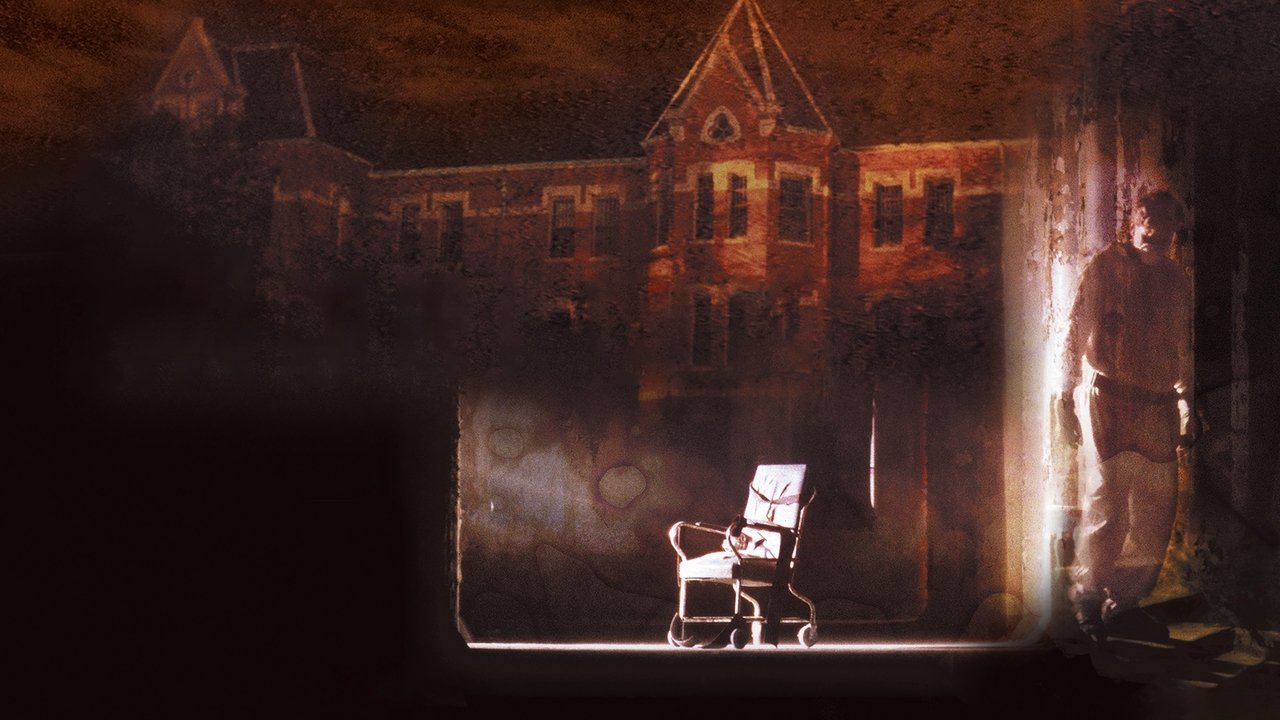
Danvers State Hospital didn't need a production designer to make it look like hell; it already was. When Brad Anderson (who later gave us the skin-and-bones intensity of The Machinist) rolled his cameras into the abandoned Massachusetts asylum, he wasn't just picking a cool backdrop. He was inviting a ghost to co-star. The result is a film that feels less like a scripted movie and more like a police evidence locker video you weren’t supposed to find. I watched this in a basement apartment where the radiator kept clanking in sync with the movie’s score, and I’m not ashamed to admit I slept with the lights on for three days.
The Grime of the Digital Dawn
In 2001, cinema was undergoing a tectonic shift. We were moving away from the warm grain of 35mm film toward the clinical, hyper-real sharpness of digital video. While big-budget directors were using it to create shiny space operas, Anderson used the Sony CineAlta 24P to capture the sickly yellow rot of peeling lead paint. It gives the movie a "You Are There" quality that’s deeply uncomfortable. There’s no cinematic safety net here—no soft lighting to remind you it’s just a play.
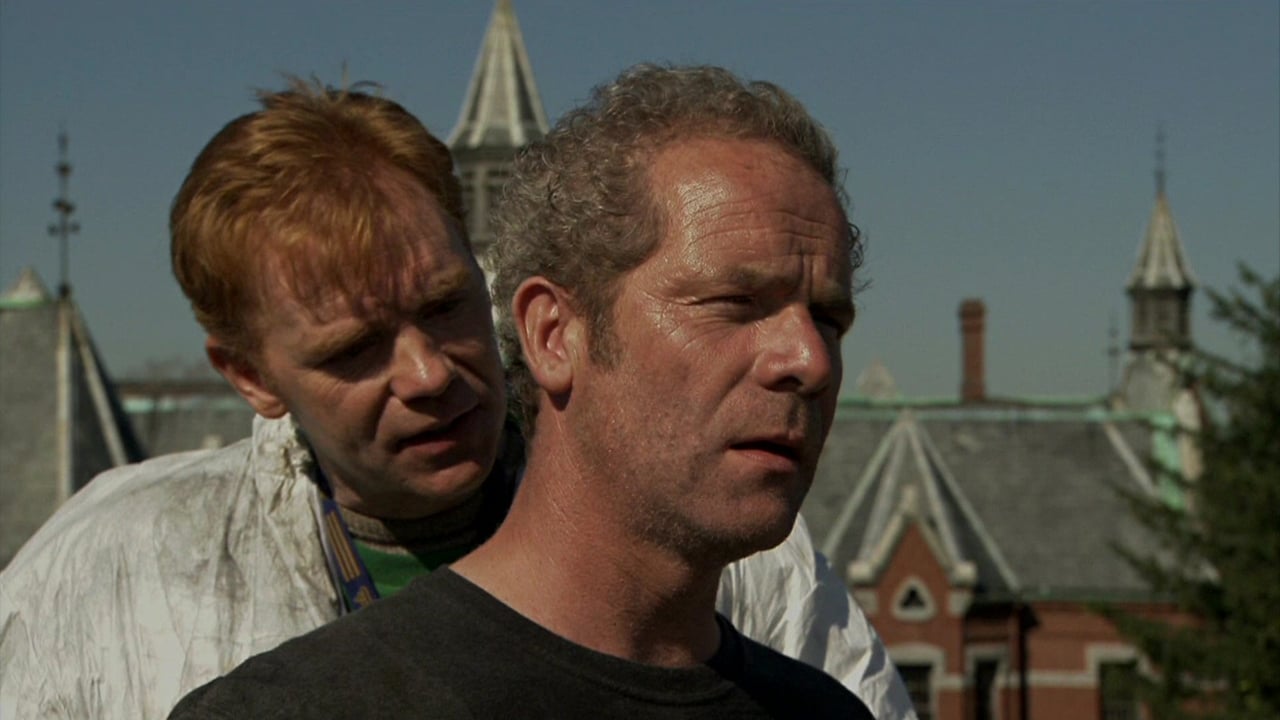
The story follows a desperate asbestos abatement crew who take a "rush job" to clear out the hospital in a week. Peter Mullan plays Gordon, the boss who is clearly hanging on by a fraying thread. Mullan is a powerhouse of suppressed Scottish rage and sorrow, and he anchors the film’s humanity. Opposite him is David Caruso, delivering a performance that makes me mourn what happened to his career before he became a caricature of himself on CSI: Miami. Here, he’s sharp, cynical, and grounded. David Caruso’s delivery of a certain two-word insult involving the word "fuck" is the peak of 2000s indie horror dialogue. It’s visceral, it’s earned, and it’s the only time I’ve cheered during a movie that was otherwise making me want to crawl under my seat.
The Sound of Something Wrong
If you’re looking for a slasher with a high body count and jump scares every ten minutes, keep walking. Session 9 is a slow-burn exercise in spatial dread. The "monster" isn’t a guy in a mask; it’s the architecture itself. The way the camera lingers on long, dark tunnels and broken gurneys creates a feeling of being watched that never lets up.
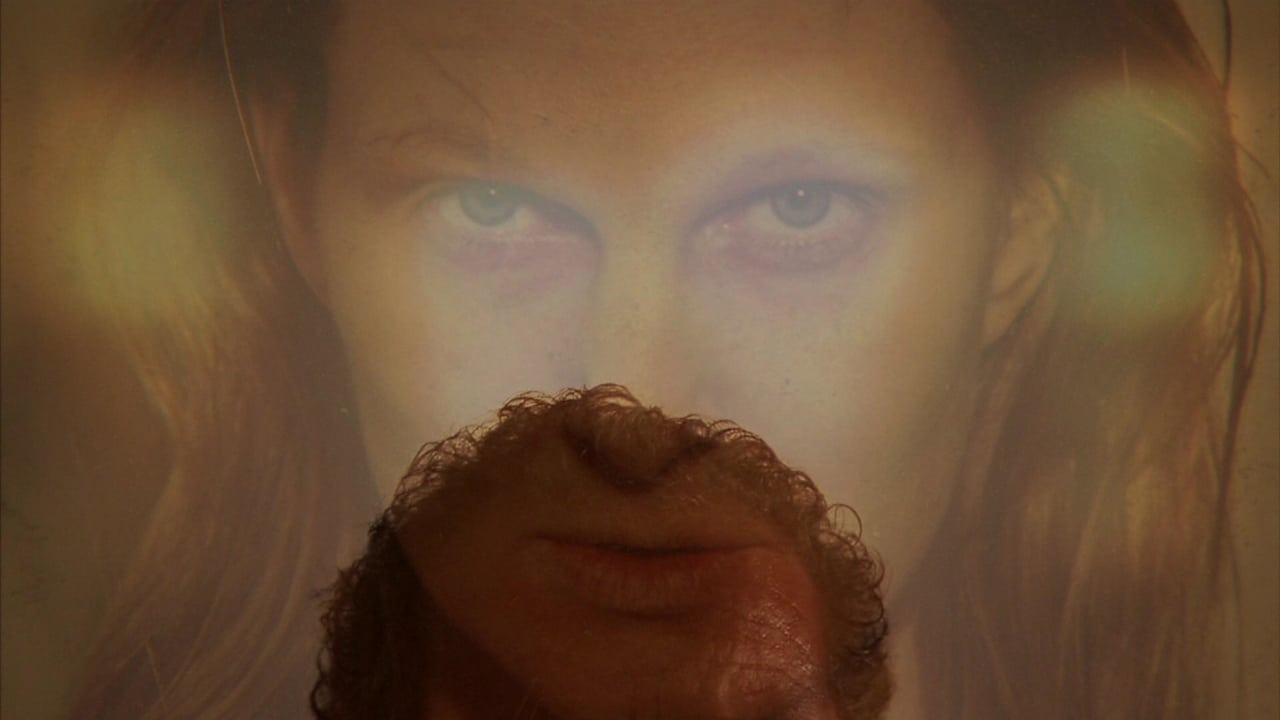
The secret weapon, however, is the audio. Stephen Gevedon, who co-wrote the script and plays Mike, discovers a box of session tapes involving a patient with multiple personalities. As Mike listens to these tapes throughout the film, we hear the voice of "Simon"—the dark entity hiding within the patient. The audio design by Climax Golden Twins is an abrasive, metallic nightmare. It gets under your skin. By the time "Simon" finally speaks on the final tape, the hair on your arms will be standing at full attention. It’s a brilliant display of how to use sound to build a mythology without ever needing a $100 million CGI budget.
Indie Hustle and Haunted Realities
Looking back at the production, it’s a miracle this movie feels as polished as it does. Made for a mere $1.5 million, the crew basically lived in the real Danvers State Hospital during the shoot. Because they couldn't afford massive lighting rigs, they used the natural, oppressive shadows of the building. The production notes from the old DVD release mention that the crew refused to stay in the building after the sun went down. Can you blame them? The hospital was a real-life site of lobotomies and suffering, and that history bleeds through the screen.
The cast, which also includes a young Josh Lucas and Brendan Sexton III, feels like a real crew of guys who have worked together for years. They bicker about money, they harbor petty jealousies, and they’re all just one bad day away from a breakdown. This blue-collar approach to horror was a breath of fresh air in an era dominated by "slick" teen screamers like I Know What You Did Last Summer. Session 9 doesn't care if you're pretty; it only cares if you're crumbling.
The final act of Session 9 is a masterstroke of psychological payoff that I won't spoil here, but I will say it forces you to re-evaluate everything you just saw. It’s a film that demands a second viewing just to see how the breadcrumbs were laid out in plain sight. It captures that turn-of-the-century anxiety perfectly—the feeling that despite all our technology and "progress," the dark corners of the human mind are still as terrifying as they were a hundred years ago. If you want a movie that lingers in your peripheral vision long after the credits roll, this is the one. Just make sure your radiator isn't prone to clanking.
Keep Exploring...
-
Rubber
2010
-
Stonehearst Asylum
2014
-

The Gift
2000
-
What Lies Beneath
2000
-
The Mothman Prophecies
2002
-
The Skeleton Key
2005
-
Inland Empire
2006
-
Pi
1998
-
Brick
2006
-
After.Life
2009
-
A Tale of Two Sisters
2003
-
Audition
2000
-
The Hole
2001
-
High Tension
2003
-

Let Me In
2010
-
The Last Exorcism
2010
-
Winter's Bone
2010
-

Sinister
2012
-
You're Next
2013
-
Unfriended
2014