Shrek
"A flatulent ogre and a talkative donkey walk into a swamp and change animation history forever."
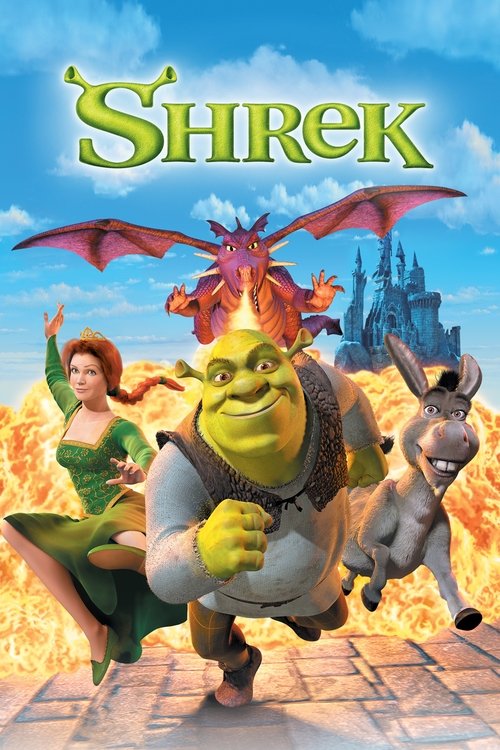
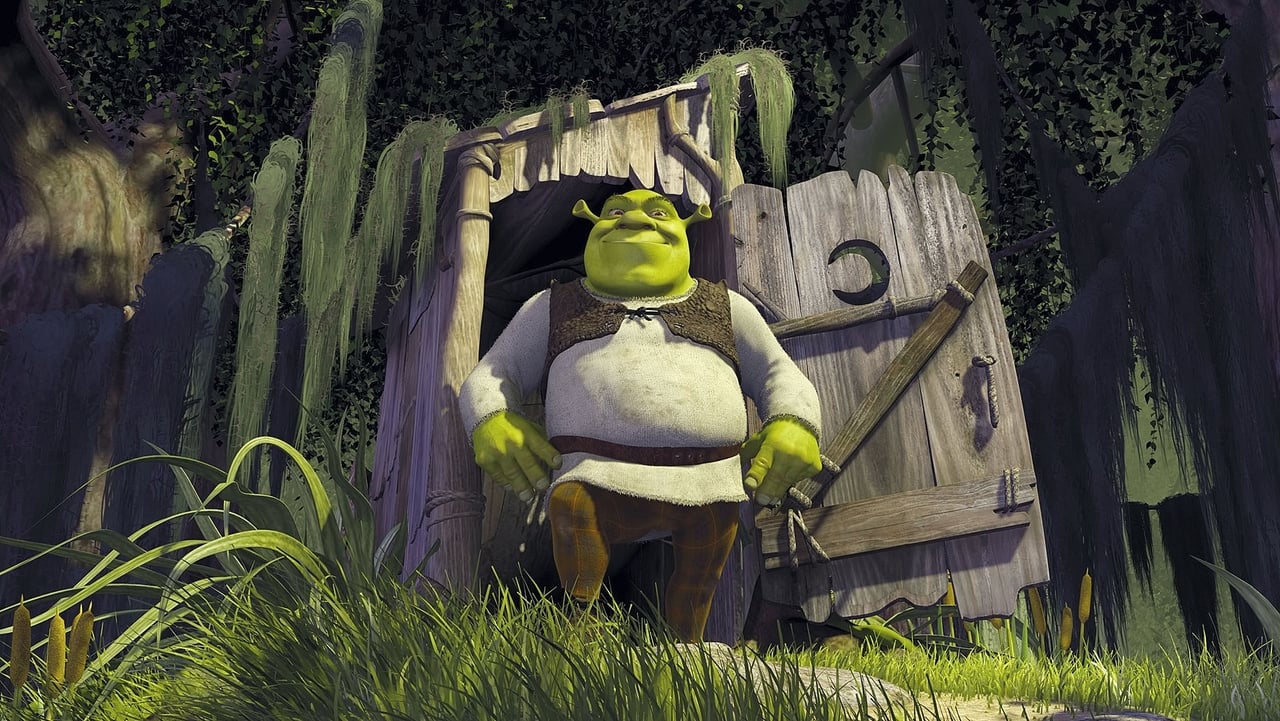
The moment a giant green hand slams an outhouse door open to the upbeat chords of Smash Mouth’s "All Star," the rules of animation changed. I remember seeing Shrek in a theater where the floor was so sticky I practically left my shoes behind, yet the second the film started, I didn't care. It was 2001, and the "Disney Renaissance" of the 90s was cooling off, leaving a vacuum for something a bit more cynical, a bit louder, and significantly more flatulent.
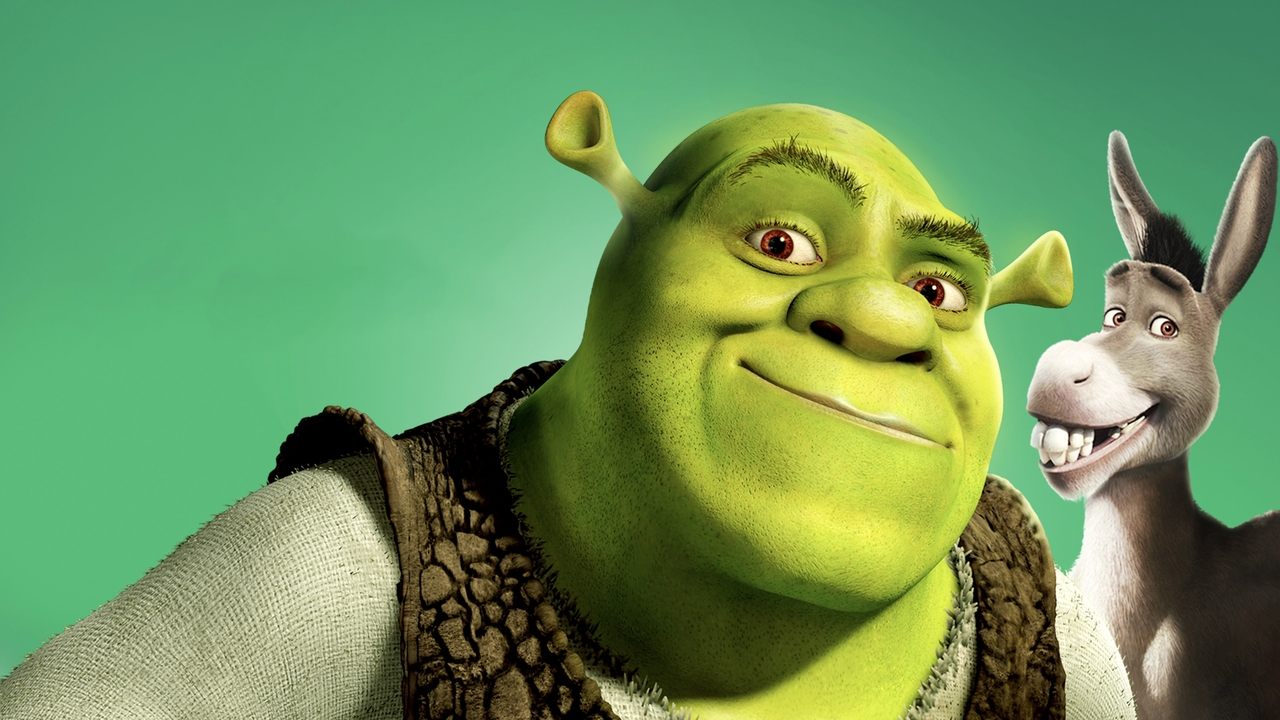
What’s fascinating looking back from our current era of "meta" humor is just how fresh this felt at the time. Before every blockbuster felt the need to wink at the camera, Shrek was the ultimate disruptor. It didn't just tell a fairy tale; it took the very concept of "Once Upon a Time," stuffed it into a sack, and gave it a good thumping.
The Great Fairy Tale Disruptor
At its core, Shrek is a classic adventure, but it’s fueled by a beautiful sense of spite. The production history is legendary—largely because it was the project DreamWorks animators were sent to if they failed on The Prince of Egypt. They called it being "Shreked." Yet, that "loser’s bracket" energy birthed a masterpiece of subversion.
The plot is meat-and-potatoes questing: Mike Myers plays the titular ogre who just wants his swamp back after Lord Farquaad (John Lithgow) dumps a load of "fairytale creatures" (effectively undocumented refugees in a swamp-based border crisis) onto his land. To get his privacy back, Shrek has to rescue Princess Fiona (Cameron Diaz) from a dragon-guarded tower.
The genius, however, is in the casting and the eleventh-hour pivots. Mike Myers famously decided to re-record nearly the entire film with a Scottish accent because he felt it gave the character a "working-class" vulnerability. It was a $4 million gamble that paid off. His Shrek isn't a monster; he’s a guy who has spent his life being judged before he even opens his mouth, so he’s built a wall of sarcasm and "keep out" signs. I watched this again recently on a VHS that had a slight tracking wobble during the "Hallelujah" scene, and honestly, the distortion made the emotional payoff hit even harder.
Unlikely Chemistry and High-Stakes Hilarity
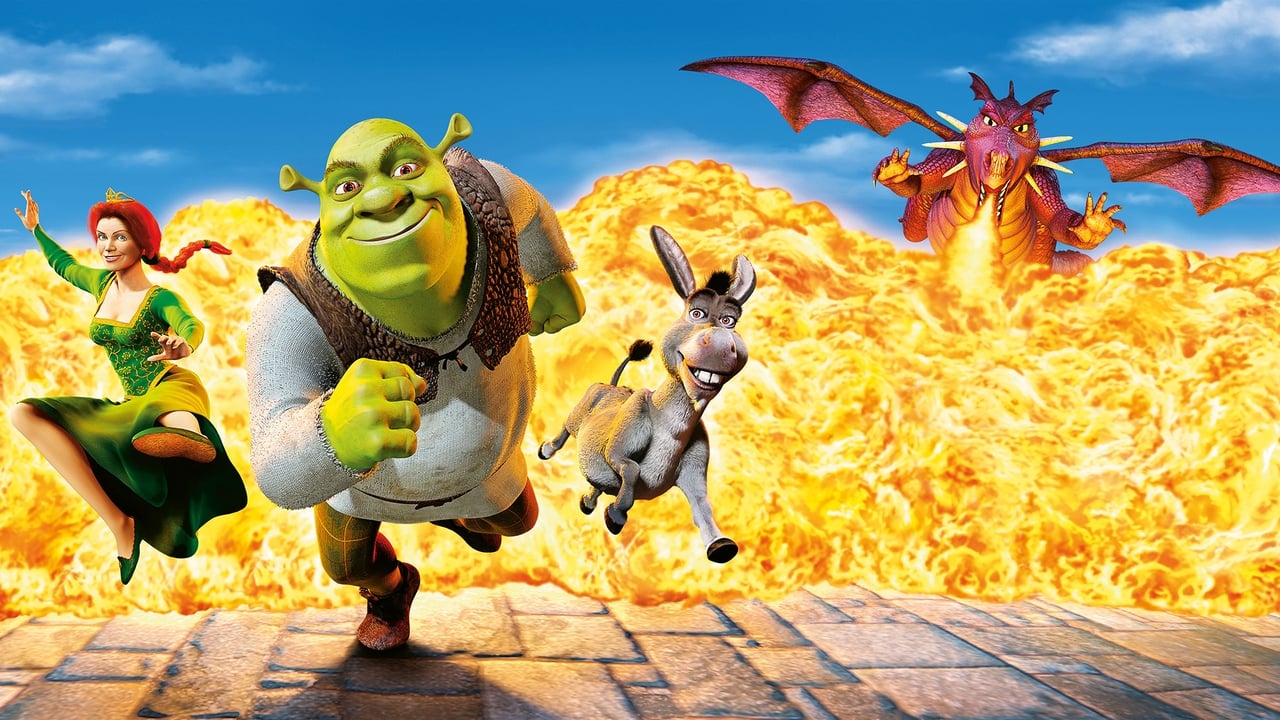
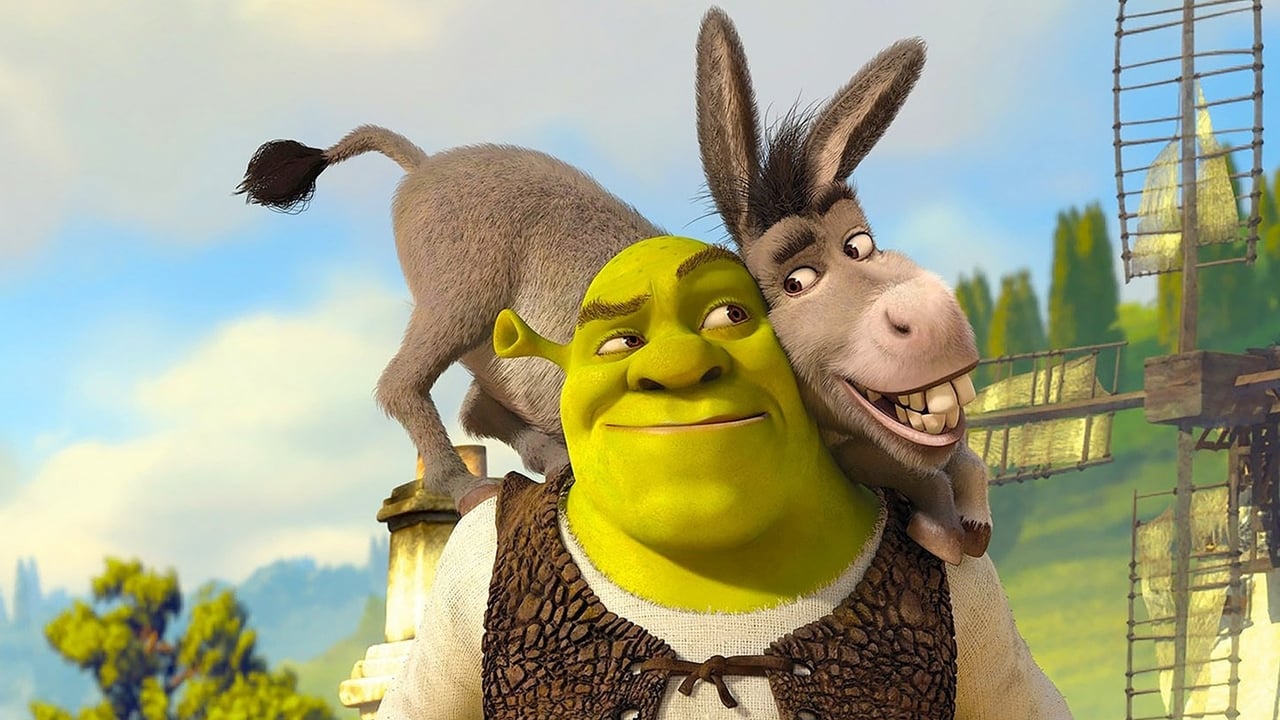
If Shrek is the soul, Eddie Murphy’s Donkey is the engine. This remains, in my humble opinion, one of the greatest comedic voice performances in history. Donkey isn't just a sidekick; he’s a relentless force of optimism that wears Shrek’s defenses down through sheer attrition. Their camaraderie is the heartbeat of the film, turning a standard "point A to point B" journey into a buddy-comedy road movie.
The adventure beats genuinely work, too. The bridge crossing over the lake of lava remains a masterclass in tension-building, even if the CGI looks a bit "early 2000s" by today’s hyper-realistic standards. But that’s the thing about this era of Modern Cinema—the tech was evolving so fast that Shrek felt like a miracle of digital textures. I remember being obsessed with the way the mud looked on Shrek’s skin or the way the individual hairs on Donkey’s mane moved. Today, we take that for granted, but in 2001, DreamWorks was basically flex-printing the future of the medium.
And let’s talk about John Lithgow. His Lord Farquaad is the ultimate short-king villain with a Disney-sized grudge. The rumors that the character was a direct jab at Disney mogul Michael Eisner only add to the delicious pettiness of the film’s tone.
The Legacy of the Swamp
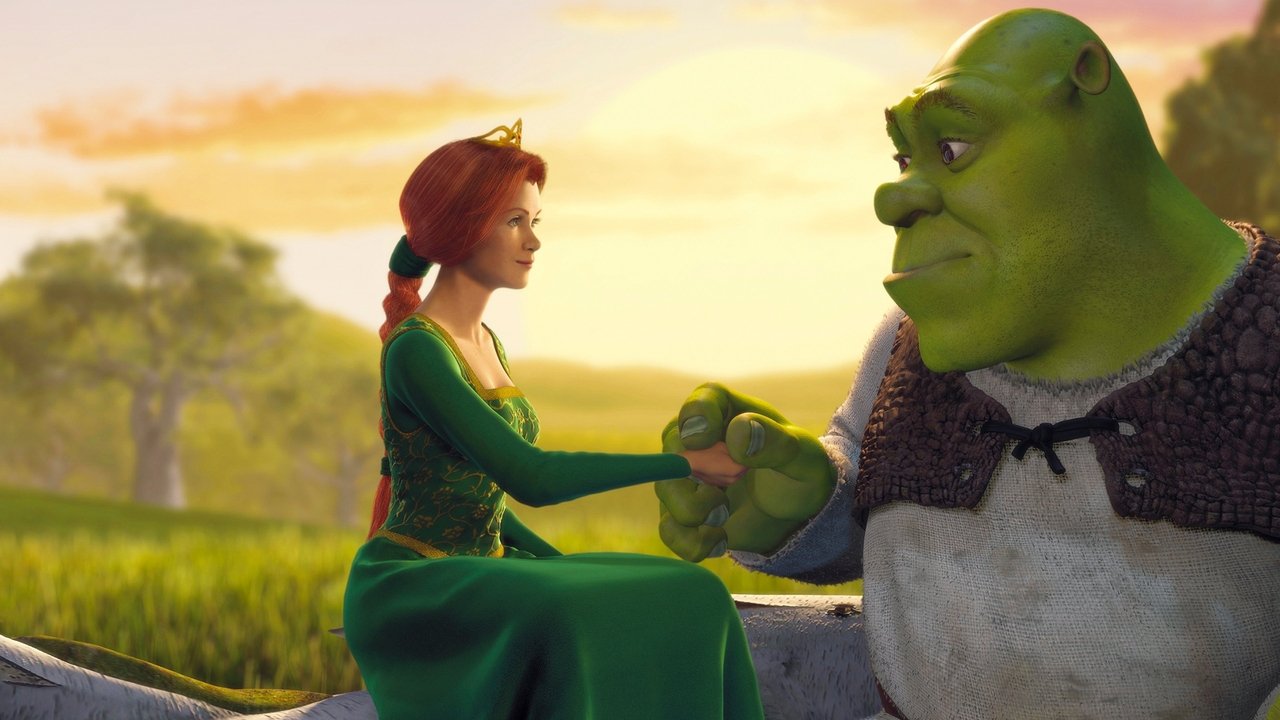
Looking back, Shrek was the beginning of the "franchise mentality" in its most aggressive form. It spawned three sequels, spin-offs, and a Broadway musical. But the original film holds up remarkably well because it balances its fart jokes with genuine heart. It tackles the idea of beauty and self-worth with more nuance than most of the "prestige" live-action films of its year. Cameron Diaz brings a surprising amount of grit to Fiona; she isn't a porcelain doll waiting for a kiss, she’s a woman with a secret who can fight off a pack of "Monsieur Hood" (Vincent Cassel) merry men with Matrix-style martial arts.
The DVD culture of the time also helped cement its status. I spent far too many hours watching the "Shrek in the Swamp Karaoke Party" special feature, which was the peak of home entertainment in 2001. It represented a time when movies felt like events that lived on in your living room through those shiny silver discs and their endless menus of hidden Easter eggs.
While some of the pop-culture references (like the Matrix slow-mo) are firmly rooted in the Y2K era, the emotional core—that everyone deserves a swamp to call home and someone to share it with—is timeless. It’s a film that invited adults to the party without alienating the kids, creating the blueprint for the next two decades of family entertainment.
Shrek remains a pillar of 2000s cinema, a loud, green, and incredibly smart subversion of the stories we think we know by heart. It’s the rare blockbuster that feels like it has a soul behind its digital eyes. If you haven't visited the swamp in a few years, it’s time to go back—just watch out for the onions.
Keep Exploring...
-
Shrek 2
2004
-
Shrek the Third
2007
-
Shrek Forever After
2010
-
The Road to El Dorado
2000
-

The SpongeBob SquarePants Movie
2004
-

Sinbad: Legend of the Seven Seas
2003
-
How to Train Your Dragon 2
2014
-
The Lego Movie
2014
-
Hercules
1997
-

The Emperor's New Groove
2000
-

Madagascar
2005
-

A Bug's Life
1998
-

Ice Age
2002
-
Charlie and the Chocolate Factory
2005
-
Cars
2006
-
Shrek the Halls
2007
-
Brave
2012
-
The Book of Life
2014
-
The Chronicles of Narnia: The Lion, the Witch and the Wardrobe
2005
-

Wallace & Gromit: The Curse of the Were-Rabbit
2005