Spirited Away
"A breathtaking journey through a spirit world that makes our reality feel thin."
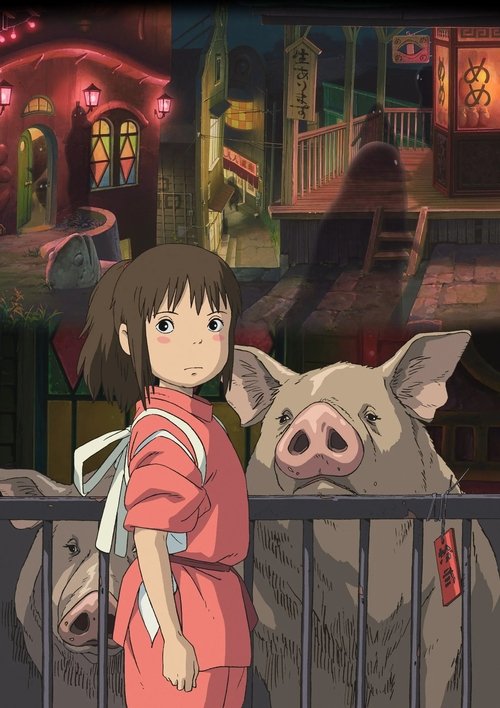
The first time I saw Spirited Away, I was struck by the smell of the food. Not that I could actually smell it through the screen, but Hayao Miyazaki has this uncanny ability to make animated steam look heavier and more fragrant than anything in real life. I watched this for the third time last Tuesday while wearing a wool sweater that was slightly too itchy, and somehow that physical discomfort made Chihiro’s grueling shifts in the bathhouse feel even more tangible. It’s a film that demands you feel everything—the dampness of the soot, the stickiness of the "Stink Spirit," and the crushing weight of a lost identity.
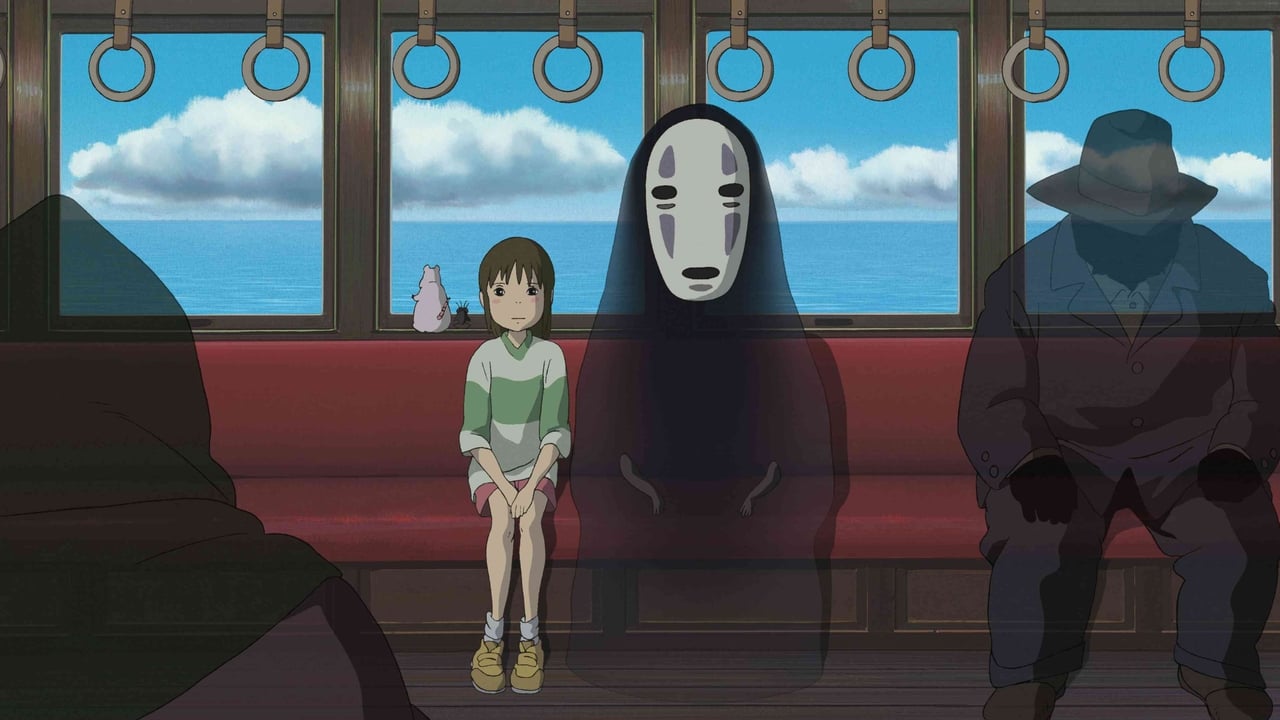
The Girl Who Refused to Fade
In the early 2000s, we were used to animated protagonists who were born for greatness. Then came Chihiro (Rumi Hiiragi), a ten-year-old who is, frankly, a bit of a brat at the start. She’s slumped in the backseat of her parents’ car, clutching a bouquet like it’s a funeral arrangement, whining about her new school. When her parents (Takashi Naito and Yasuko Sawaguchi) wander into an abandoned theme park and proceed to act like the original 'Karens' of the spirit world, gorging themselves on food that doesn't belong to them until they literally turn into pigs, Chihiro is left entirely alone.
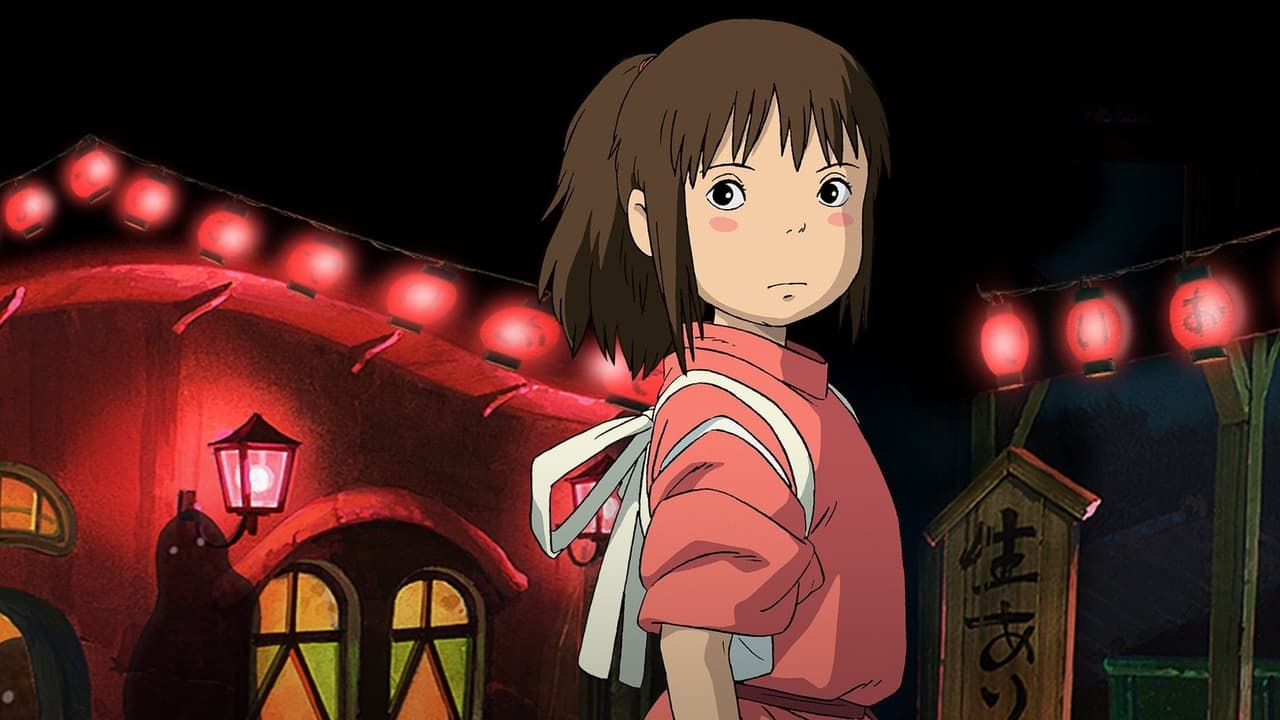
What follows isn't a typical "chosen one" narrative. It’s a labor-intensive drama about a girl who has to get a job to survive. The stakes feel incredibly high because they are so grounded. To save her parents, she must sign her name away to the bathhouse matron, Yubaba (Mari Natsuki), becoming "Sen." The loss of her name is handled with such quiet, heartbreaking sincerity that it carries more weight than any world-ending explosion in a standard blockbuster.
Hand-Drawn Defiance in the Age of Pixels
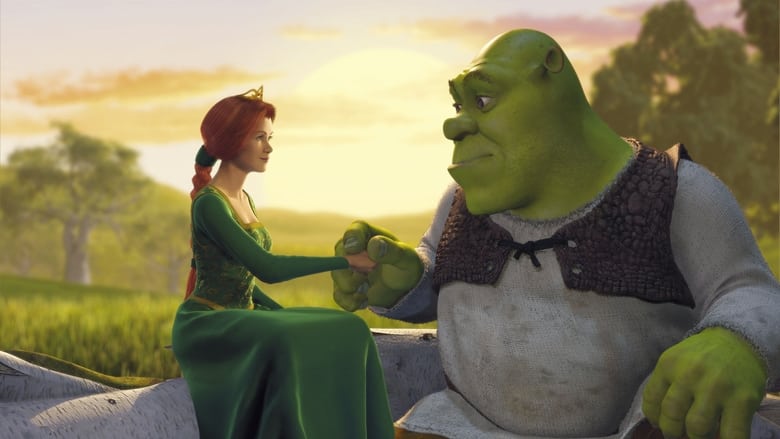
Looking back at 2001, the cinematic landscape was shifting violently. Shrek and Monsters, Inc. were proving that CGI was the future, and there was a mounting anxiety that traditional hand-drawn animation was a dying gasp. Then Spirited Away arrived like a lightning bolt from Studio Ghibli. While Disney was pivoting toward digital, Miyazaki was doubling down on the texture of paint and ink.
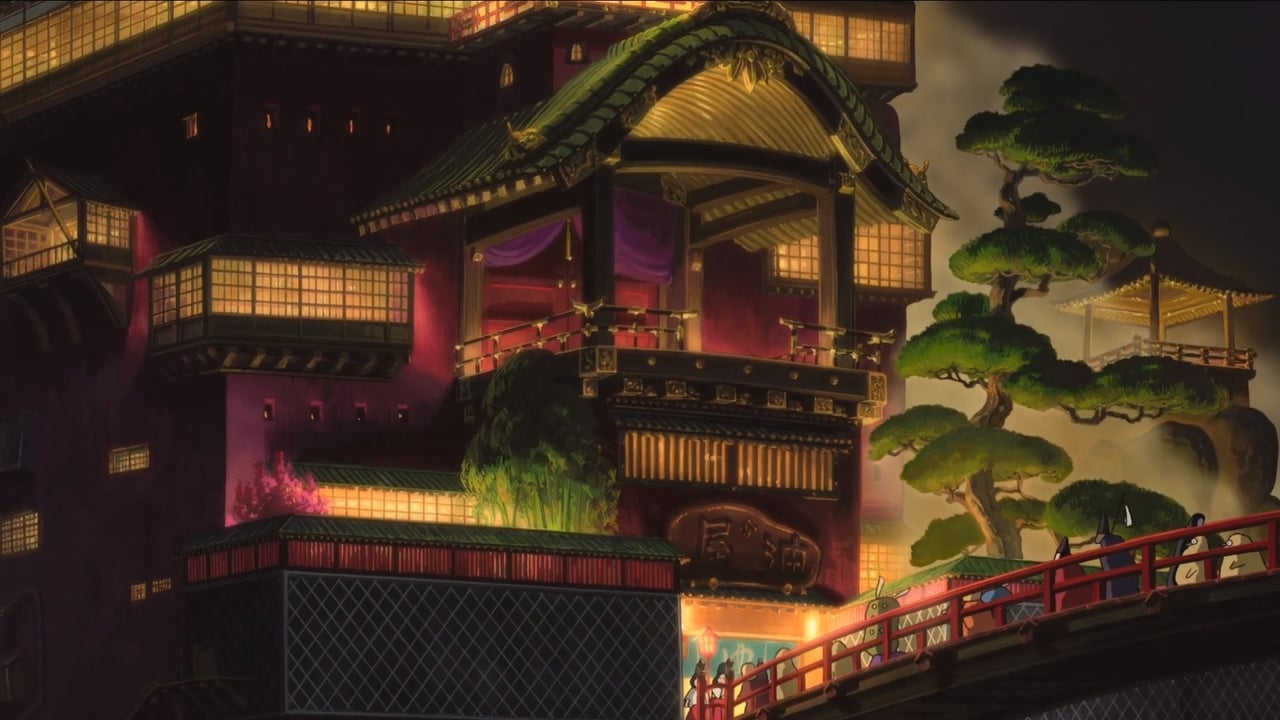
The contrast is staggering. There’s a depth to the boiler room where we meet the six-armed Kamaji (Bunta Sugawara) and his soot sprites that feels lived-in and dusty. The film doesn't use technology to replace artistry; it uses it to enhance it. Miyazaki reportedly used some digital tools for the "Great River Spirit" scene to manage the sheer volume of sludge, but it never feels like "computer stuff." It feels like a nightmare coming to life. This was the era where DVD culture was peaking, and I remember spending hours scrolling through the special features of the Disney-distributed North American release, obsessed with how they captured the sounds of those squelching footsteps.
Cleaning the River and Breaking Records
The film wasn't just an artistic triumph; it was a commercial juggernaut that redefined what "international film" meant to the average moviegoer. With a modest budget of $19 million, it went on to gross over $274 million worldwide. It held the title of the highest-grossing film in Japanese history for nearly two decades. It even managed to snatch the Academy Award for Best Animated Feature, famously without Miyazaki attending the ceremony because of his opposition to the Iraq War—a very 2003 moment that reflected the political anxieties of the era.
One of my favorite bits of production lore is that Miyazaki didn't actually have a script. He storyboards the film as it's being made, letting the characters dictate where they want to go. This explains the film's dream-like logic, especially the introduction of No-Face (Tatsuya Gashûin). No-Face is essentially every awkward person at a party who tries to buy friends with snacks, and his evolution from a silent observer to a gold-spewing monster was a late addition to the story.
The famous "Stink Spirit" scene was actually inspired by Miyazaki’s own experience cleaning a local river. He recalled finding a bicycle buried in the mud, and that exact image makes it into the film. It’s these specific, messy details that keep the movie from feeling like a generic fairy tale.
Finding Haku and Finding Home
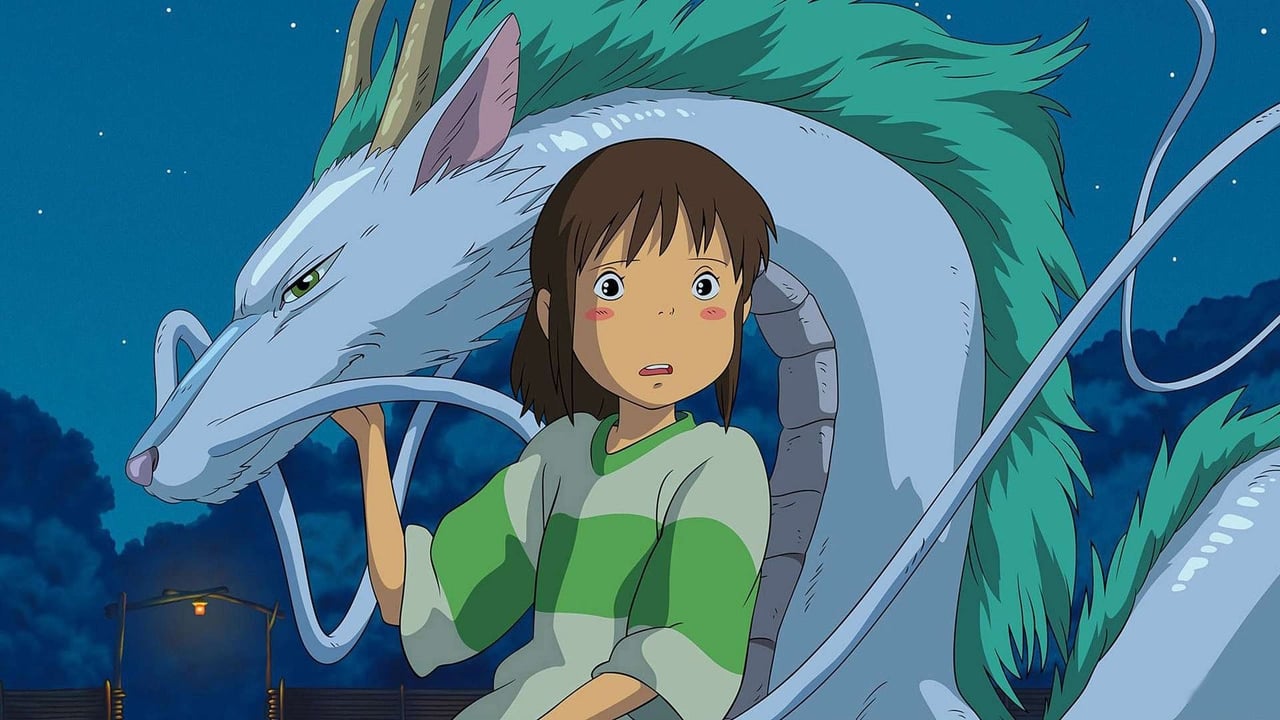
The relationship between Chihiro and the mysterious boy Haku (Miyu Irino) provides the film's emotional backbone. It’s not a romance in the traditional Hollywood sense; it’s a bond built on mutual survival and the recovery of memory. When they finally fly through the air together toward the film's conclusion, the payoff feels earned because we’ve seen them both go through the wringer.
Spirited Away remains the gold standard for "all-ages" cinema because it doesn't talk down to children or over-explain its mythology to adults. It trusts you to keep up. It’s a film that understands that growing up is scary, hard work is exhausting, and sometimes, the only way to save the people you love is to remember who you were before the world tried to rename you.
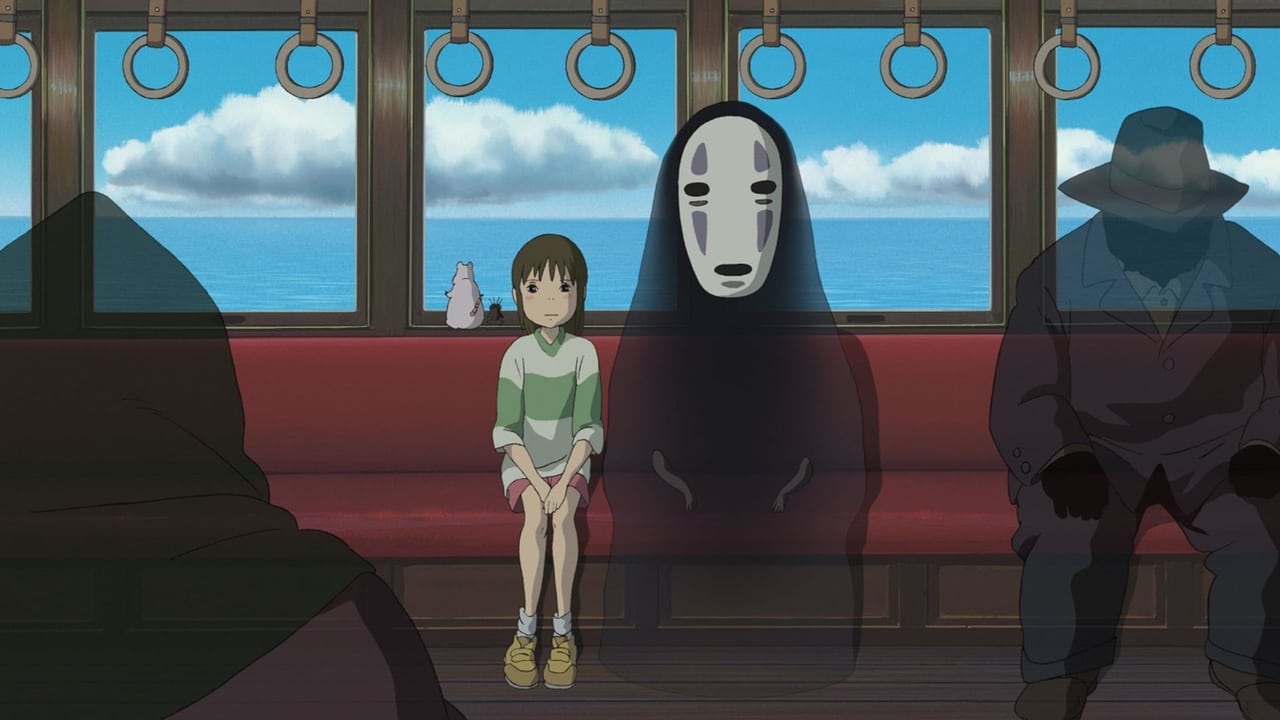
This is one of the few films that I truly believe is perfect. Every frame is saturated with intent, and every character—no matter how strange—feels like they have a life that continues after the camera moves away. It’s the kind of movie that makes you look at the world a little differently once the lights come up. You might find yourself looking at an old tunnel or a quiet train track and wondering if, just for a second, you could catch a glimpse of a shadow sitting by the window.
Keep Exploring...
-

Howl's Moving Castle
2004
-
Ponyo
2008
-
Princess Mononoke
1997
-
Porco Rosso
1992
-
The Secret World of Arrietty
2010
-
Kiki's Delivery Service
1989
-
The Wind Rises
2013
-
Castle in the Sky
1986
-
My Neighbor Totoro
1988
-
The Boy and the Heron
2023
-
Shrek
2001
-
Beauty and the Beast
1991
-

Aladdin
1992
-
Ratatouille
2007
-
Coraline
2009
-
How to Train Your Dragon
2010
-
How to Train Your Dragon 2
2014
-

The SpongeBob SquarePants Movie
2004
-
Anastasia
1997
-

The Emperor's New Groove
2000