Spy Game
"The mentor plays the man, not the game."
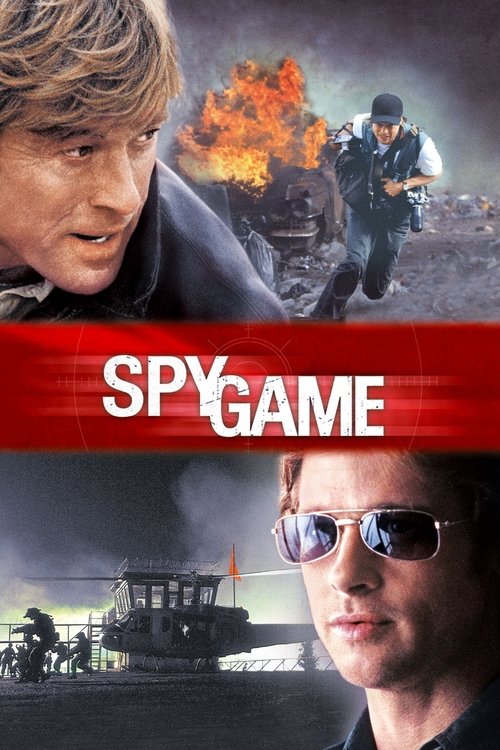
In the waning months of 2001, the world changed, and so did the way we looked at men in suits making life-or-death decisions in dark rooms. Spy Game arrived just as the "cool" spy aesthetic of the 90s collided head-on with a new, cynical geopolitical reality. It’s a film that feels like a hand-off between eras, featuring the ultimate Hollywood veteran passing the torch to the man who spent a decade being called "the next him." I watched this while eating a bag of slightly stale pretzel sticks, and the crunching sound perfectly synced up with the mechanical clatter of the CIA teletype machines, making the whole experience feel oddly immersive.
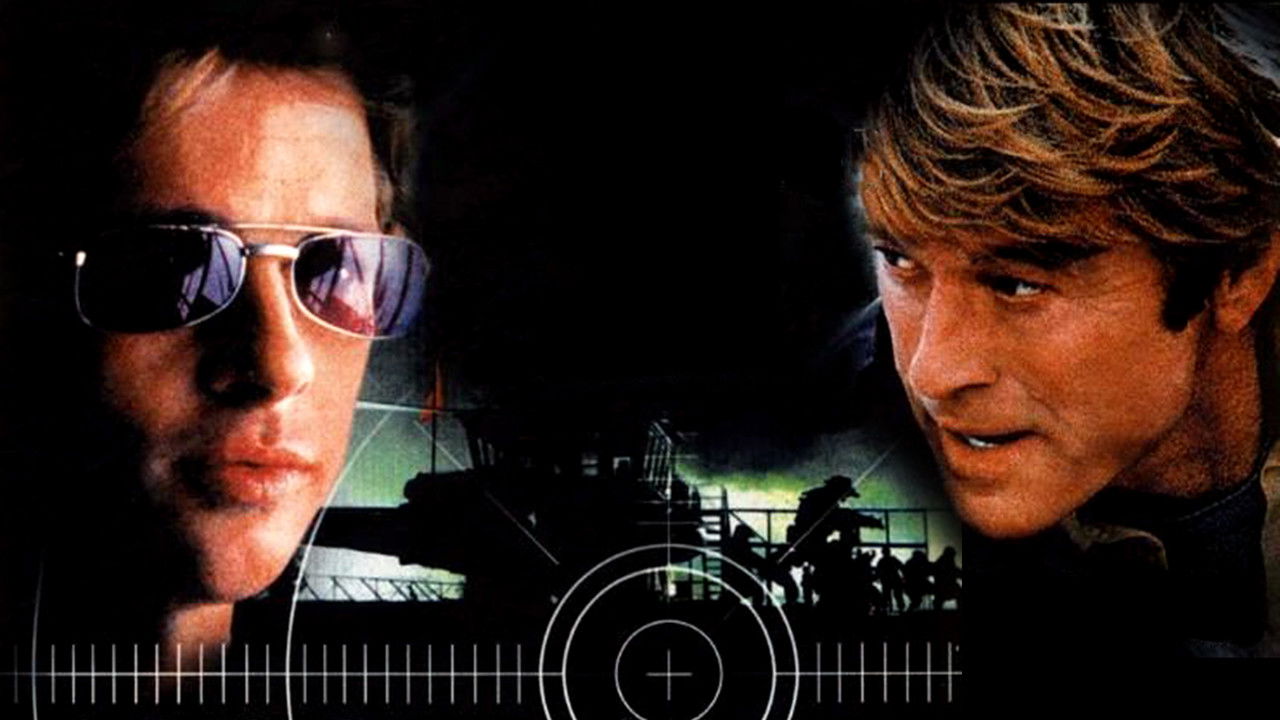
The Caffeinated Vision of Tony Scott
If you’ve ever watched a movie and felt like the director was trying to vibrate the film right off the projector, you’ve likely seen a Tony Scott (Top Gun, Enemy of the State) production. In Spy Game, Scott is at the absolute peak of his "frenetic" phase. Working with cinematographer Dan Mindel, Scott treats every conversation like a high-speed chase. The camera doesn't just sit there; it zooms, it pans, it circles the actors like a hawk, and it’s all bathed in that distinct, high-contrast saturation that makes everything look like it was filmed during a beautiful, smoggy sunset.
Looking back, this was a turning point for action cinematography. We were moving away from the steady, wide shots of the 80s and into the "shaky cam" era. While some films from this period are unwatchable today because of the dizzying edits, Tony Scott knew how to use the chaos to build tension. When the film jumps between Robert Redford’s Nathan Muir navigating the bureaucratic shark tank in Virginia and Brad Pitt’s Tom Bishop rotting in a Chinese prison, the editing keeps your pulse elevated even when people are just drinking Scotch.
A Masterclass in Tradecraft
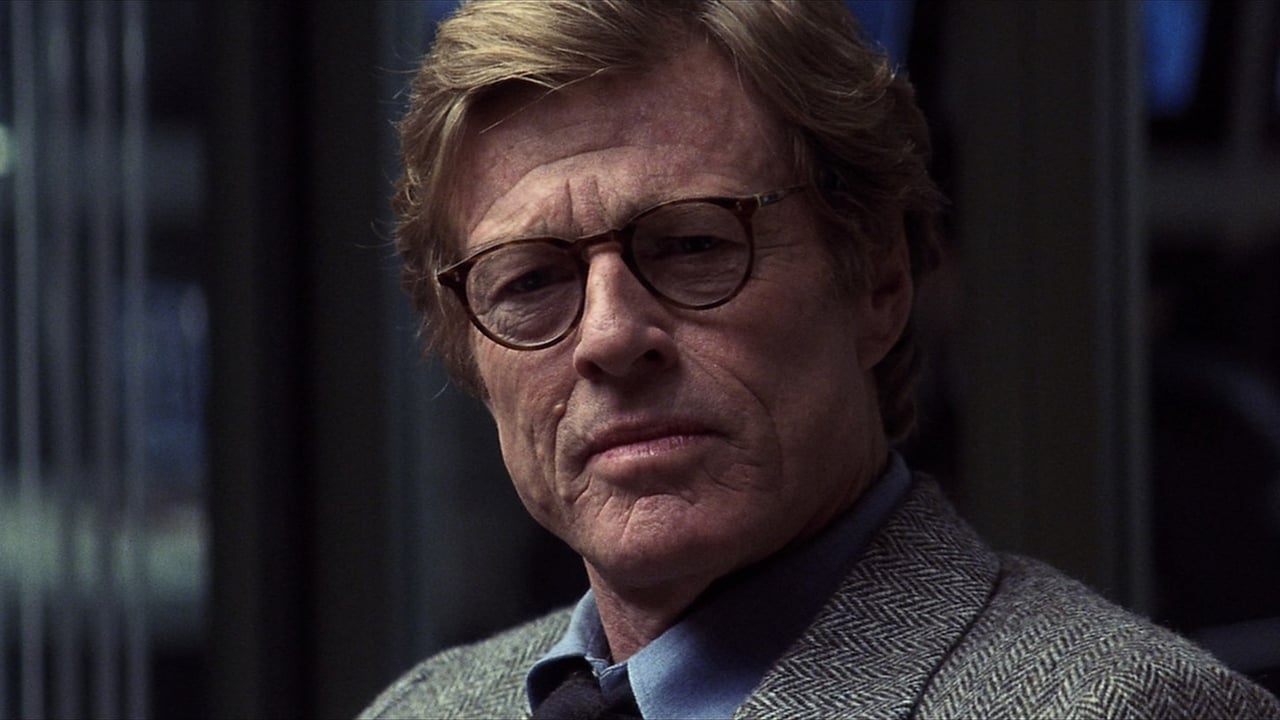
The heart of the movie isn't the explosions—though there are some spectacular ones in a recreation of 1980s Beirut—it’s the relationship between the old lion and the young cub. Robert Redford is essentially playing an older, more cynical version of his character from Three Days of the Condor, and he is effortlessly cool. He’s the guy who knows where all the bodies are buried because he’s the one who dug the holes.
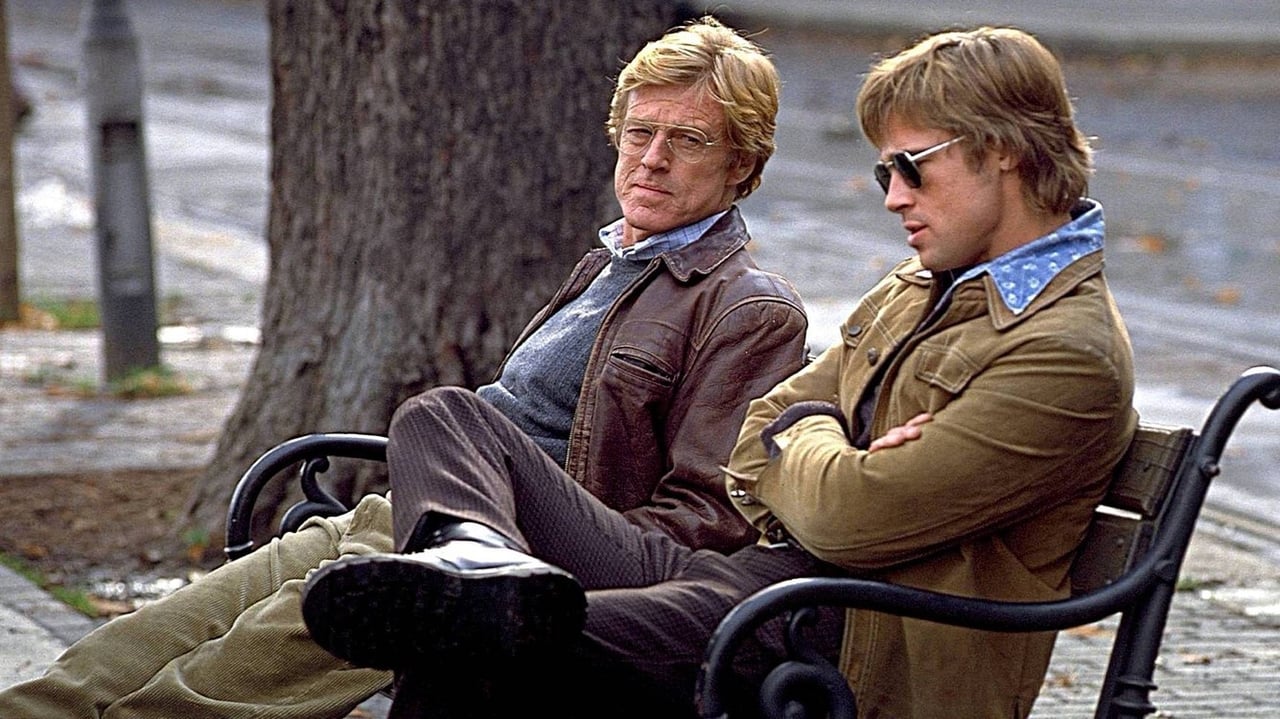
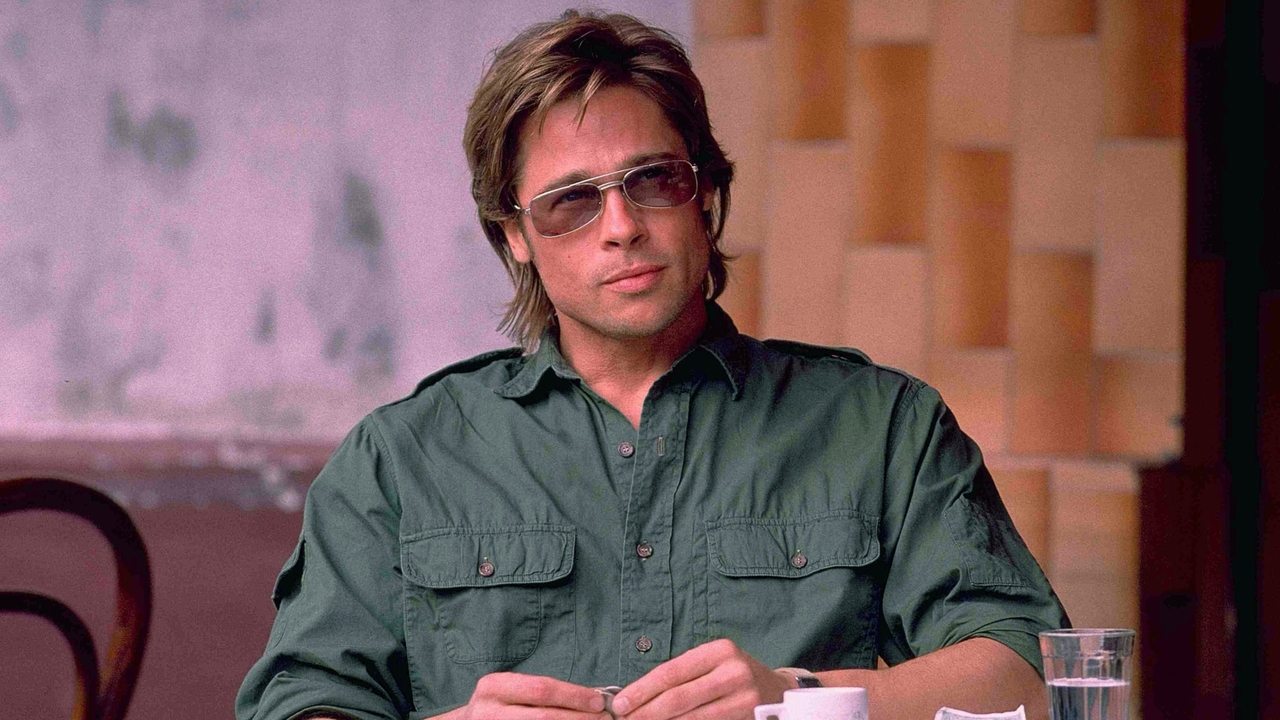
Opposite him, Brad Pitt brings a raw, idealistic energy that serves as the perfect foil. My favorite parts aren’t the rescue missions, but the flashbacks to the training. The "pigeon" scene, where Muir teaches Bishop how to use a civilian as a distraction, is a chilling bit of storytelling that explains the film's title perfectly. It’s a game, and the pieces are human lives. Stephen Dillane (Game of Thrones) is also fantastic here as the cold-blooded suit trying to outmaneuver Muir, and watching Redford play him like a fiddle is pure cinematic joy. The office politics in Langley are actually more exciting than the prison break in Su-Chou.
Stuff You Didn't Notice
Even though it’s a high-octane thriller, the production of Spy Game was a masterclass in creative problem-solving:
Sibling Rivalry: While Tony Scott was filming Spy Game in Morocco, his brother Ridley Scott was filming Black Hawk Down just a few miles away. The two productions ended up sharing some of the same military equipment and local crew members. The Redford-Pitt Connection: This was the second time the two stars worked together. Robert Redford actually directed Brad Pitt years earlier in A River Runs Through It (1992). The physical resemblance and shared screen presence made the mentor-student dynamic feel incredibly authentic. Beirut in Morocco: The massive, devastating explosion in the Beirut flashback was a practical effect filmed in Casablanca. The production used real explosives that were so powerful they shattered windows in buildings blocks away, leading to a few very angry locals. The CIA’s Critique: Actual CIA consultants were on set, and they reportedly laughed at the scene where Muir shreds top-secret documents. Apparently, real CIA shredders turn paper into "confetti dust," not the neat little strips seen in the movie. The "Dinner Out" Rooftop: The famous rooftop meeting between Muir and Bishop was filmed in Budapest. To get those sweeping, dizzying helicopter shots, the pilot had to fly dangerously close to the actors, which Brad Pitt later admitted was "a bit hair-raising." A Last-Minute Soundtrack: Composer Harry Gregson-Williams had to work at a breakneck pace to match the rapid-fire editing style. The score is a unique blend of orchestral tension and early-2000s electronic beats that still feels surprisingly modern.

Spy Game is one of those rare thrillers that respects the audience's intelligence. It’s a movie about being the smartest person in the room and the personal cost of that intelligence. While the "MTV-style" editing of the early 2000s hasn't aged perfectly for everyone, here it serves the frantic, ticking-clock energy of the plot. It’s a stylish, cynical, and ultimately moving tribute to a type of filmmaking that focused on character chemistry as much as pyrotechnics.
If you haven't seen it since the DVD era, it’s time for a rewatch. Just make sure you have some snacks that aren't too loud, because you won't want to miss a single line of Redford’s dry, tactical wit. This is a "dad movie" that transcends the genre, proving that the most dangerous weapon in a spy’s arsenal isn't a gun—it's a telephone and a very long memory.
Keep Exploring...
-
The Taking of Pelham 1 2 3
2009
-

Domino
2005
-

Enemy of the State
1998
-
Man on Fire
2004
-
Déjà Vu
2006
-
True Romance
1993
-
Unstoppable
2010
-
Con Air
1997
-
The Jackal
1997
-
Lethal Weapon 4
1998
-
Ronin
1998
-

The Negotiator
1998
-
Gone in Sixty Seconds
2000
-
Swordfish
2001
-
S.W.A.T.
2003
-

16 Blocks
2006
-

The Fast and the Furious: Tokyo Drift
2006
-
From Dusk Till Dawn
1996
-
The Boondock Saints
1999
-
Once Upon a Time in Mexico
2003