Spy Kids
"Family secrets. Tiny gadgets. Seven-course meals from a microwave."
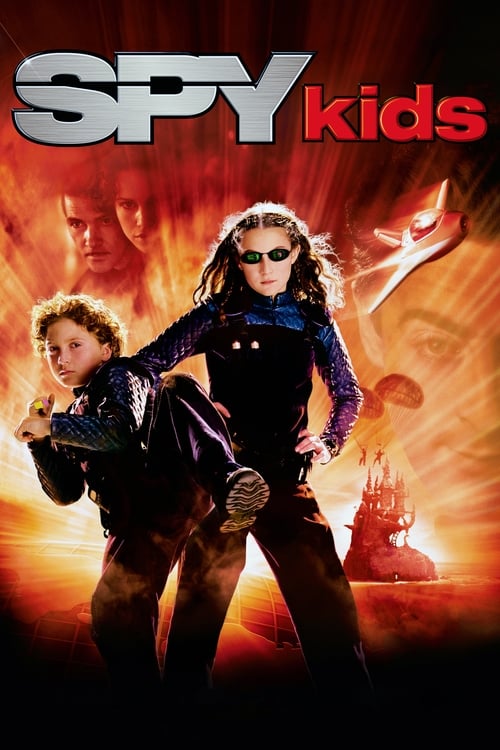
I recently rewatched Spy Kids on a scratched DVD I found in a thrift store bin, and let me tell you, the experience was significantly improved by the fact that the disc skipped every time Tony Shalhoub made a slightly menacing face. It felt like the movie was glitching in sympathy with its own chaotic energy. In 2001, Robert Rodriguez decided to pivot from the gritty, blood-soaked streets of Desperado and From Dusk Till Dawn to a world of primary colors and jetpacks. It shouldn't have worked. It should have been a tonal disaster. Instead, it became a cornerstone of my childhood and a fascinating artifact of the early digital filmmaking revolution.
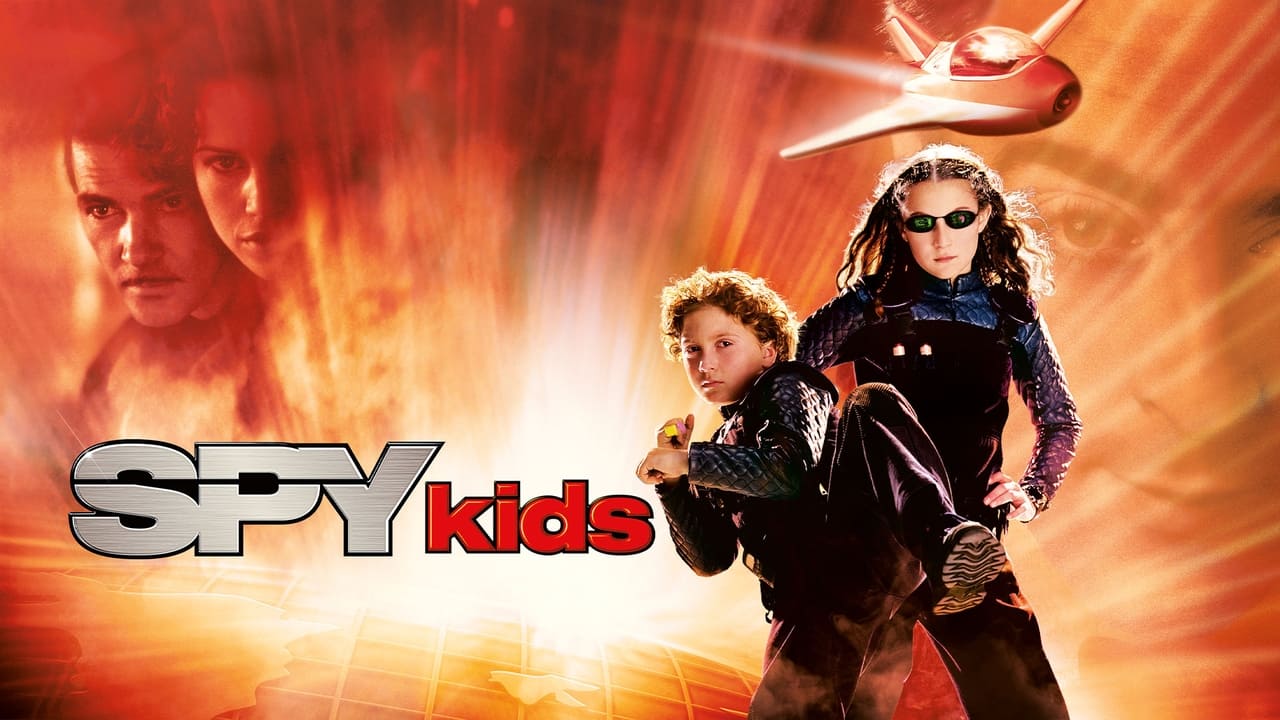
The Indie Spirit in a Studio Playground
What people often forget about Spy Kids is that it’s essentially an oversized home movie. Robert Rodriguez is the ultimate cinematic "one-man band," and here he serves as director, writer, producer, editor, and even composer. Looking back, you can feel that Troublemaker Studios DIY energy in every frame. While the $35 million budget was decent for the time, Rodriguez made it look like $100 million by being incredibly scrappy. He didn't just hire a team to build gadgets; he seemingly raided a Sharper Image and a toy store after a fever dream.
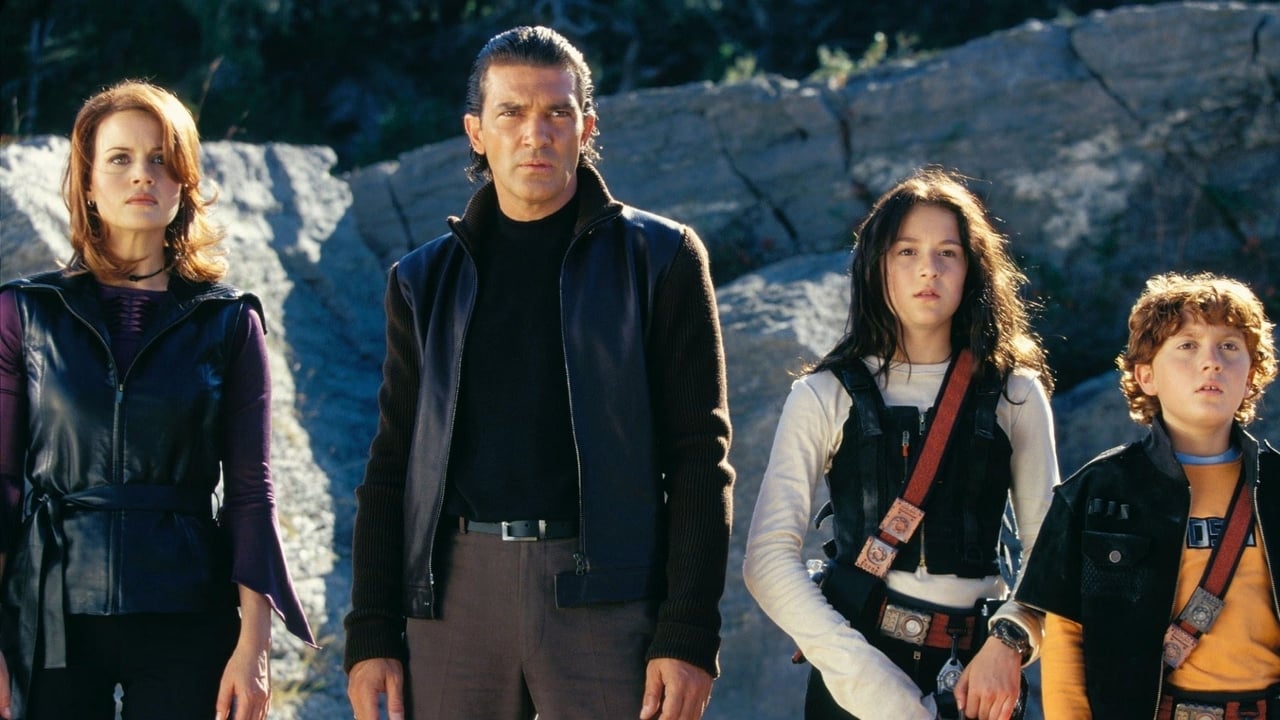
The story is simple: Carmen (Alexa PenaVega) and Juni (Daryl Sabara) think their parents are the world's biggest bores. When they discover Mom and Dad (Carla Gugino and Antonio Banderas) are actually retired elite agents who’ve been kidnapped by a flamboyant children’s show host, the kids have to step up. It’s a classic power-fantasy premise, but it’s anchored by a surprisingly sweet focus on Latinx family dynamics. Banderas is clearly having the time of his life, spoofing his own "Latin Lover" persona by playing a guy who is deeply uncool to his own children.
Ghouls, Gadgets, and the Thumb-Thumb Nightmare
If you want to talk about "era-specific context," we have to talk about the CGI. By 2024 standards, some of the digital compositing looks like a high-end PlayStation 2 cutscene. But here’s the thing: it doesn't matter. The visual language of Spy Kids is so intentionally surreal and "Macker-vision" bright that the dated effects actually add to the charm. Take the Thumb-thumbs—those giant, lumbering henchmen made entirely of fingers. Apparently, Robert Rodriguez actually came up with the design when he was a kid himself, winning an art contest with the concept. They are the stuff of low-res nightmares, but they fit perfectly into the bizarre, Wonka-esque aesthetic of Fegan Floop’s castle.

Alan Cumming as Floop is an inspired bit of casting. He brings a theatricality that feels dangerous yet vulnerable, perfectly capturing that Y2K-era obsession with "weird for the sake of weird." Alongside Tony Shalhoub as the mutated Minion, the villains in this movie aren't just bad guys; they’re tragic artists and scientists. It’s a level of character depth you rarely see in modern "content" disguised as family films.
Action for the Juice-Box Set
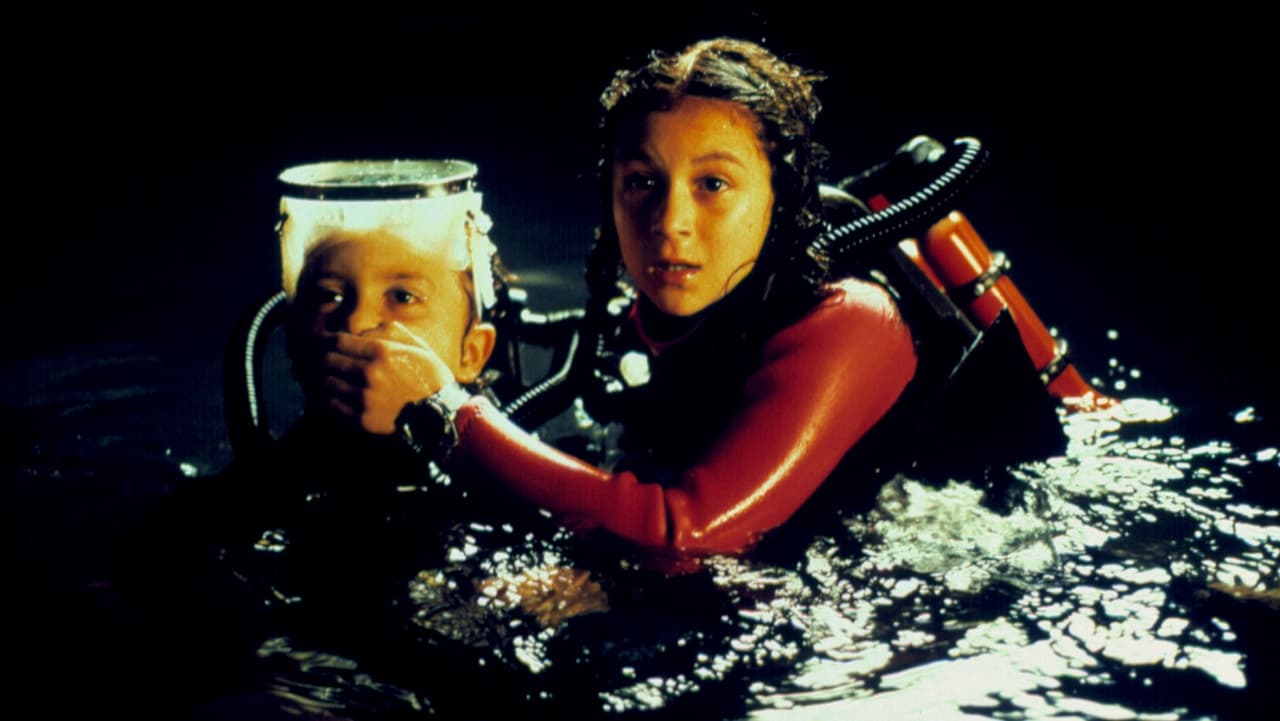
The action choreography is where the film really earns its stripes. Rodriguez treats the set pieces with the same rhythmic intensity he brought to El Mariachi, just replaced the bullets with electrified bubble gum and "sleeping" smoke. The chase sequence through the city with the kids in the "Super Guppy" (a submersible-jet hybrid) is a masterclass in pacing. It manages to feel high-stakes without ever losing its sense of play.
One of the coolest details I learned from the DVD special features is that Robert Rodriguez actually used his own family’s stories to flesh out the script. The names "Carmen" and "Juni" were based on his own siblings, and the "Uncle Machete" character—played by the legendary Danny Trejo—was a nod to the fact that every family has that one relative who is a bit of a mystery. This was the first time we saw Danny Trejo play the character of Machete, years before he’d be hacking through bad guys in the R-rated spin-offs. It’s the most wholesome origin story for a grindhouse icon ever.

The legacy of Spy Kids isn't just the three sequels or the Netflix reboot; it’s the way it empowered a generation of kids to feel like they were the protagonists of their own lives. It was a massive commercial hit, raking in nearly $148 million, and it proved that family movies didn't have to be sanitized or boring. It could be weird, it could be slightly gross, and it could be fiercely original.
Looking back, Spy Kids is a vibrant time capsule of a moment when digital technology was opening doors for directors to build entire universes in their garages. It’s got heart, it’s got gadgets that I still desperately want (that microwave that makes McDonald's-style burgers is the dream), and it features Antonio Banderas being a doting, slightly insecure dad. If you can look past the early-aughts pixels, you’ll find a film that is still more imaginative than half the $200 million blockbusters hitting theaters today. It’s a frantic, colorful, and utterly delightful ride that reminds me why I fell in love with movies in the first place.
Keep Exploring...
-
Spy Kids 2: The Island of Lost Dreams
2002
-
Teenage Mutant Ninja Turtles
1990
-
Osmosis Jones
2001
-

Night at the Museum
2006
-
Teenage Mutant Ninja Turtles II: The Secret of the Ooze
1991
-
Journey to the Center of the Earth
2008
-
Jimmy Neutron: Boy Genius
2001
-

Puss in Boots
2011
-
Men in Black
1997
-

Mystery Men
1999
-
Men in Black II
2002
-
Austin Powers: The Spy Who Shagged Me
1999
-

Machete
2010
-
Teenage Mutant Ninja Turtles
2014
-
Bean
1997
-

George of the Jungle
1997
-
Johnny English
2003
-
Robots
2005
-

Ice Age: The Meltdown
2006
-
Last Action Hero
1993