The Devil's Backbone
"The dead don’t want your soul; they want justice."
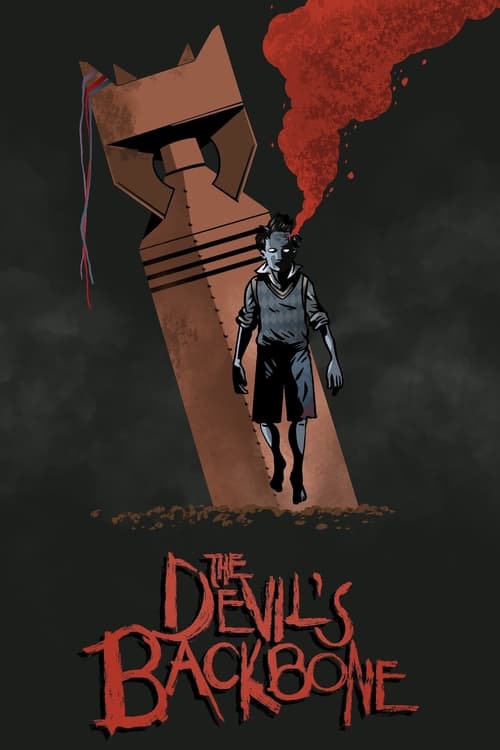
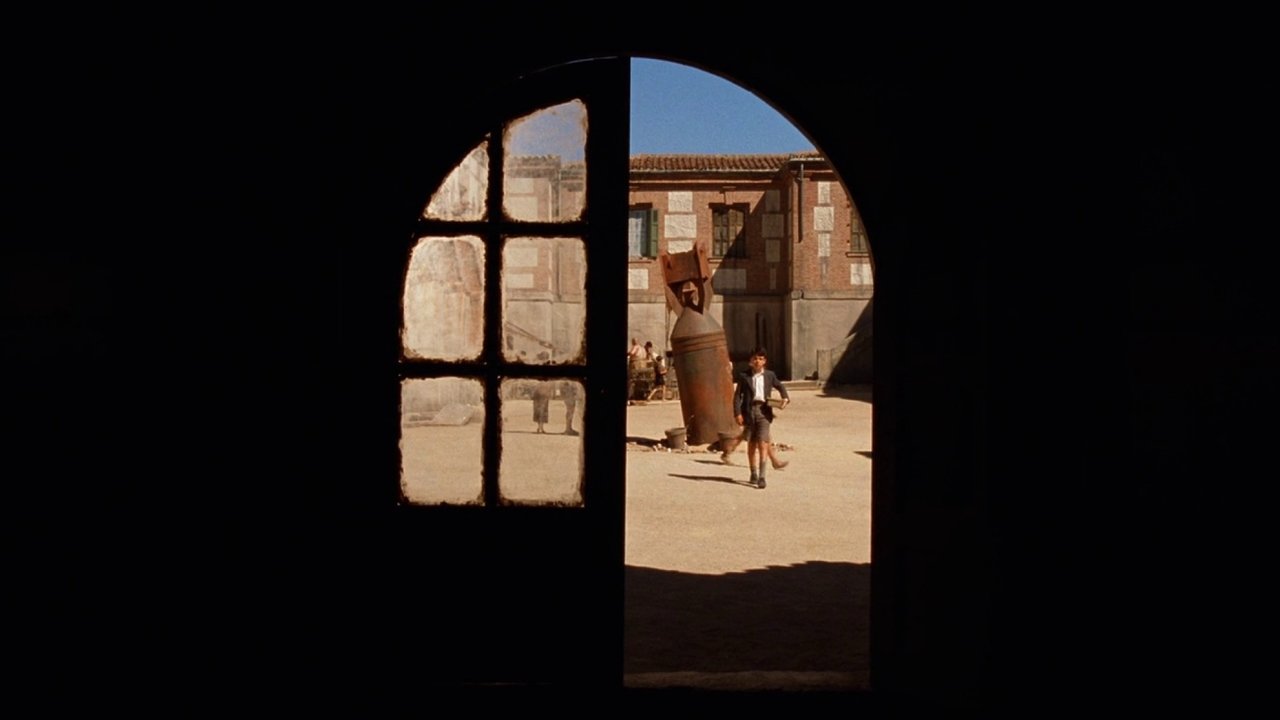
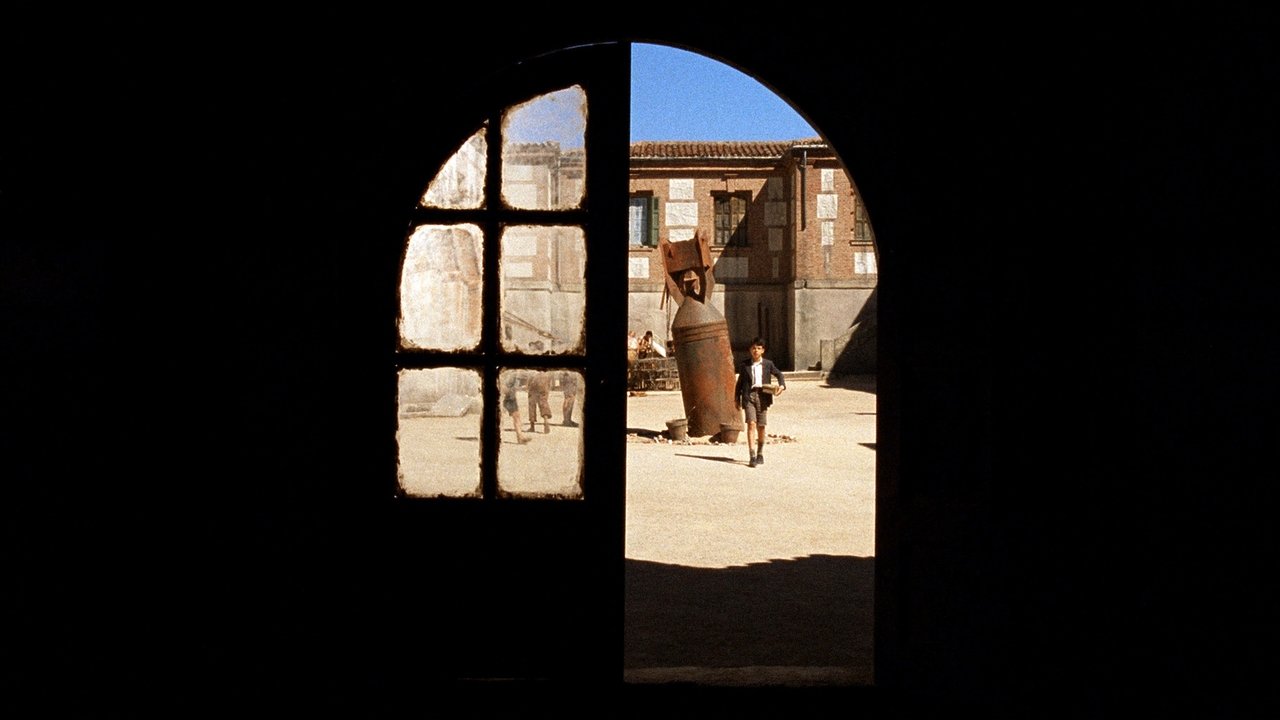
A massive, unexploded bomb sits upright in the middle of a dusty courtyard, ticking—or maybe just humming—with the threat of a war that has already been lost. It’s 1939, the final gasp of the Spanish Civil War, and this dormant leviathan is the first thing young Carlos sees when he arrives at the Santa Lucía orphanage. It is the perfect Guillermo del Toro image: a heavy, rusting piece of history that refused to go off, casting a long shadow over a group of children who have already been abandoned by the world.
I watched this last Tuesday while struggling to finish a bowl of cold gazpacho that had way too much garlic, and the sharp, stinging bite of the food felt oddly appropriate for the movie’s atmosphere. This isn't the kind of horror film that relies on a high body count or cheap thrills. It’s a "Gothic Western" that trades in the currency of sighs, shadows, and the suffocating heat of the Spanish desert.
The Human Monster and the Sad Ghost
While many know Guillermo del Toro for his Oscar-winning The Shape of Water (2017) or the dark fairy tale Pan’s Labyrinth (2006), The Devil's Backbone is arguably his most disciplined and piercing work. It functions as a "rhyming" prequel to Pan’s Labyrinth, focusing on the boys of the war rather than the girls, but the stakes here feel more grounded, more agonizingly real.
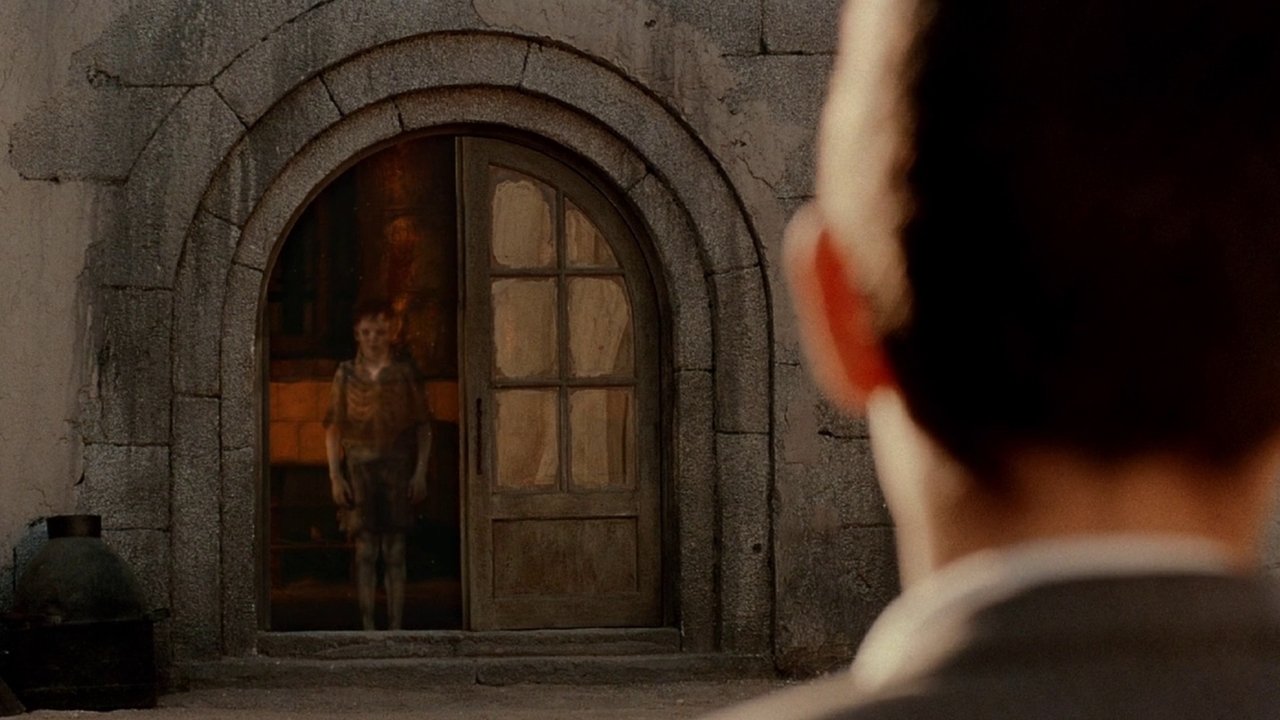
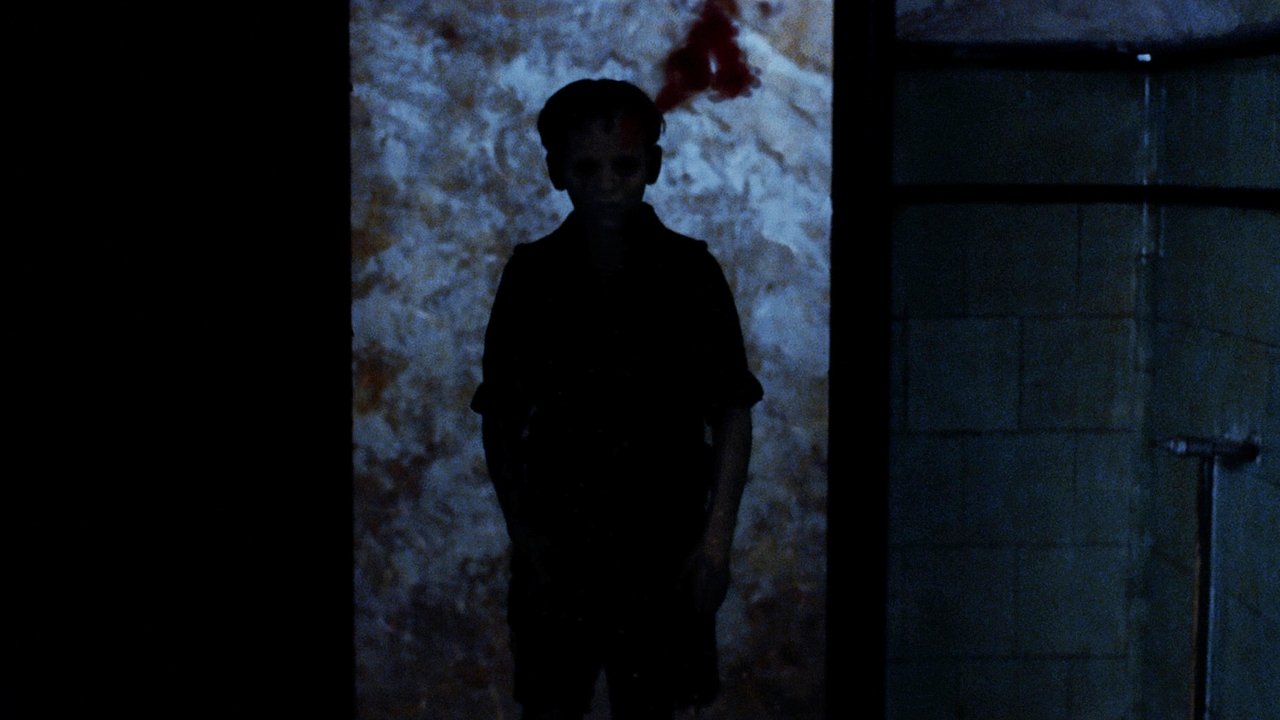
The ghost in question is Santi, a pale, porcelain-cracked boy who sighs "many of you will die" to anyone brave enough to listen. But the true terror isn't the spirit in the basement. It’s Jacinto, played with a simmering, pathetic cruelty by Eduardo Noriega. Jacinto is a former ward of the orphanage who never truly left, a man consumed by the rumors of gold hidden within the walls. Jacinto is far more terrifying than the ghost because his malice is so deeply human—he is the byproduct of a war that turns men into scavengers.
The children, led by Fernando Tielve as the observant Carlos and Íñigo Garcés as the hardened Jaime, provide the film’s emotional spine. Seeing their innocence curdle into a survivalist instinct is heartbreaking. They are guided by the aging Dr. Casares (Federico Luppi, a Del Toro mainstay who also starred in Cronos) and the stern, one-legged Carmen (Marisa Paredes). Their relationship is one of the most moving "old-age romances" I’ve ever seen on screen—two weary souls trying to maintain a shred of dignity while the fascists close in.
The Craft of a Lingering Haunting
Looking back at 2001, we were in a strange transitional period for special effects. We were seeing the birth of massive CGI spectacles, yet Guillermo del Toro leaned heavily into the practical artistry that would become his trademark. The design of Santi is a masterclass in "less is more." His head continuously "bleeds" upwards, a trail of red vapor floating into the air as if he were perpetually underwater. It’s an effect that hasn't aged a day because it’s tied to the character’s tragic end rather than a desire to show off tech.
The cinematography by Guillermo Navarro (who later shot Pacific Rim) bathes the orphanage in sepia tones and deep, ink-black shadows. Every frame feels like an old, stained photograph you found in an attic. It’s beautiful, but it’s an oppressive beauty. You can almost feel the grit of the sand in your teeth and the sweat on the characters' brows. The score by Javier Navarrete avoids the bombast of typical horror, opting instead for a melancholy, music-box quality that emphasizes the "childhood interrupted" theme.
From the Almodóvar Brothers to the World

One of the coolest details about this film’s journey is that it was essentially a "rescue" project. Del Toro had written the script fifteen years earlier but couldn't get it made in Mexico. It wasn't until the Almodóvar brothers (Agustín and Pedro) stepped in to produce it through their company, El Deseo, that the film found its footing in Spain. This partnership allowed Del Toro the creative freedom to make a film that was unapologetically political, deeply weird, and profoundly sad.
I’ve always maintained that this is Guillermo del Toro's best film, and I’ll fight anyone who says it’s Pan’s Labyrinth. While Pan has the bigger budget and the iconic Pale Man, The Devil's Backbone feels more intimate and its metaphors more biting. It’s a film that understands that a ghost isn't just a monster; it’s an event forced to repeat itself. Like the unexploded bomb in the courtyard, the past doesn't just go away—it waits for someone to trip the wire.
The Devil's Backbone is a rare horror film that leaves you feeling more thoughtful than frightened. It captures that specific 2000s indie energy where a director's vision was allowed to be messy, poetic, and uncompromisingly dark. It’s a ghost story for people who know that the living are the ones you really have to worry about. If you’ve skipped this in favor of Del Toro's bigger Hollywood fare, go back and find this one; it’s the skeleton key to his entire career.
Keep Exploring...
-
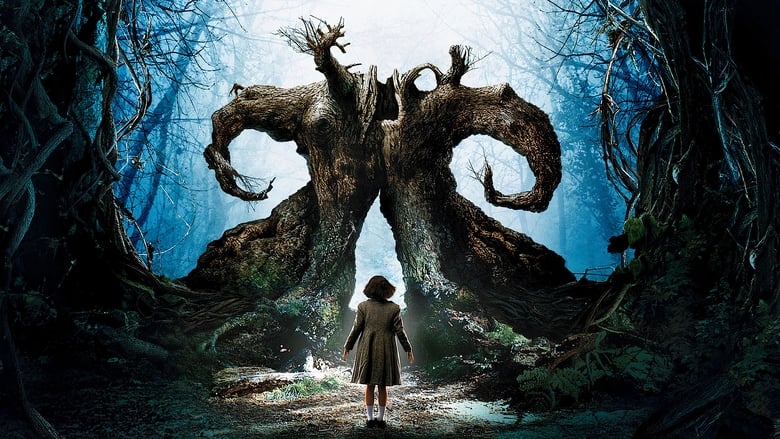
Pan's Labyrinth
2006
-

Inland Empire
2006
-

Blade II
2002
-
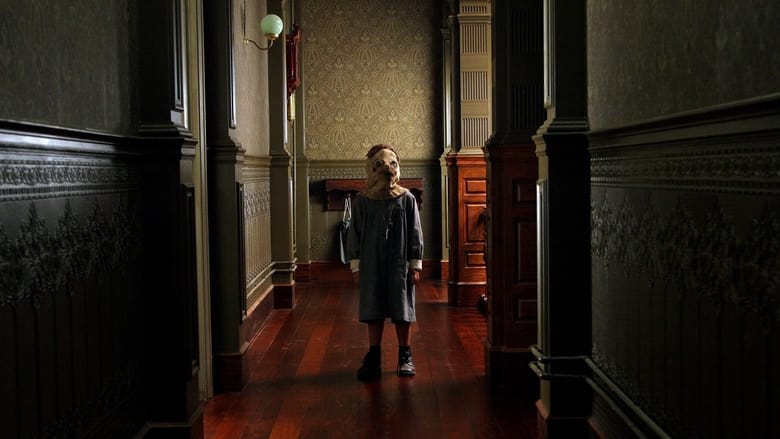
The Orphanage
2007
-
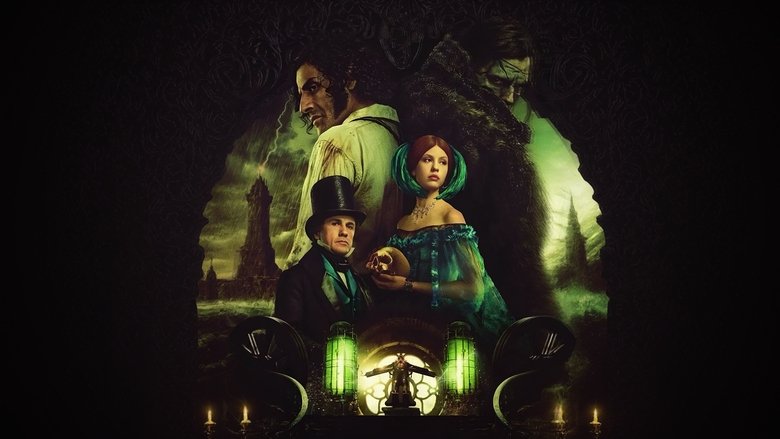
Frankenstein
2025
-
Open Your Eyes
1997
-

Ginger Snaps
2001
-
Funny Games
1997
-
Sleepy Hollow
1999
-
The Illusionist
2006
-
Bound
1996
-
Pi
1998
-
Ring
1998
-
Run Lola Run
1998
-
Following
1999
-
Amores Perros
2000
-
Audition
2000
-
Battle Royale
2000
-
Irreversible
2002
-

Sympathy for Mr. Vengeance
2002