The Experiment
"The bars are in your head."
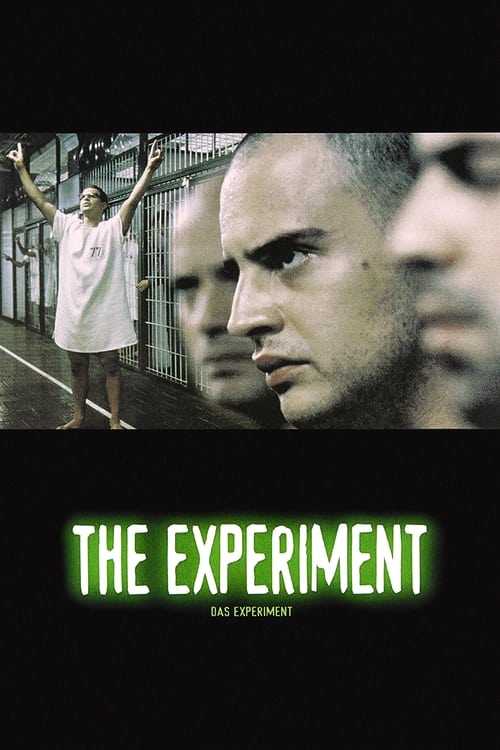
I watched The Experiment (2001) for the first time on a laptop with a dying battery while sitting in a drafty library basement. Looking back, the literal ticking clock of my power cord and the flickering fluorescent lights above me probably did more to enhance the film's oppressive atmosphere than any 4K home theater setup ever could. By the time the credits rolled, I was sitting in the dark, staring at a black screen, feeling genuinely rattled.
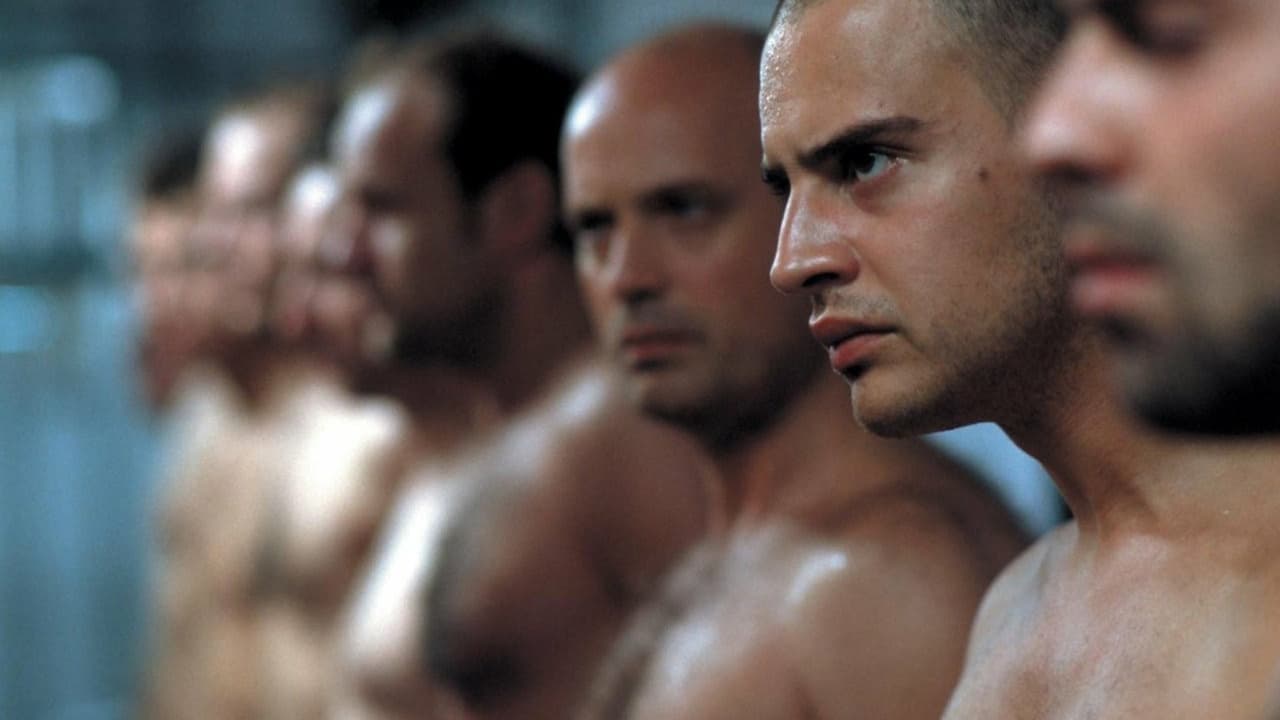
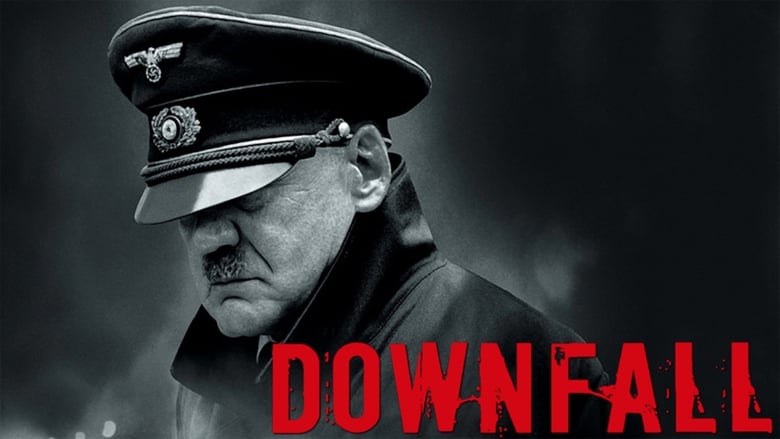
This is a film that demands that kind of visceral reaction. While American audiences might be more familiar with the 2010 remake starring Adrien Brody, the original German production—Das Experiment—is the one that actually leaves a mark. Directed by Oliver Hirschbiegel (who would later give us the claustrophobic brilliance of Downfall), this is a masterclass in how to escalate tension until the air in the room feels too thin to breathe.
The Anatomy of a Collapse
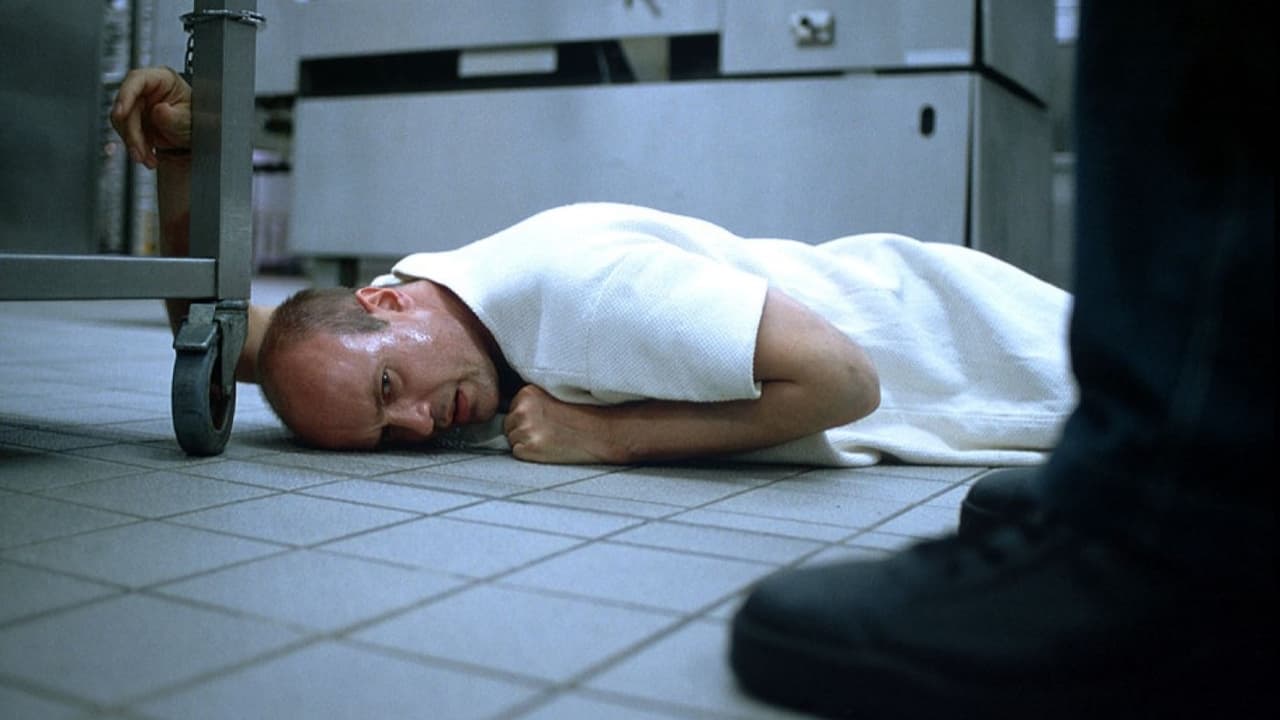
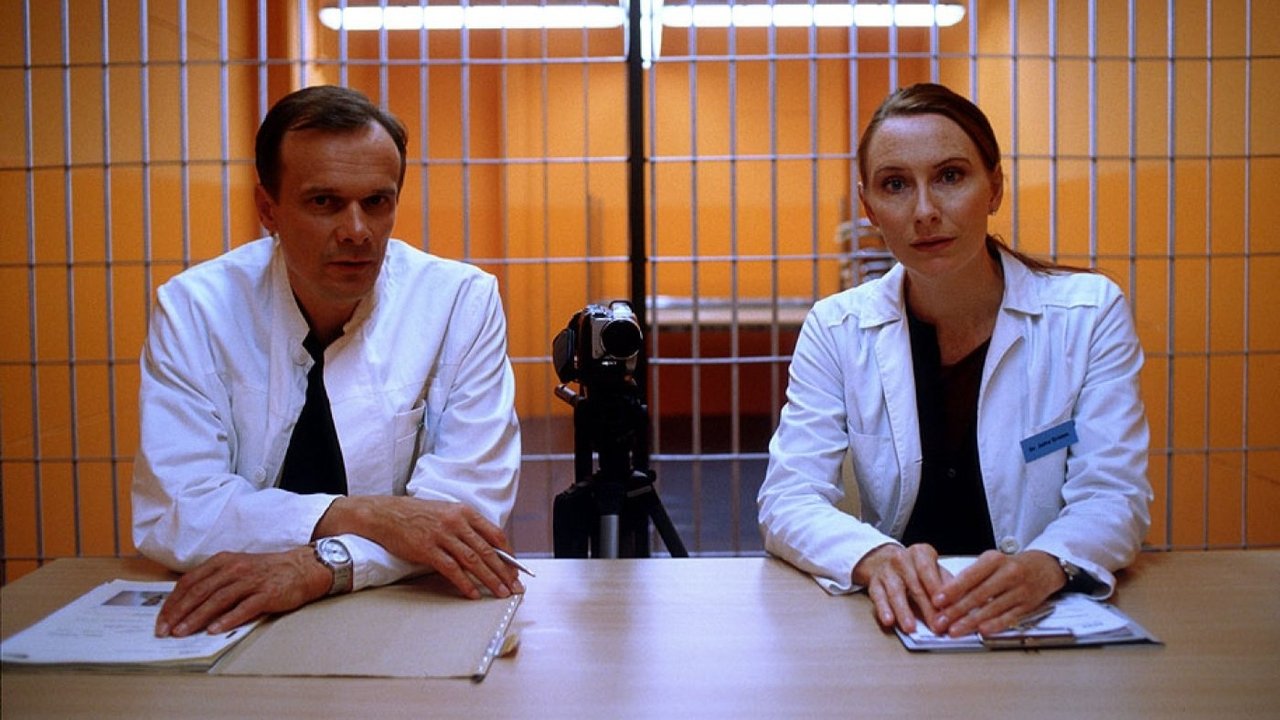
The setup is deceptively simple: 20 men are paid to live in a mock prison for two weeks. Twelve are prisoners, eight are guards. They’re told to follow basic rules, and violence is strictly forbidden. We follow Tarek Fahd, played with a charismatic, cocky energy by Moritz Bleibtreu, a taxi driver and journalist who smells a Pulitzer-level scoop. Tarek enters the simulation as a provocateur, thinking he can manipulate the situation for a better story.
The tragedy of the film is watching that confidence evaporate. As the guards, led by the seemingly mild-mannered Berus (Justus von Dohnányi), realize that the "peace" of the prison depends on their dominance, the social contract shreds. Justus von Dohnányi gives a performance that honestly still haunts me; he doesn't play a monster, but a bureaucratic middle-manager who finds his calling in cruelty. He is the personification of the "banality of evil," and his transformation from a quiet man with a clipboard into a sadistic architect of humiliation is far scarier than any slasher villain.
The 2010 remake is basically a sanitized theme park ride compared to the raw, psychological rot on display here. Hirschbiegel doesn’t rely on jump scares or stylized action. He relies on the sound of a buzzer, the sight of a man being forced to clean a toilet with his bare hands, and the slowly mounting silence of men who have forgotten they are part of a game.
A Relic of the Analog-Digital Bridge
Released in 2001, The Experiment sits at a fascinating crossroads in cinema history. It was part of that early 2000s wave of gritty, high-concept European thrillers that started finding international audiences through the burgeoning DVD market. This was before the MCU-style "everything is a franchise" mentality took over. It feels like a product of its time—shot on film with a color palette that favors sickly greens and cold blues, capturing that Y2K-era anxiety about technology and institutional control.
The film also deals with the emergence of the "hidden camera" culture. Tarek has a camera hidden in his glasses, a piece of tech that felt cutting-edge in 2001 but now looks like a charming antique. Yet, the theme remains evergreen: the idea that we act differently when we know we're being watched, and even more differently when we think we can get away with anything. It’s a pre-social media look at how quickly a "persona" can consume a human being.
Why It Vanished (And Why You Should Find It)
Despite being a massive hit in Germany and a critical darling on the festival circuit, the film has somewhat faded into that "obscure gem" category for modern English-speaking viewers. Part of this is the "Remake Curse"—once a Hollywood version exists, the original often gets buried in streaming algorithms. Another factor is the film’s sheer intensity. It’s not a "fun" Friday night watch. It’s an endurance test.
However, the craft on display here is superior to its successor in every way. The relationship between Tarek and the quiet, traumatized Prisoner 38, played with heartbreaking subtlety by Christian Berkel (Inglourious Basterds), provides the film's moral compass. While the plot eventually spirals into a high-stakes thriller in the third act—perhaps straying a bit from the psychological realism of the first hour—it earns its ending. It forces you to ask: "What would I do?" and then makes you uncomfortable when you realize you don't like the answer.
I usually find that dramas about "the human condition" can be a bit preachy, but Oliver Hirschbiegel avoids the lecture. He just puts you in the cell, locks the door, and lets you watch the inmates lose their minds.
The Experiment is a bruising, essential piece of early 2000s cinema that deserves a spot on your "to-watch" list, even if you have to hunt for a subtitled copy. It’s a reminder that the most terrifying monsters aren't the ones in the shadows, but the ones sitting across from us in a shared cafeteria, waiting for someone to tell them they’re in charge. Just make sure your laptop is plugged in before you start—you won't want to move once the psychological screws start turning.
Keep Exploring...
-
Downfall
2004
-
Black Book
2006
-
The Rainmaker
1997
-
A Simple Plan
1998
-
Arlington Road
1999
-
The Insider
1999
-
The Last Castle
2001
-
Infernal Affairs
2002
-
The Count of Monte Cristo
2002
-
I'm Not Scared
2003
-
Matchstick Men
2003
-
The Consequences of Love
2004
-
The Phantom of the Opera
2004
-
Caché
2005
-
Lady Vengeance
2005
-
The Protector
2005
-
Inland Empire
2006
-
Tell No One
2006
-
Undisputed II: Last Man Standing
2006
-
United 93
2006