The Fast and the Furious
"Loyalty is a dangerous road."
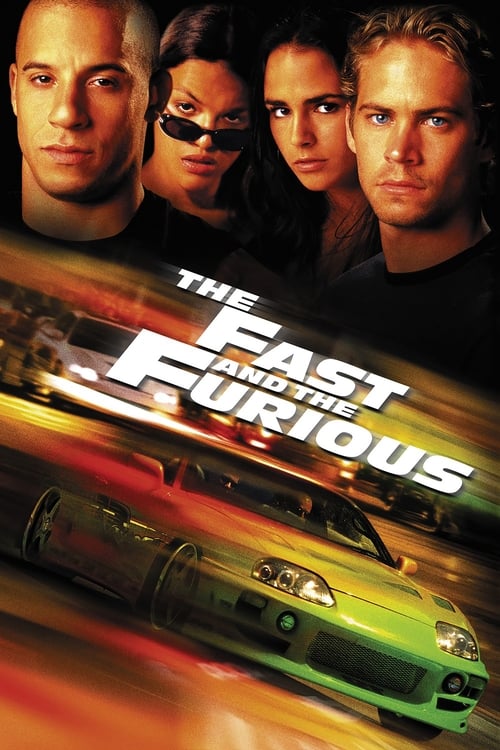
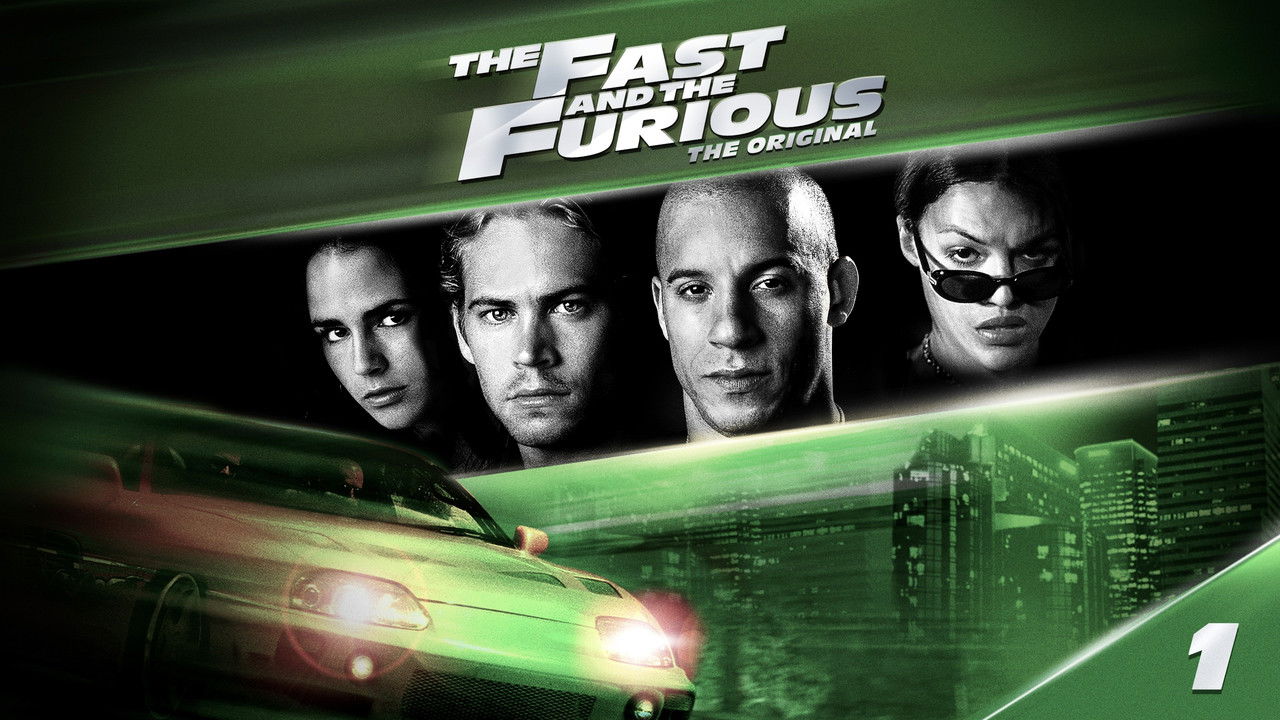
The sound of a high-revving engine in a dark L.A. parking lot doesn’t sound like a billion-dollar franchise anymore; it sounds like a threat. Long before the tanks, the skydiving cars, and the "family" memes turned this series into a digital superhero soap opera, there was a lean, oily, and surprisingly mean-spirited crime thriller called The Fast and the Furious. It’s easy to forget that this wasn't originally about saving the world. It was about a group of grease monkeys hijacking semi-trucks to steal combination TV/VCR players.

I watched this recently on a humid Tuesday night while eating a bowl of cereal that had gone slightly soggy, and the atmosphere of the film—that thick, smoggy Los Angeles heat—seemed to bleed right off the screen. It reminded me that before the polish of the modern blockbusters took over, this era of filmmaking still had some dirt under its fingernails.
The Grime Beneath the Neon
While we often associate this film with the neon-underglow aesthetics of the Y2K era, the screenplay by David Ayer (who would later give us the gritty Training Day) and Gary Scott Thompson keeps the stakes uncomfortably grounded. There’s a weight to the world Rob Cohen builds here. This isn't a playground; it’s a subculture of people living on the margins, where a botched heist doesn't result in a witty quip, but in Chad Lindberg’s Jesse getting gunned down in a driveway.
The tension between Paul Walker’s Brian O’Conner and Vin Diesel’s Dominic Toretto works because it’s built on a foundation of genuine deception. Walker, with his "California Golden Boy" energy, plays the undercover cop with a believable level of internal conflict. You can see him gradually realizing that the "bad guys" have a stronger moral code than his own superiors at the LAPD. Diesel, meanwhile, provides a gravity that he arguably never quite captured again. His Dom Toretto is a man who knows he’s a dinosaur—a relic of a manual world in a rapidly digitalizing age. Dominic Toretto’s "quarter mile at a time" philosophy is actually a pretty bleak way to live when you realize it’s a coping mechanism for a man who can’t look at his own past.
Asphalt and Real Consequences
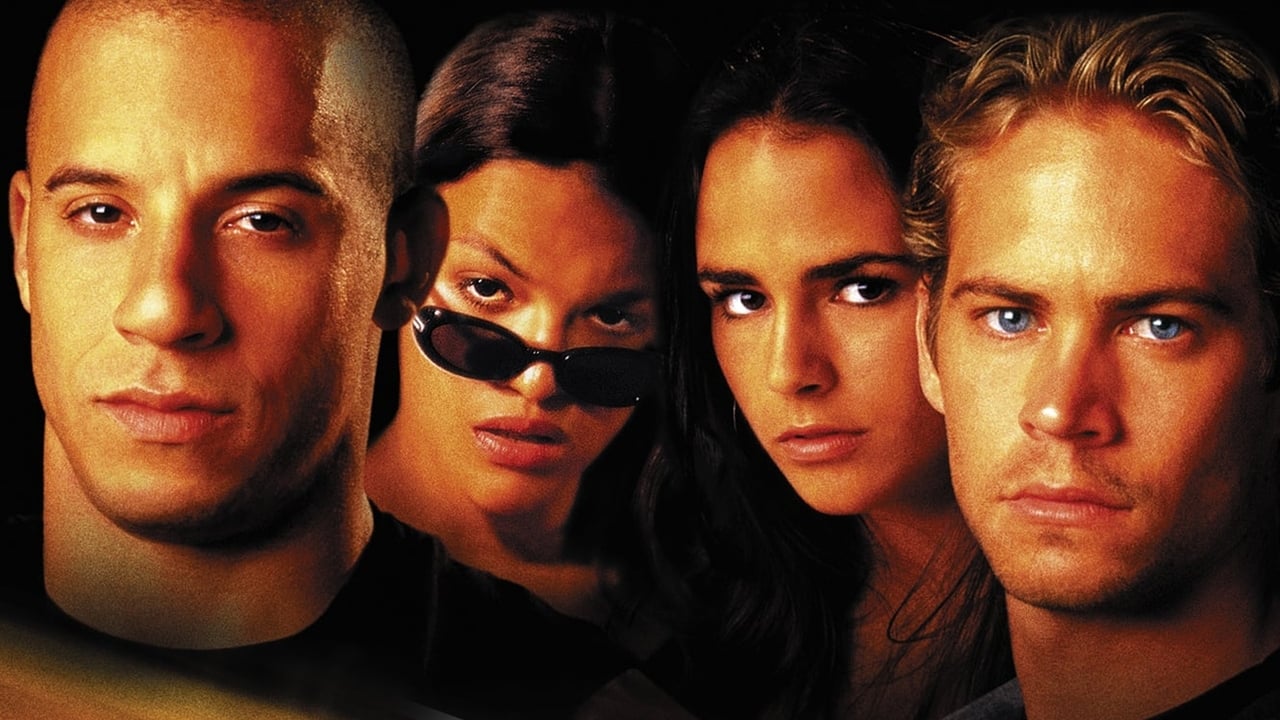
The action in this first installment hits differently because it’s largely practical. We are so used to the CGI-heavy physics of the later entries that seeing a real Dodge Charger pull a wheelie or a stuntman actually hanging off the side of a moving big-rig feels genuinely perilous. The cinematography by Ericson Core uses a lot of "shaky cam" and high-shutter-speed effects that were popular at the time, but here they serve to make the cars feel like heavy, vibrating death machines rather than smooth digital assets.
The final chase sequence remains a masterclass in escalating tension. When Rick Yune’s Johnny Tran shows up on a motorbike, it’s not a cartoonish villain appearance; it feels like a genuine eruption of street-level violence. There is no safety net for these characters. The fact that they were hijacking trucks for Panasonic DVD players is the most 2001 thing imaginable, yet the movie treats it with the same level of intensity as a high-stakes gold heist. It respects the hustle, even if the "loot" has aged poorly.
A Cultural Earthquake
Looking back, the financial impact of this film is staggering. Produced for a modest $38 million, it raked in over $207 million worldwide, proving that there was a massive, underserved audience hungry for car culture and diverse casting. Before the "Fast Saga" became a corporate juggernaut, it was a risky indie-spirited gamble.
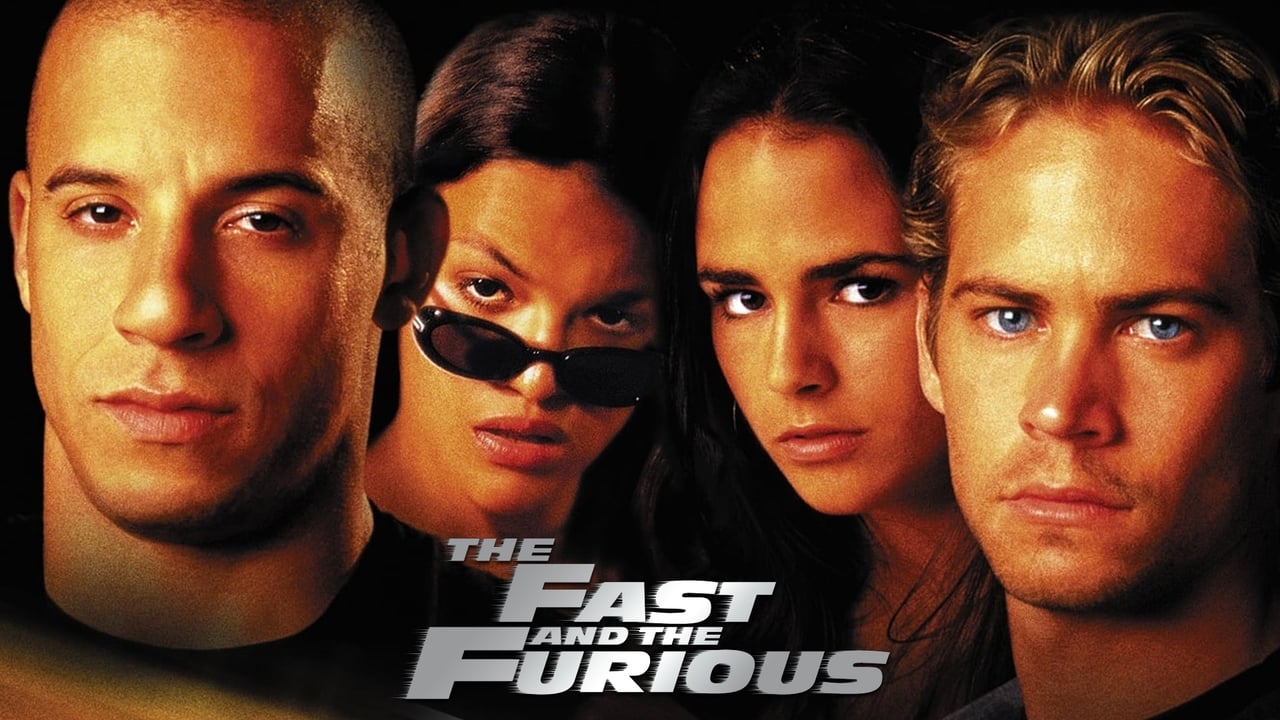
The production was famously inspired by a Vibe magazine article titled "Racer X," and that journalistic root gives the film its texture. It’s a snapshot of a very specific moment in time—the transition from the analog 90s to the tech-obsessed 2000s. Interestingly, Michelle Rodriguez and Jordana Brewster didn't even have driver's licenses when they were cast, requiring them to take a crash course in performance driving. That lack of familiarity actually adds to the nervous energy of the female leads; they look like they’re holding onto the steering wheels for dear life, which, in Letty’s case, she often was.
The original The Fast and the Furious is a far more somber experience than its sequels would suggest. It’s a story about the heavy price of belonging and the inevitable collision between duty and desire. While some of the early 2000s tech and fashion choices might raise a smirk today, the core of the film—the grease, the sweat, and the sound of a shifting gearbox—remains undeniably effective. It’s a reminder that sometimes the most enduring franchises start not with a bang, but with a desperate, high-speed gear change.
Keep Exploring...
-
Fast Five
2011
-
2 Fast 2 Furious
2003
-
Fast & Furious
2009
-
Fast & Furious 6
2013
-
Furious 7
2015
-

The Fast and the Furious: Tokyo Drift
2006
-
Fast X
2023
-
F9
2021
-
The Fate of the Furious
2017
-
xXx
2002
-

Kill Bill: Vol. 2
2004
-
From Dusk Till Dawn
1996
-
The Boondock Saints
1999
-
Undisputed II: Last Man Standing
2006
-
United 93
2006
-

The Equalizer
2014
-
S.W.A.T.
2003
-

The Negotiator
1998
-
The Protector
2005
-
Running Scared
2006