The Glass House
"Transparency is a lie, and the rent is a killer."
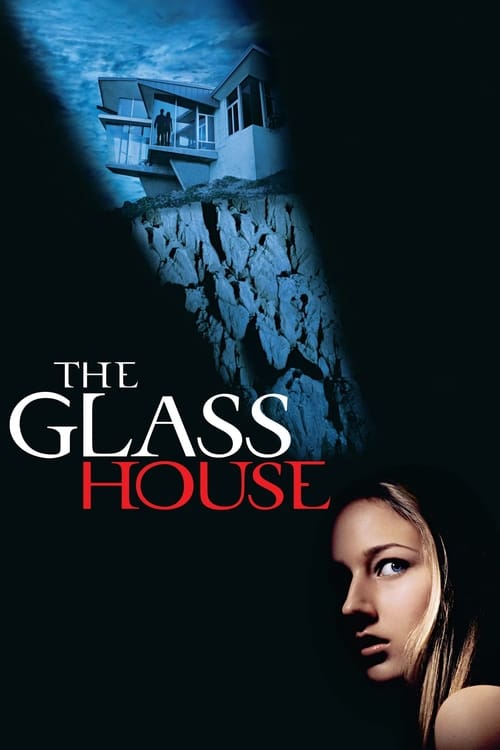
There is a specific kind of architectural anxiety that only exists in Southern California: the fear that your multi-million dollar masterpiece of steel and glass is actually just a very expensive cage. I first encountered The Glass House during a rainy weekend in 2002, watching a rented DVD while eating a bag of slightly stale pretzel sticks I found in the back of the pantry. The pretzels were mediocre, but the movie’s sleek, cold aesthetic felt oddly satisfying in that "guilty pleasure" way that only turn-of-the-millennium thrillers can provide.
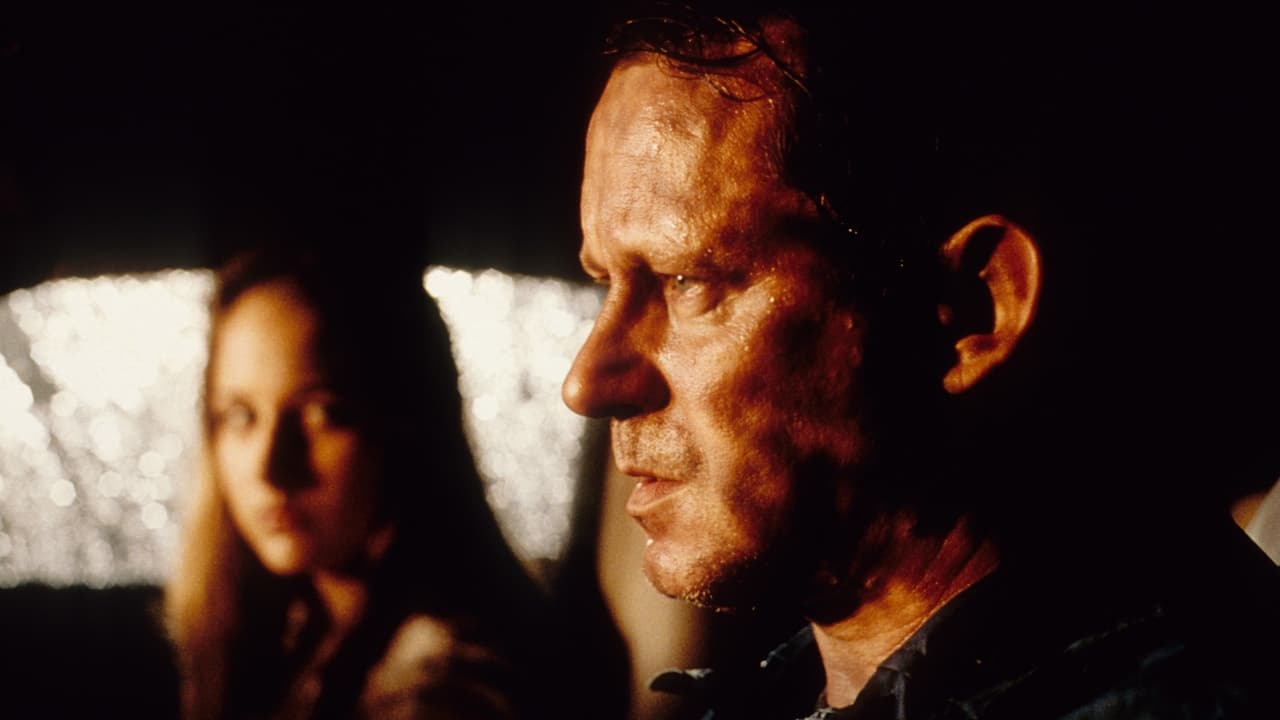
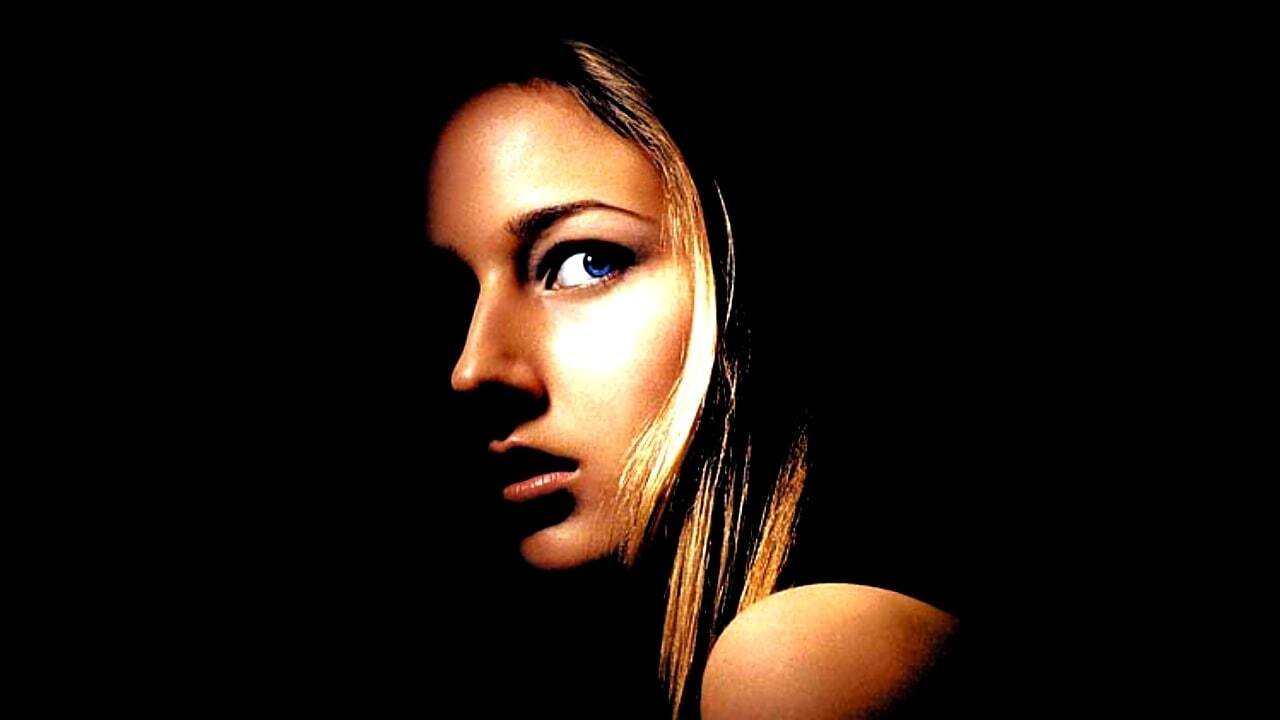
Released on September 14, 2001, this movie had the worst timing in cinematic history. As the world reeled from the events of 9/11, nobody was particularly interested in a stylish thriller about two orphans being terrorized by their shady guardians in a Malibu fortress. It sank at the box office, and while it found a second life on cable rotations, it’s mostly remembered now—if it’s remembered at all—as that movie where Leelee Sobieski looked exactly like Helen Hunt.
A Masterclass in Voyeuristic Dread
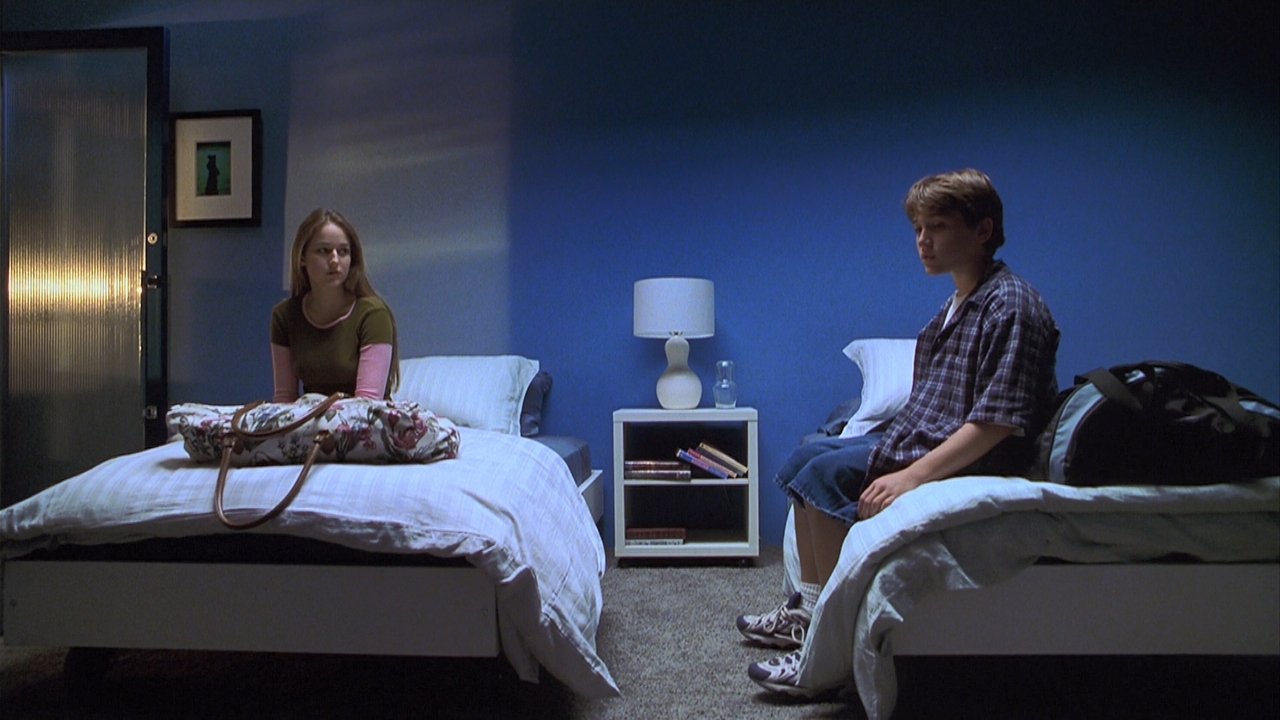
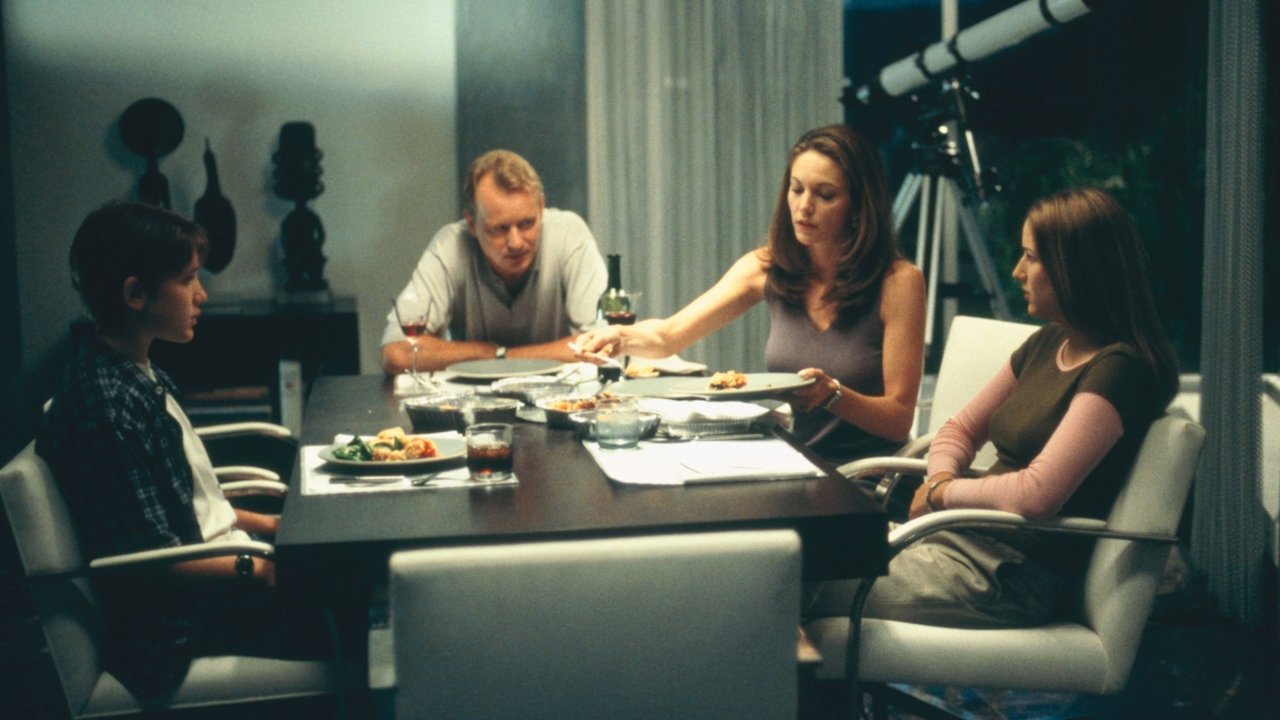
The plot kicks off when Ruby (Leelee Sobieski) and her younger brother Rhett (Trevor Morgan) lose their parents in a suspicious car accident. They are whisked away to live with the Glasses—Terry (Stellan Skarsgård) and Erin (Diane Lane) —family friends who live in a house that looks like a high-end aquarium. Director Daniel Sackheim, making his feature debut after cutting his teeth on The X-Files, knows exactly how to make a beautiful space feel hostile.
The house itself is the real star. It’s all sharp angles, reflective surfaces, and a complete lack of doors. For a teenage girl like Ruby, it’s a nightmare of surveillance. The cinematography by Alar Kivilo captures the way the glass reflects the Pacific Ocean while simultaneously trapping the kids inside. I found myself checking my own windows halfway through, even though I live in a place where the most exciting thing outside is a neighbor’s recycling bin. The film taps into that Y2K-era tech anxiety where everything is visible but nothing is clear.
Skarsgård’s Creep Factor and Lane’s Wasted Grace
If you need someone to play a guy who is charmingly supportive one minute and "I might sell your organs to pay off a gambling debt" the next, you hire Stellan Skarsgård. He is magnificent here, leaning into a sleazy, sweaty desperation that makes your skin crawl. He plays Terry Glass with a forced joviality that barely masks the monster underneath. Stellan Skarsgård manages to make even a simple offer of a protein shake feel like a threat.
On the other hand, we have Diane Lane, who is frankly overqualified for this. She plays Erin, a doctor with a secret drug habit, and while she brings a haunting, hollowed-out sadness to the role, the script doesn’t give her enough to do. It’s a recurring theme in early 2000s thrillers—take a powerhouse actress and give her a "troubled wife" trope. The most realistic part of the movie is a teenager being annoyed that her younger brother is playing video games too loud while the world collapses around them.
The script, penned by Wesley Strick (who also wrote the Cape Fear remake), follows a very predictable trajectory. You know Terry is the villain within five minutes. You know the "accidental" death of the parents wasn't an accident. But there’s a comfort in that predictability. It’s like a "V.C. Andrews" novel updated for the Napster generation. It’s trashy, but it’s expensive trash.
The DVD Era Time Capsule
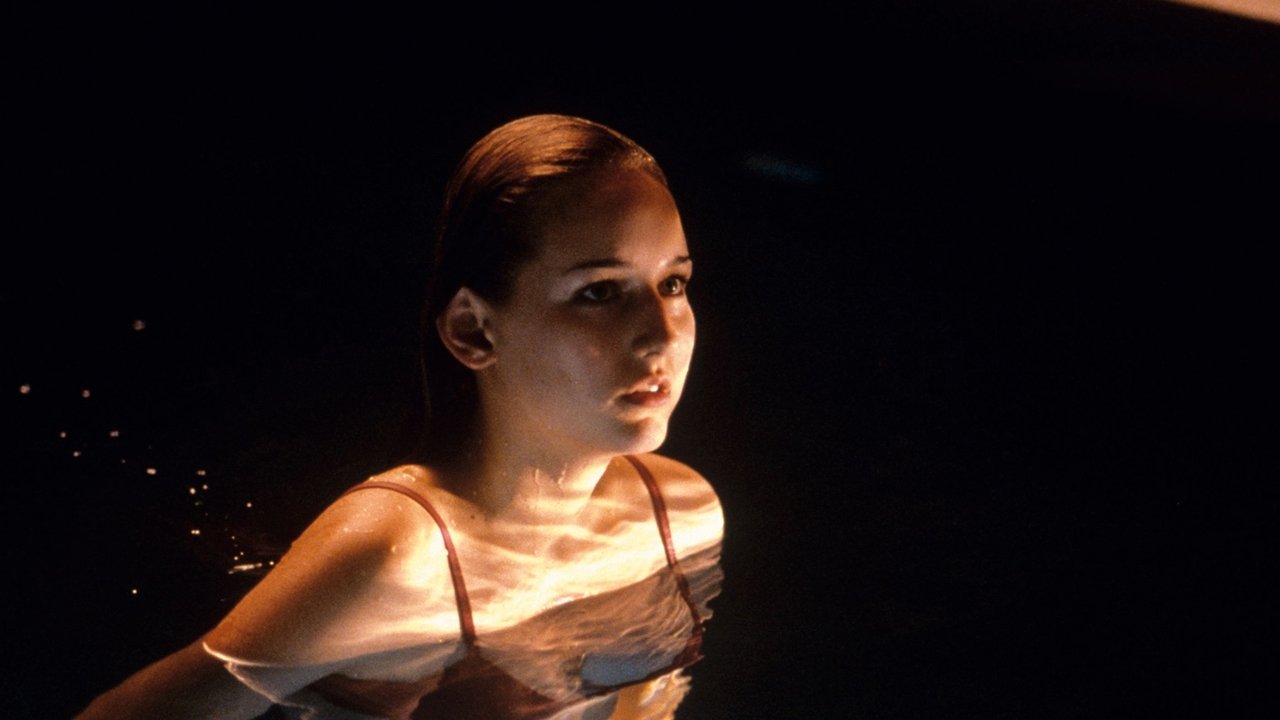
Looking back, The Glass House is a fascinating time capsule of 2001. The technology is ancient—Sony Discman, clunky monitors, and a plot point involving an early version of Google. It belongs to that transition period where the "indie thriller" aesthetic of the 90s was being smoothed over by the high-gloss, corporate sheen of the early 2000s. Original Film, the production company behind The Fast and the Furious, was clearly trying to brand this as a "teen thriller," but it feels much more like a 70s paranoia flick trapped in a pop-star’s body.
The movie’s obscurity is somewhat deserved—it’s not a masterpiece, and the ending feels like it was rewritten five times during a lunch break—but it’s a "good-bad" movie that deserves a revisit. It captures a moment before the MCU took over everything, when studios would still drop $30 million on a mid-budget thriller about a creepy landlord. It’s the kind of film you find on a streaming service at 11 PM and think, "I'll just watch ten minutes," only to find yourself still there an hour later, shouting at Leelee Sobieski to just run out the front door already.
Ultimately, The Glass House is a sleek, voyeuristic exercise that works better as an architectural tour than a taut thriller. It’s held together by Stellan Skarsgård’s delightfully unhinged performance and a palpable sense of unease that the script never quite pays off. It’s perfect for a rainy afternoon when you want to feel better about your own modest, non-glass living arrangements.
Keep Exploring...
-
Kiss the Girls
1997
-
Fallen
1998
-
Wild Things
1998
-

The Gift
2000
-

Behind Enemy Lines
2001
-
Joy Ride
2001
-
Original Sin
2001
-
Enough
2002
-
The Forgotten
2004
-
Walking Tall
2004
-
Derailed
2005
-
The Jacket
2005
-
Alpha Dog
2006
-
Conspiracy Theory
1997
-

The Devil's Own
1997
-
Volcano
1997
-
A Perfect Murder
1998
-
The Siege
1998
-
Double Jeopardy
1999
-
Payback
1999