The Hole
"The truth is a deep, dark place."
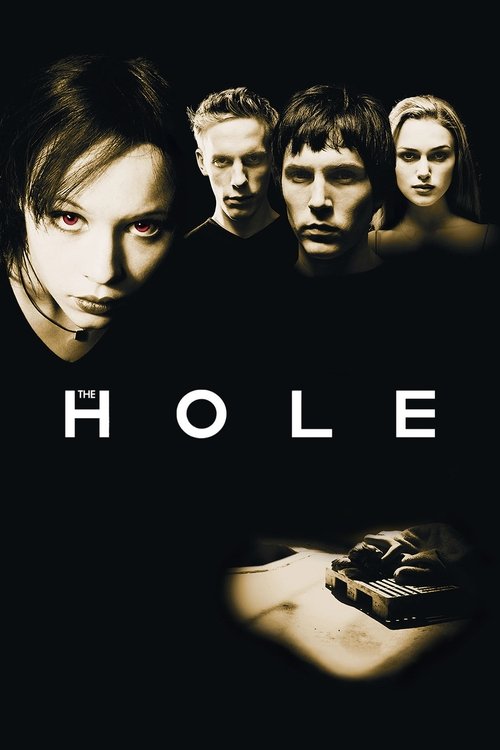
I remember finding The Hole in a bargain bin at a Blockbuster in 2003, back when the "British Invasion" of the early 2000s was just starting to simmer. I watched it in my parents' basement while distracted by a particularly aggressive hangnail I was trying to clip with a pair of blunt school scissors, and yet, the film still managed to make my skin crawl. It’s a movie that perfectly bridges that weird gap between the neon-soaked teen slashers of the late 90s and the grim, "torture-porn" realism that would eventually define horror in the mid-2000s.
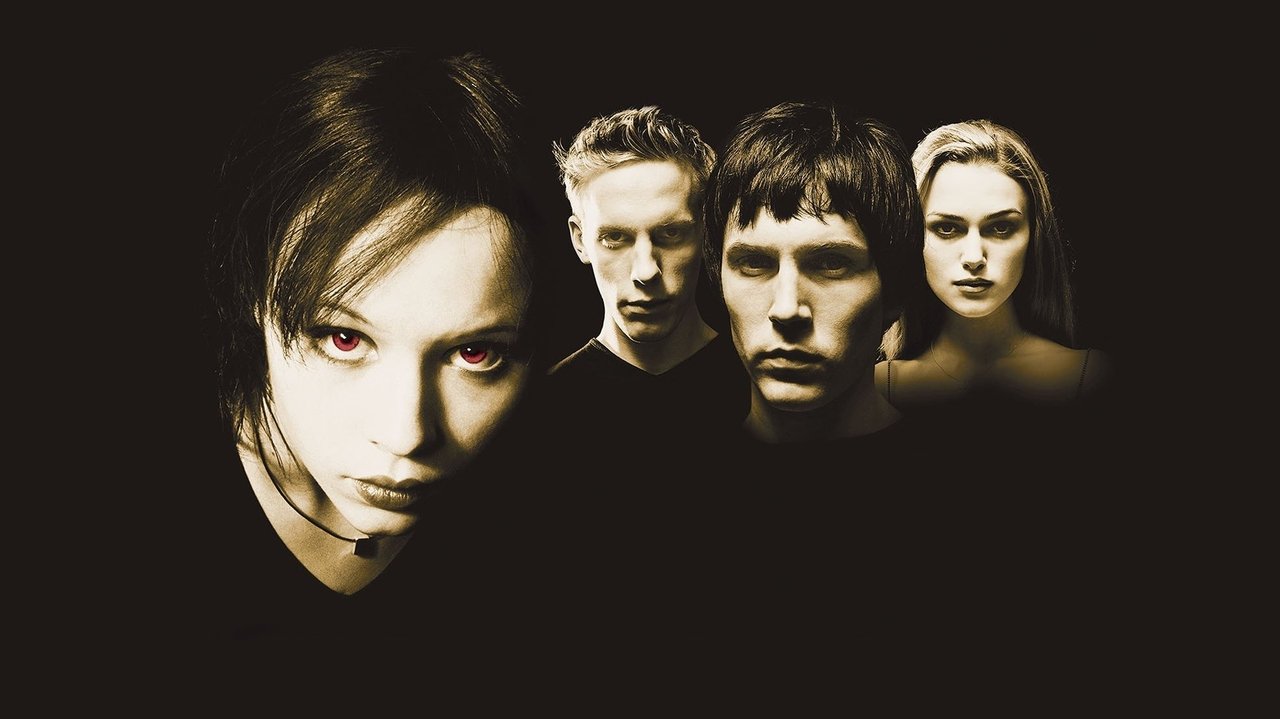
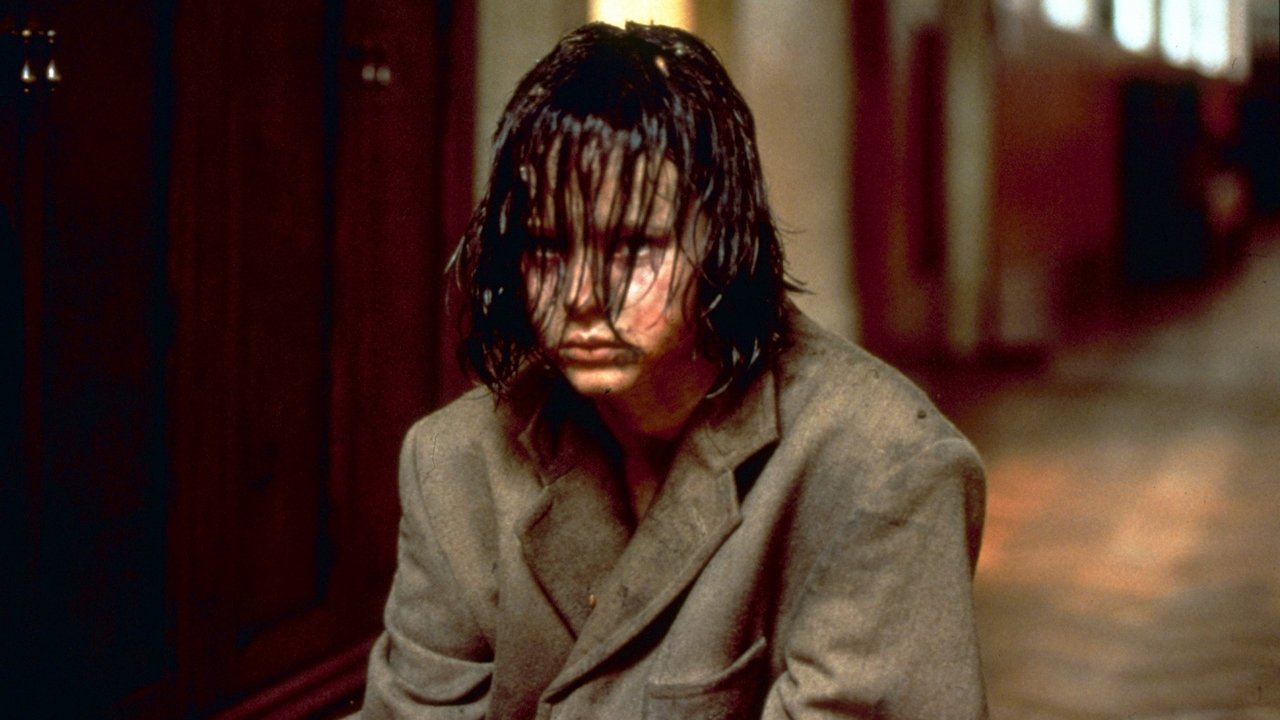
Directed by Nick Hamm (who later gave us Killing Bono), The Hole is essentially Lord of the Flies for the "Cool Britannia" generation. We follow four students from an elite private school—Liz, Mike, Frankie, and Geoff—who decide to ditch a school trip to hide out in a decommissioned underground bomb shelter for three days of partying. When they don't come out after eighteen days, and only one of them emerges alive and traumatized, the film turns into a high-stakes game of "who’s lying?"
The Art of the Unreliable Narrator
What makes The Hole stand out from the Urban Legend or I Know What You Did Last Summer crowd is its structure. It’s a classic "Rashomon" setup. First, we see the "sanitized" version of events as told by Thora Birch’s character, Liz, to a police psychologist played by Embeth Davidtz (Army of Darkness). In Liz’s initial telling, everything is a romanticized tragedy—four friends trapped by a freak accident, bravely facing the dark together.
Then, the floor drops out.
The film shifts gears to show us what actually happened, and it is significantly uglier. The cinematography by Denis Crossan changes subtly, losing the soft, sympathetic glow of Liz’s memory and replacing it with the harsh, cold reality of a concrete box filled with starving, desperate teenagers. Thora Birch, fresh off the success of American Beauty, delivers a performance that is deeply unsettling because of its stillness. She anchors the film’s central question: Is she a victim of a terrible accident, or is she a tactical genius who treats people like disposable chess pieces?
A Time Capsule of Future Icons
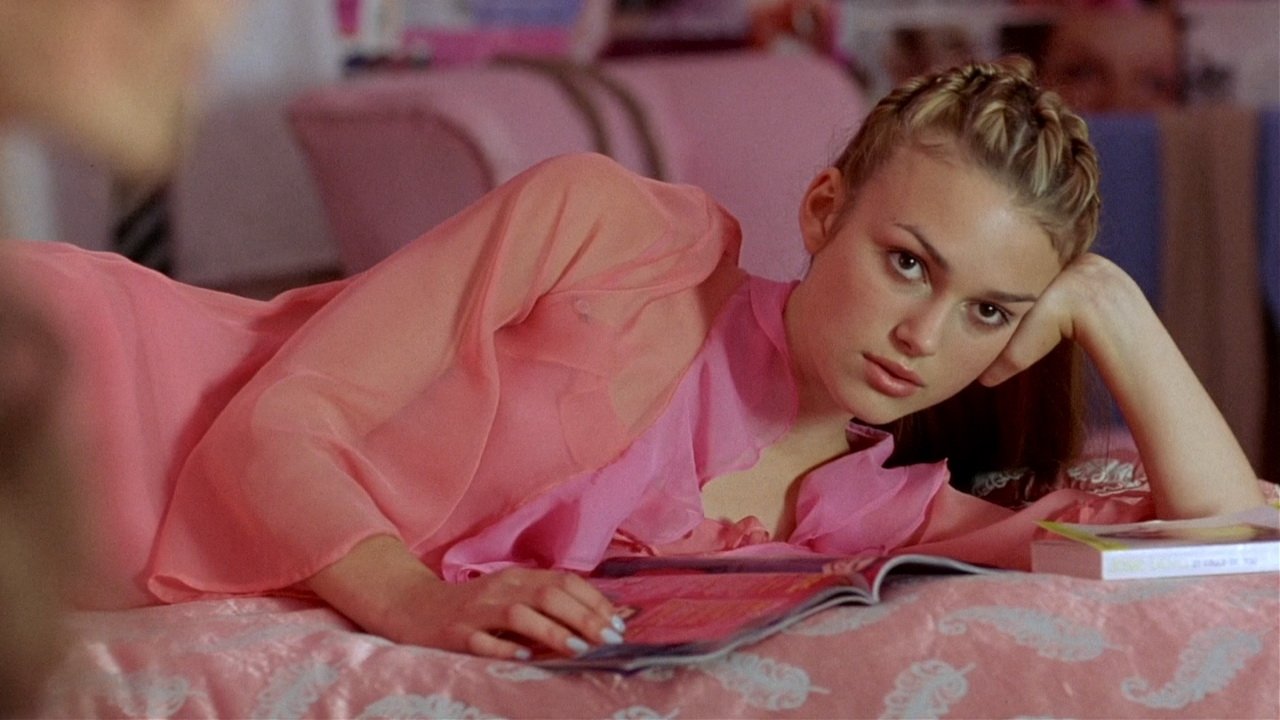
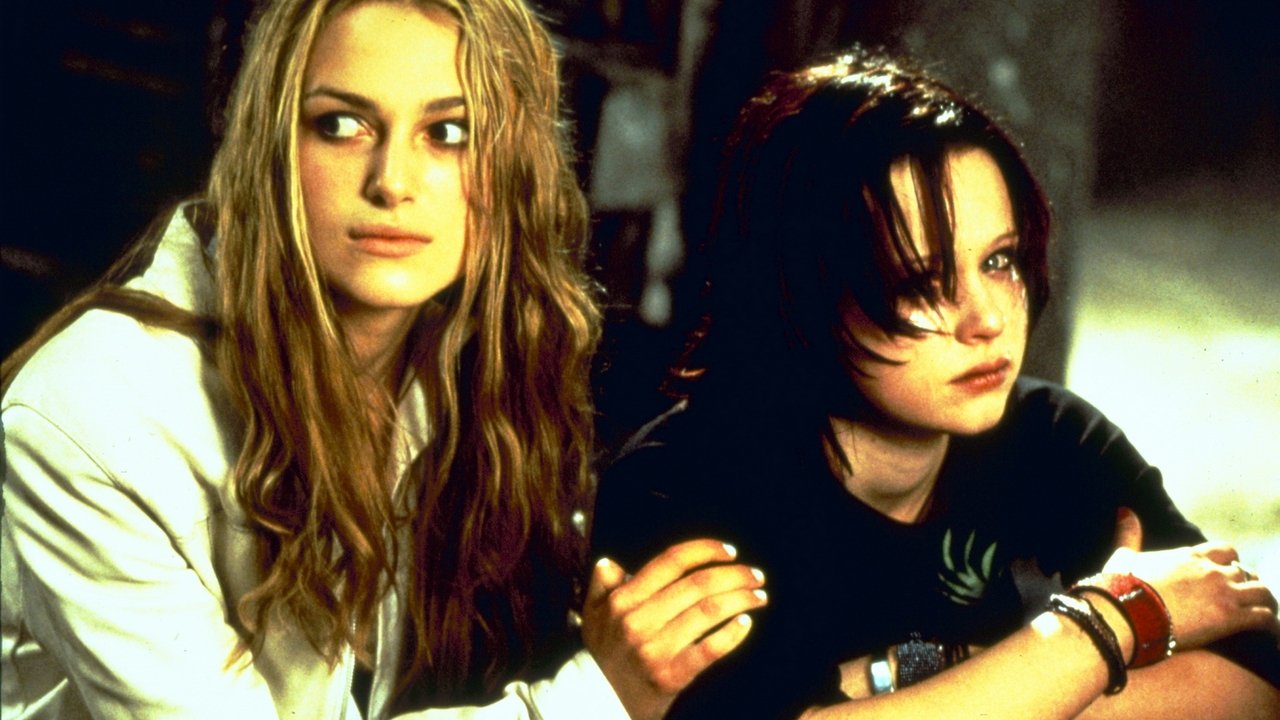
Looking back, The Hole is a fascinating "before they were famous" time capsule. Most notably, we see a teenage Keira Knightley in one of her first major roles as Frankie. This was before the corsets of Pirates of the Caribbean or the soccer cleats of Bend It Like Beckham. Here, she plays the "it-girl" of the school, and she’s surprisingly effective at portraying the transition from arrogant socialite to someone physically and mentally deteriorating.
The cast is rounded out by Desmond Harrington (later of Dexter fame) as the brooding object of Liz’s obsession, and Laurence Fox, who plays the wealthy, entitlement-dripping Geoff. The chemistry between them feels authentic to that specific era of British private school culture—stiff upper lips masking a lot of hormonal rage and class-based resentment.
The production itself was a quintessential UK indie success story. With a budget of just over $4 million, it managed to double its money at the box office, largely because it understood the DVD market of the time. This was a film made for the "special features" era; I remember the commentary track being a staple for horror nerds who wanted to know how they made the makeup effects look so sickly without a Hollywood budget. The makeup team deserves a shout-out for making Keira Knightley look like she’d been dragged through a sewer without it ever feeling like a cheap Halloween mask.
Claustrophobia as a Character
For a horror film that lacks a supernatural monster or a masked killer with a machete, The Hole is remarkably tense. The "threat" is the room itself—and the people inside it. Nick Hamm uses the limited space of the bunker to create a sense of crushing claustrophobia. The score by Clint Mansell (the genius behind Requiem for a Dream) adds a layer of industrial dread that makes even the quiet moments feel like a ticking clock.
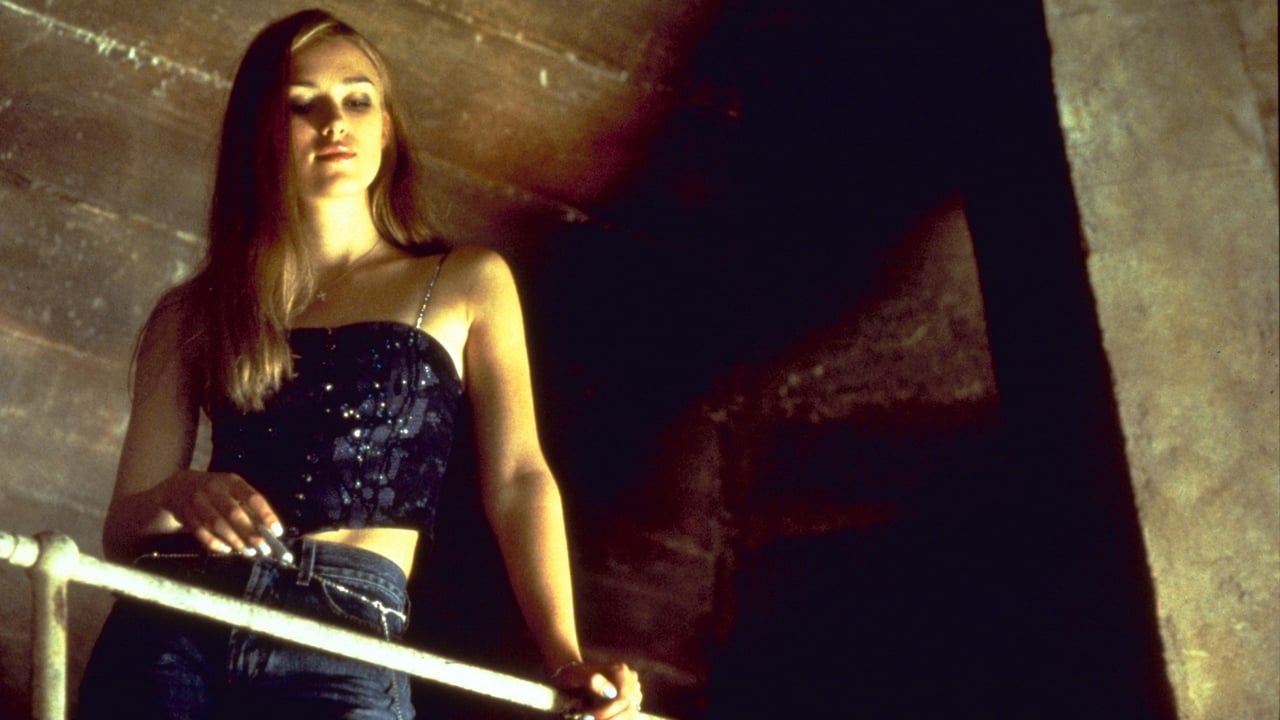
There are no jump scares here. Instead, the horror is psychological. It’s the realization that the most dangerous thing in a locked room isn't the lack of oxygen, but the person you're "crushing" on. It taps into that specific Y2K-era anxiety about hidden lives and the burgeoning "mean girl" culture, but strips away the high school comedy tropes to reveal something much more predatory.
The film does show its age in some of its "edgy" early-2000s editing choices—there are a few quick-cut montages that feel very much like a music video from 2001—but the core story holds up. It’s a mean-spirited, cynical little thriller that doesn't feel the need to give you a happy ending or a moral lesson. It just wants to show you how quickly civilization crumbles when you’re hungry and the door won’t budge.
While it might not have the legendary status of other psychological horrors from the same period, The Hole remains a sharp, nasty, and highly effective thriller. It captures a specific moment in British cinema where indie filmmakers were trying to beat Hollywood at its own game by being smarter and darker. If you’ve never seen it, or if you only remember it from a grainy VHS rental, it’s well worth a revisit—just maybe skip the pepperoni pizza while you watch it.
Keep Exploring...
-
The Exorcism of Emily Rose
2005
-
Irreversible
2002
-
Untraceable
2008
-
The Last House on the Left
2009
-
Felon
2008
-
After.Life
2009
-
The Girl Who Played with Fire
2009
-
I Spit on Your Grave
2010
-

Only God Forgives
2013
-
Fallen
1998
-

Sexy Beast
2001
-

Layer Cake
2004
-
Following
1999
-

Dog Soldiers
2002
-
Bound
1996
-

The Devil's Backbone
2001
-
From Dusk Till Dawn
1996
-
Breakdown
1997
-
Cop Land
1997
-
Kiss the Girls
1997