The Last Castle
"Salute the General, Siege the Warden"

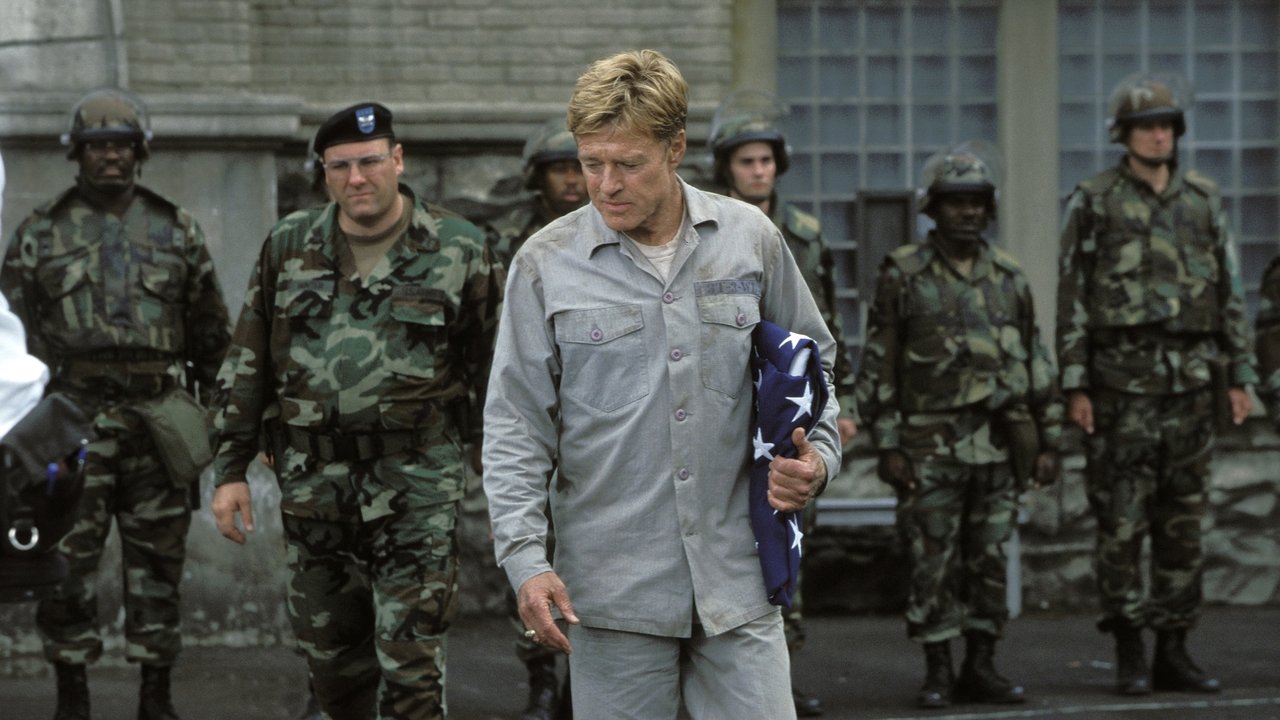
There is a specific kind of silence that happens when two icons who don’t belong in the same era finally share a frame. In The Last Castle, that silence is the oxygen for the first forty minutes. On one side, you have Robert Redford, the golden-boy relic of New Hollywood, playing Lt. Gen. Eugene Irwin with a stoicism so thick you could build a fortification out of it. On the other, you have James Gandolfini, then at the absolute height of his Sopranos (1999) powers, playing Colonel Winter. One is a legend who messed up and went to prison; the other is a career bureaucrat who has never seen combat and compensates by collecting military memorabilia like a kid with too much lunch money and a dark streak.
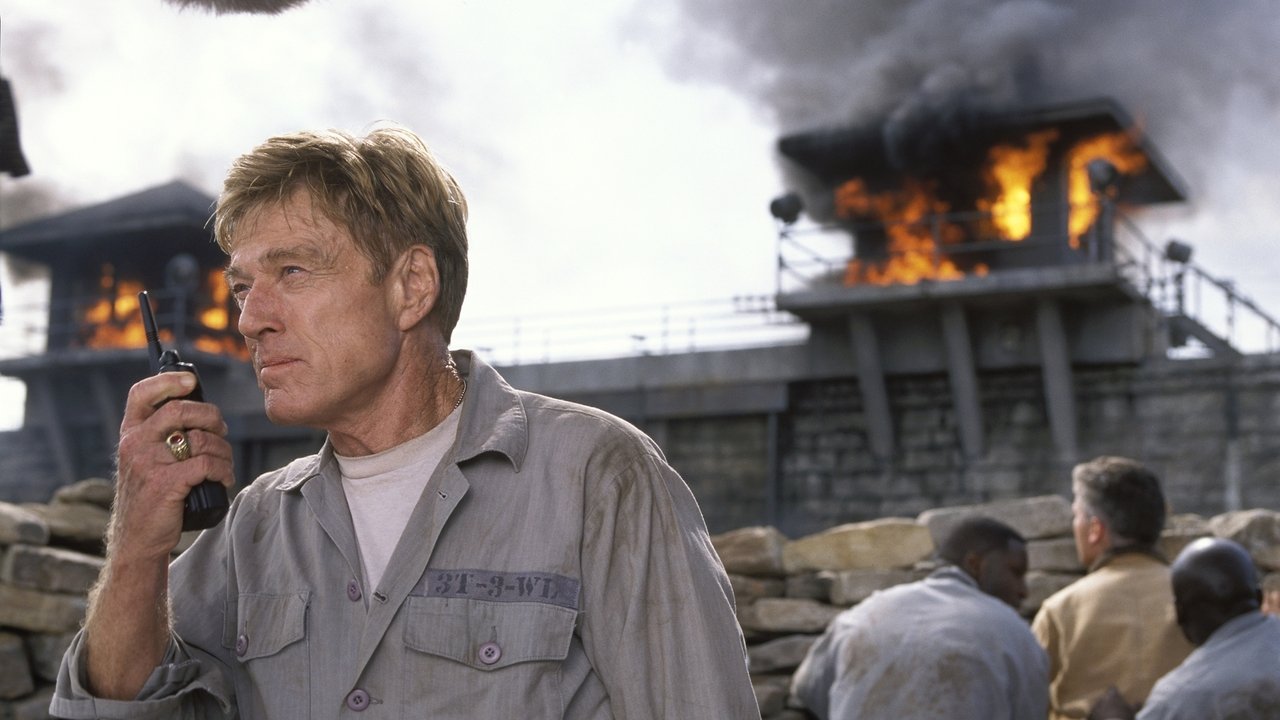
I revisited this one on a dusty DVD I found in the back of a cupboard—the kind with the snap-case that always smells slightly like a rental store from 2003—and I realized I’d forgotten just how much this movie thinks it’s a medieval epic dressed in olive drab. I watched it while nursing a lukewarm cup of instant coffee that had a film on top, and honestly, that gritty, slightly bitter vibe matched the movie's aesthetic perfectly.
The Clash of the Titans (and their Ego)
The setup is pure "Dad Cinema," but with a darker, more industrial edge. Irwin is a three-star general sent to a maximum-security military prison (The Castle) after a disastrous mission. He’s ready to do his time and go home, but he quickly realizes that Winter is running the place like a personal fiefdom where "accidental" deaths are a management tool.
Robert Redford is fascinating here because he’s playing a man who is essentially a ghost of his own reputation. He’s tired. But the moment he starts organizing the inmates—not to escape, but to take over—the movie shifts into a fascinating psychological gear. It’s a battle of legitimacy. Winter has the rank and the snipers, but Irwin has the men. Watching James Gandolfini play a man who is visibly sweating under the pressure of being disliked by a "real" hero is the film's secret weapon. Gandolfini’s Colonel Winter is more terrifying than Tony Soprano because he’s a petty man with legal authority. He isn’t a criminal; he’s a middle manager with a God complex and a high-powered rifle.
The supporting cast is a "Who's That?" of 2001 talent. You’ve got a young, cynical Mark Ruffalo (pre-Hulk and pre-everything) as Yates, the gambler who doesn't want to pick a side. He’s the audience surrogate, the guy who thinks the General’s "honor" talk is a load of garbage until the bullets start flying. Then there’s Delroy Lindo (Malcolm X), who shows up just long enough to remind us that he has the best voice in Hollywood.
Practical Siege and the Art of the Trebuchet
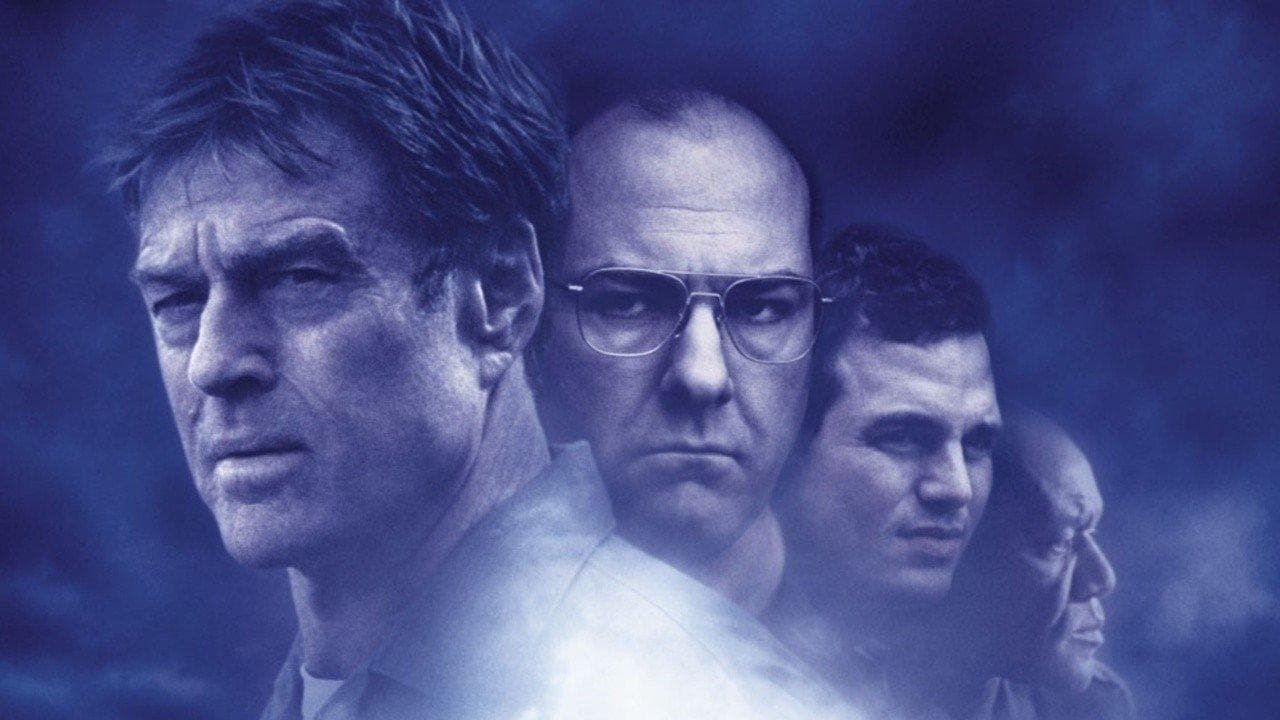
Director Rod Lurie—who has a military background himself—treats the prison like a tactical sandbox. This era of filmmaking was right on the cusp of the CGI takeover, but The Last Castle feels delightfully heavy and tactile. When the inmates start building things, they aren't just clicking buttons on a screen. They are hauling real stone.
The final act is essentially a medieval siege staged with modern equipment. I’m not kidding—the inmates actually build a working trebuchet out of scrap metal and bedsheets. It’s one of those "only in the movies" moments that would feel ridiculous if the tone wasn't so deadly serious. The action choreography by the stunt teams (including work by the legendary Bud Davis) focuses on momentum. It’s about 1,200 men moving as a single wall of meat against water cannons and rubber bullets (and eventually, the real stuff).
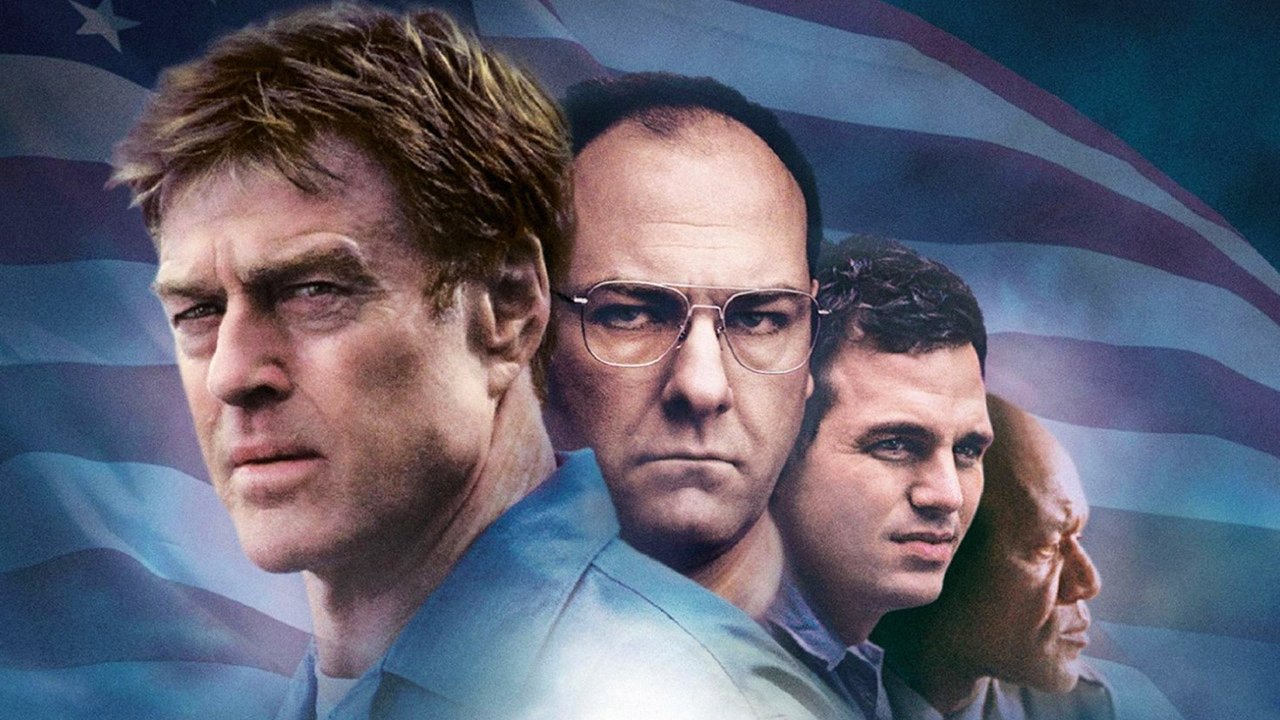
The cinematography by Shelly Johnson (Captain America: The First Avenger) uses a de-saturated, metallic palette. It’s very much a product of that turn-of-the-millennium "gritty" look—lots of blues, greys, and harsh overhead lighting. It captures the post-9/11 anxiety that was just starting to seep into our media. Released just weeks after the attacks, the film’s original poster (featuring an upside-down American flag) had to be hastily redesigned. You can feel that tension in every frame; it’s a movie about what it means to be a "true" American leader when the system itself has gone sour.
A Forgotten Casualty of the Era
Why don’t we talk about this movie more? It’s probably because it’s a "tweener." It’s too smart to be a dumb action movie, but it’s too melodramatic to be a high-brow prestige drama. It also lost a fortune at the box office, clawing back less than half of its $72 million budget. In a year dominated by the debut of Harry Potter and Lord of the Rings, a grim drama about military prisoners didn't stand a chance.
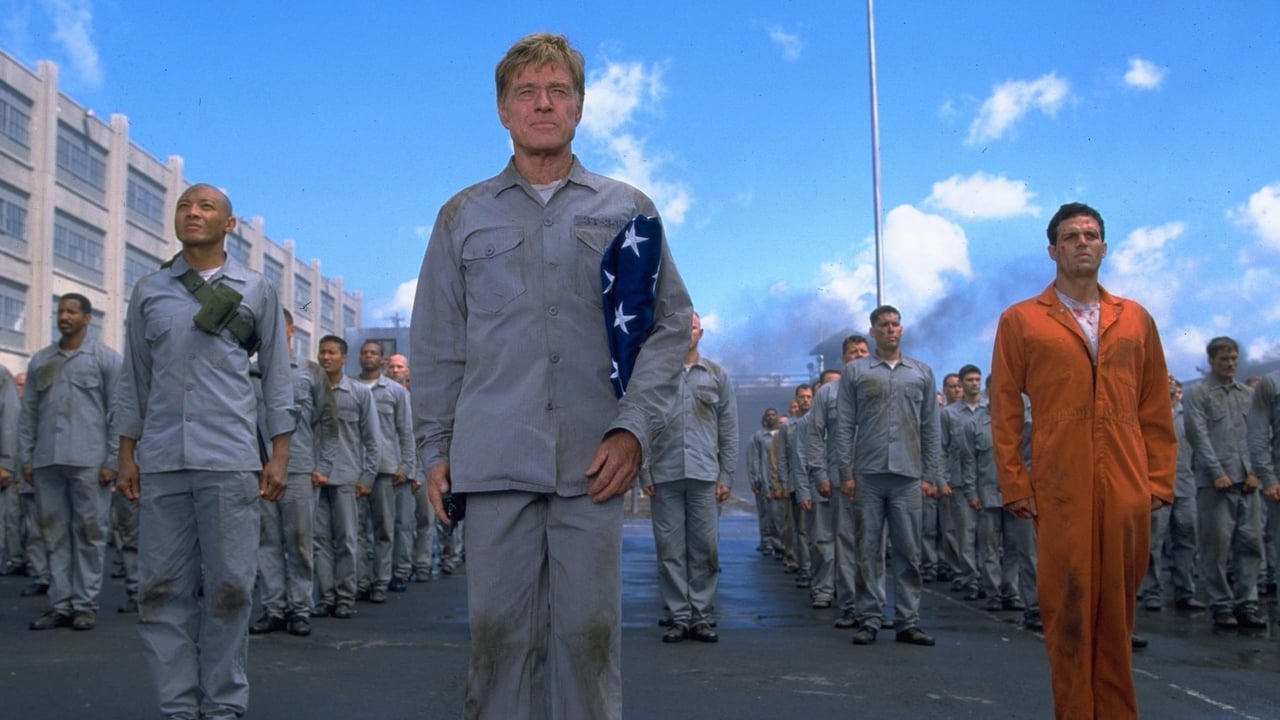
Looking back, the film’s score by the legendary Jerry Goldsmith (Alien, Patton) is one of his final great works. It’s soaring and patriotic but underlined with a funeral march. It tells you exactly how to feel, which is a hallmark of that era’s filmmaking before we got too cool for sincerity.
The film does occasionally trip over its own salute. Some of the dialogue is so "military-tough" it borders on parody, and the plot requires you to believe that 1,200 inmates can keep a massive engineering project secret from a guy who watches them with binoculars all day. But if you can suspend that disbelief, the payoff is a surprisingly emotional look at the cost of pride. It’s basically The Shawshank Redemption if Andy Dufresne had a tactical map and a grudge.
The Last Castle is a sturdy, well-built piece of cinema that survives on the strength of its lead performances. It represents a moment in time when we still made mid-to-high budget dramas for adults that didn't involve a cape or a sequel hook. It’s flawed, over-long, and occasionally way too loud, but seeing Robert Redford and James Gandolfini go toe-to-toe is worth the price of a rental. If you’re looking for a Friday night movie that feels like a heavy-duty truck—reliable, powerful, and a little bit old-fashioned—this is your stop.
Keep Exploring...
-
Crimson Tide
1995
-
The Count of Monte Cristo
2002
-
Undisputed II: Last Man Standing
2006
-
Bound by Honor
1993
-
The Protector
2005
-

Enemy of the State
1998
-

The Negotiator
1998
-

The Bourne Identity
2002
-
Man on Fire
2004
-
The Bourne Supremacy
2004
-
Blood Diamond
2006
-
Batman: Year One
2011
-
Executive Decision
1996
-
Conspiracy Theory
1997
-
The Siege
1998
-
Payback
1999
-
The Sum of All Fears
2002
-
Basic
2003
-
The Hunted
2003
-
United 93
2006