The Man Who Wasn't There
"Silence is a very loud thing."
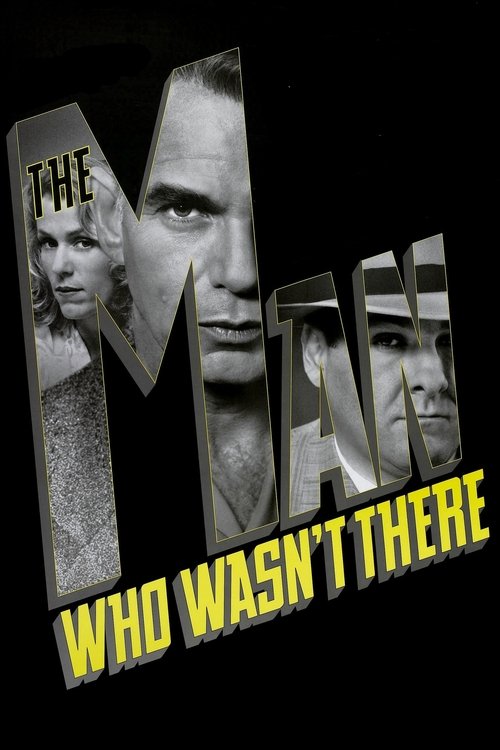
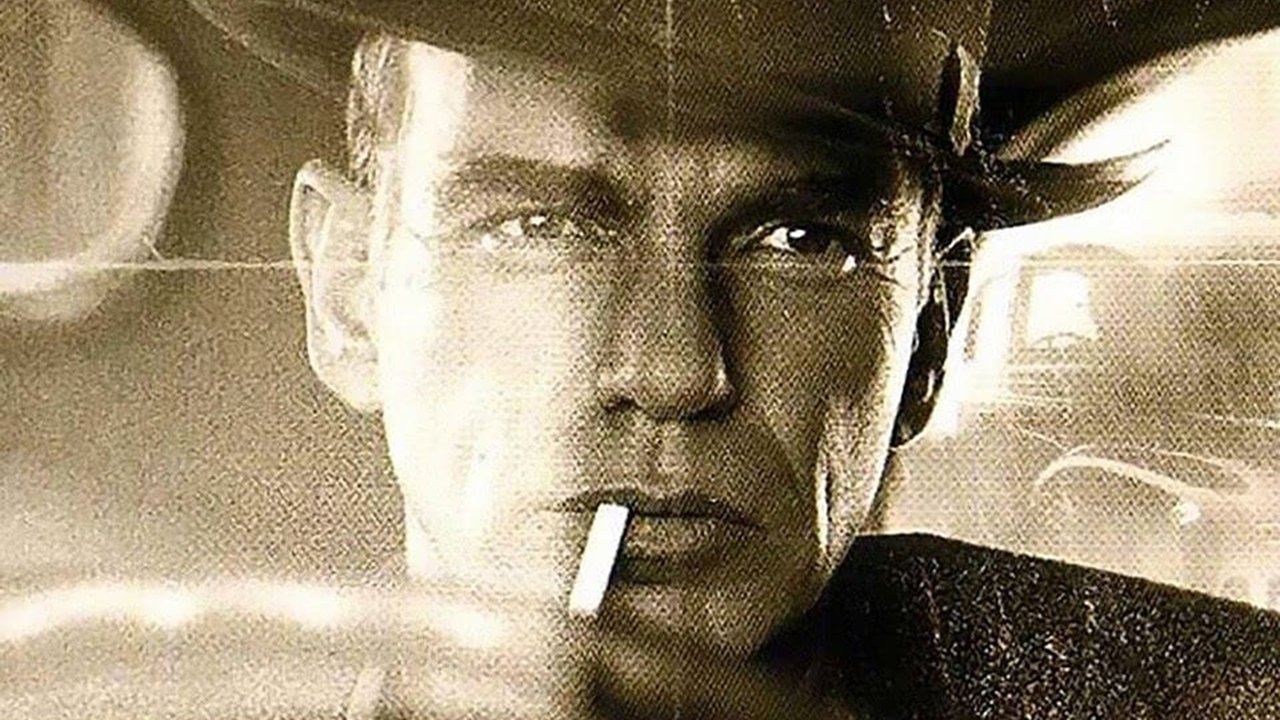
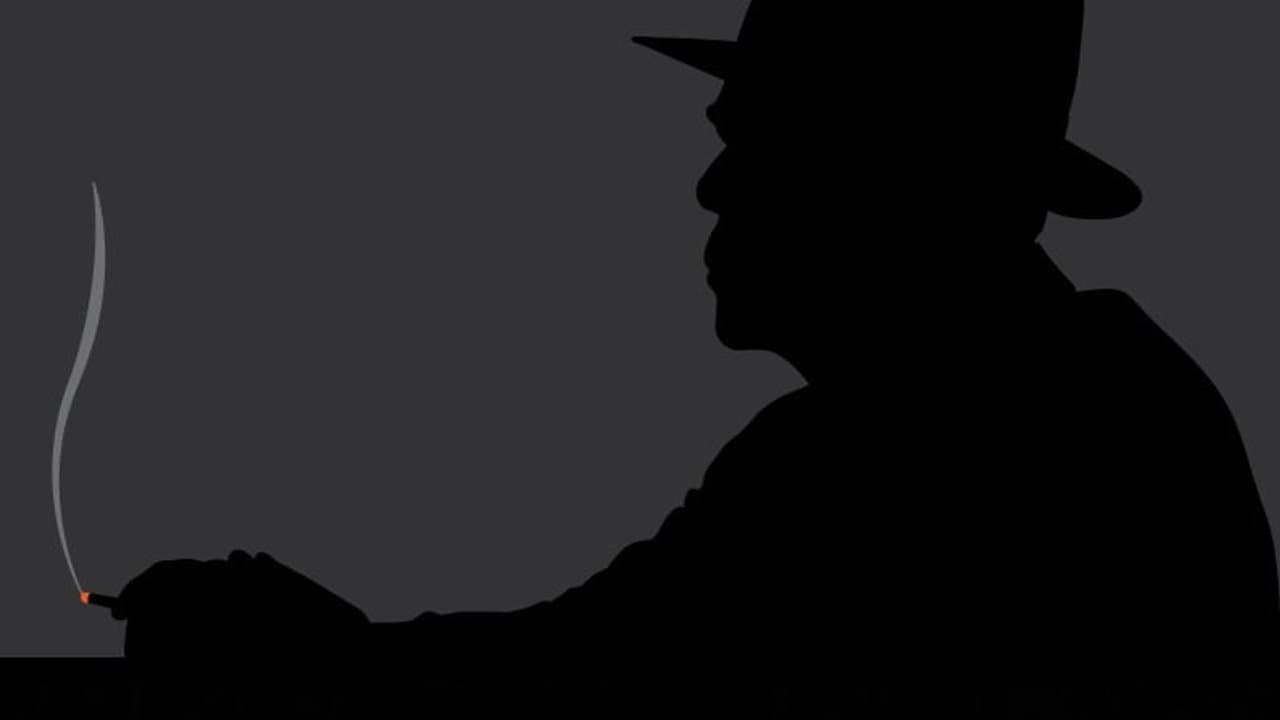
The first thing you notice about Ed Crane isn’t his face, but the smoke. It hangs around him like a physical manifestation of his own soul—gray, drifting, and completely detached from the world around it. I watched this film again recently on a Tuesday afternoon while ignoring a pile of laundry that had reached sentient heights, and I realized that Billy Bob Thornton gives what might be the most quietly devastating performance of the early 2000s. He plays Ed, a chain-smoking barber in 1949 Northern California who moves through his own life like a ghost haunting his own house.
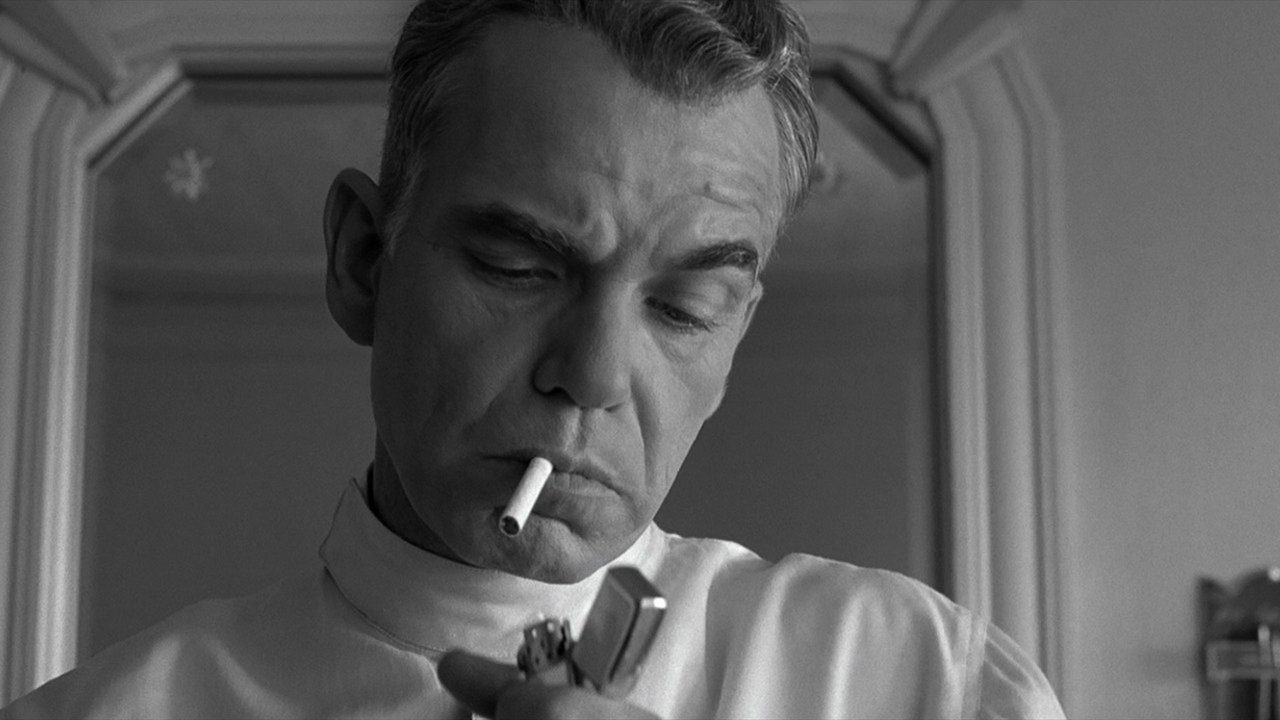
Released in 2001, The Man Who Wasn't There feels like the Coen brothers at their most mathematically precise. Coming off the heels of the colorful, O-Brother-Where-Art-Thou? success, Joel and Ethan Coen decided to pivot hard into a monochromatic, existential noir. It didn’t exactly set the box office on fire—in fact, it’s one of their few films that actually lost money during its initial run—but it’s a film that has ripened into something deeply profound. It’s a movie that asks what happens to the man who doesn't fit into the frame of his own existence.
The Art of Being Invisible
Ed Crane doesn’t talk much. He cuts hair, he listens to the "patter" of his chatty brother-in-law Frank (Michael Badalucco), and he ignores the fact that his wife, Doris (Frances McDormand), is clearly sleeping with her boss, "Big Dave" Brewster. James Gandolfini plays Big Dave with a sweating, boisterous energy that provides the perfect foil to Ed’s stony silence. Seeing Gandolfini here, right at the height of his Sopranos fame, is a treat; he brings a specific type of mid-century American bluster that feels both intimidating and pathetically fragile.
The plot kicks off when a flamboyant stranger named Creighton Tolliver (Jon Polito) wanders into the barbershop pitching a "new" technology: dry cleaning. He needs ten thousand dollars to get in on the ground floor. Ed, sensing a chance to finally be someone, decides to anonymously blackmail Big Dave for the cash. Naturally, because this is a Coen brothers film, the plan doesn't just fail—it unravels with the slow, agonizing precision of a sweater caught in a thresher. It’s basically a movie about a man who accidentally blackmails himself into a grave.
A Masterclass in Monochrome
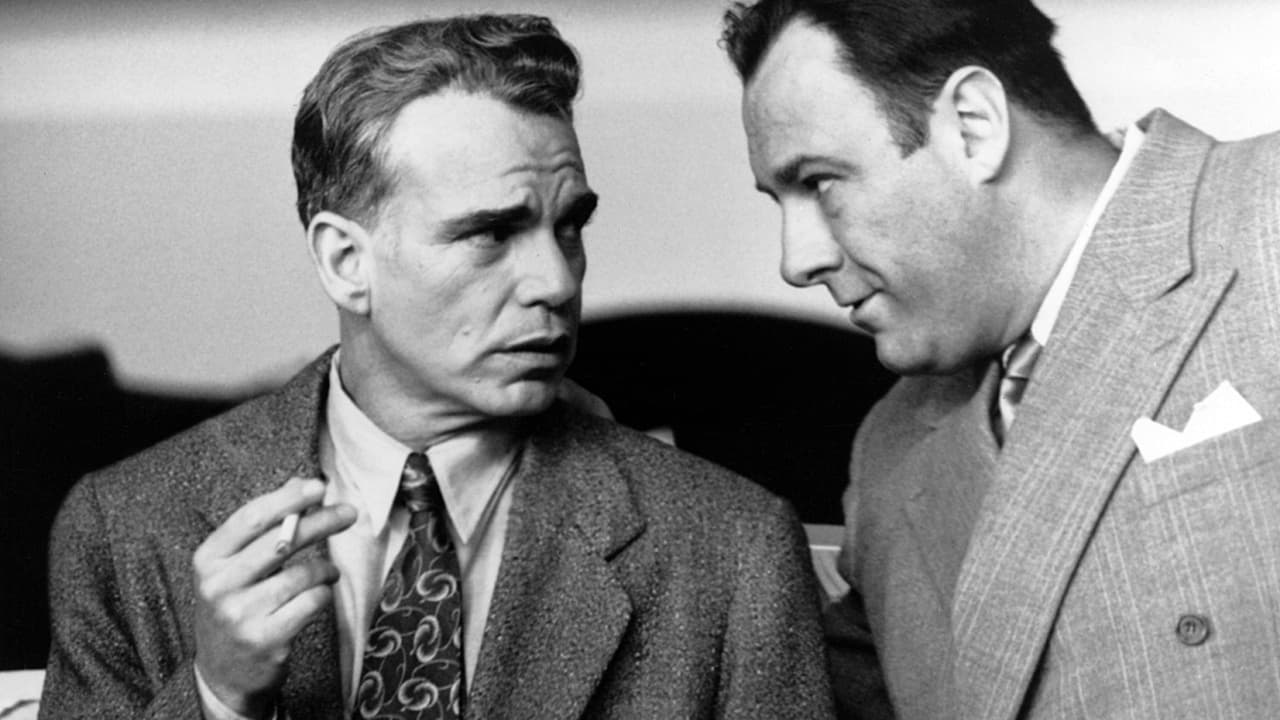
We have to talk about the look of this thing. Roger Deakins (the man is a wizard, let’s be honest) shot this on color film stock and then printed it to black-and-white. The result is a crispness that you just don't see in actual 1940s noirs. The shadows aren't just dark; they’re bottomless. The way the light catches the pomade in a customer's hair or the glint of a straight razor is nothing short of hypnotic.
Back in 2001, the DVD release was a bit of a holy grail for me. I remember the special features explaining that they had to shoot in color because of some bizarre contractual requirement for overseas television markets that "didn't want black and white." It’s a funny relic of that era’s transition—the digital age was looming, but the industry was still terrified that audiences wouldn't sit through a movie without color. Looking back, the B&W isn't a gimmick; it’s the whole point. It strips away the distractions of the California sun and leaves us with the stark, cold reality of Ed’s predicament.
The Tragedy of the Dry-Cleaned Dream
While the film wears the clothes of a crime thriller, it’s actually a deep dive into existential dread. There’s a recurring theme involving Heisenberg’s uncertainty principle—the idea that the act of looking at something changes it. Ed tries to look at his life, tries to change the variables, and in doing so, he destroys everything he touches. Tony Shalhoub shows up as a high-priced defense attorney who treats the legal system like a quantum physics experiment, and his performance is a frantic, hilarious highlight in an otherwise somber film.
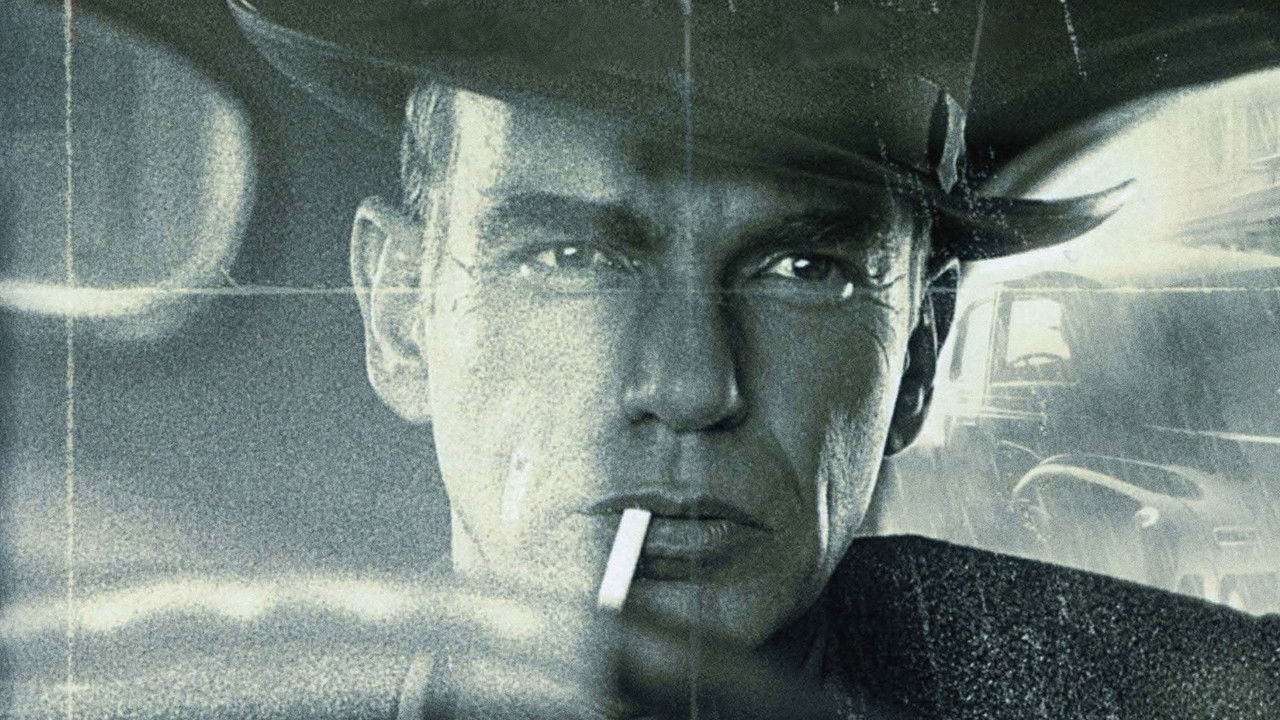
The film also captures that weird, post-WWII American anxiety. There are subplots about UFO sightings and the "new" world of 1950s consumerism that make Ed feel even more like a man out of time. He’s a "pantomime" person, as one character suggests, just going through the motions. There's a sequence involving a young piano prodigy (Scarlett Johansson in an early, subtle role) that is heartbreaking precisely because Ed tries to find something pure to cling to, only to realize he doesn't even understand what "pure" means.
I’ve always felt this was the most "literary" of the Coen's work. It feels like a Camus novel that wandered onto a film set in Santa Rosa. It’s slow—deliberately so—and it demands that you sit with Ed in his silence. If you’re looking for the zany energy of Raising Arizona, you won’t find it here. But if you want a film that lingers in your mind like the smell of talcum powder and cheap tobacco, this is the one.
The Man Who Wasn't There is a gorgeous, haunting outlier in the Coen filmography. It’s a movie that rewards the patient viewer with some of the most striking imagery of the 21st century and a performance by Billy Bob Thornton that is a masterclass in doing more with less. It’s a film about the spaces between people, the things we don’t say, and the inevitable way the world has of catching up to us. It didn't need the box office wins to prove its worth; the film itself is as permanent as a bad haircut that you’re stuck with until the end.
Keep Exploring...
-

Miller's Crossing
1990
-
Fargo
1996
-
Barton Fink
1991
-
A Simple Plan
1998
-

Blood Simple
1985
-
The Big Lebowski
1998
-
No Country for Old Men
2007
-
O Brother, Where Art Thou?
2000
-
The Hudsucker Proxy
1994
-
Burn After Reading
2008
-
The Rainmaker
1997
-

Rounders
1998
-
Arlington Road
1999
-
Gridiron Gang
2006
-
Undisputed II: Last Man Standing
2006
-

United 93
2006
-

Boys Don't Cry
1999
-

Dancer in the Dark
2000
-
Infernal Affairs
2002
-
Intolerable Cruelty
2003