The Mummy Returns
"Twice the mummies, double the Fraser, zero restraint."
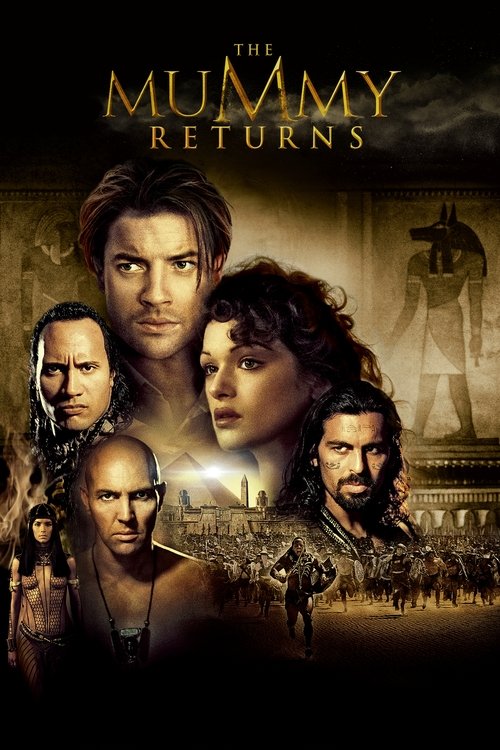
There was a specific kind of fever dream energy permeating the summer of 2001. We were caught in that strange, shimmering transition between the practical grit of the 90s and the digital maximalism of the 2000s. While The Lord of the Rings was preparing to bring "prestige" back to fantasy, Stephen Sommers decided to take the opposite route. He looked at the massive success of 1999’s The Mummy and concluded that the only logical path forward was to turn the dial until it snapped off. The result is a film that feels like a two-hour sugar crash, a theme park ride that refuses to let you off, and a fascinating time capsule of a Hollywood just beginning to lose its mind over CGI.
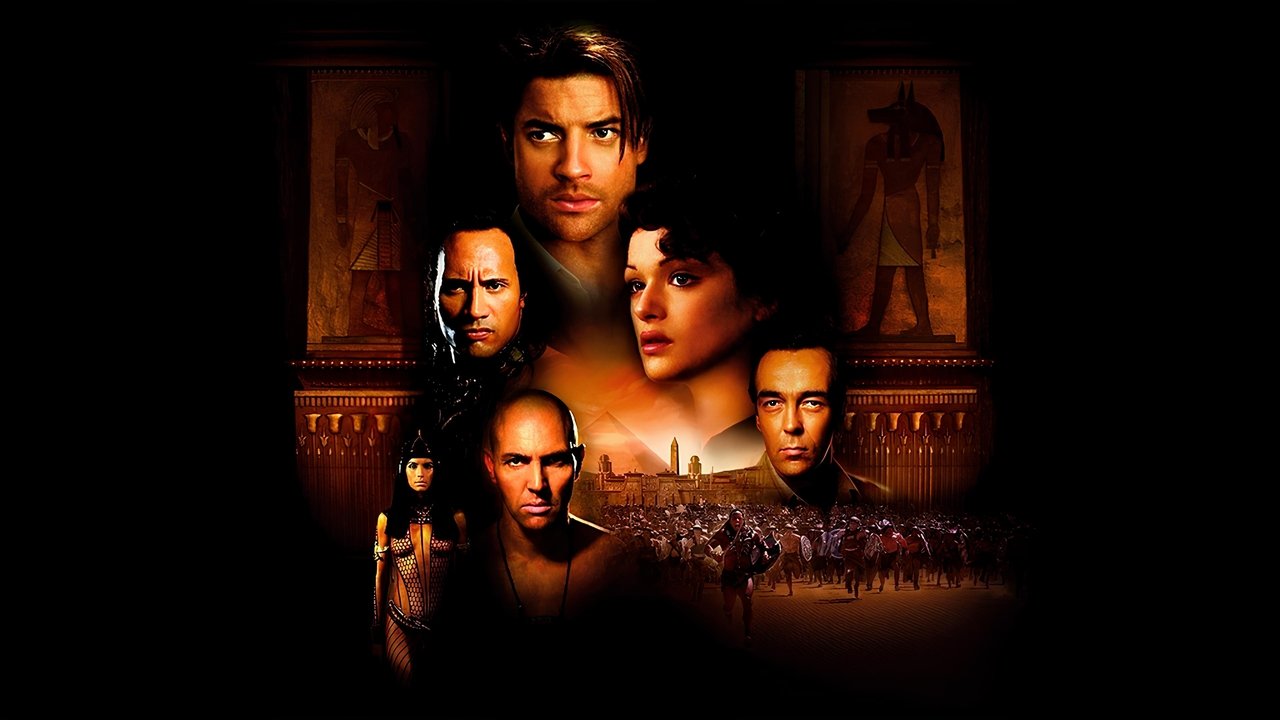
I watched this most recently while eating a bowl of cereal that had gone slightly soggy because I was too distracted by the sheer volume of stuff happening on screen, and honestly, that damp crunch felt like the perfect metaphorical accompaniment to the viewing experience.
The "More is More" Philosophy
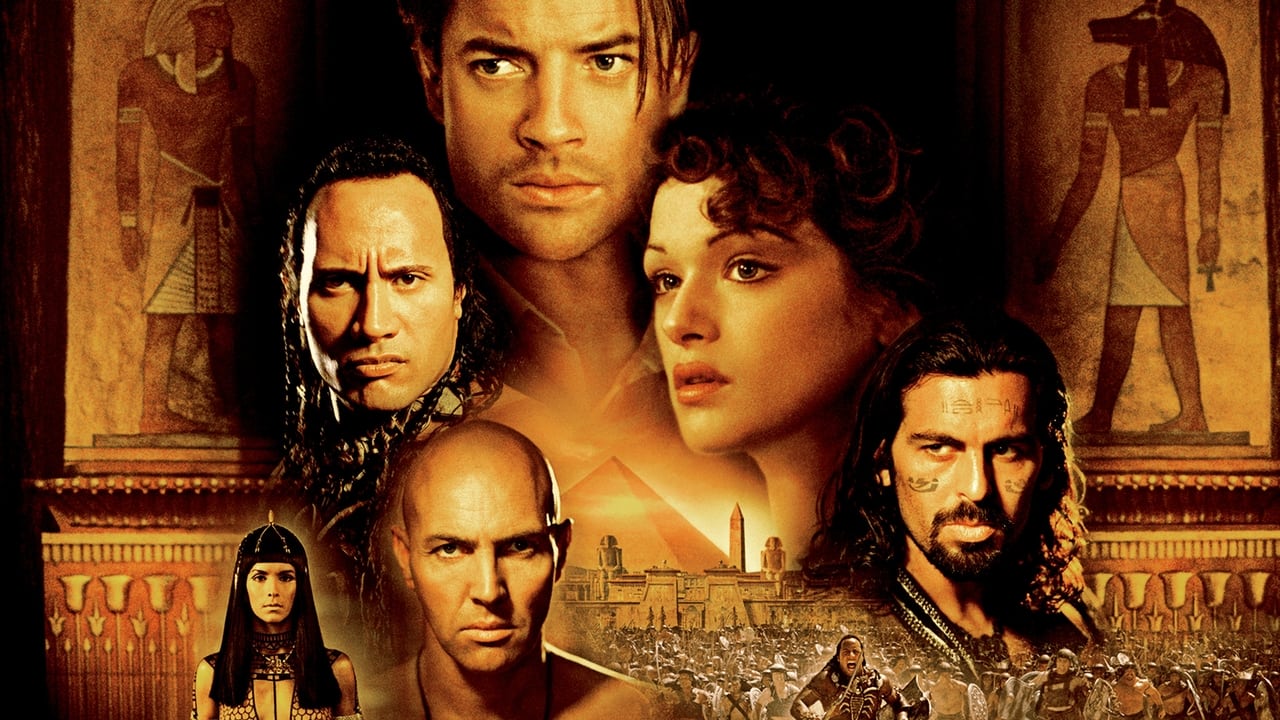
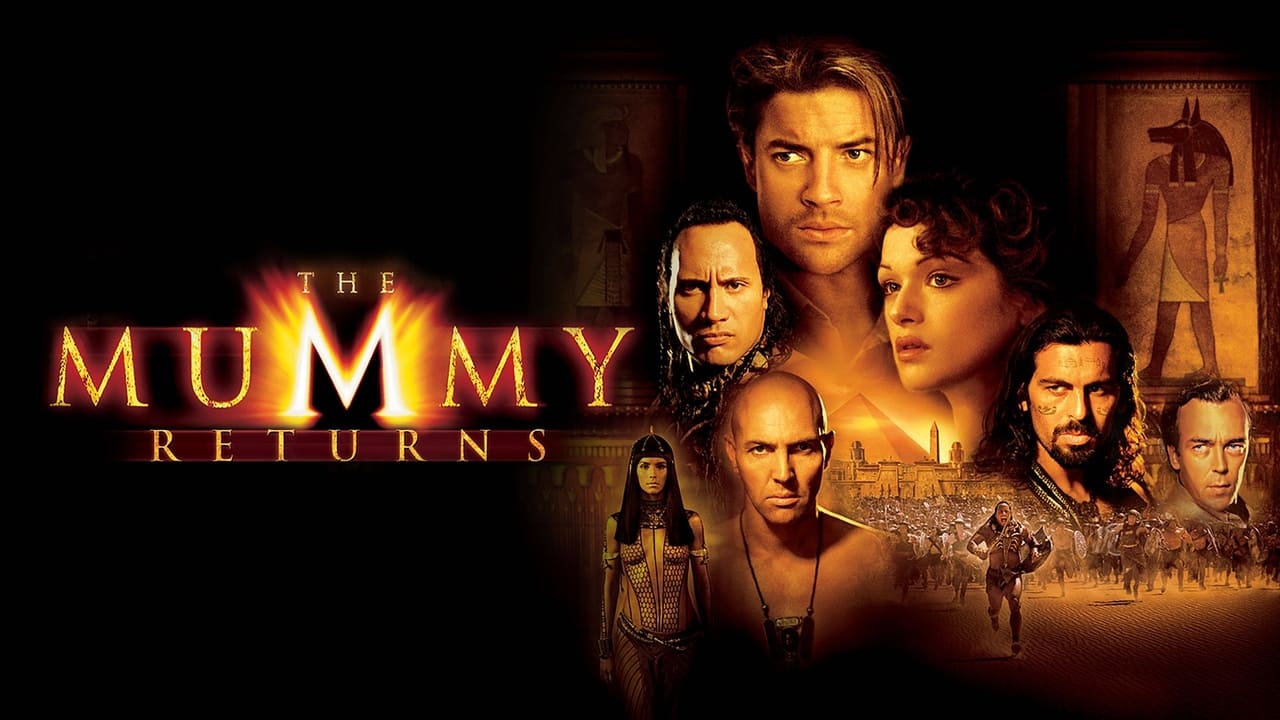
If the first film was a clever update of the Indiana Jones formula, The Mummy Returns is that same formula injected with a gallon of espresso. We pick up eight years later with Rick (Brendan Fraser) and Evelyn (Rachel Weisz) now married, living in a London mansion, and raising a son, Alex (Freddie Boath), who is essentially a walking plot device with a quip for every occasion.
The plot is a Rube Goldberg machine of ancient prophecies and cursed jewelry. The O’Connells find the Bracelet of Anubis, Alex puts it on (because kids in movies have zero impulse control), and suddenly everyone is racing toward the lost oasis of Ahm Shere to stop a resurrected Imhotep (Arnold Vosloo) from killing the Scorpion King and taking over the world.
What makes this work—and it does work, despite its frantic nature—is the core cast. Brendan Fraser remains the gold standard for the "sensitive lug" action hero. He’s physically imposing but has this wonderful, expressive face that constantly screams, "I am too tired for this ancient nonsense." His chemistry with Rachel Weisz is the secret sauce that holds the chaos together. Even when they’re fighting digital pygmy mummies in a jungle that looks suspiciously like a soundstage, you believe they actually like each other.
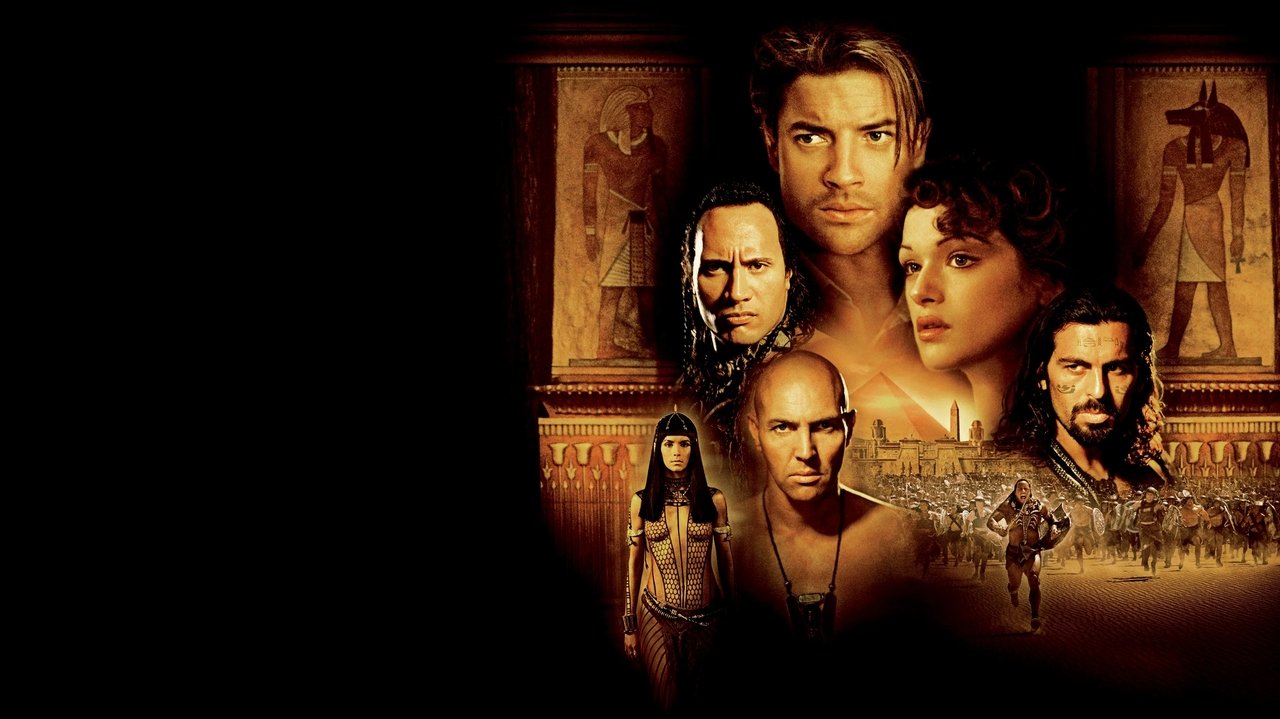
A Landmark in Digital Ambition (and Failure)
We have to talk about the CGI. In 2001, Industrial Light & Magic was the undisputed king of the hill, and The Mummy Returns was a massive showcase for their evolving toolkit. Looking back, the film is a masterclass in the "learning curve" of the digital revolution. Some of it actually holds up remarkably well; the water wall sequence and the way Arnold Vosloo’s face partially disintegrates still look tactile and creepy.
But then, there is the Scorpion King.
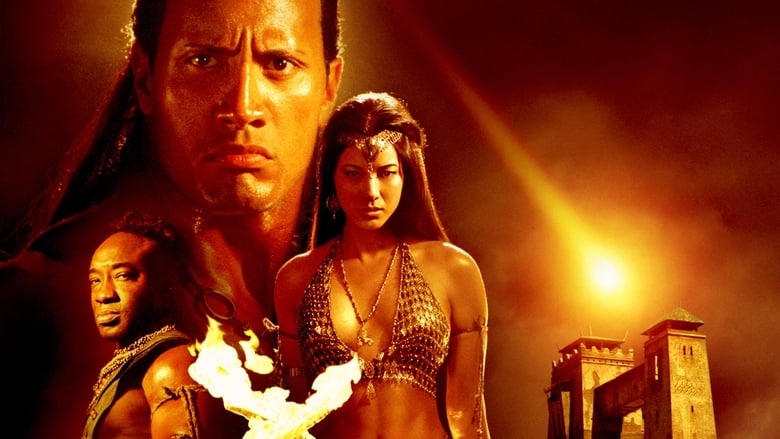
The debut of Dwayne "The Rock" Johnson as a cinematic force is a major footnote in film history, but his final form in this movie is... well, it’s a choice. The digital hybrid of a giant scorpion and a low-resolution Rock is the ultimate example of early-2000s hubris. It looks like a character from a PlayStation 2 cutscene that wandered into the wrong movie. Yet, there’s something charming about it. It represents an era where filmmakers were swinging for the fences with new tech, even if they didn't quite have the processing power to land the hit. The Scorpion King looks like a haunted potato with a gym membership, and I wouldn't trade that visual for a more "realistic" modern version if you paid me.
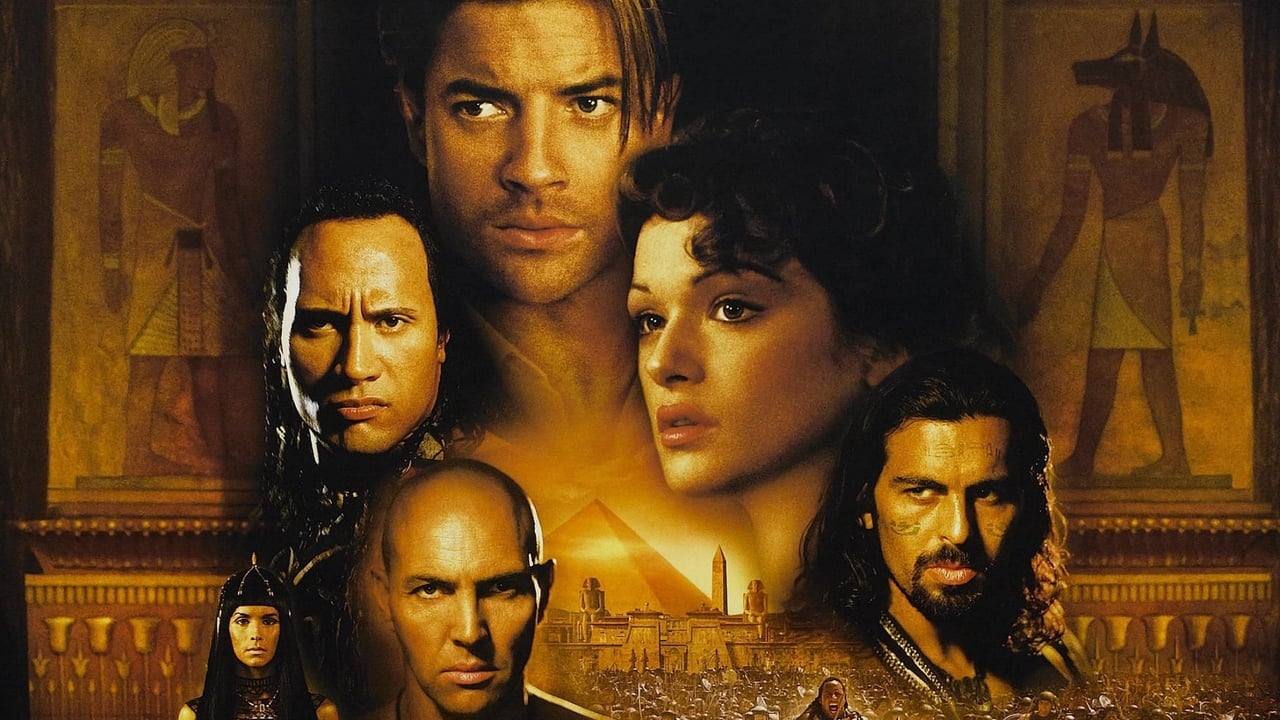
Stunts, Scimitars, and Scale
For all the talk of digital effects, the action choreography in this sequel is surprisingly sharp. The double-decker bus chase through the streets of London is a highlight of the era’s second-unit work. It’s fast, clear, and uses the environment brilliantly. John Hannah provides the necessary comedic relief as Jonathan, and Oded Fehr brings a much-needed gravity as Ardeth Bay, though the movie keeps him so busy he barely has time to breathe.
The scale of the production is where the $98 million budget really shows. This was a massive commercial juggernaut, opening to a then-record-breaking $68 million weekend. It was the height of the DVD boom, and I recall the "2-Disc Special Edition" being the centerpiece of many a burgeoning home theater collection. The film was designed to be a "demo disc," something to show off your surround sound and your 32-inch CRT television. It’s loud, it’s bright, and it never slows down long enough for you to realize the internal logic is held together with Scotch tape and mummy wrappings.
Ultimately, The Mummy Returns is the quintessential popcorn blockbuster. It’s a film that prioritizes "cool" over "coherence" every single time, whether it's Patricia Velásquez and Rachel Weisz having a stylized sai fight in a past life or a dirigible piloted by a man who seems to have wandered in from a different franchise. It lacks the tight, romantic perfection of the 1999 original, but it makes up for it with a relentless, puppy-like enthusiasm to entertain you. It’s a relic of a time before the MCU turned sequels into multi-year homework assignments—a time when a sequel just meant more explosions, more monsters, and more Brendan Fraser screaming at the top of his lungs.
Keep Exploring...
-
The Mummy
1999
-
The Mummy: Tomb of the Dragon Emperor
2008
-
Van Helsing
2004
-
The Scorpion King
2002
-

Night at the Museum
2006
-

Pirates of the Caribbean: Dead Man's Chest
2006
-
Pirates of the Caribbean: At World's End
2007
-

G.I. Joe: The Rise of Cobra
2009
-
Clash of the Titans
2010
-

Puss in Boots
2011
-
The Hobbit: An Unexpected Journey
2012
-
Thor: The Dark World
2013
-
Maleficent
2014
-
The Hobbit: The Battle of the Five Armies
2014
-
Pokémon: The First Movie
1998
-
DragonHeart
1996
-
Mighty Joe Young
1998
-

Mystery Men
1999
-
Final Fantasy: The Spirits Within
2001
-
Lara Croft: Tomb Raider
2001