The One
"Twice the Jet Li, triple the Nu Metal."
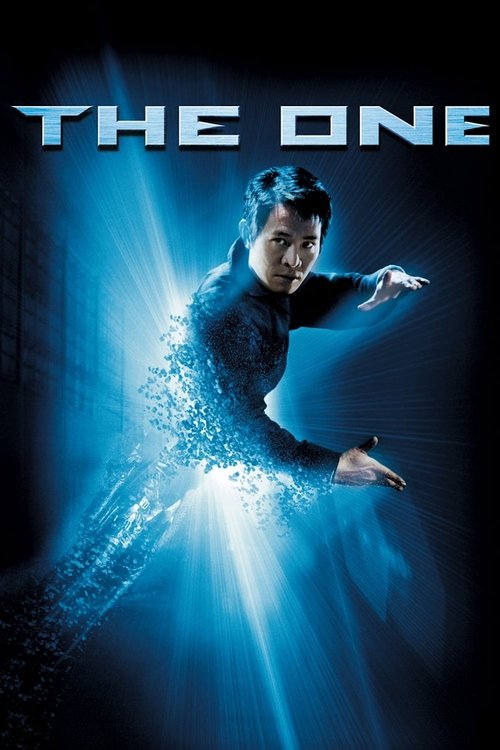
I watched this on a Tuesday night while trying to ignore a persistent squeak in my ceiling fan, and the rhythmic clicking somehow synced up perfectly with the industrial drum beats of the soundtrack. There is something profoundly "2001" about The One. It exists in that specific sliver of time when the world was reeling from The Matrix, leather trench coats were the only acceptable form of outerwear, and every action director in Hollywood was convinced that Nu Metal was the future of cinematic scoring.
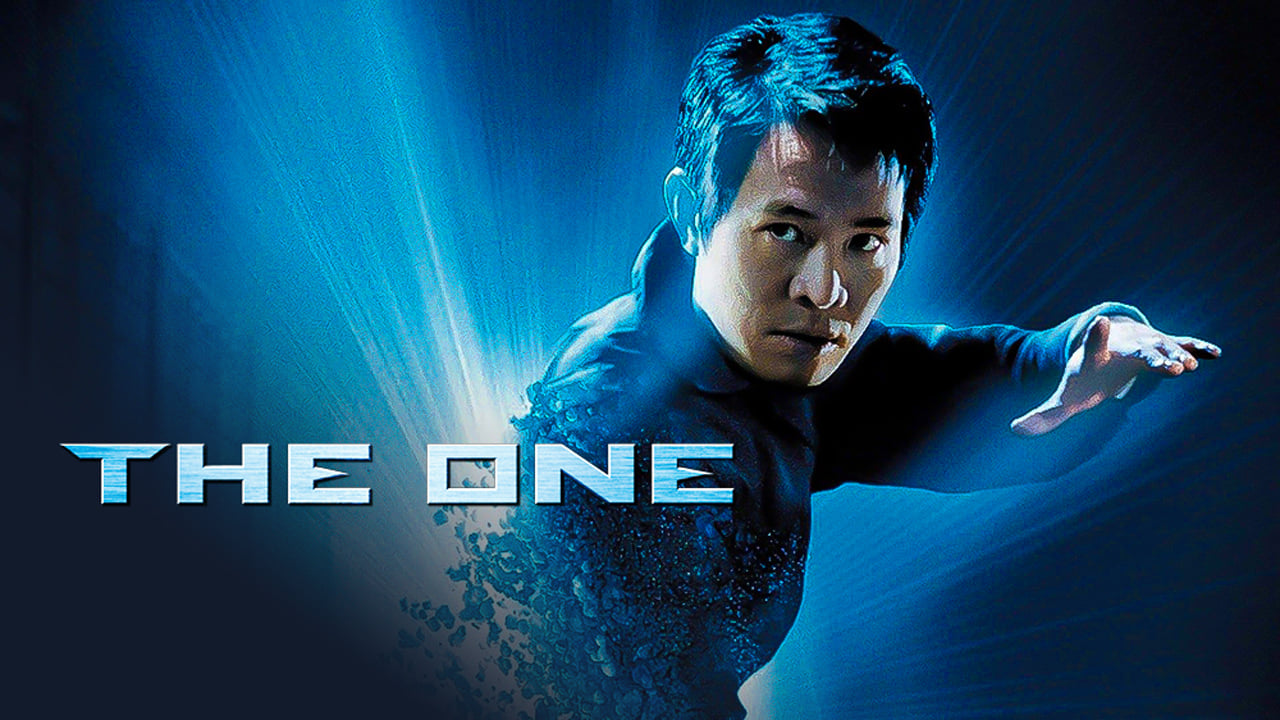
The Multiverse Before the Mouse
Long before the Marvel Cinematic Universe made "the multiverse" a household term and a source of seasonal exhaustion, director James Wong and writer Glen Morgan—fresh off their success with Final Destination and years of The X-Files—decided to play with the concept of parallel realities. The premise is delightfully comic-booky: there are 125 universes, and a rogue agent named Gabriel Yulaw (played by a very intense Jet Li) is hopping between them to murder his alternate selves. Why? Because every time a version of him dies, his energy is redistributed among the survivors. If he becomes "The One," he might become a god. Or the universe might explode. The math is fuzzy, but the stakes are high.
What’s fascinating looking back is how much this film feels like a bridge between the practical-stunt era of the 90s and the digital-spectacle era of the 2000s. Originally, this was intended to be a vehicle for Dwayne "The Rock" Johnson, but when he left to film The Scorpion King, the production pivoted to Jet Li. This changed everything. Instead of a brawler, we got a martial arts master playing two distinct characters with two distinct fighting styles.
A Tale of Two Styles
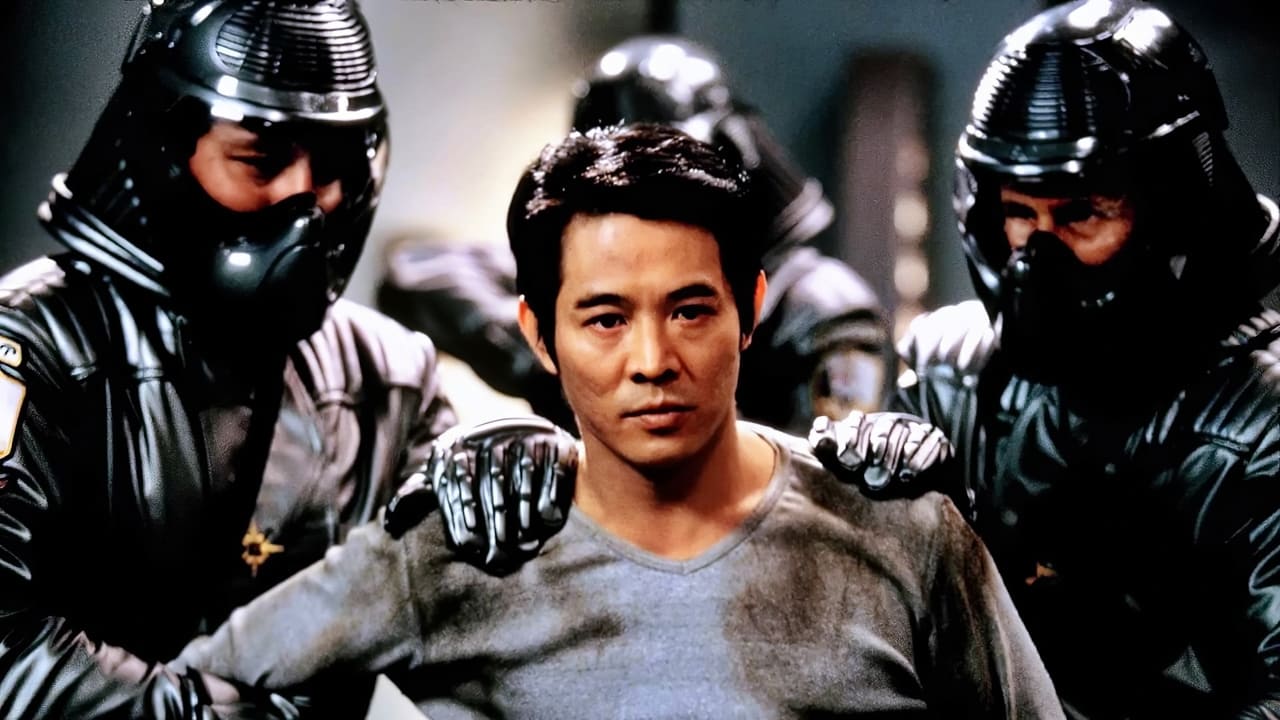
The real joy of The One isn't the pseudo-science—it’s the choreography. Jet Li is performing a masterclass in physical characterization here. As the villainous Yulaw, he uses Xingyiquan, a style characterized by linear, aggressive, and explosive movements. It’s "hard" martial arts. Conversely, as our hero Gabe Law, he uses Baguazhang, which relies on circular movements and fluid, defensive patterns.
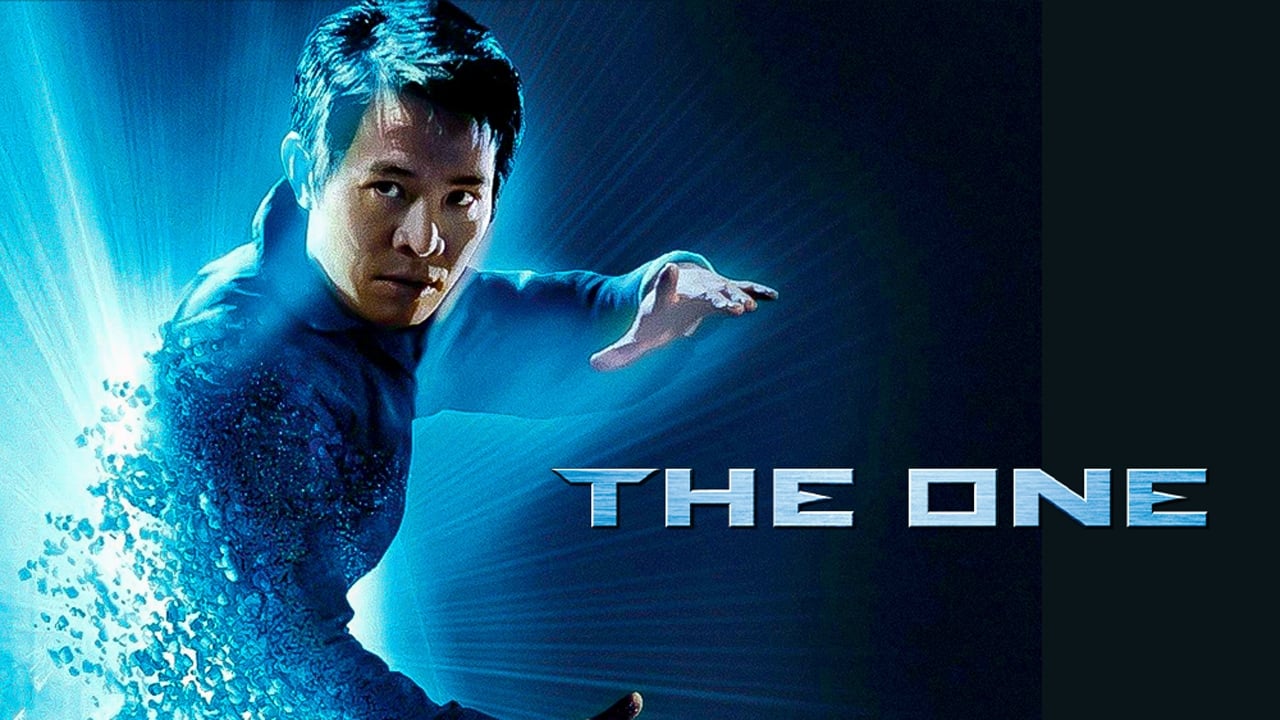
Watching Jet Li fight himself during the climax is a trip. The production used "digital face replacement," which was cutting-edge at the time but now has that slightly uncanny, rubbery sheen of early-millennium CGI. Yet, the physical performance holds up. You can tell which "Li" is on screen just by his stance. It’s a level of detail that often gets lost in modern action cinema, where quick cuts and shaky-cam hide the fact that the actors can’t actually move. Here, the camera stays back just long enough to let you appreciate the speed.
Supporting the dual Lis is a cast that feels like a fever dream of "before they were huge" energy. We have Delroy Lindo bringing an absurd amount of gravitas to a role that involves him chasing people through inter-dimensional portals, and a young Jason Statham as the rookie agent Funsch. Seeing Statham with a full head of hair and a shaky American accent is the most distracting special effect in the entire movie. He hasn't quite found the "Statham Persona" yet, but you can see the sparks of the action icon he’d become just a year later in The Transporter. Carla Gugino is also here, doing her level best with a "concerned wife" role that the script doesn't give nearly enough to do, though her presence always elevates the material.
Harder, Faster, Digitally Distorted
The action set pieces are pure adrenaline. There’s a motorcycle chase early on where Jet Li is essentially outrunning the bikes, and it’s filmed with a frantic energy that feels like a music video from the year 2001. The film embraces the "Bullet Time" aesthetic wholeheartedly, but adds a weird, liquid-mercury effect to the transitions that looks like it was rendered on a high-end juice box.
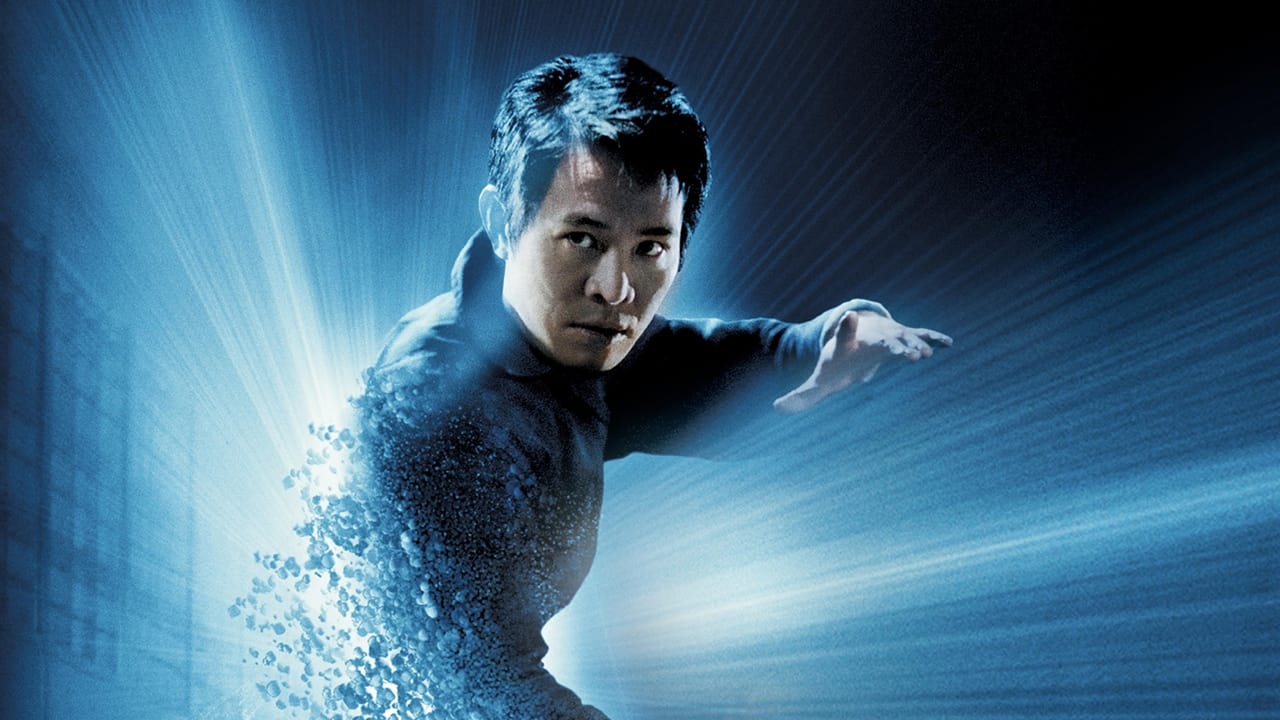
However, there’s an earnestness to the "Y2K tech-noir" vibe that I find genuinely charming. This was a time when we were still figuring out what digital effects could do. Is it silly? Absolutely. Does the ending—which features a fight in a futuristic industrial hellscape to the tune of "Bodies" by Drowning Pool—feel like the most 2001 thing ever captured on celluloid? Yes. And that’s exactly why it’s worth a revisit.
The film was overshadowed at the time by the massive success of The Matrix and the burgeoning X-Men franchise, eventually fading into the "DVD bargain bin" obscurity of history. But as a 87-minute blast of high-concept martial arts, it’s remarkably efficient. There is no filler. It knows you’re here to see Jet Li kick his own ass, and it delivers that with a side of leather jackets and nostalgia.
The One is a relic of a transitional era, a "what-if" scenario for both its star and the genre itself. It’s far from a masterpiece, but it possesses a kinetic (sorry, I mean fast) spirit that modern, over-bloated blockbusters often lack. If you can get past the dated CGI and the relentless Nu Metal, you'll find a creative, physically impressive action flick that was doing the "multiverse" thing while the MCU was still just a glimmer in Kevin Feige’s eye. Grab some popcorn, ignore the physics, and enjoy the double-feature of Jet Li's prime.
Keep Exploring...
-

Romeo Must Die
2000
-
Lake Placid
1999
-
Kiss of the Dragon
2001
-
Chain Reaction
1996
-
Escape from L.A.
1996
-
The Saint
1997
-
Volcano
1997
-
Star Trek: Insurrection
1998
-
Red Planet
2000
-
Final Fantasy: The Spirits Within
2001
-
Star Trek: Nemesis
2002
-

Paycheck
2003
-
District B13
2004
-
Sky Captain and the World of Tomorrow
2004
-
Race to Witch Mountain
2009
-
Darkman
1990
-
Doomsday
2008
-

Death Race 2
2010
-
War
2007
-
Pitch Black
2000