The Pledge
"A promise is a heavy thing to carry."
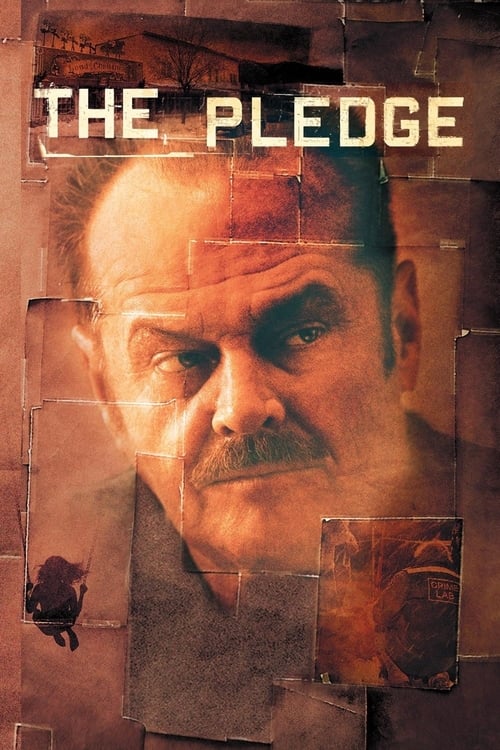
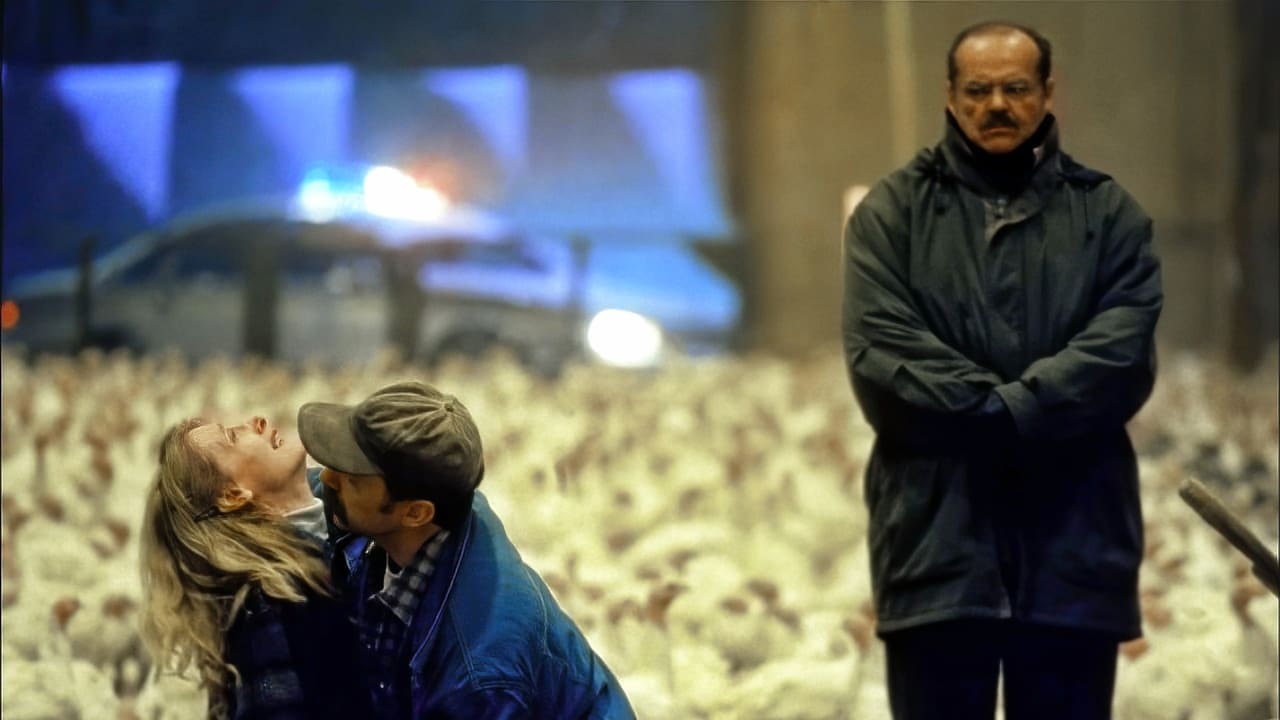
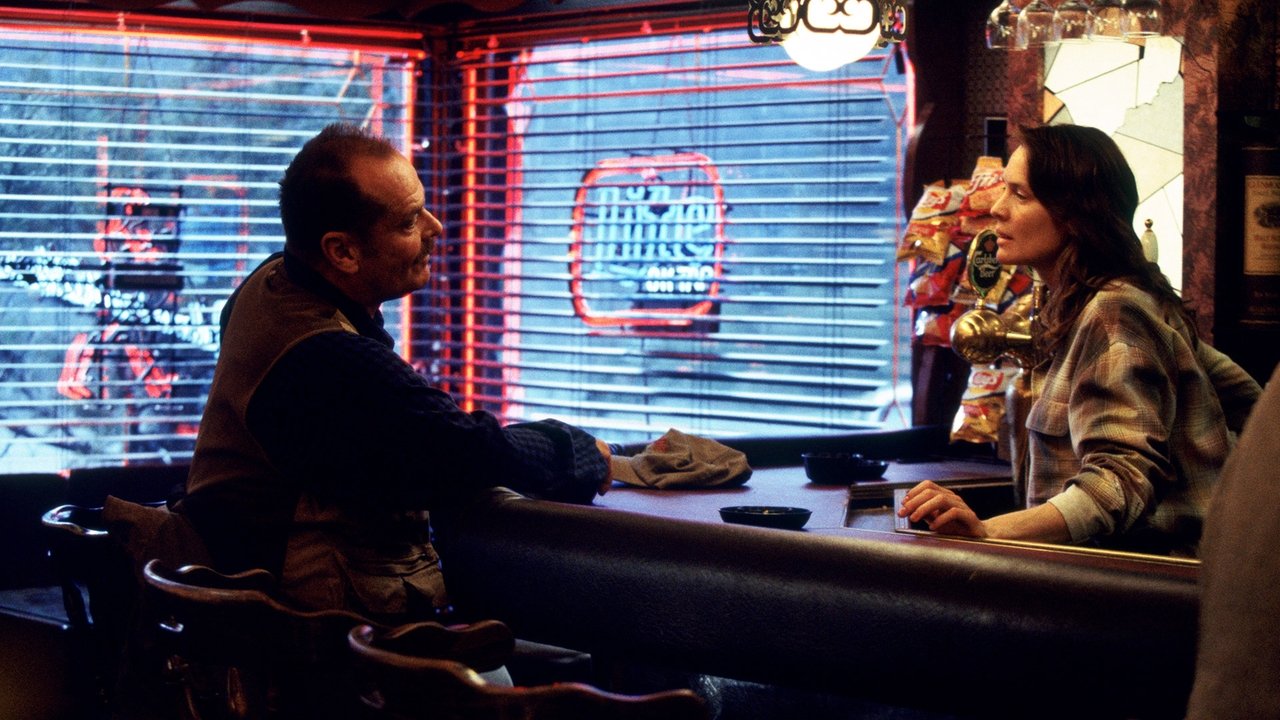
Jerry Black’s retirement party feels like the closing scene of a movie we’ve seen a thousand times. There’s the gold watch, the lukewarm well-wishes from the precinct, and the promise of a quiet life fishing in the mountains. But Jack Nicholson, playing the soon-to-be-former detective, doesn't look like a man ready for a hobby. He looks like a man terrified of the silence. Within minutes, the party is interrupted by the discovery of a young girl’s body in the snow, and Jerry—partly out of duty, partly out of a desperate need to stay relevant—vows to the girl's mother that he will find the killer. He makes the pledge on a cross, and in doing so, he signs his own psychological death warrant.
I watched this on a DVD I found in a bargain bin that still had a "2-for-1" sticker from a defunct Blockbuster on the case, and the glue residue kept sticking to my thumb the whole time I was trying to eat popcorn, which was a strangely appropriate bit of tactile frustration for a movie this uncompromisingly bleak.
The Anti-Thriller of the Early Aughts
Released in 2001, The Pledge arrived at a weird crossroads for American cinema. We were moving away from the slick, high-concept thrillers of the 90s—think Se7en or Along Came a Spider—and toward something more textured and grim. Directed by Sean Penn (who previously gave us the equally haunting The Crossing Guard), this film is a direct challenge to the "competence porn" of typical police procedurals. Jerry Black isn't a super-sleuth; he’s an aging man whose intuition might be genius, or it might just be the first signs of senile obsession.
The cinematography by Chris Menges, who shot The Killing Fields, treats the Nevada landscape not as a scenic backdrop but as a cold, indifferent witness. The mountains are beautiful, sure, but they’re also the kind of places where things stay buried. It’s a slow-burn experience that values atmosphere over adrenaline, which is likely why it tanked harder than a lead balloon at the box office, barely clawing back its $35 million budget. Audiences expecting Lethal Weapon got a quiet, shivering study in human fragility instead.
A Masterclass in Restraint (and Cameos)
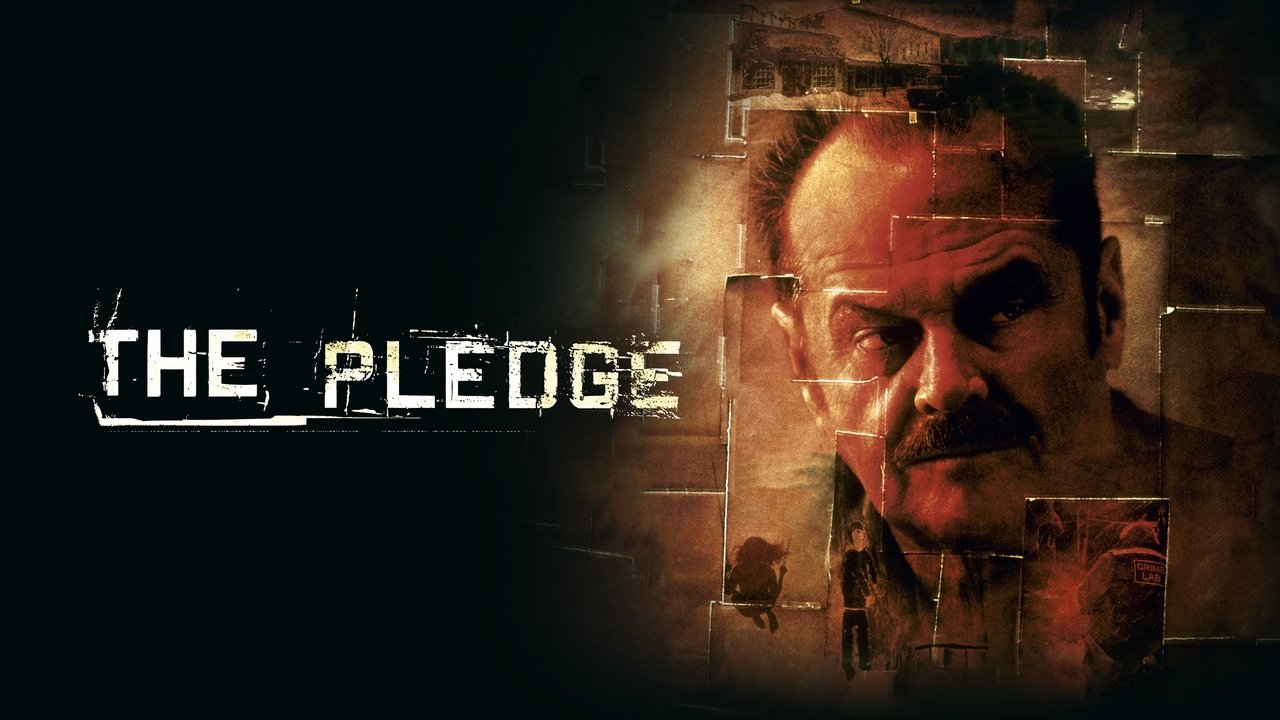
This is easily one of Jack Nicholson's most underrated turns. By 2001, the "Jack" persona—the arched eyebrows, the shark-like grin, the wolfish charm—had become a bit of a caricature. In The Pledge, he buries all of that. He plays Jerry as a man who is slowly leaking air. It’s a brittle, quiet performance that reminds you why the man has three Oscars. He doesn't chew the scenery; he stands in it, looking lost.
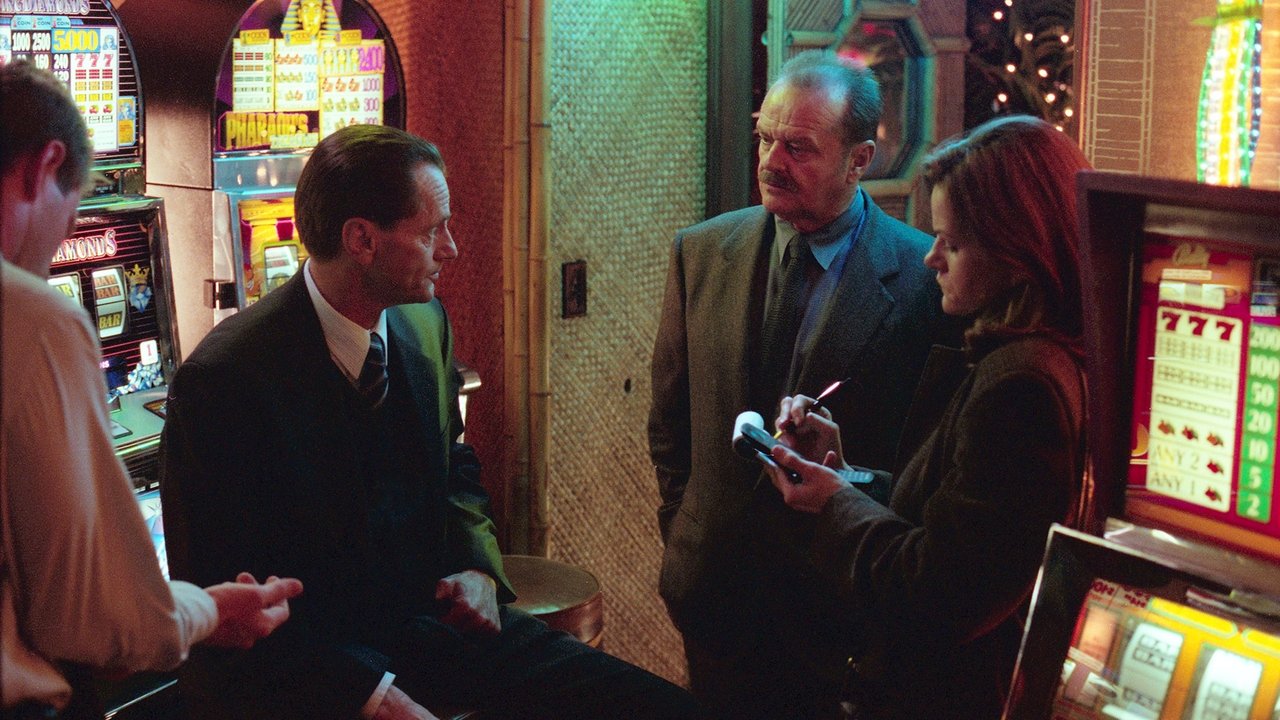
The supporting cast is a literal "Who’s Who" of actors who seemingly showed up just to work with Sean Penn. Benicio del Toro is unrecognizable in a brief, harrowing role as a mentally disabled suspect. Helen Mirren appears as a child psychologist for a single, chilly scene. Aaron Eckhart—fresh off his breakout in In the Company of Men—plays the young, arrogant detective who represents everything Jerry is losing: speed, confidence, and a future.
Then there’s Robin Wright as Lori, a waitress Jerry meets after "retiring" to a gas station near the suspected killer's route. Their relationship is the heart of the film’s second act, and it’s deeply uncomfortable. You want Jerry to find peace with her, but you can’t shake the feeling that he’s using this broken woman and her young daughter as live bait for his obsession.
Why This Film Vanished
So, why don’t we talk about The Pledge more? Part of it is the ending. I won't spoil it, but I will say it is one of the most relentlessly "un-Hollywood" finales ever committed to celluloid. It denies the viewer the one thing we crave from a mystery: a clean sense of justice. It’s based on a novel by Friedrich Dürrenmatt, a writer who specialized in the "tragic accident" of fate, and Sean Penn sticks to that vision with a zeal that is almost cruel.
The film also suffered from being "the other" thriller in a year dominated by the flashy Training Day. While Denzel Washington was winning an Oscar for playing a bombastic villain, Nicholson was quietly going mad in the snow. It’s a film that requires patience and a willingness to be depressed, two things that are hard to market to a Friday night crowd. It was also one of the last big swings from Franchise Pictures, a studio that eventually collapsed under the weight of some truly legendary financial scandals.
Looking back, The Pledge feels like a "holy grail" for fans of the dark, character-driven dramas that Hollywood has mostly stopped making. It’s a movie about the cost of a promise, and it doesn't care if you're having a good time. It’s the kind of film that lingers in your head like a cold you can't quite shake, reminding you that sometimes, even when you do the "right" thing, you lose everything anyway.
The Pledge is a somber, beautifully shot reminder that Jack Nicholson could do more than just play "Jack." It’s a film that respects its audience enough to be difficult, refusing to provide easy answers or a comfortable exit. If you’re in the mood for a mystery that cares more about the soul of the detective than the identity of the killer, this is a forgotten gem worth digging out of the bargain bin. Just make sure you have some Goo Gone for the sticker residue.

Keep Exploring...
-
Breakdown
1997
-
Kiss the Girls
1997
-
Arlington Road
1999
-
Basic
2003
-

Revolver
2005
-
Tell No One
2006
-
The Client
1994
-
In the Valley of Elah
2007
-
Kill the Messenger
2014
-
The Score
2001
-
I'm Not Scared
2003
-
The Rainmaker
1997
-
Lucky Number Slevin
2006
-

Pride and Glory
2008
-
Edge of Darkness
2010
-
The Bone Collector
1999
-
The Hunted
2003
-
Courage Under Fire
1996
-
Cop Land
1997
-
A Simple Plan
1998