The Royal Tenenbaums
"Genius is a family trait. So is failure."
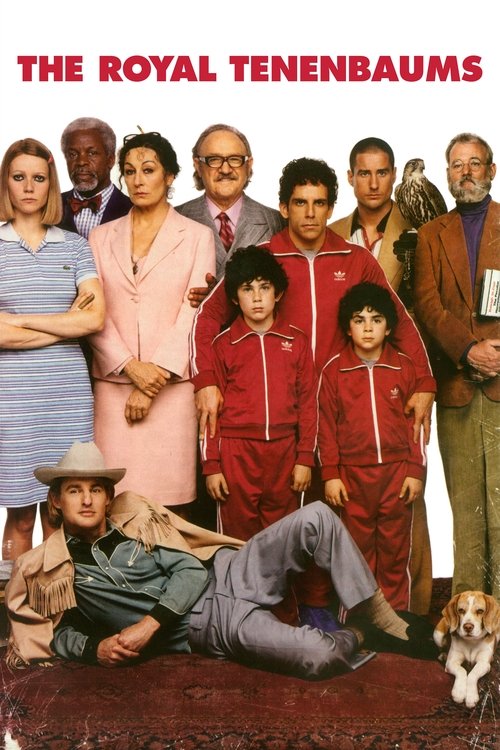
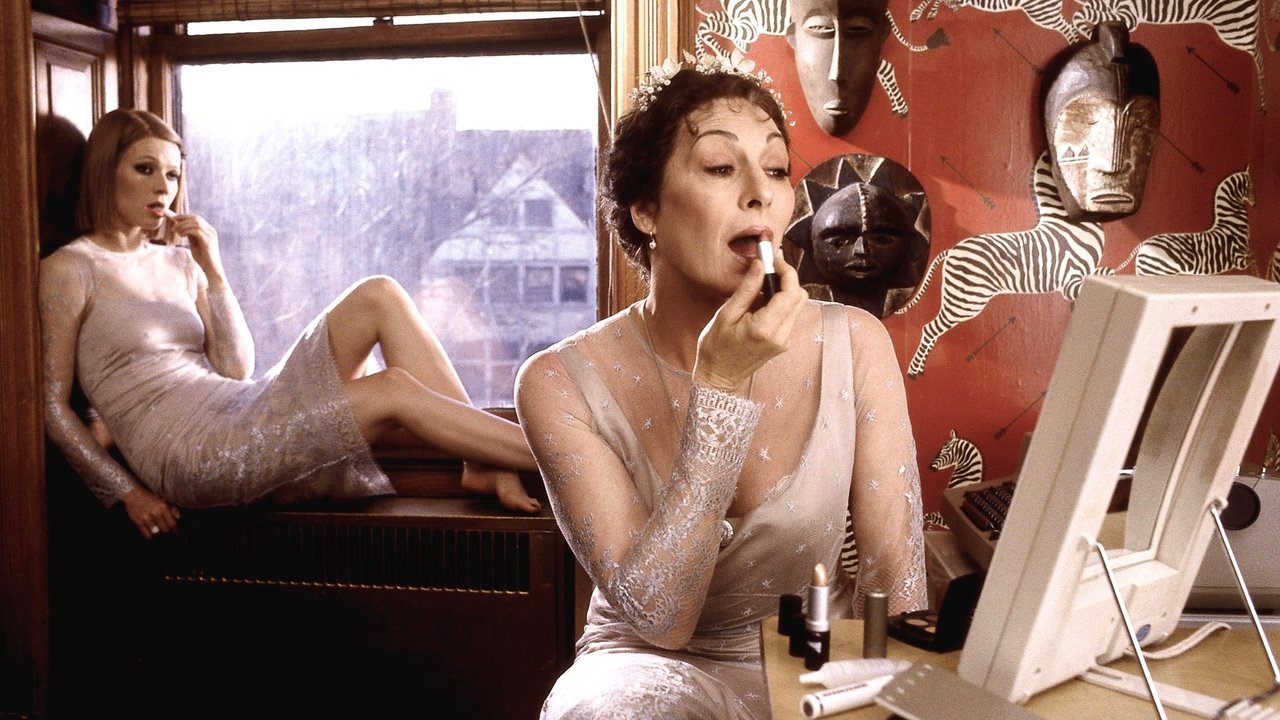
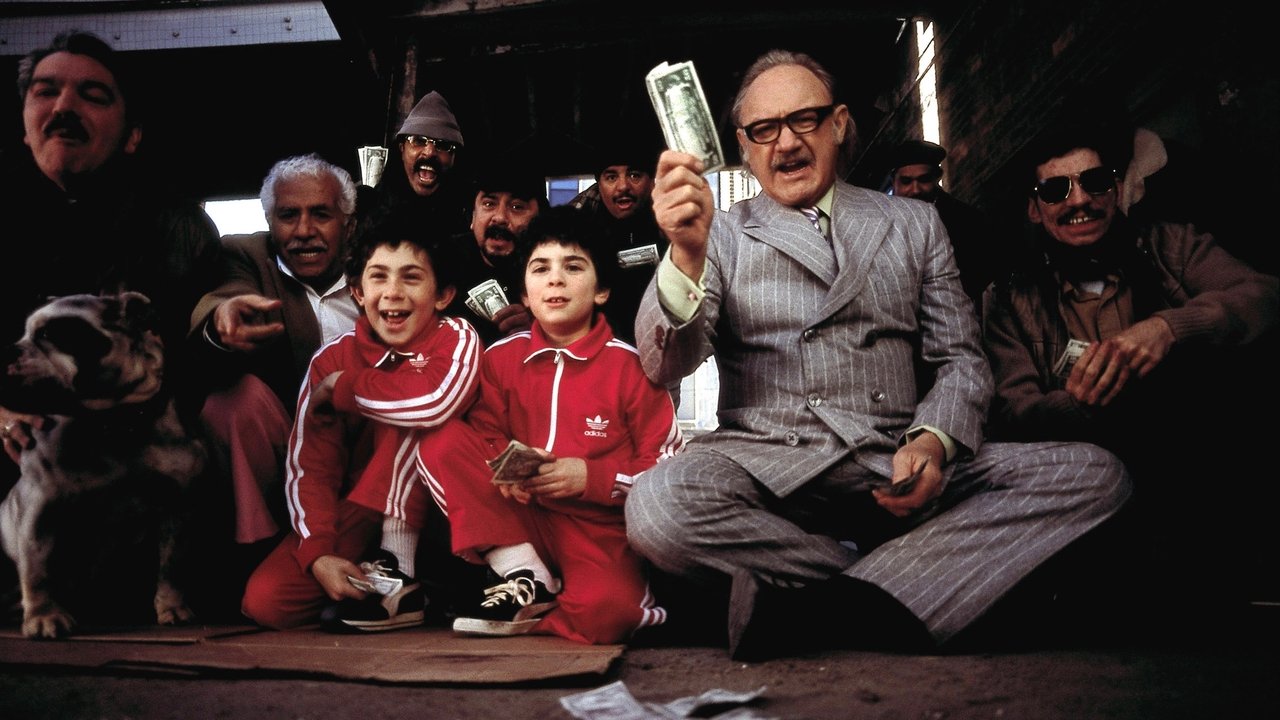
Most movies try to look like life; Wes Anderson movies try to look like the books you wish you’d read as a kid. When The Royal Tenenbaums arrived in 2001, it didn't just feel like a new movie—it felt like a new visual language. I first caught this on a scratched DVD while nursing a mild case of food poisoning from a lukewarm deli sandwich, and somehow, the film’s saturated pinks and yellows were the only thing keeping me upright. It is a story about brilliant people who are absolutely terrible at being humans, wrapped in a diorama of 1970s New York nostalgia that never actually existed.
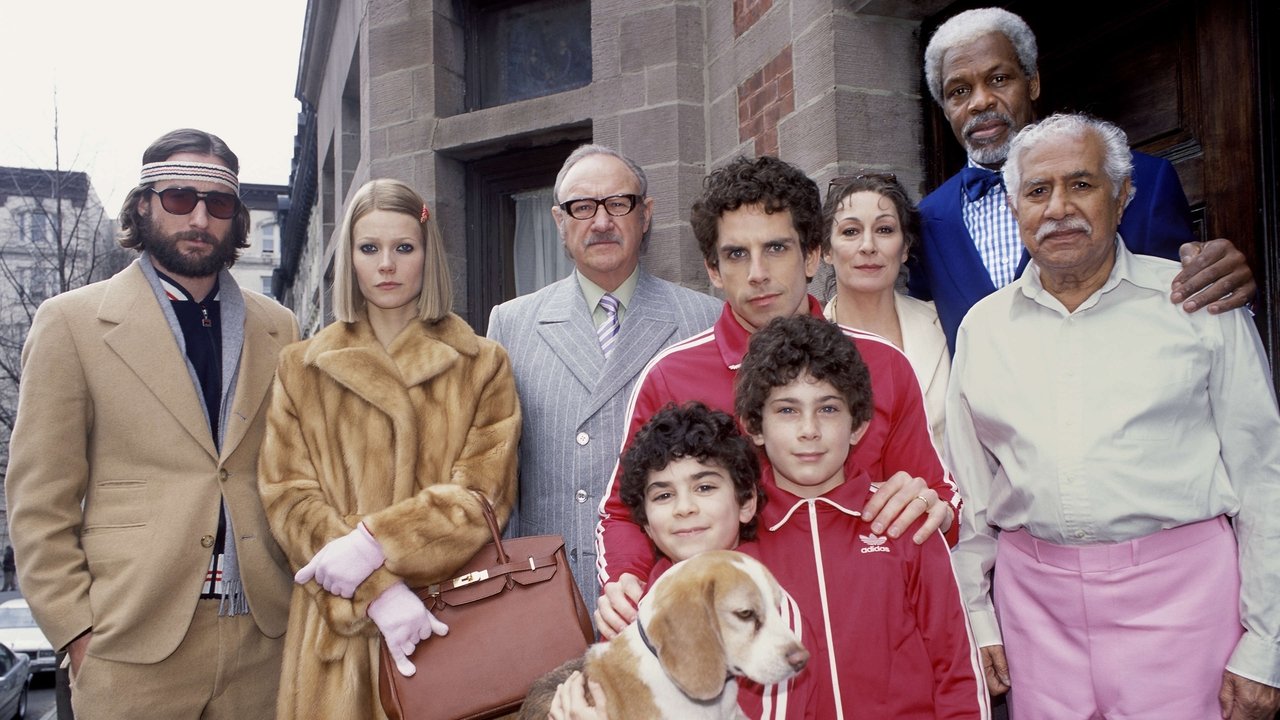
Looking back from a world of CGI-heavy franchises, there’s something wonderfully tactile about this era of filmmaking. This was the peak of the "Indie Film Renaissance," where a director could get twenty million dollars to build a fictional universe out of corduroy, old record players, and a very specific shade of red. It’s a drama that wears the costume of a comedy, hiding its bruises under well-tailored tracksuits.
The Architecture of a Broken Family
The plot is a classic "reunion" setup, but warped through a funhouse mirror. Royal Tenenbaum—played with a magnificent, rascal-like energy by Gene Hackman—is a disgraced litigator who fakes stomach cancer to worm his way back into the lives of his estranged wife and three formerly-genius children. He’s a terrible father, a worse husband, and a delightful protagonist. Gene Hackman was famously difficult on set, reportedly telling Wes Anderson to pull up his pants and act like a man, but that friction translates into a performance that feels dangerous. He’s the chaos agent in a world that is otherwise perfectly symmetrical.
The "children," now grown and broken, are where the emotional weight sits. Ben Stiller delivers perhaps his most nuanced dramatic work as Chas, a man whose grief over his wife’s death has mutated into a frantic, obsessive need to safety-check his entire life. Gwyneth Paltrow’s Margot is an icon of early-2000s malaise, a secretive playwright with a wooden finger and kohl-rimmed eyes who spends her days in a bathtub. Then there’s Luke Wilson as Richie, the tennis pro whose quiet, simmering depression leads to one of the most devastatingly honest scenes in modern cinema.
A Masterclass in Deadpan Drama
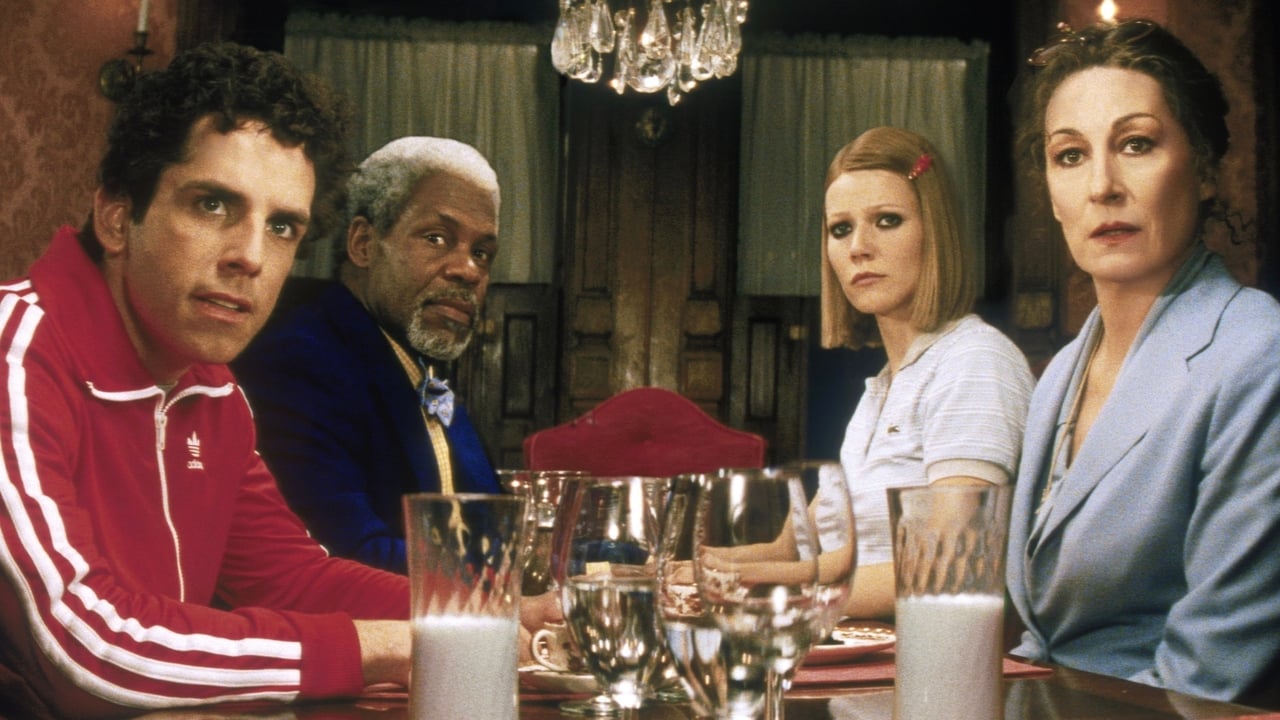
What I appreciate most about The Royal Tenenbaums is how it earns its sentimentality. It would have been easy to make this a wacky farce, but Anderson and co-writer Owen Wilson treat the pain of these characters with total sincerity. When Luke Wilson stands in front of a mirror to the tune of Elliott Smith, the film stops being a "quirky comedy" and becomes a heavy meditation on the burden of potential. It’s a reminder that the best dramas don't need likable heroes; they just need interesting ones.
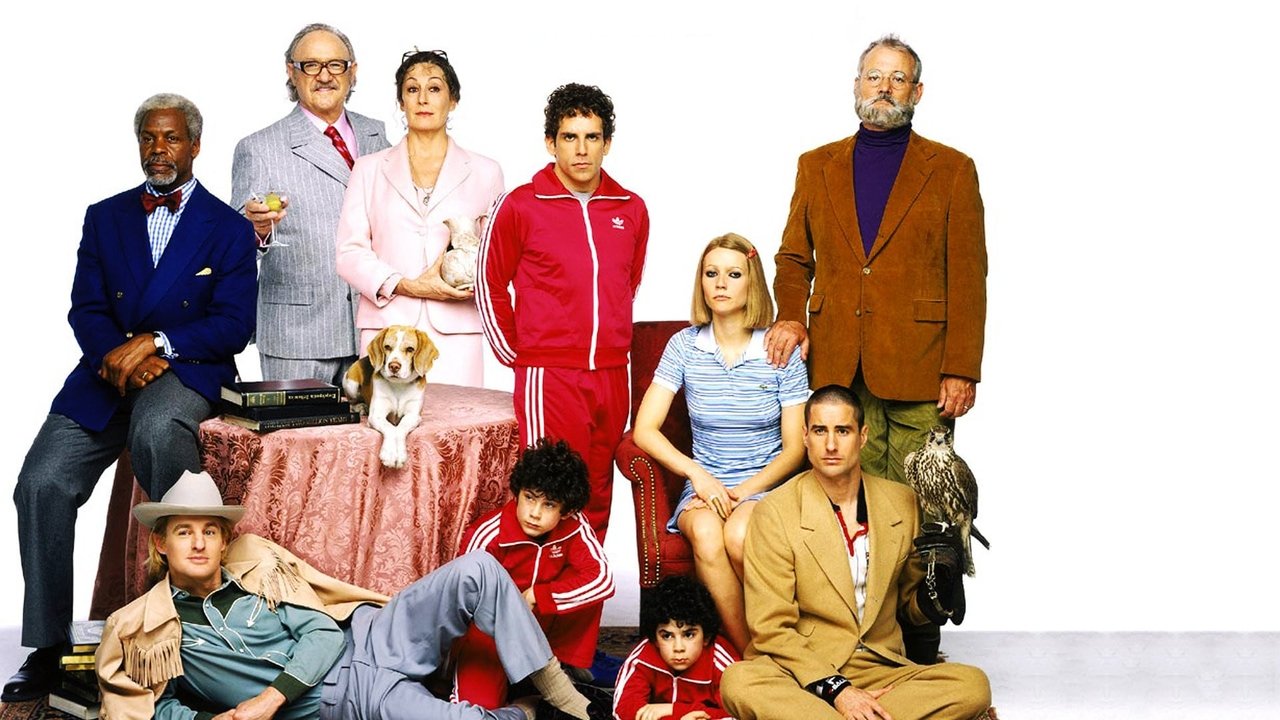
The supporting cast is equally stacked. Anjelica Huston provides a regal, steady heart as Etheline, while Bill Murray plays Margot’s husband, Raleigh St. Clair, with a pathetic, drooping dignity. Danny Glover and Owen Wilson (playing the Tenenbaum-obsessed Eli Cash) round out an ensemble that feels like a real, albeit deeply dysfunctional, ecosystem. The dialogue is snappy and stylized, yet it captures the specific way families communicate—through subtext, old grudges, and the things they don't say.
Stuff You Might Not Have Noticed
The cult status of this film didn't just happen because of the costumes; it was the obsessive attention to detail that fans spent hours dissecting on their DVD players. For instance, did you know that every book seen in the film was actually written and bound with a full cover designed specifically for the movie? Or that the "Dalmatian mice" Chas breeds were actually hand-painted by the crew because nature doesn't provide spotted rodents on demand?
Apparently, the bird who played Mordecai the hawk was actually kidnapped during production and held for ransom, which is why the bird looks different in the later half of the film (they had to buy a replacement). Also, Owen Wilson's character, Eli Cash, was a direct parody of the "literary lion" archetype of the late 90s—men who wrote hyper-masculine westerns while living in posh apartments. Even the soundtrack is a curated artifact; it’s basically a hipster's starter pack from the early Bush era, blending Nico, The Velvet Underground, and Nick Drake into a vibe that defined a generation of bedroom poets.
The Royal Tenenbaums is that rare bird: a film that is technically perfect in its art direction but messy and human in its soul. It captures the transition of the early 2000s, where "indie" moved from the fringes into the mainstream, proving that audiences were hungry for stories that felt personal, specific, and slightly strange. It’s a film about forgiving your parents for being people, and it’s just as sharp today as it was twenty years ago. If you haven't visited 111 Archer Avenue lately, it's time to go back.
---
Keep Exploring...
-

Rushmore
1998
-
The Life Aquatic with Steve Zissou
2004
-

The Darjeeling Limited
2007
-
Moonrise Kingdom
2012
-
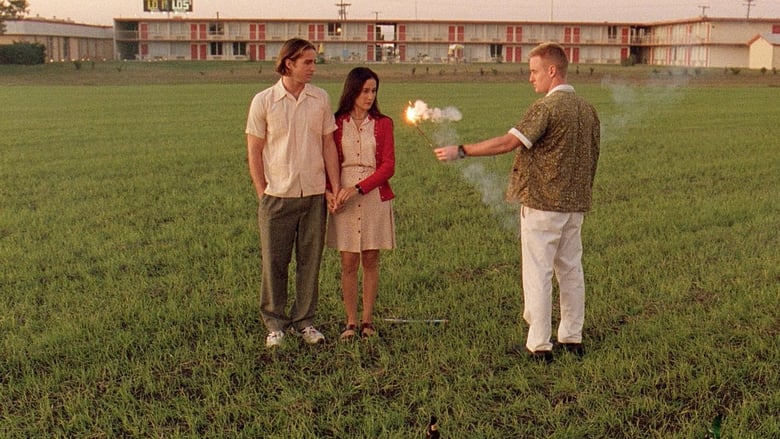
Bottle Rocket
1996
-
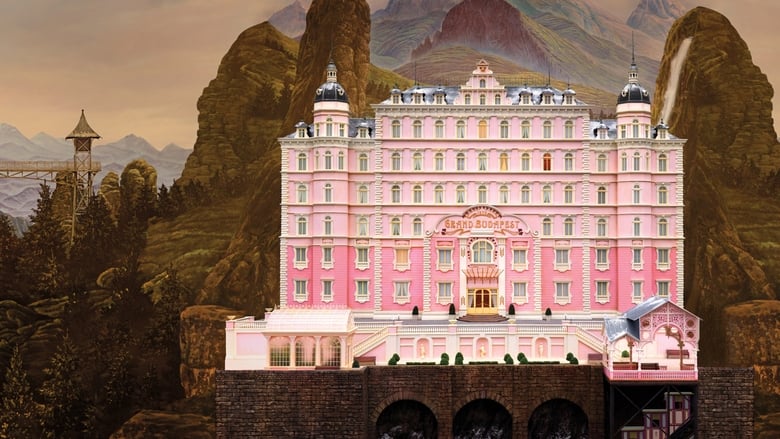
The Grand Budapest Hotel
2014
-
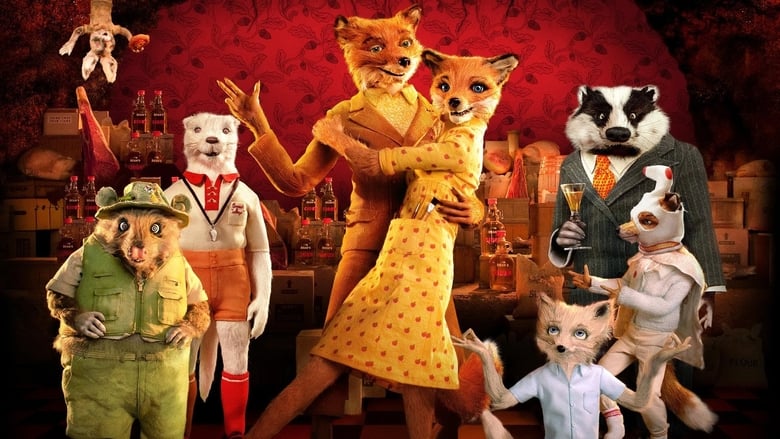
Fantastic Mr. Fox
2009
-
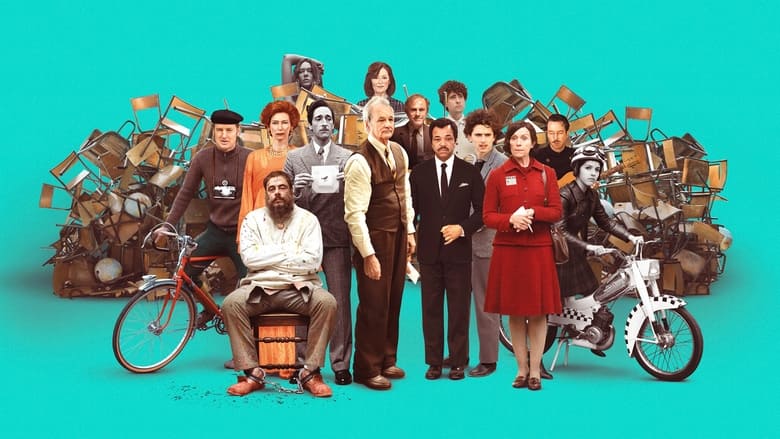
The French Dispatch of the Liberty, Kansas Evening Sun
2021
-
Fear and Loathing in Las Vegas
1998
-
10 Things I Hate About You
1999
-

Being John Malkovich
1999
-
High Fidelity
2000
-
Adaptation.
2002
-
Punch-Drunk Love
2002
-
Bad Santa
2003
-
Thank You for Smoking
2005
-
Stranger Than Fiction
2006
-
Hotel Chevalier
2007
-
Ed Wood
1994
-
50/50
2011