Thir13en Ghosts
"Glass houses shouldn't trap ghosts."
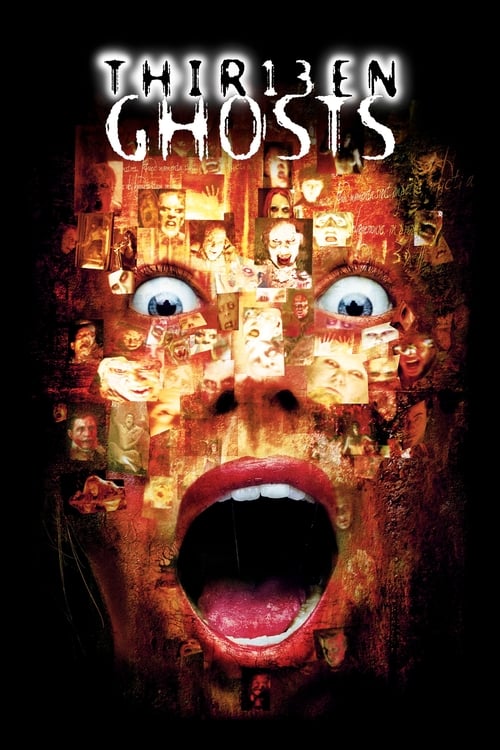
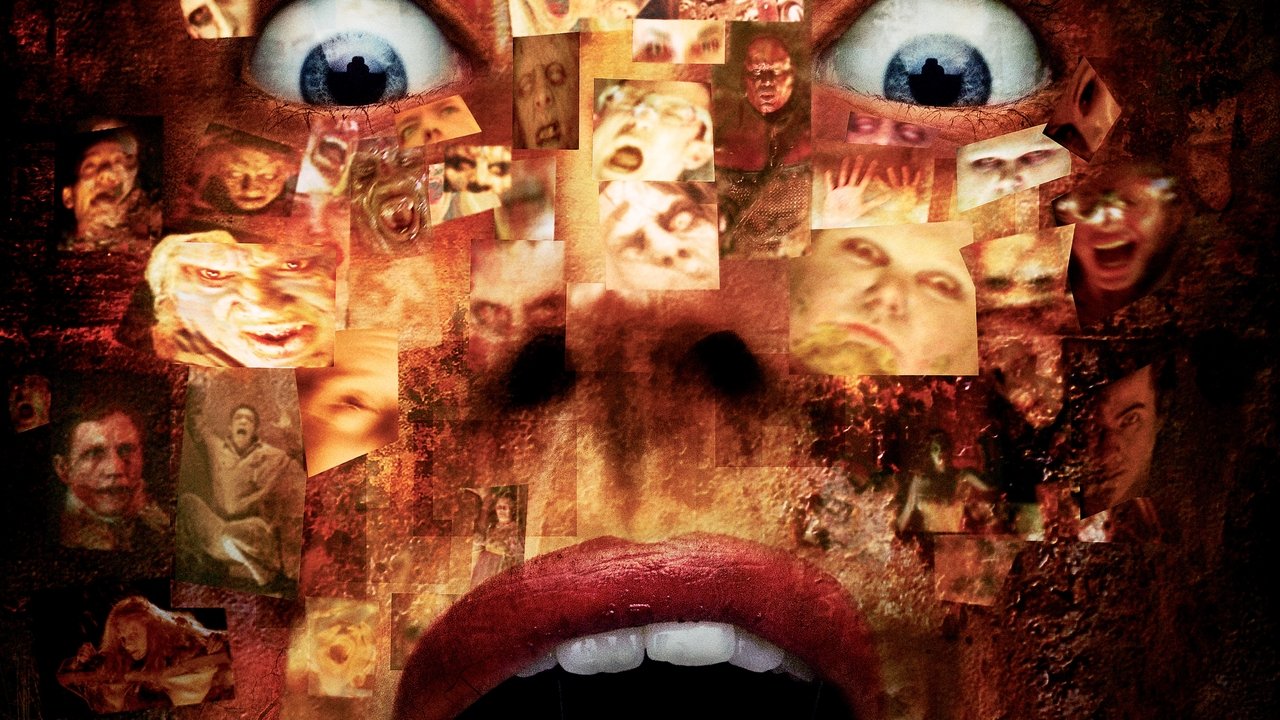
There is a specific brand of early-2000s maximalism that feels like it was designed by someone who drank three Red Bulls and then stared at a strobe light for an hour. It was the era of the "Dark Castle" aesthetic—a short-lived but glorious period where producers Robert Zemeckis and Joel Silver decided to remake William Castle’s gimmicky 1960s horror catalog with modern budgets and an aggressive, music-video-inspired sheen. Thir13en Ghosts is the crown jewel of this frantic, shiny, and surprisingly bloody sub-genre. It doesn't ask you to contemplate the nature of grief; it asks you to imagine what would happen if a Rubik’s Cube was made of glass and filled with homicidal spirits.
I once tried to eat a very spicy bowl of beef ramen while watching the scene where the lawyer gets bisected by the sliding glass doors, and the physical sensation of the heat combined with that visual was, quite frankly, a religious experience.
The Architecture of a Mechanical Nightmare
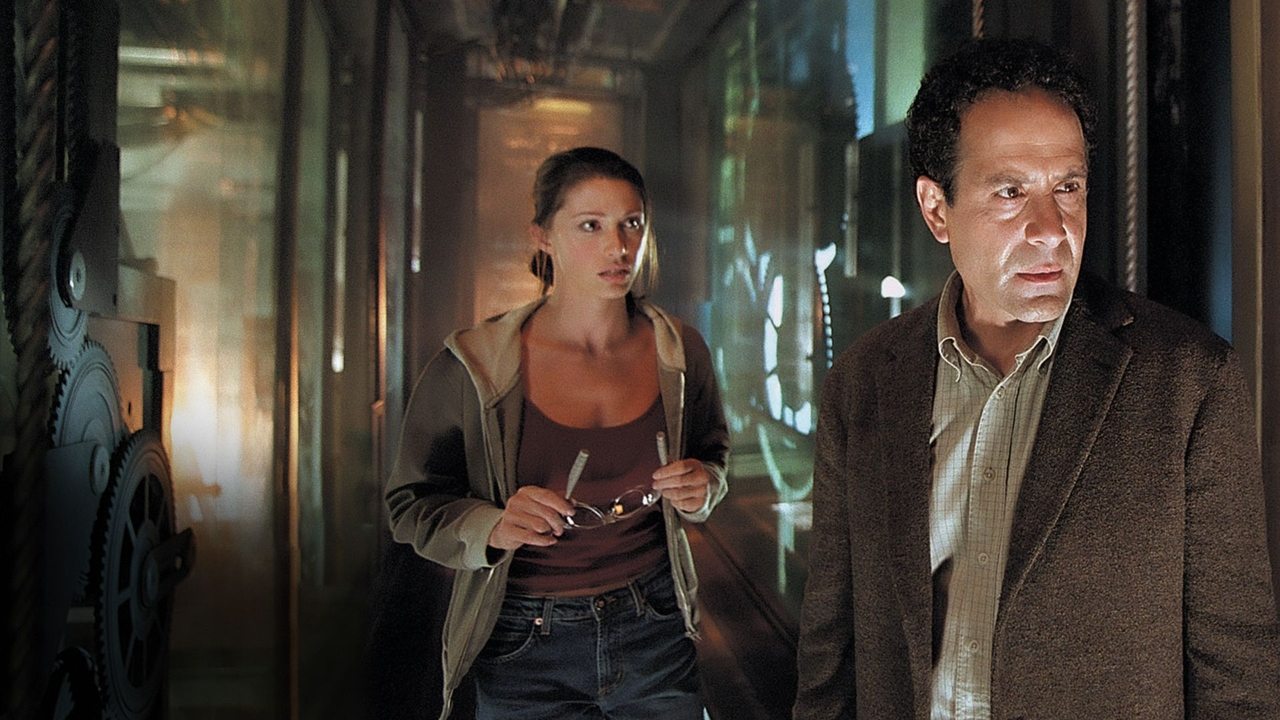
The real star of this movie isn’t the cast, though they are doing the absolute most; it’s the house. In a period where CGI was beginning to swallow every production whole, director Steve Beck (who came from a background in commercials) leaned into a physical set that remains one of the most impressive feats of production design from the turn of the millennium. The house is a labyrinth of shifting glass walls etched with Latin containment spells. It’s transparent, yet claustrophobic.
Looking back, the transparency is a brilliant subversion of the "dark hallway" trope. In most horror movies, you're scared of what you can't see. Here, you can see the threat coming from three rooms away, but because the walls are literally moving and locking, you’re just a witness to your own impending doom. It’s a very Y2K anxiety: the idea of being trapped within a complex, heartless machine. This movie is essentially a high-concept architecture documentary where the building tries to eat the tenants.
The DVD Lore and the KNB Creepers
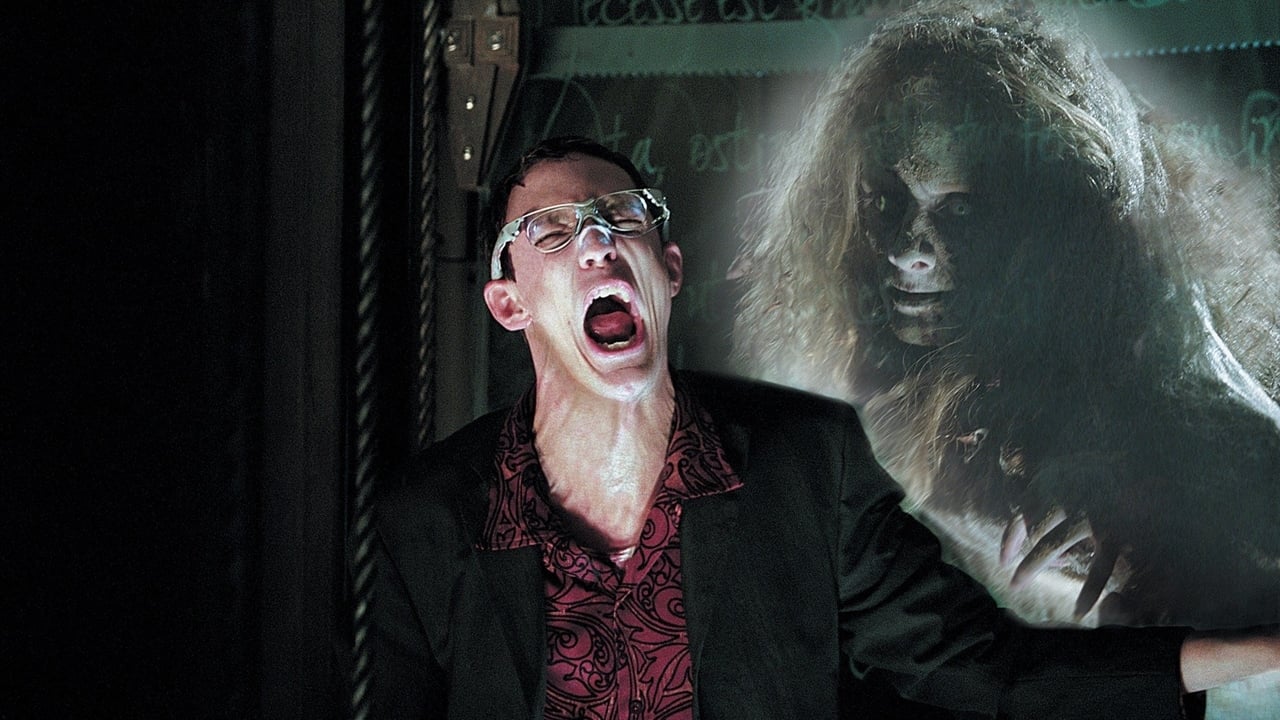
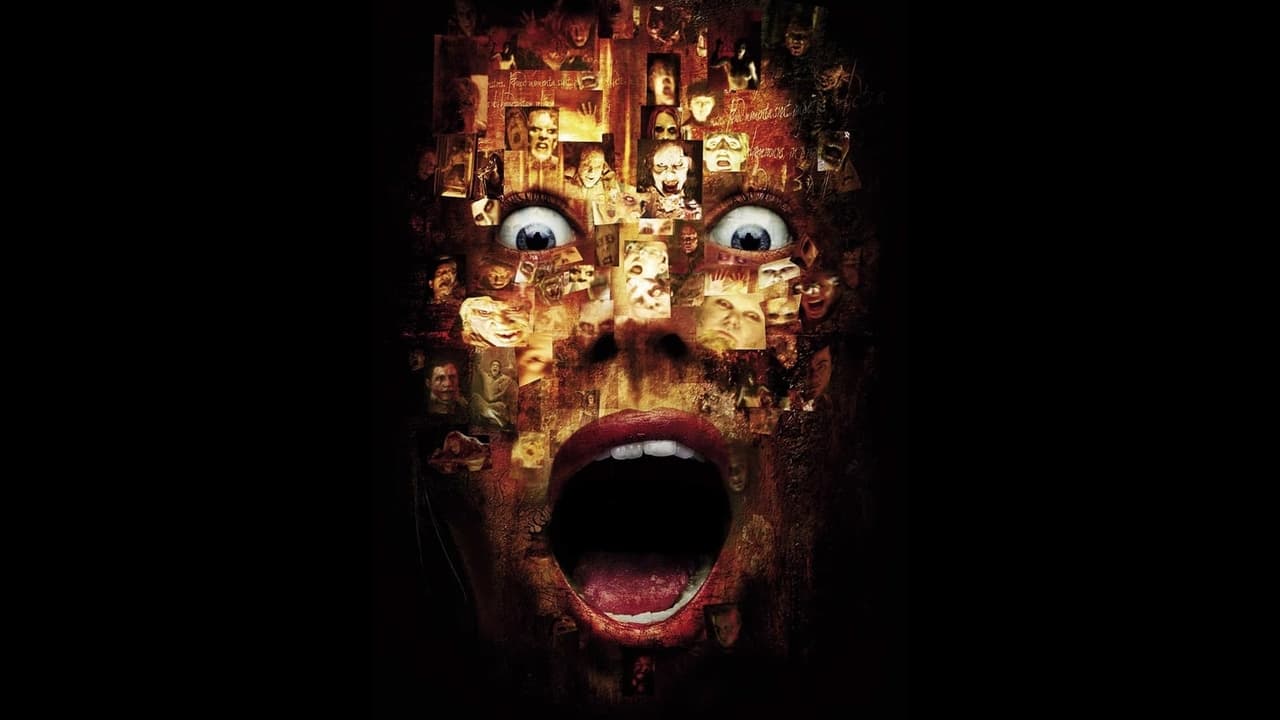
If you grew up in the peak DVD era, you probably remember the "Ghost Files" featurette on the disc. This is where Thir13en Ghosts earned its cult stripes. While the film gives the ghosts themselves relatively little screen time, the makeup work by Howard Berger and the legendary KNB EFX Group is staggering. Each of the twelve ghosts has a distinct, tragic, and incredibly violent backstory—from The Jackal (the twitchy guy in the cage) to The Angry Princess.
The practical effects here represent that brief window where digital touch-ups were used to enhance, rather than replace, physical prosthetics. The ghosts look "wet" and tangible in a way that modern CGI spirits rarely do. Apparently, the actor playing The Jackal, Mikhael Speidel, had to be sewn into his costume and was so committed to the twitchy movement that he frequently freaked out the rest of the crew between takes. It's that level of dedication to a "B-movie" that makes the film feel so much more substantial than its thin plot would suggest.
Lillard, Shalhoub, and the Art of the Panic Attack
The casting is an absolute fever dream. You’ve got Tony Shalhoub, just a year before he became a household name with Monk, playing a grieving father with a level of sincerity the movie doesn't always deserve. Then you have Matthew Lillard, fresh off his Scream fame, playing a "psychic ghost hunter" who is essentially a live-wire of pure, unadulterated stress. Matthew Lillard acts like he’s trying to win an Olympic gold medal for 'Most Distressed Man in a Hawaiian Shirt,' and honestly, he’s the heartbeat of the film.
His character, Rafkin, provides the necessary exposition but delivers it with such frantic energy that you forget you’re being fed plot points. He brings a "shaggy dog" energy that balances Tony Shalhoub’s groundedness. We also get Shannon Elizabeth, then the reigning queen of teen cinema after American Pie, and Embeth Davidtz, who does her best to sell the "ghost rights activist" angle with a straight face. The chemistry is weird, the dialogue is often clunky, but there is zero cynicism in the performances. Everyone is playing for the back row of the theater.
Thir13en Ghosts is far from a perfect film—the editing is hyperactive to a fault, and the ending feels like it was written five minutes before the cameras rolled—but it is an endlessly watchable artifact of 2001. It’s a movie that values "cool" over "logic," and in a landscape of increasingly sanitized horror, its commitment to gnarly makeup and clockwork carnage is refreshing. It’s the kind of film you find on TV at 11:00 PM and find yourself unable to turn off because you just have to see the next ghost design.
Is it a masterpiece? Not by a long shot. Is it a loud, glass-shattering, Matthew Lillard-shouting good time? Absolutely. If you haven't revisited this one since the days of Blockbuster rentals, give it another spin—just keep the spicy ramen away from the gore scenes.
Keep Exploring...
-
Ghost Ship
2002
-
From Dusk Till Dawn
1996
-
The Ninth Gate
1999
-
From Hell
2001
-
Wrong Turn
2003
-
House of Wax
2005
-
The Skeleton Key
2005
-

The Hills Have Eyes
2006
-
Sleepy Hollow
1999
-

Blade II
2002
-
30 Days of Night
2007
-

Planet Terror
2007
-

The Mist
2007
-
Funny Games
2008
-
The Strangers
2008
-
Drag Me to Hell
2009
-
Friday the 13th
2009
-
Orphan
2009
-
Pandorum
2009
-
Saw VI
2009