Training Day
"Justice has a price. Alonzo is the debt collector."
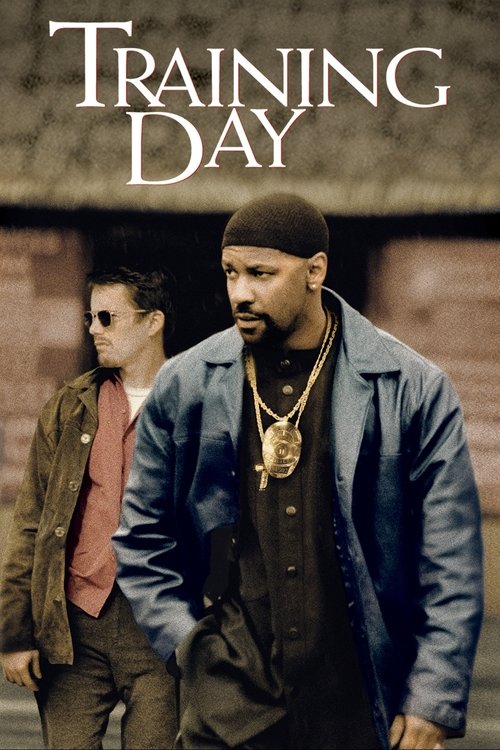
The first time I saw Training Day, I watched it on an old CRT TV that had a slight purple tint in the lower-right corner, which weirdly made the smoggy L.A. skyline look even more apocalyptic than it already was. It didn't matter. Even through a distorted tube, the gravitational pull of Denzel Washington was so strong I felt like I needed to check my pockets for my wallet after the credits rolled.
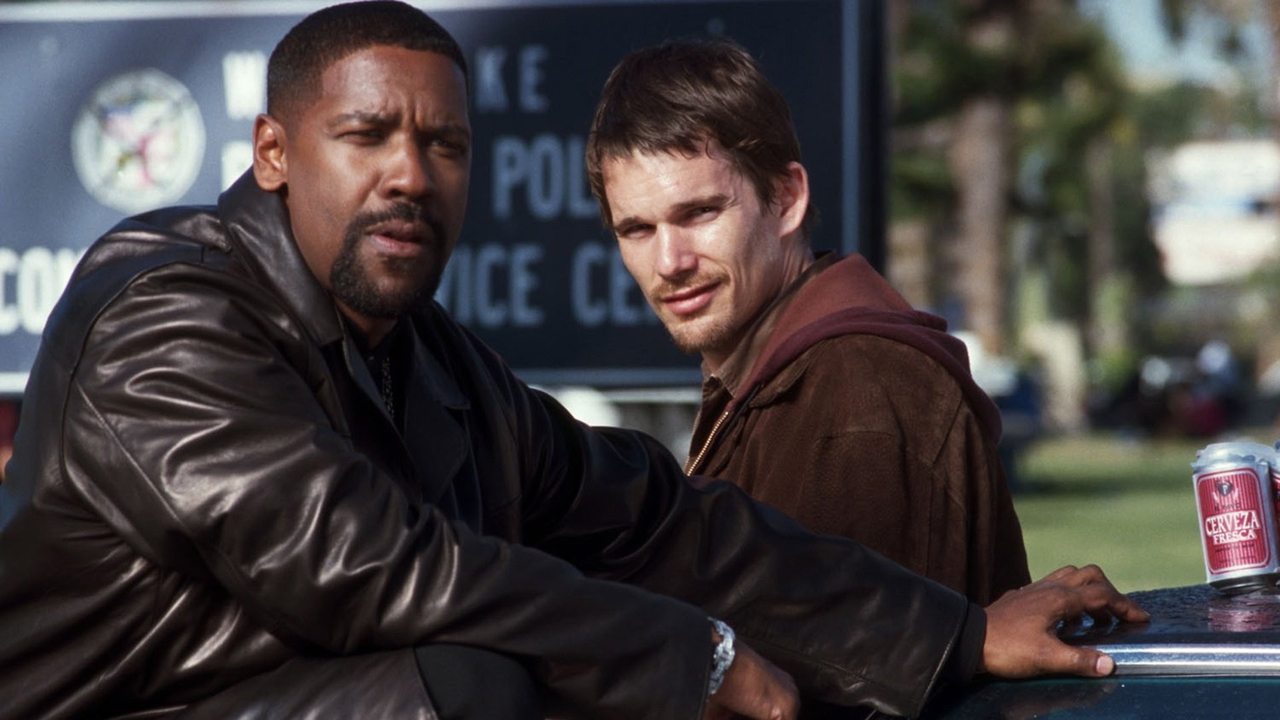
In 2001, we were at the peak of the "Rampart Scandal" hangover in Los Angeles. The image of the LAPD was fractured, and director Antoine Fuqua decided to take a sledgehammer to whatever remained of the "hero cop" archetype. This isn't just a movie about a ride-along gone wrong; it’s a high-stakes, urban gothic horror story where the monster wears a badge and drives a 1979 Chevy Monte Carlo.
The Wolf and the Sheep
The premise is deceptively simple. Jake Hoyt (Ethan Hawke) is a wide-eyed rookie looking for a promotion to the elite narcotics division. To get there, he has to survive twenty-four hours with Sergeant Alonzo Harris (Denzel Washington). From the moment they sit down for breakfast, the power dynamic is clear. Alonzo isn't just Jake’s boss; he’s his tempter, his tormentor, and his judge.
What makes the film work so well—and why it has gained such a massive cult following—is the moral erosion. David Ayer, who wrote the script, has a specific obsession with the "thin blue line" and the grime that accumulates on it. Here, he asks a terrifying question: Can you fight monsters without becoming one? Denzel didn't just play a villain; he played a shark that thinks it’s a savior, and that’s why it’s terrifying. He’s so charismatic that you almost find yourself nodding along to his twisted logic until he does something so irredeemable you realize you’ve been seduced by a predator.
L.A. as a War Zone
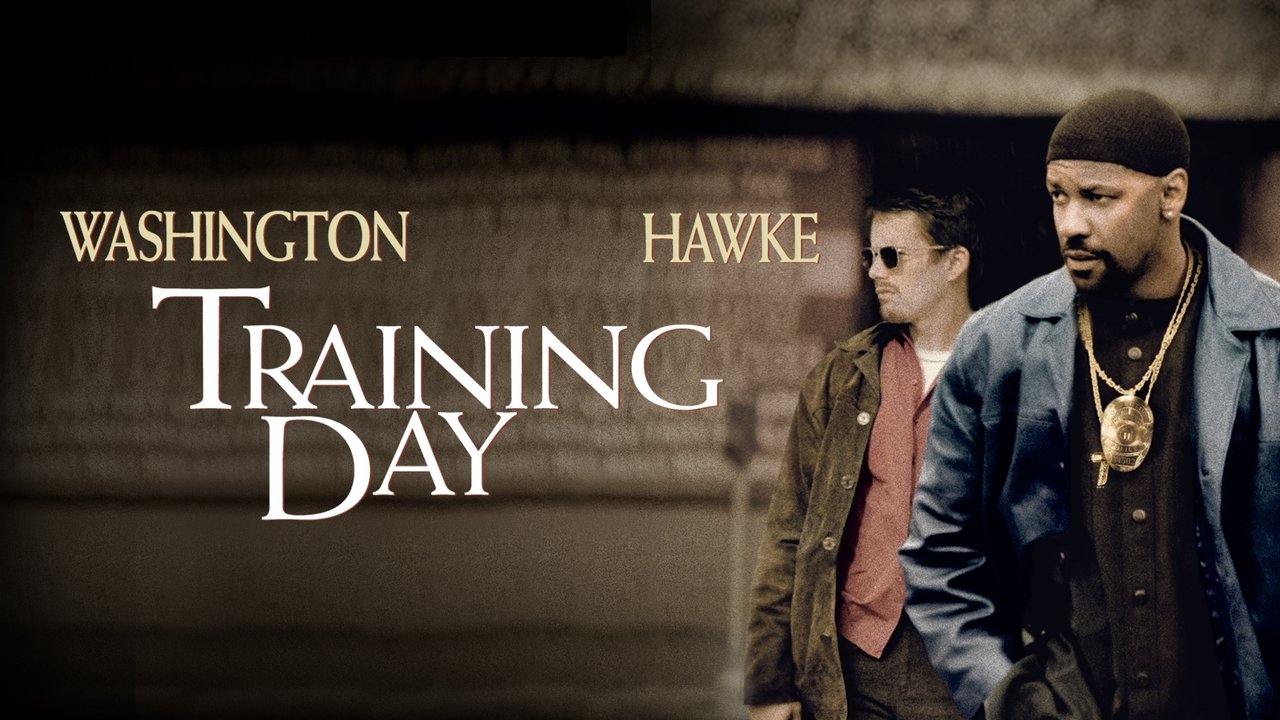
Visually, Training Day captures a version of Los Angeles that feels lived-in and dangerously tactile. This was the era before digital cameras smoothed everything out, and Mauro Fiore’s cinematography has a grainy, sun-scorched urgency. They didn't just build sets for this; they went into the heart of neighborhoods like Baldwin Village (the "Jungle") and Imperial Courts.
Apparently, the production actually sought permission from local gangs to film in these areas. It wasn't just for PR; having real gang members as extras added a layer of unspoken tension that you can’t rehearse. There’s a scene in a high-rise where Jake is nearly executed in a bathtub—a sequence that remains one of the most stressful things I’ve ever sat through—and the claustrophobia feels genuine because they were shooting in tight, real-world spaces.
The film also captures that early 2000s transition where hip-hop culture and cinema were fully fused. Seeing Snoop Dogg as a crack dealer in a wheelchair or Dr. Dre as a member of Alonzo’s corrupt inner circle felt like a monumental crossover event at the time. It gave the film a "street-level" credibility that helped it transcend the typical police procedural.
The King Kong of Performances
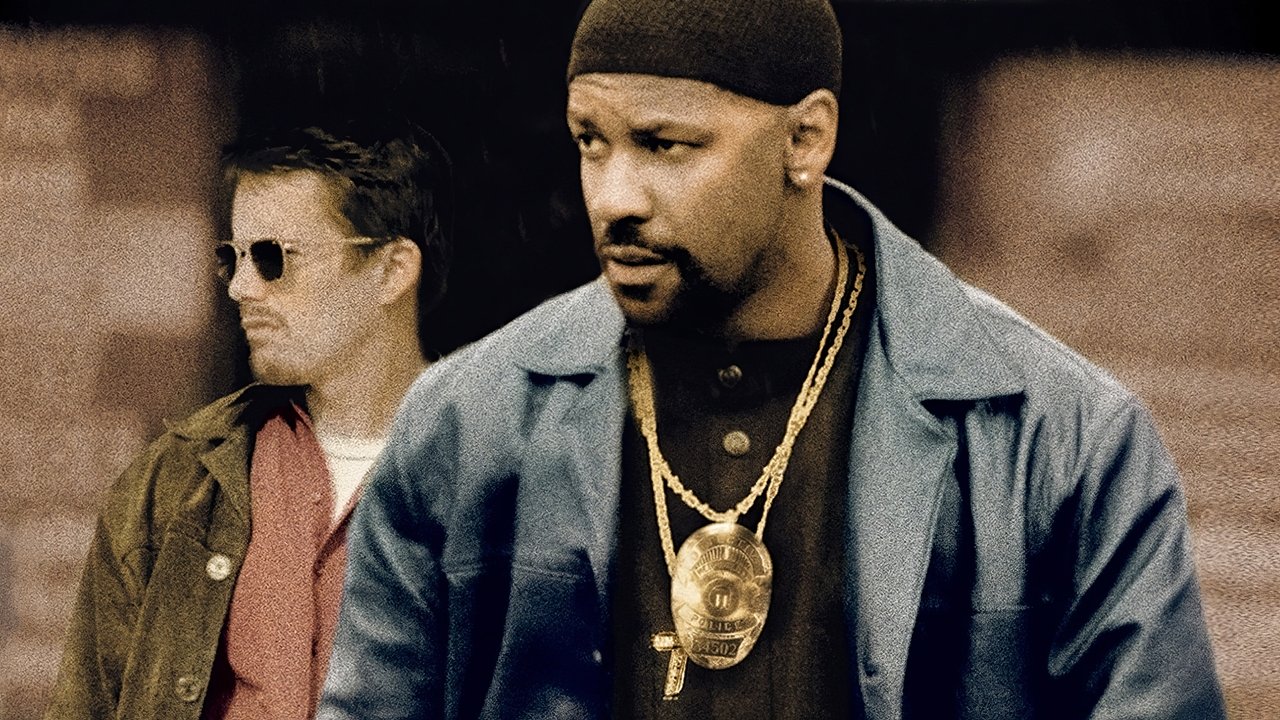
We have to talk about that "King Kong" line. It’s the stuff of cinema legend now, but it turns out Denzel Washington ad-libbed that entire "King Kong ain't got shit on me!" rant. He was supposed to be losing control, and he tapped into something so primal that it secured him an Oscar. Looking back, it’s a performance that reveals its era—it’s big, it’s theatrical, and it’s unashamedly "star-power" driven.
Ethan Hawke often gets overshadowed because he’s playing the "sheep," but his performance is the anchor. If he doesn't sell the soul-crushing realization that his idol is a demon, the movie falls apart. He reportedly spent weeks riding along with undercover officers to prepare, and you can see that exhaustion in his eyes by the third act. He’s the audience’s proxy, and we’re just as battered as he is by the time the sun goes down.
The "Training Day Collection" or the various special edition DVDs that followed are a treasure trove for anyone interested in the "making of" magic. The commentary tracks reveal how much of the film’s grit was intentional, from Denzel insisting on his character's specific look (based on real-life corrupt cop Rafael Pérez) to the way they staged the climactic shootout. It’s a reminder of a time when "action" meant physical stunts and practical gunplay rather than a blur of CGI pixels.
Training Day hasn't aged a day because the questions it asks about power and corruption are timeless. It’s a brutal, relentless piece of filmmaking that relies on two incredible actors locked in a psychological cage match. While the final act leans a bit more into traditional "action movie" territory than the nuanced character study that precedes it, the ride is so exhilarating you won't mind the bumps. It’s a dark, intense masterpiece of the genre that demands you pay attention to the man behind the badge—even if you don't like what you see.


Keep Exploring...
-

The Equalizer
2014
-
Shooter
2007
-
John Q
2002
-

The Negotiator
1998
-

Batman Begins
2005
-
Tears of the Sun
2003
-
Man on Fire
2004
-
The Equalizer 3
2023
-
Undisputed II: Last Man Standing
2006
-
United 93
2006
-
End of Watch
2012
-

Inside Man
2006
-

American Gangster
2007
-
Blow
2001
-
Infernal Affairs
2002
-
The Protector
2005
-
Elite Squad
2007
-
From Dusk Till Dawn
1996
-

Jackie Brown
1997
-
The Boondock Saints
1999