Wasabi
"French muscle, Tokyo neon, and a very spicy surprise."
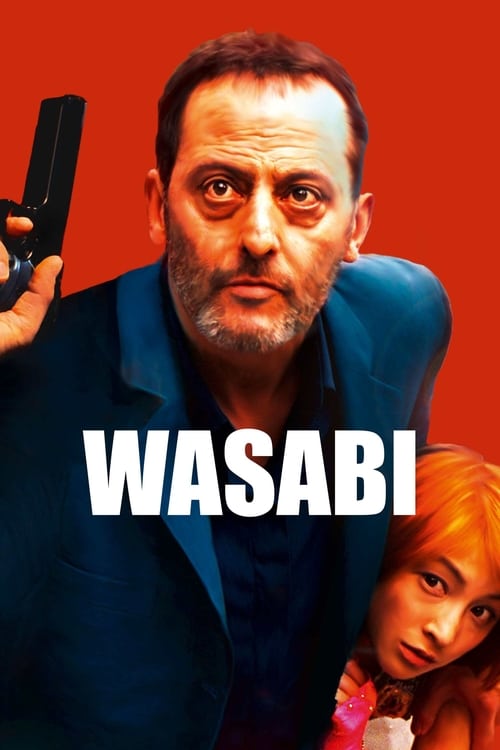
Imagine taking the world’s most exhausted-looking Frenchman and dropping him into the middle of a Sega Dreamcast commercial. That is the fundamental energy of Wasabi. Released in 2001, this flick arrived at the tail end of that glorious window where Luc Besson (the mind behind The Fifth Element and Leon: The Professional) was basically a one-man factory for high-octane, slightly absurd French action cinema.
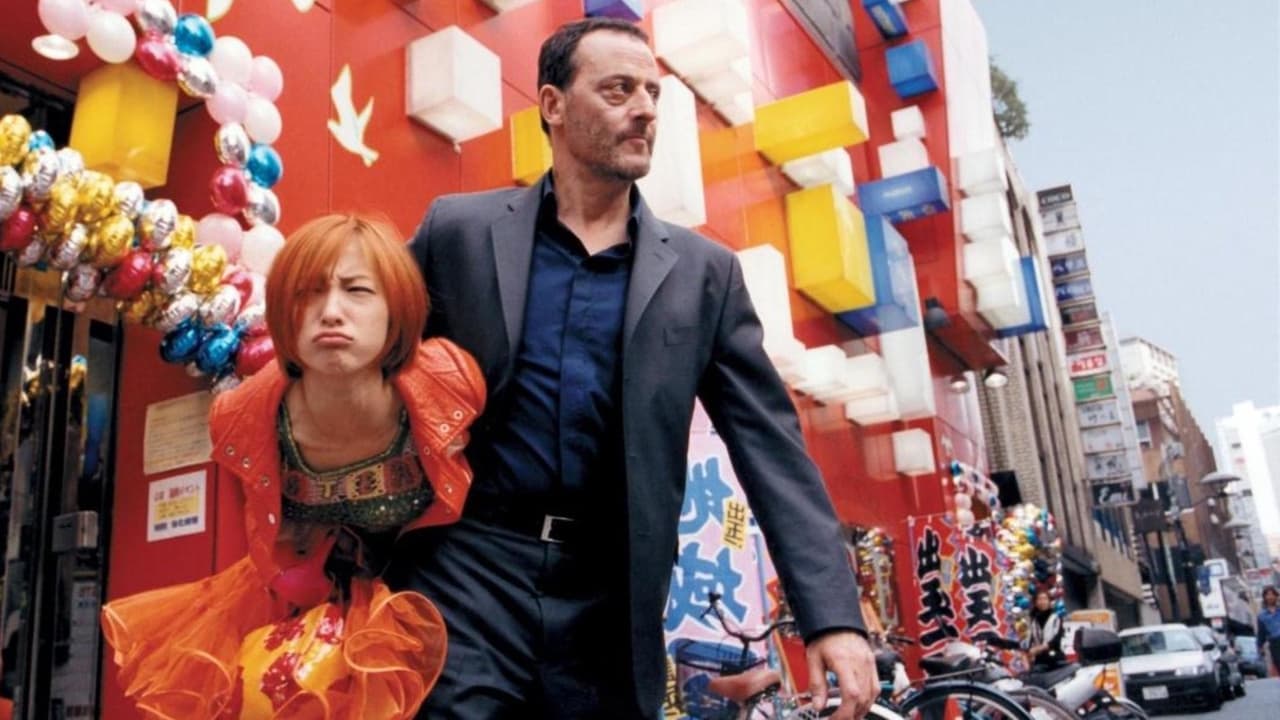
I watched this recently while sitting on a beanbag chair that has lost about 40% of its structural integrity, eating a bowl of cold noodles, and I realized that Wasabi is exactly the kind of "DVD bin" treasure we don't talk about enough anymore. It’s a film that exists in the strange, neon-lit gap between the gritty 90s and the hyper-digital 2000s, and it’s arguably the most fun Jean Reno has ever had on screen.
The Grumpy Giant in Harajuku
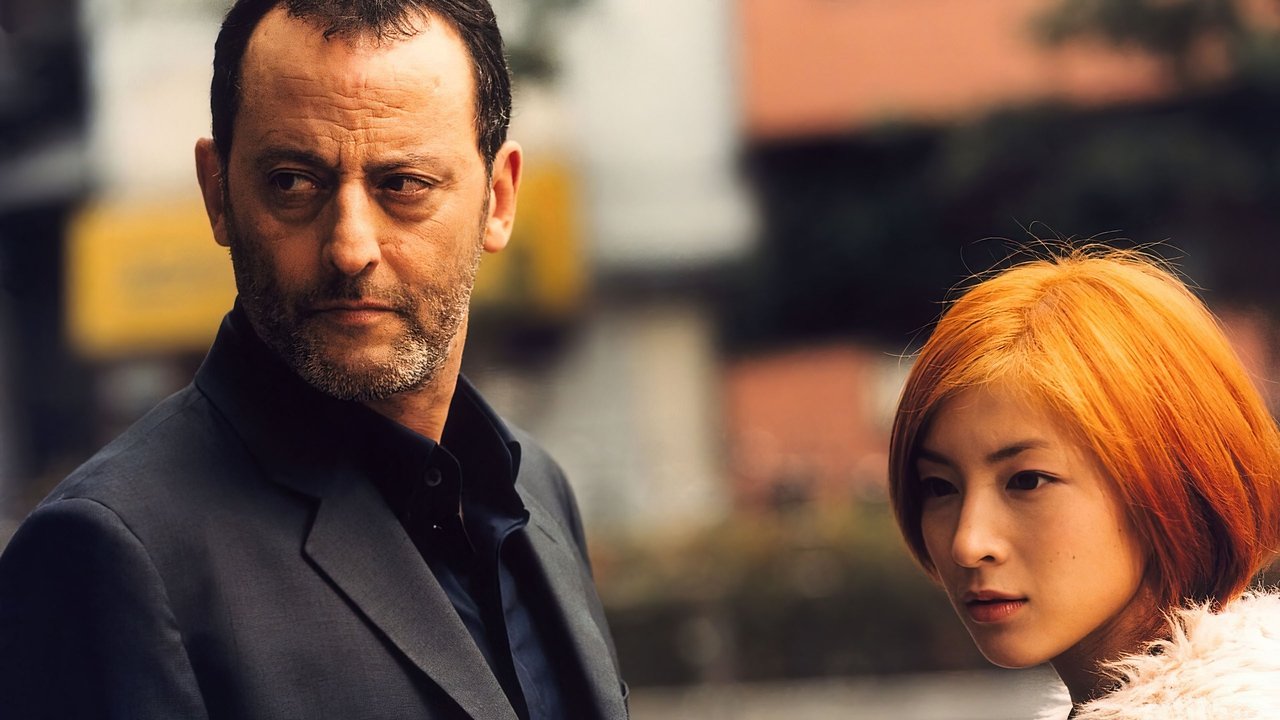
The setup is classic Besson-penned trope territory. Jean Reno plays Hubert, a French police detective who hits people first and asks questions never. After he accidentally punches the Chief of Police’s son in a nightclub, he’s forced into a sabbatical. This conveniently coincides with a call from Japan: the only woman he ever loved is dead, and he’s the sole heir to her estate. When he arrives in Tokyo, he discovers the "estate" isn't just money—it’s a neon-haired, hyperactive daughter named Yumi, played by Ryoko Hirosue, who has no idea he’s her father.
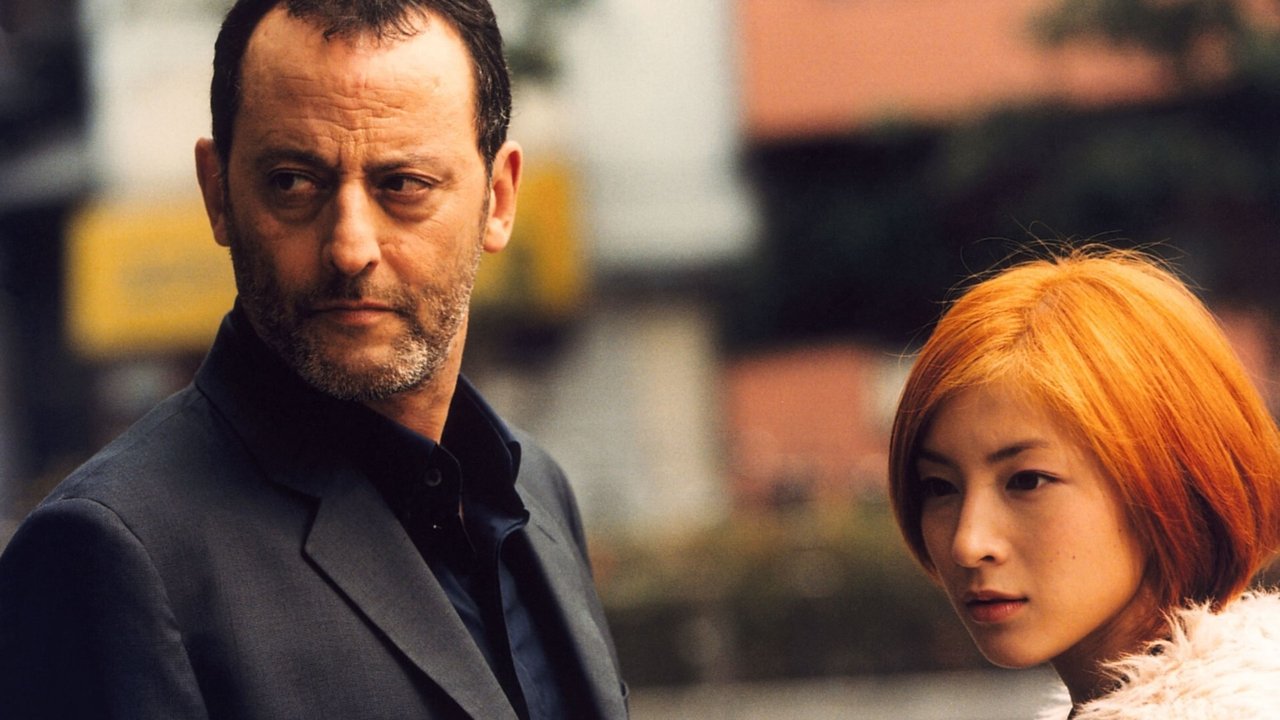
Jean Reno’s face has the structural integrity of a Roman ruin, and it’s the perfect foil for the chaotic energy of 2001-era Tokyo. Seeing him tower over everyone in a crowded Harajuku arcade, looking like he’d rather be anywhere else on earth, is a masterclass in fish-out-of-water comedy. Ryoko Hirosue is a delight here, too. She was a massive J-pop idol at the time, and her performance is a whirlwind of shopping bags and high-pitched excitement. Fun fact for the trivia buffs: she actually learned all her French lines phonetically, which adds a strange, melodic quality to her banter with Reno.
Action with a French Twist
The action is handled by Gérard Krawczyk, who also directed the Taxi sequels, and you can feel that DNA everywhere. This isn't the slow-burn, poetic violence of Leon. This is "French Hong Kong" style—fast, punchy, and frequently ridiculous. There’s a standout shootout in a colorful arcade that feels like a precursor to the stylized chaos we’d later see in the John Wick series, though with a much higher emphasis on physical comedy.
What I appreciate about the action in Wasabi is the commitment to practical stunts. We’re right on the edge of the CGI revolution here, but the film still relies heavily on Jean Reno simply being a physical force of nature. He doesn't do "cool" martial arts; he just hits people with the weight of a falling wardrobe. It’s basically Leon: The Professional on a massive sugar high. The stakes are high—Yakuza hitmen and $200 million in bank accounts—but the movie never lets the tension get in the way of a good sight gag.
The titular "wasabi" scene—where Hubert casually eats a massive dollop of the green horseradish like it’s mint ice cream while his sidekick, played by Michel Muller, watches in horror—is the perfect microcosm of the movie. It’s tough, it’s funny, and it’s just a little bit weird.
A Relic of the Y2K Aesthetic
Looking back, Wasabi is a fascinating time capsule of the turn of the millennium. The fashion is loud, the music (scored by Éric Serra, who also did GoldenEye) is a blend of techno and orchestral swells, and the technology is delightfully chunky. It captures that brief moment when Western filmmakers were obsessed with the "coolness" of Japanese street culture before everything became homogenized by the internet.
It’s also a reminder of the era of the "Euro-pudding" action movie—films produced in Europe with international casts designed to play well in every market from Paris to Tokyo. Wasabi didn't exactly set the world on fire at the box office, earning back less than its budget, which is likely why it slid into obscurity. It didn't have the "prestige" of Besson’s earlier work, and it was perhaps too goofy for the post-9/11 shift toward gritty realism in action movies like The Bourne Identity (2002).
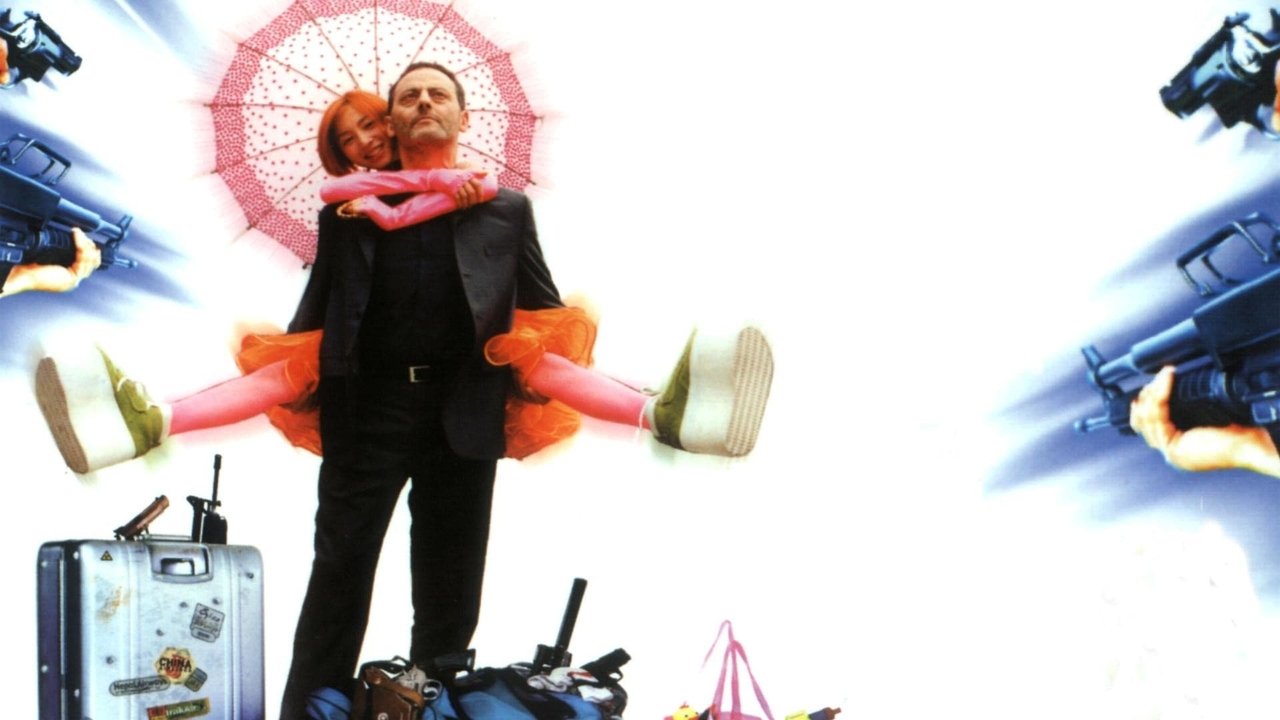
But for those of us who miss the days when a 90-minute action movie could just be a breezy, colorful romp about a grumpy Frenchman and his daughter outrunning the Yakuza, Wasabi is a gem. It’s not trying to change your life; it’s trying to make sure you have a blast for an hour and a half.
Wasabi is far from a masterpiece, but it’s a high-energy, affectionate b-movie that deserves a spot in your rotation. It bridges the gap between the hard-edged action of the 90s and the playful pop-sensibility of the early 2000s with genuine charm. If you’ve ever wanted to see Jean Reno play a dad who happens to be a human wrecking ball, this is your holy grail. Seek out the DVD—the special features from this era of French cinema are usually surprisingly candid and fun.
---
Keep Exploring...
-
Taxi 2
2000
-
Taxi 3
2003
-
Taxi 4
2007
-

Sahara
2005
-
Bandidas
2006
-
Maverick
1994
-
Fred Claus
2007
-

Wizards of Waverly Place: The Movie
2009
-

Mr. & Mrs. Smith
2005
-

EverAfter
1998
-

Taxi
1998
-
Blast from the Past
1999
-
Lake Placid
1999
-
Never Been Kissed
1999
-
Eight Legged Freaks
2002
-
Jackass: The Movie
2002
-
S1m0ne
2002
-
The Spanish Apartment
2002
-
Holes
2003
-
First Daughter
2004