Y Tu Mamá También
"The road ends where adulthood begins."

I remember the first time I saw Y Tu Mamá También. I was sitting on a slightly sticky vinyl chair in a cramped apartment, drinking lukewarm mineral water that tasted vaguely like the plastic bottle it came in, and I felt like I was trespassing on someone’s actual life. Most road movies feel like they’re following a GPS toward a predictable emotional destination. This one? It felt like a stolen car speeding toward a cliff, and I couldn't look away.
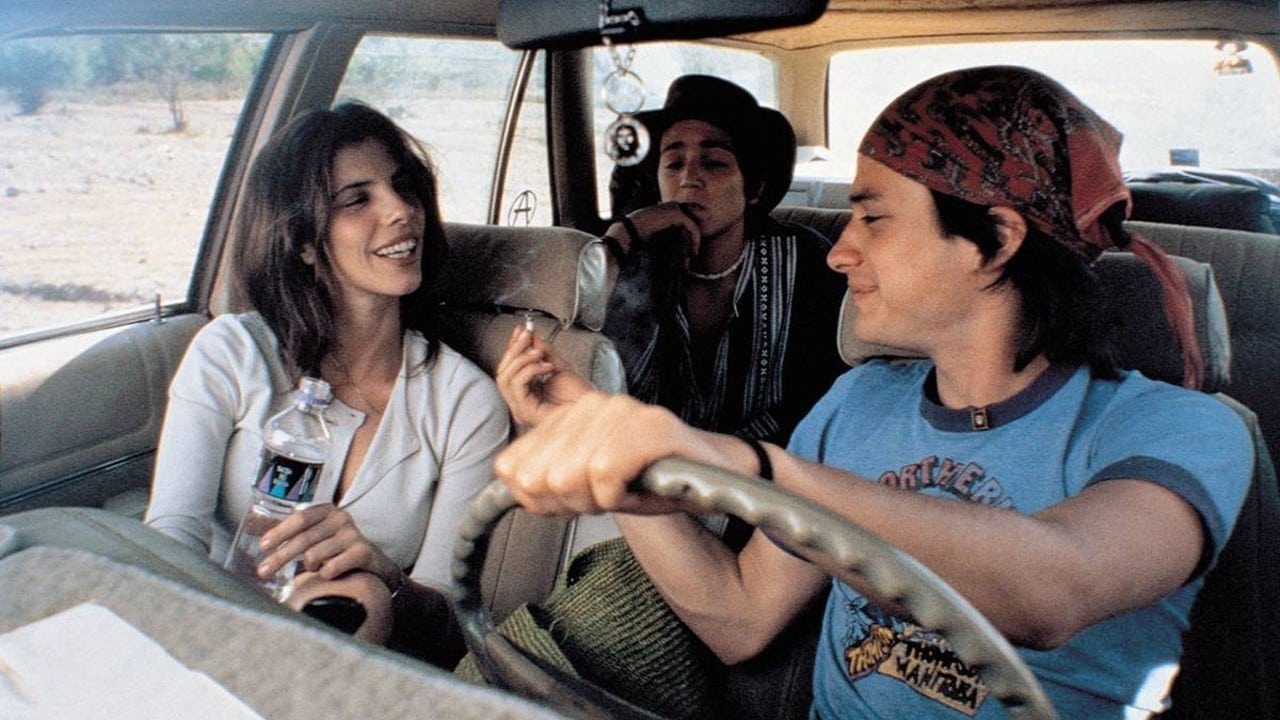
Released in 2001, just as the "New Mexican Cinema" wave was crashing onto international shores, Alfonso Cuarón’s masterpiece arrived at a weird crossroads. While the rest of the world was obsessing over the birth of massive franchises like Harry Potter (which Cuarón would, ironically, later redefine with Prisoner of Azkaban), this film was doing something much more dangerous and intimate. It’s a movie that is essentially a tequila hangover captured on 35mm film, and twenty-plus years later, it hasn't lost an ounce of its sting.
Two Idiots and a Goddess
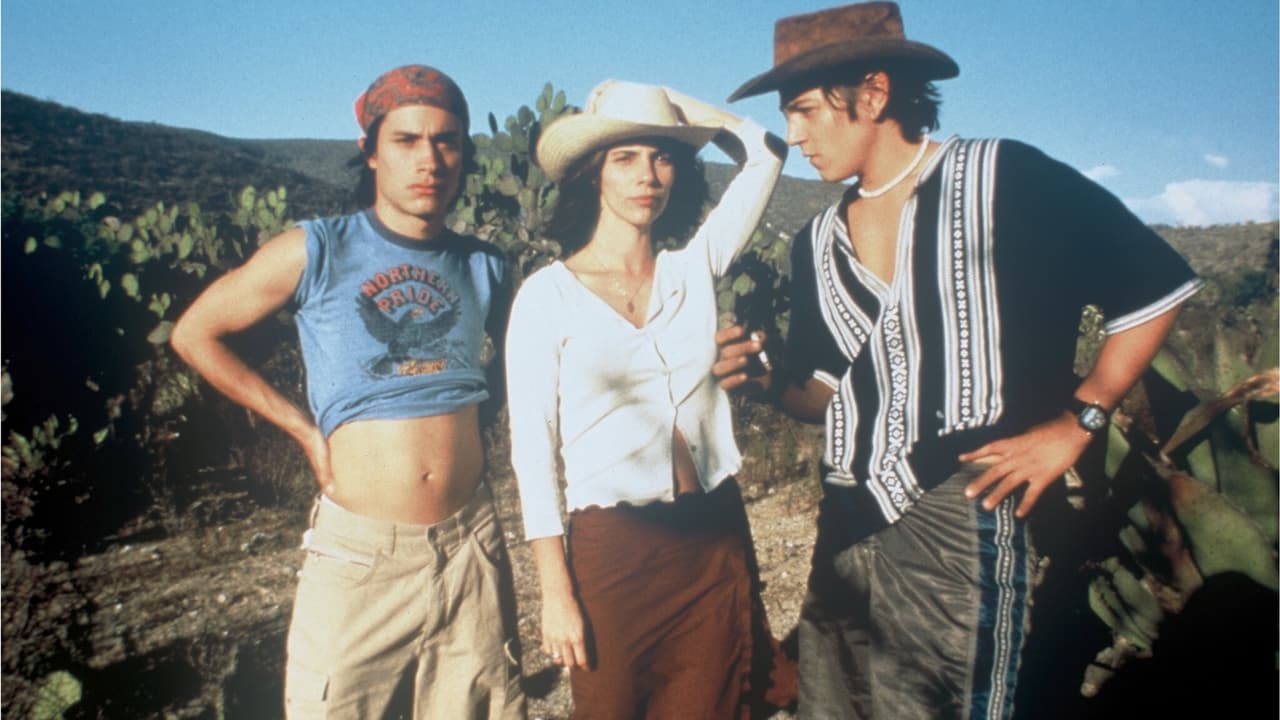
At its heart, the movie is about Tenoch and Julio, two best friends who are essentially golden retrievers with dangerously high hormone levels. Diego Luna and Gael García Bernal share a chemistry that you simply cannot fake or rehearse into existence. It turns out they’ve been best friends since they were toddlers, and that history radiates off the screen. They bicker, they overshare, and they compete for the attention of Luisa, played with a heartbreaking, weary grace by Maribel Verdú.
Luisa is the "older woman" who agrees to go on a road trip to a mythical beach called "Heaven’s Mouth" with these two teenagers after discovering her husband has been unfaithful. In any other movie, she’d be a two-dimensional fantasy. Here, she is the only adult in the room, carrying a secret that recontextualizes every smile she gives the boys. Verdú is the anchor of the film; without her, the boys would just be annoying. With her, their immaturity becomes a tragic contrast to her reality.
The performances are so naturalistic that you forget there’s a script. I’ve always found that the best dramas make you feel like you’re hanging out with the characters rather than observing them, and by the time they’re dancing in a dusty roadside bar, I felt like I was the fourth person at the table, probably being ignored while they argued about who loved whom more.
The Ghost in the Passenger Seat
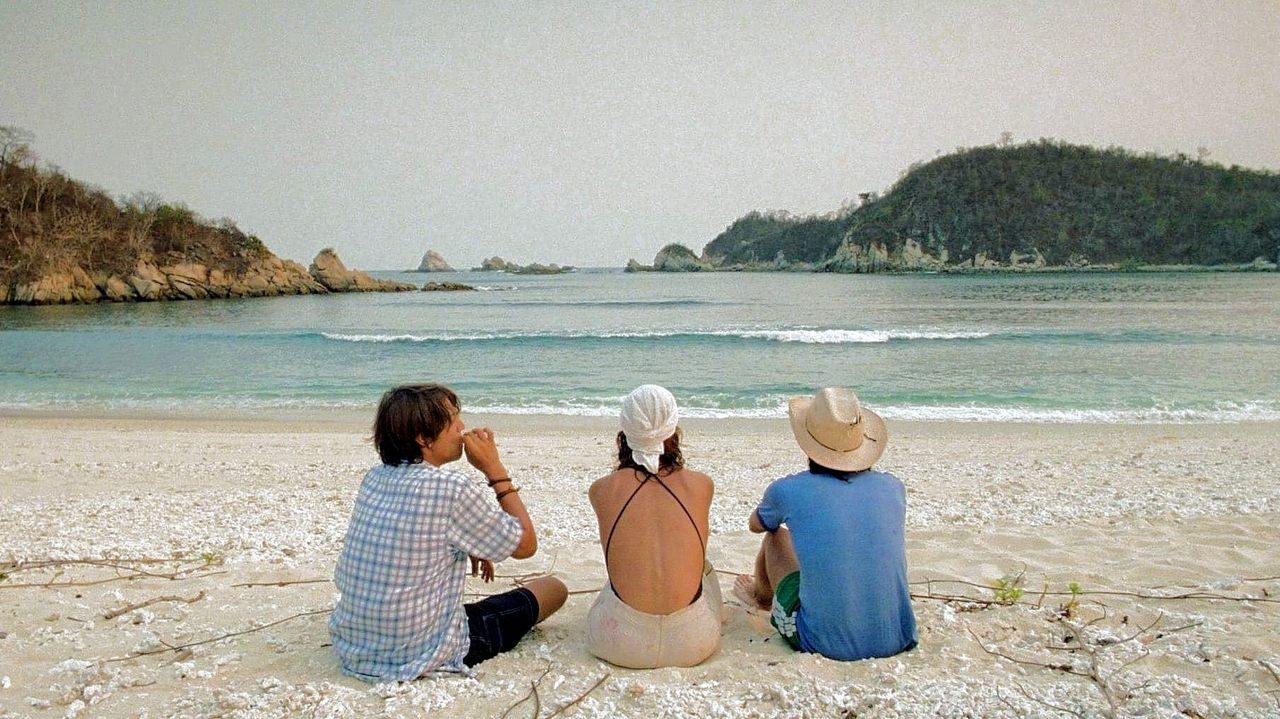
What really sets this film apart—and what I think many people forget when they categorize it as just a "sexy road movie"—is the narrator. Daniel Giménez Cacho provides a detached, almost clinical voiceover that drops in at random intervals. The camera will stop following the car and linger on a roadside shrine or a group of construction workers, while the narrator tells us something tragic or political that the characters are too self-absorbed to notice.
It’s a brilliant move. While Julio and Tenoch are arguing about "who slept with whose girlfriend," the narrator is quietly documenting the death of the old Mexico and the painful birth of the new one. It gives the film a weight that most coming-of-age stories lack. It’s a reminder that while your personal drama feels like the center of the universe, the world is moving on without you, often cruelly.
Alfonso Cuarón and his legendary cinematographer Emmanuel Lubezki (the guy who eventually won three Oscars in a row for stuff like Gravity and The Revenant) chose to shoot this with long, roving takes and natural light. There’s no Hollywood polish here. It’s grainy, it’s bright, and it’s honest. They let the camera drift away from the leads to show the poverty and the police checkpoints of the Mexican countryside, making the film a "travelogue of the soul" as much as a physical journey.
Why This One Stuck
Looking back from our current era of hyper-sanitized, algorithm-friendly cinema, Y Tu Mamá También feels like a miracle. It was famously released "Unrated" in the U.S. because Cuarón refused to cut it down for an R-rating, which only added to its cult mystique. It didn't have the CGI spectacles of its 2001 peers, but it had more life in a single frame than most blockbusters have in two hours.
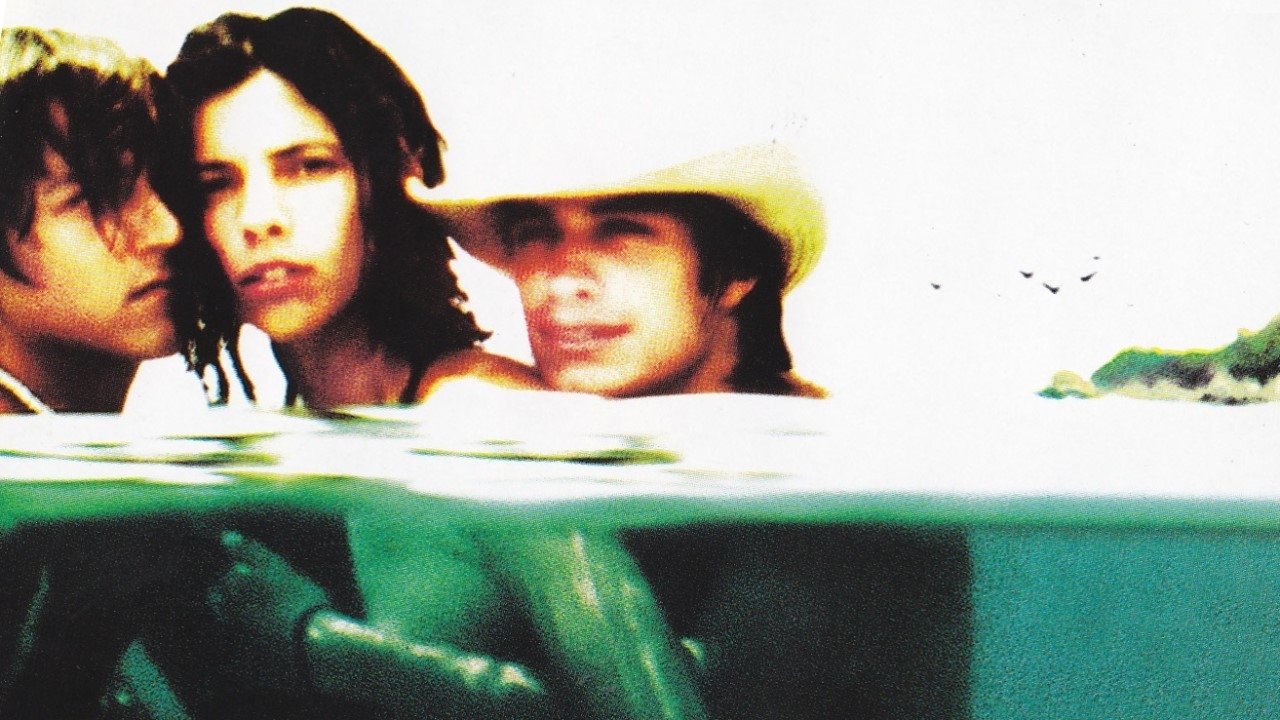
The film serves as a time capsule of that turn-of-the-millennium anxiety—the transition from analog to digital, the shifting political borders, and that specific moment in your late teens when you realize your friends aren't who you thought they were, and neither are you. It’s a drama that earns every emotional beat because it’s not afraid to let its characters be unlikeable, petty, or devastatingly vulnerable.
If you haven't seen it, or if you only remember it as "that one Spanish movie from the early 2000s," give it another look. It’s a reminder that the best stories don't need a massive budget; they just need three people in a car, a long road, and the courage to tell the truth about how much it hurts to grow up.
The final act of the film is where the "road trip" ends and the reality of adulthood begins. It’s an ending that doesn't offer easy closures or neat bows, leaving you with a lingering sense of melancholy that stays long after the credits roll. It’s a film about the things we say to each other when we think we have forever, and the silence that follows when we realize we don't. Grab a cold drink, ignore the subtitles if you have to, and just feel the heat.
Keep Exploring...
-
Children of Men
2006
-
A Little Princess
1995
-
Breaking the Waves
1996
-
That Thing You Do!
1996
-

EverAfter
1998
-

Sliding Doors
1998
-
Blast from the Past
1999
-
The Thomas Crown Affair
1999
-
The Piano Teacher
2001
-
Confessions of a Dangerous Mind
2002
-
Talk to Her
2002
-
The Spanish Apartment
2002
-

Girl with a Pearl Earring
2003
-
2046
2004
-

A Very Long Engagement
2004
-
Broken Flowers
2005
-
Joyeux Noel
2005
-
The New World
2005
-
The Sisterhood of the Traveling Pants
2005
-

Little Children
2006