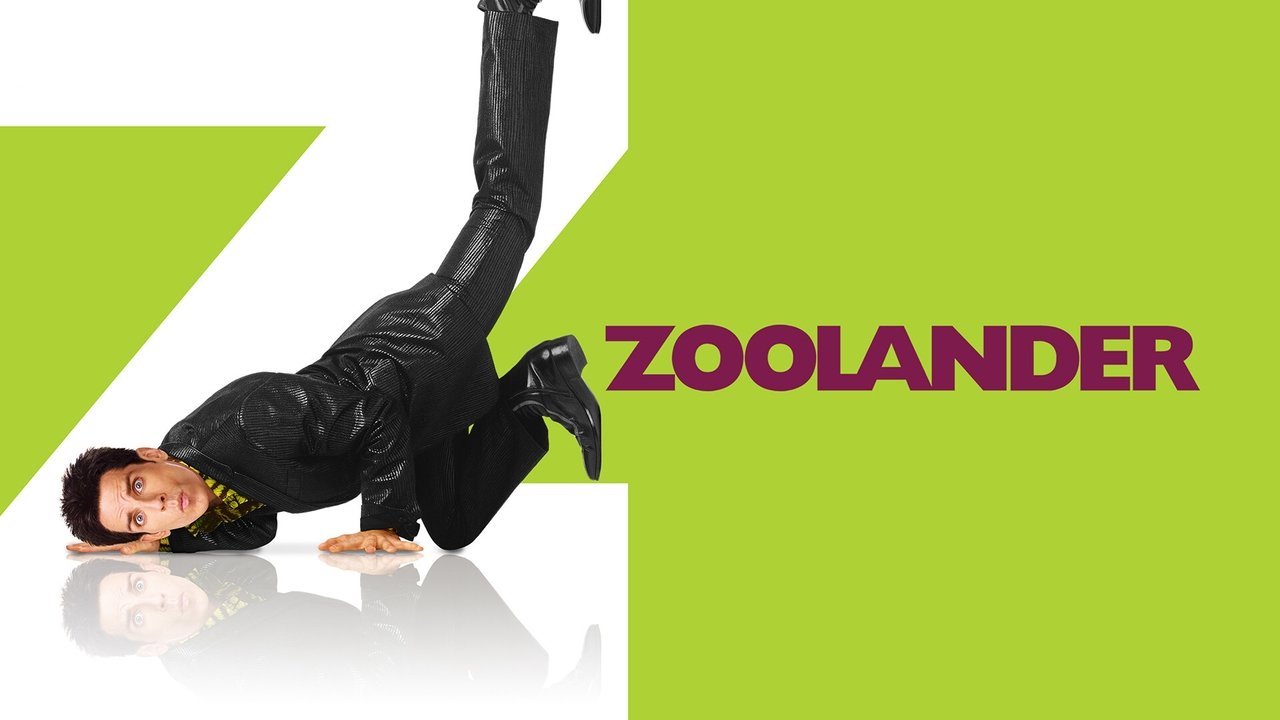
Zoolander
"High fashion, low IQ, and one really big look."
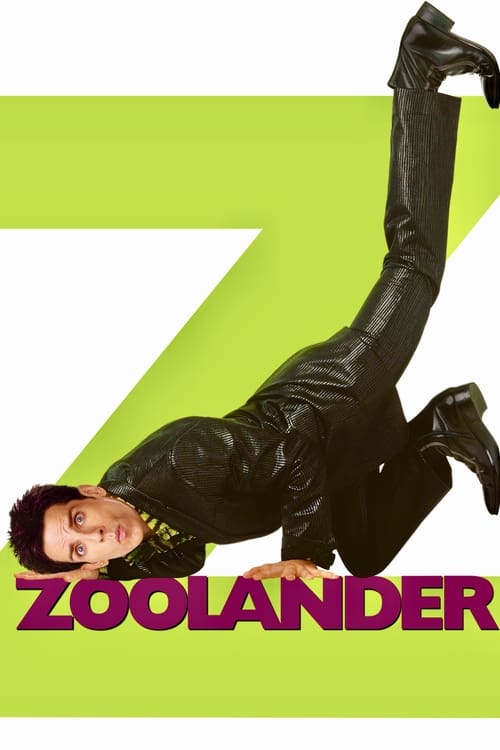
There is a specific kind of squint—a puckering of the lips combined with a vacant, soul-shattering stare—that defined my early adolescence. Long before "duck face" ruined Instagram, there was Blue Steel. I vividly remember trying to replicate it in my bathroom mirror, only to realize I looked less like a world-class male model and more like I was having a mild allergic reaction to shellfish. Looking back at Ben Stiller’s Zoolander now, it’s clear that the film wasn't just a goofy satire of the fashion industry; it was a bizarre, neon-soaked time capsule of a world that was about to change forever.
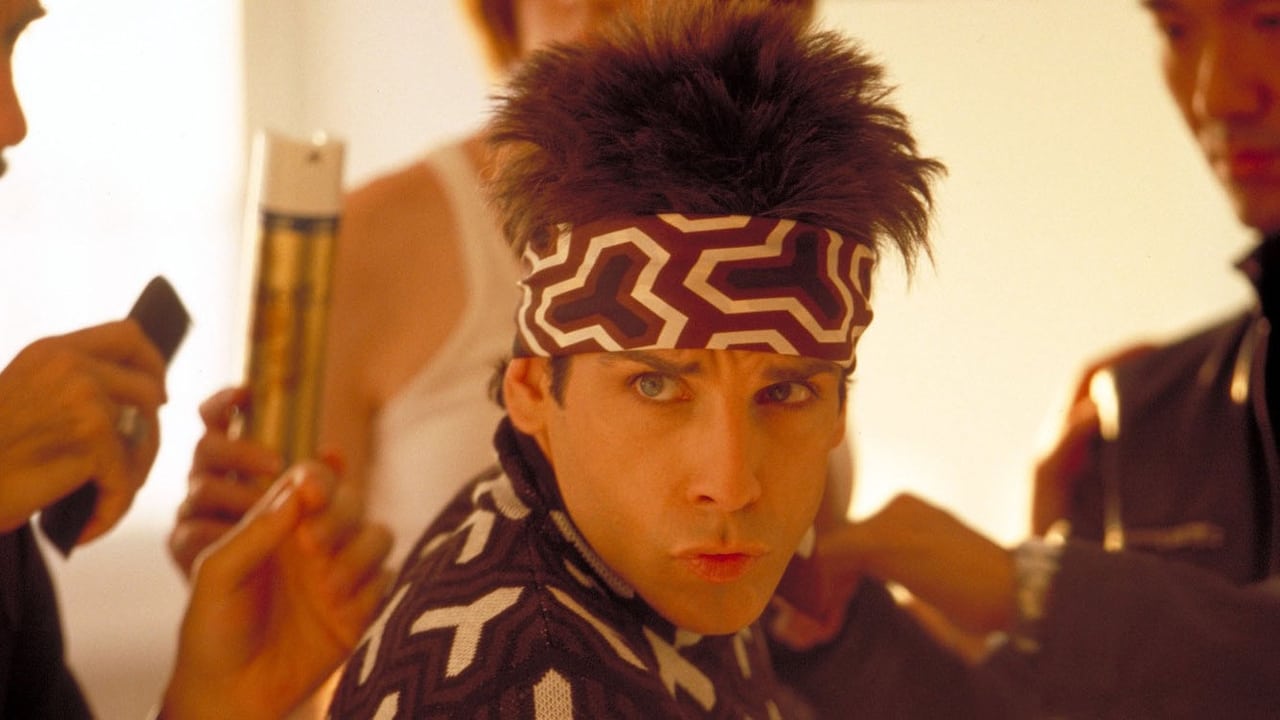
The Art of Being Professionally Good-Looking
Released in late September 2001, Zoolander had the unenviable task of trying to make people laugh in a New York City that was still reeling from tragedy. In fact, if you look closely at the skyline shots, you can see where the production team digitally scrubbed the Twin Towers out of the background. It’s a somber detail for a movie that is, essentially, a live-action Looney Tunes short disguised as a VH1 Fashion Awards special.
The plot is gloriously thin: Derek Zoolander (Ben Stiller), a three-time Male Model of the Year, is facing a career crisis. His "look" is getting stale, and a new, "hippie-chic" rival named Hansel (Owen Wilson) is stealing his spotlight. Meanwhile, the malevolent fashion mogul Mugatu (Will Ferrell, in a career-defining turn of pure unhinged energy) needs a brainless vessel to assassinate the Prime Minister of Malaysia. Why? Because the Prime Minister wants to end child labor, and as Mugatu famously screams, "Without child labor, there are no sweatshops, and without sweatshops, there are no fashion industries!"
A Masterclass in High-Gloss Idiocy
What makes Zoolander stay so fresh while other comedies of the early 2000s have curdled into cringe is its absolute commitment to the bit. Ben Stiller (who also directed and co-wrote) plays Derek with a sincerity that is almost touching. He isn't just a jerk; he's a man who genuinely believes that a "center for ants" needs to be at least three times bigger. The chemistry between him and Owen Wilson is the secret sauce here. Hansel is the perfect foil—a Zen-obsessed, scooter-riding airhead who thinks "The Files" are literally inside the computer.
I watched this again last night while eating a bowl of cereal that had gone slightly soggy because I was too busy laughing at the "Walk-Off" scene, and I realized something: the gasoline fight is the single greatest piece of physical comedy of the 21st century. It’s beautifully shot, perfectly paced, and ends in a tragedy so absurd it shouldn't be funny, yet I find myself wheezing every single time "Wake Me Up Before You Go-Go" starts playing.
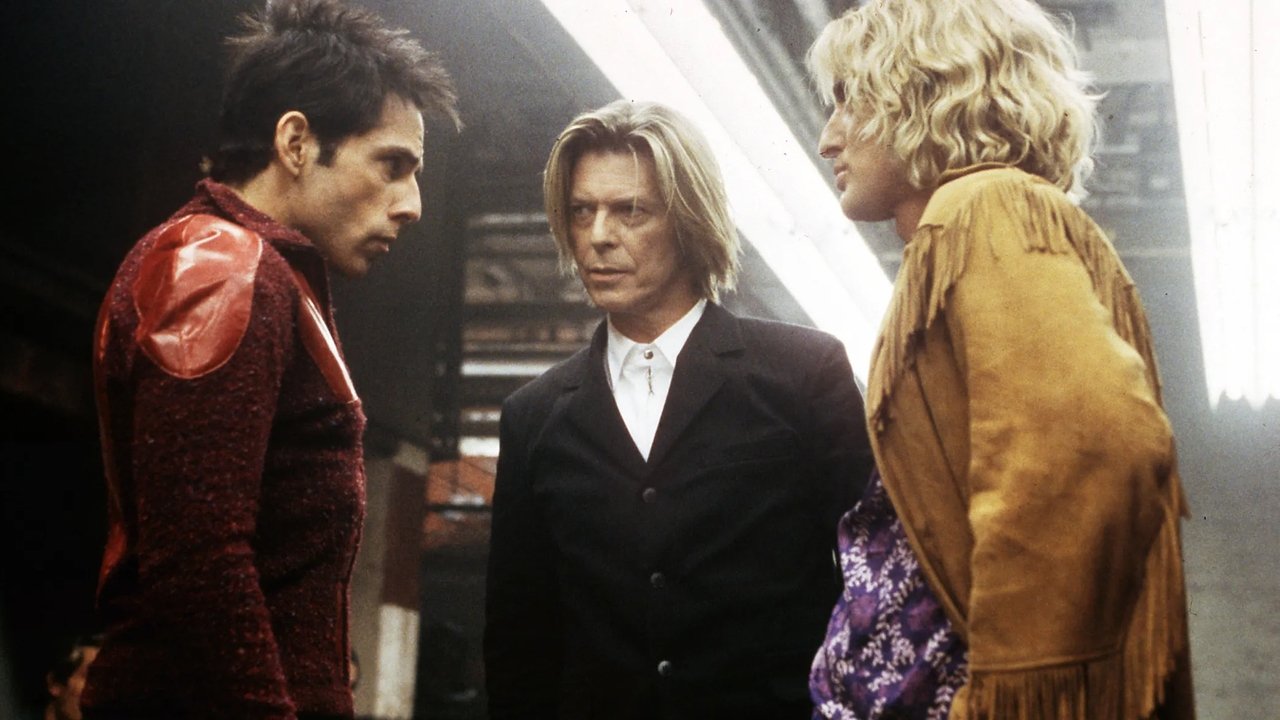
The supporting cast is an absolute embarrassment of riches. Christine Taylor plays the straight-woman role of Matilda with just enough exasperation to ground the madness, while Milla Jovovich (fresh off The Fifth Element) leans into a terrifying, Soviet-coded henchwoman persona as Katinka. And then there’s the cameos. Everyone from Donald Trump to Natalie Portman shows up, but it’s the legendary David Bowie acting as the judge for the underground walk-off that remains the ultimate "how did they get him?" moment.
The DVD Era and the Cult of the Quote
Zoolander didn't actually set the box office on fire upon release. It was a modest hit that found its true immortality on DVD. This was the peak of the "special features" era, where we’d spend hours watching deleted scenes and blooper reels. It’s how the film’s language—"He's so hot right now," "I'm not an ambi-turner," "Mer-man!"—seeped into the cultural lexicon. It was the birth of the meme before we had a word for it.
The film also captures that weird Y2K-adjacent tech anxiety. The tiny flip-phones (smaller than a matchbox) were a joke about miniaturization that feels hilarious in our current era of "Pro Max" bricks. The "e-break" and the "fashion-industrial complex" satire still bites, even if the world it's mocking has become even more self-parodying in the age of TikTok influencers.
Technically, the film is surprisingly well-made. Barry Peterson’s cinematography uses high-contrast, saturated colors that mimic the look of a high-end fashion shoot, which makes the stupidity of the characters pop even more. The editing is sharp, especially during the "Relax" brainwashing sequence, which feels like a fever dream directed by a frantic music video producer from 1998.
Ultimately, Zoolander works because it never punches down at anything other than vanity and corporate greed. It’s a movie about a man who has nothing in his head but a desire to help people by looking really, really, ridiculously good-looking. It’s a relic of a time when comedies felt more visual, more daring, and more willing to be completely and utterly stupid for the sake of a laugh. If you haven't revisited the "Derelict" campaign lately, do yourself a favor and put this on. Just don't try to turn left while you're watching it.
Keep Exploring...
-
Tropic Thunder
2008
-
The Secret Life of Walter Mitty
2013
-
The Cable Guy
1996
-
Meet the Parents
2000
-
Meet the Fockers
2004
-
Starsky & Hutch
2004
-
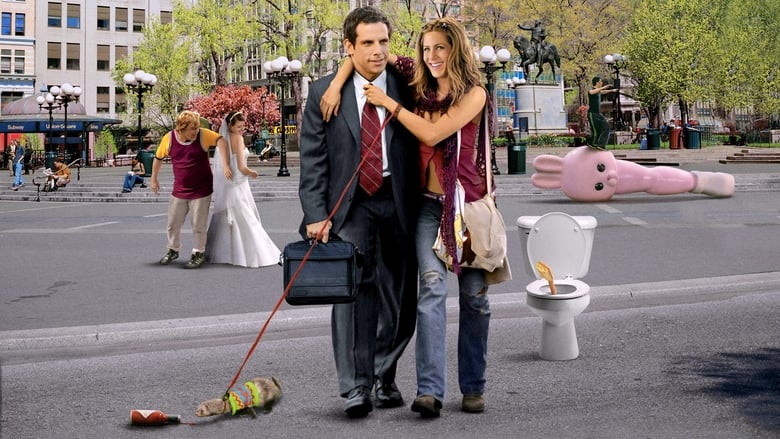
Along Came Polly
2004
-
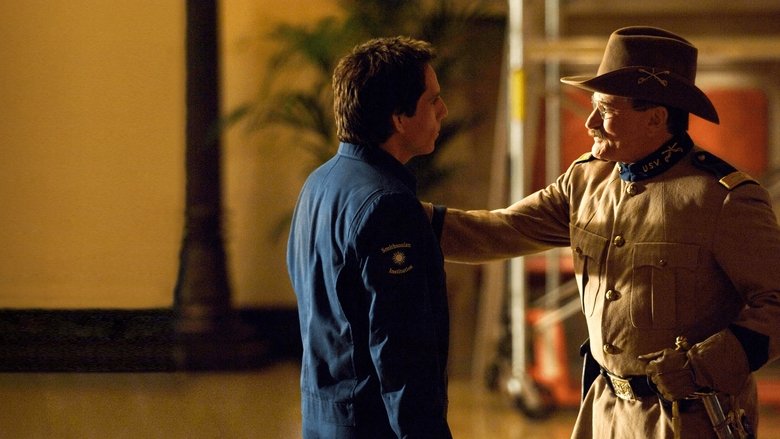
Night at the Museum: Battle of the Smithsonian
2009
-
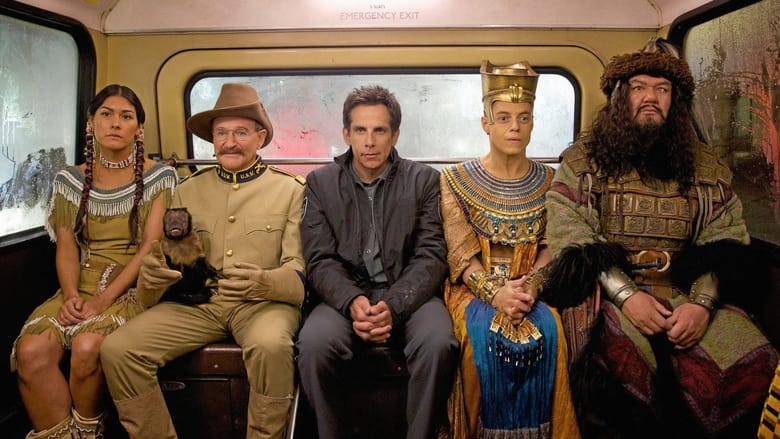
Night at the Museum: Secret of the Tomb
2014
-
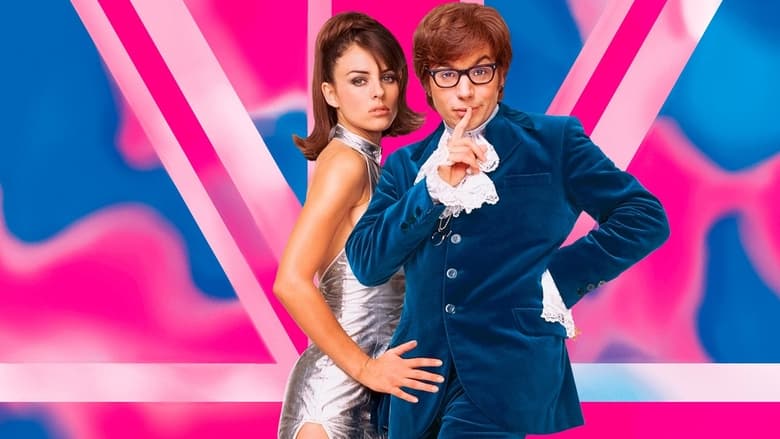
Austin Powers: International Man of Mystery
1997
-

Old School
2003
-

Tower Heist
2011
-
The Watch
2012
-
Shanghai Noon
2000
-
The Life Aquatic with Steve Zissou
2004
-
The Lion King 1½
2004
-
Happy Gilmore
1996
-
Matilda
1996
-

Bride of Chucky
1998
-
Fear and Loathing in Las Vegas
1998