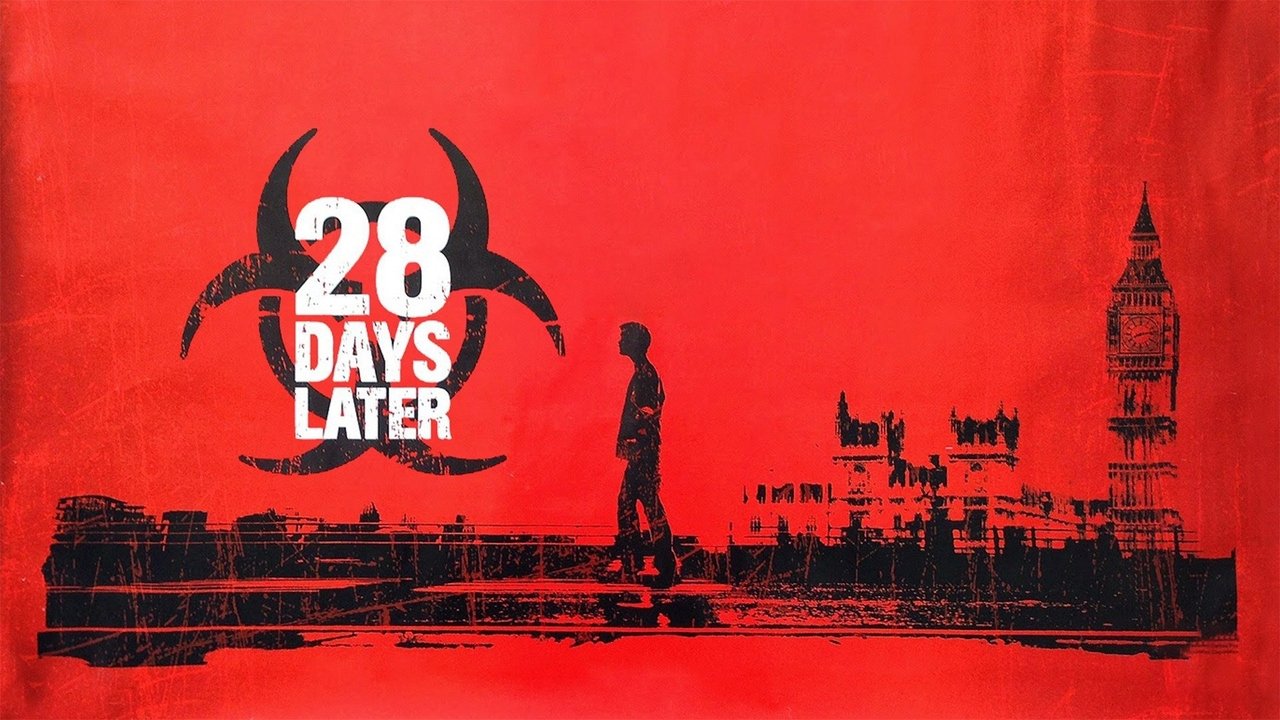
28 Days Later
"Hell is a deserted London morning."
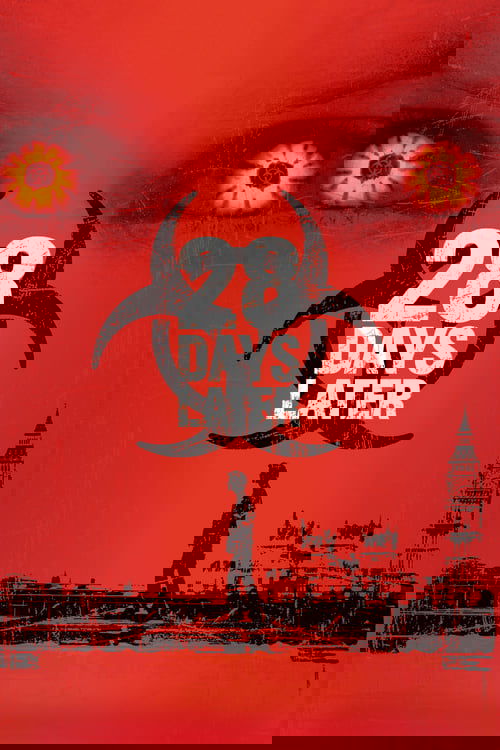
I remember watching 28 Days Later for the first time on a laptop with a hairline crack across the screen while eating a sleeve of store-brand saltines. Curiously, the low-resolution screen and the salty crunch actually enhanced the experience. The film already looked like a found-footage nightmare—smeary, jittery, and uncomfortably intimate. It didn’t need a 4K remaster to scare me; the digital grime was the point.
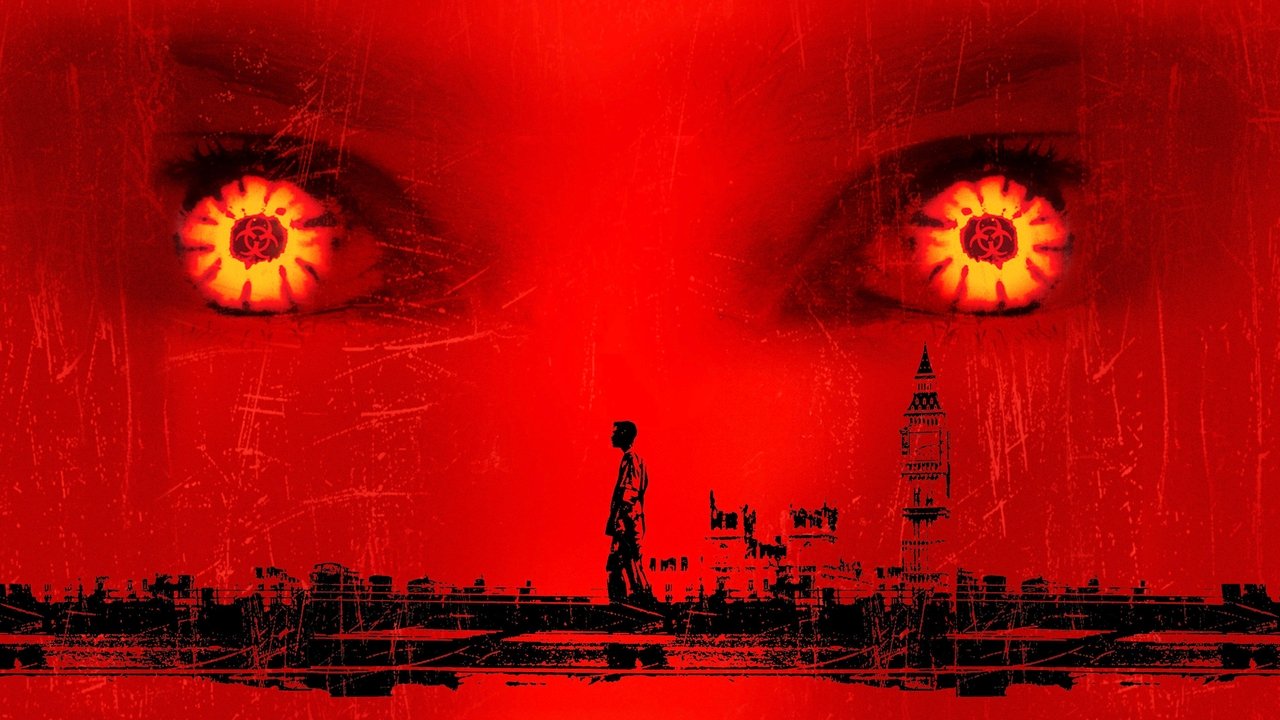
Before Danny Boyle (best known then for Trainspotting) and writer Alex Garland (years before Ex Machina) dropped this bomb on the horror genre, zombies were mostly slow-moving metaphors for consumerism. They shuffled. You could outwalk them if you didn't trip over a stray log. Then came the "Infected." They didn't want to eat your brains; they just wanted to beat you to death in a blind, red-eyed fury. And they could outrun a professional sprinter.
The Beauty of the Breakdown
The opening ten minutes remain some of the most haunting frames in modern cinema. Jim, played by a then-relatively unknown Cillian Murphy, wakes up from a coma into a world that has simply stopped. Watching him wander through a desolate London—past a flipped double-decker bus, across an empty Westminster Bridge—feels like a precursor to the isolation we’ve all felt in recent years, but in 2002, it was a staggering technical feat.
Boyle and cinematographer Anthony Dod Mantle (who later won an Oscar for Slumdog Millionaire) achieved this by shooting on Canon XL1 digital cameras. At the time, shooting a feature on MiniDV was practically unheard of for a major release. It was a choice born of necessity—they only had minutes at dawn to capture those empty streets before the city woke up, and small digital rigs were faster to set up than bulky film cameras. The result is a film that looks like a war correspondent’s frantic dispatches. It’s grainy, blown-out, and feels terrifyingly "now." Looking back, it was the moment digital filmmaking stopped being a gimmick and became a legitimate tool for building atmosphere.
Survivors in the Silence
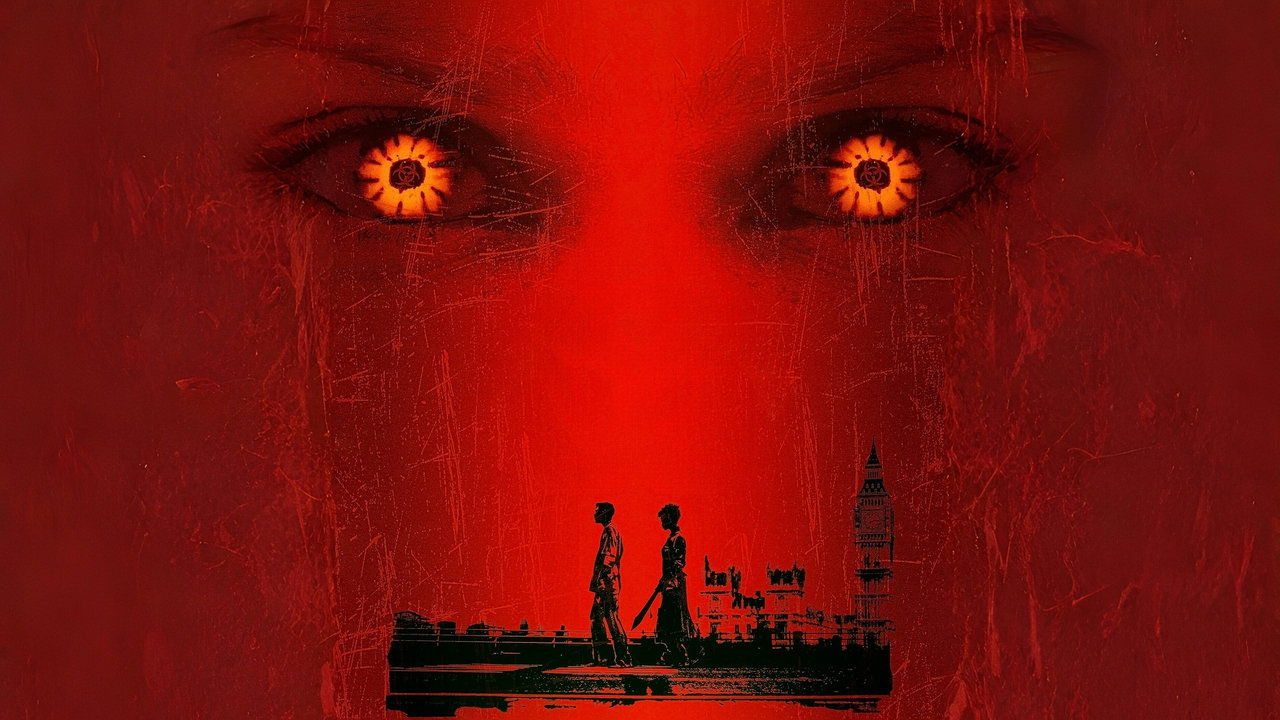
While the infected provide the jumps, the human element provides the ache. Naomie Harris is spectacular as Selena, a survivor who has already traded her soul for a machete by the time we meet her. Her "don’t get attached" philosophy is the perfect foil to Jim’s lingering humanity. Then there’s Brendan Gleeson (from The Banshees of Inisherin) as Frank, the protective father who brings a brief, glowing warmth to the middle of the film. The scene where they have a picnic on a grassy hill while the world burns elsewhere is a masterclass in quiet dread.
The score by John Murphy is the secret weapon here. The track "In the House - In a Heartbeat" starts as a simple, repetitive pulse and builds into an industrial-sized panic attack. It’s a sound that has been imitated in a thousand movie trailers since, but it never hits as hard as it does when Cillian Murphy finally snaps in the third act.
That third act is where the film shifts from a survival horror into something much darker. When the group reaches a military blockade led by Christopher Eccleston, the movie stops being about monsters and starts being about the horrifying things "civilized" men do when the lights go out. The final thirty minutes play out like a slasher movie where the hero is arguably just as terrifying as the villains. It’s a cynical, bruising conclusion that reflects the post-9/11 anxieties of the time—the fear that the systems meant to protect us are actually the most dangerous things in the room.
The Legacy of the Rage
It is hard to overstate how much this film changed the landscape. Without 28 Days Later, we don’t get the Dawn of the Dead remake, World War Z, or The Walking Dead. It dragged the genre out of the campy '80s and into a grim, realistic 21st century.
The production was a series of "how did they do that?" moments. To get the shots of the empty M1 motorway, the crew had to convince the police to hold traffic for segments of three minutes at a time. The "zombies" were played by actual athletes and gymnasts to ensure their movements looked unhuman and explosive. Even the trivia about the alternative endings—one of which involves a much bleaker fate for Jim—shows how much Garland and Boyle were wrestling with just how much hope a story like this could actually sustain.
Watching it today, the digital resolution might feel a bit dated to those used to pristine Marvel visuals, but that’s a feature, not a bug. The film’s low-fi aesthetic captures a specific kind of urban loneliness that film stock simply couldn't replicate. It’s a movie that smells like wet pavement and adrenaline.
28 Days Later isn't just a "zombie" movie; it's a high-tension study of what remains when society is stripped away in a heartbeat. It remains a high-water mark for the genre, blending art-house aesthetics with raw, populist terror. If you can handle the bleakness, it is a journey through a broken world that still feels pulse-pounding two decades later. Just maybe skip the saltines if you have a weak stomach for the red stuff.

Keep Exploring...
-

28 Years Later
2025
-

28 Weeks Later
2007
-
Sunshine
2007
-
127 Hours
2010
-

The Mist
2007
-
Gattaca
1997
-
Equilibrium
2002
-
The Butterfly Effect
2004
-
Serenity
2005
-
Children of Men
2006
-
Shallow Grave
1994
-
Funny Games
1997
-

Starship Troopers
1997
-
Sleepy Hollow
1999
-
Red Dragon
2002
-

Paprika
2006
-

V for Vendetta
2006
-
Pandorum
2009
-
The Others
2001
-

Trance
2013