8 Mile
"One shot. One opportunity. No turning back."
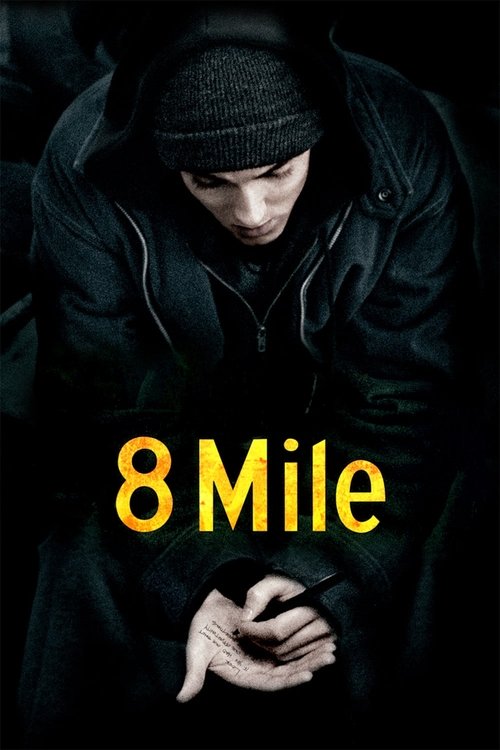
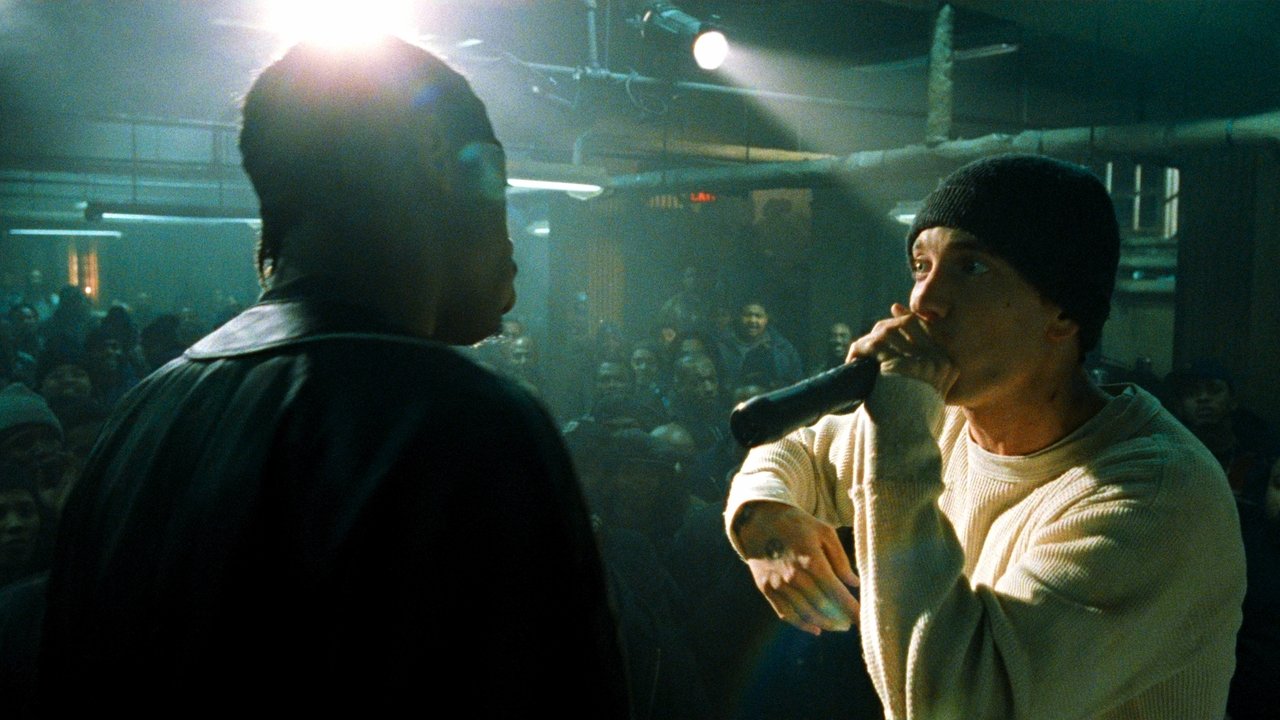
By the winter of 2002, Marshall Mathers was essentially the most polarizing human being on the planet. To suburban parents, he was a foul-mouthed harbinger of the apocalypse; to everyone else, he was a lyrical god. So, when it was announced that he’d be starring in a semi-autobiographical movie directed by the guy who made L.A. Confidential, the skepticism was deafening. Most of us expected a glorified music video or a vanity project designed to sell more CDs. Instead, we got a damp, freezing, and remarkably disciplined piece of blue-collar cinema that felt more like Rocky than a pop-star vehicle.
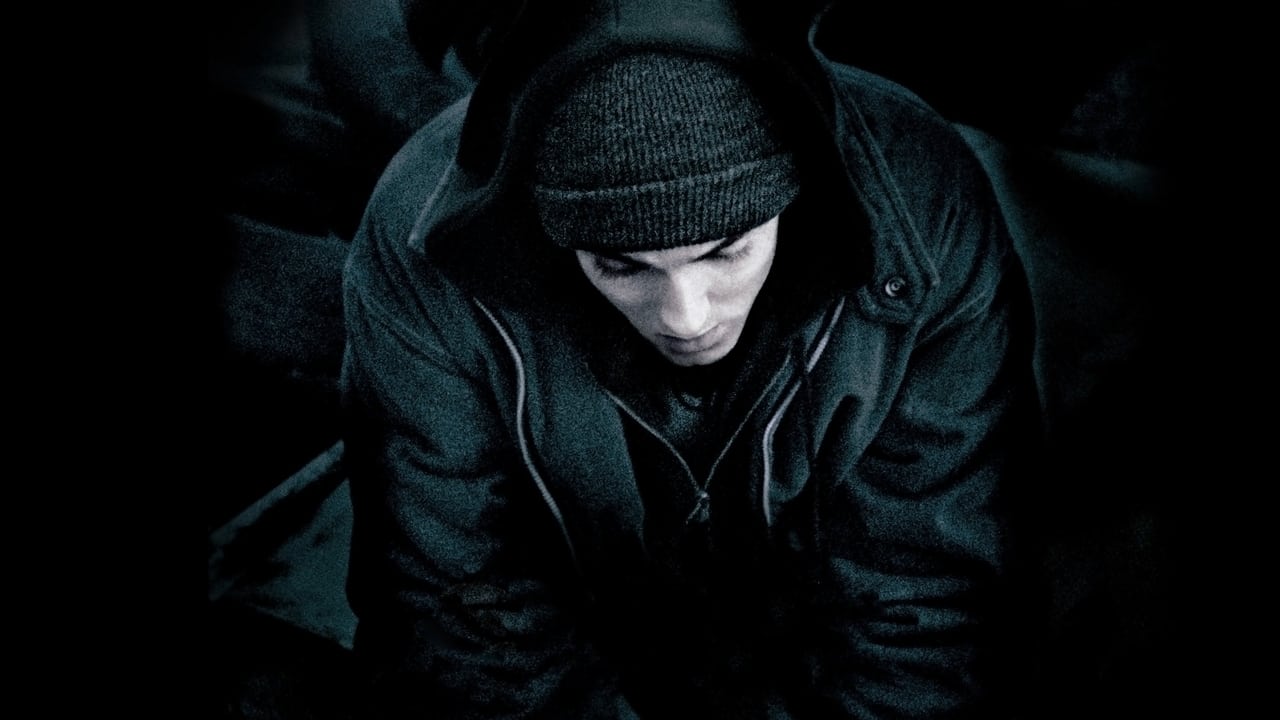
I recently rewatched this on a Sunday afternoon while my neighbor was aggressively leaf-blowing his driveway for three hours straight, and the noise somehow perfectly complemented the industrial clatter of the Detroit setting. 8 Mile isn’t a film that’s aged into a "period piece" yet, but looking back, it’s a fascinating time capsule of the pre-digital era. People still used payphones, demo tapes were actual physical objects you handed to people, and the 8 Mile Road was a physical and psychological barrier that felt insurmountable.
The Grime and the Glory
Director Curtis Hanson made a brilliant choice by treating the Detroit streets with the same reverence he gave to 1950s Hollywood. Working with cinematographer Rodrigo Prieto (who would go on to shoot The Wolf of Wall Street and Barbie), they drained the color out of the world. Everything in Jimmy "B-Rabbit" Smith’s life is steel-grey, rust-brown, or "overcast-sky" blue. It’s a movie you can practically smell—a mixture of stale cigarettes, bus exhaust, and wet asphalt.
Eminem’s performance remains one of the great "lightning in a bottle" moments in modern cinema. He isn't doing a "hip-hop" version of acting; he’s doing a quiet, simmering internal drama. He spends half the movie looking like a wounded animal waiting for a reason to bite. It’s a masterclass in restraint, which is ironic considering his public persona at the time was the loudest in the world. The way he stares at his own reflection in that grimy bathroom mirror is more expressive than three-quarters of the dialogue in most modern blockbusters.
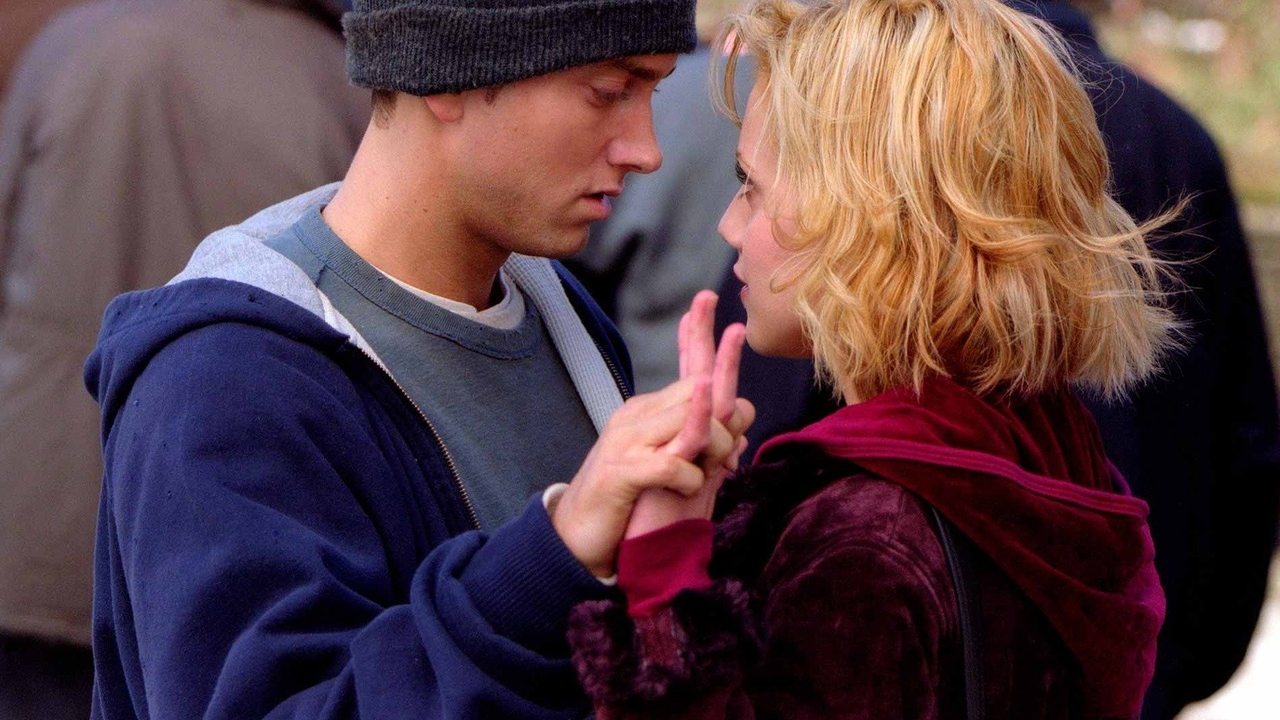
The supporting cast is equally stacked. Kim Basinger, fresh off an Oscar win, plays Jimmy’s mother, Stephanie, with a heartbreaking, frantic desperation. She’s essentially a human car crash that you can't stop trying to pull out of the wreckage. Then there’s the late Brittany Murphy as Alex, who brought a raw, flickering-candle energy to the screen that reminded me why her loss was such a blow to the industry.
The $242 Million Gamble
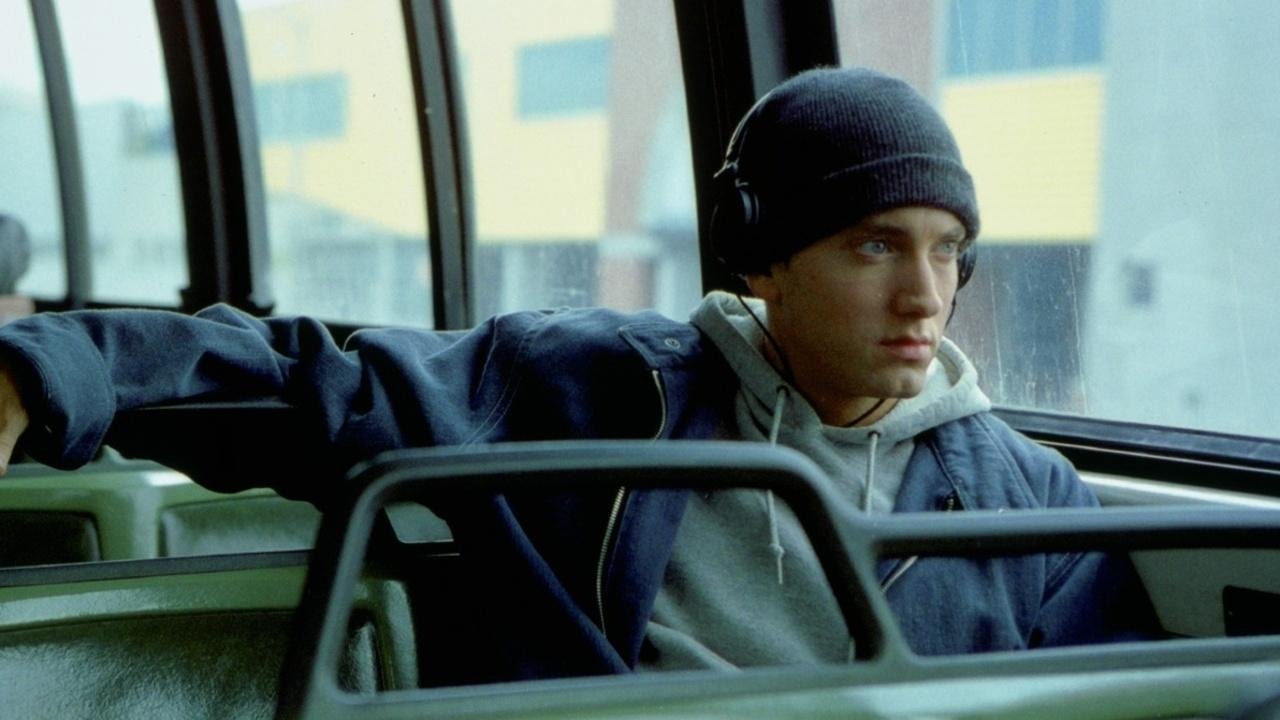
From a business perspective, 8 Mile was a monster. It was produced by Brian Grazer for about $41 million—a healthy but risky budget for an R-rated drama about the niche world of battle rap. It didn't just succeed; it detonated. It opened at #1 with over $51 million, eventually clawing its way to $242 million worldwide. In 2002 money, that was an astronomical return for a film that didn't have a single explosion or a superhero cape.
The cultural penetration was even deeper. I remember the DVD release being a genuine event—partially because the special features included extra rap battles that weren't in the film. This was the peak of DVD culture, where the "making-of" segments actually felt like you were being let in on a secret. Apparently, the extras were so popular because Eminem actually started battling the extras on set during breaks, breaking character because he couldn't help himself. Mekhi Phifer, who plays the charismatic host Future, reportedly had to keep things from devolving into actual riots because the crowd energy was so high.
The film's impact on the industry was immediate. It proved that "urban" stories could have massive crossover appeal if they were treated with prestige-level production values. It also gave us "Lose Yourself," the first rap song to ever win an Academy Award for Best Original Song. Legend has it that Eminem didn't even attend the ceremony because he was sleeping and figured he wouldn't win anyway. That’s the most B-Rabbit move imaginable.
The Battle for Authenticity
What really holds up in 8 Mile isn't just the final showdown at the Shelter—though the "Clarence lives at home with both parents" line remains one of the most satisfying finishers in movie history. It's the depiction of the "313" crew. Mekhi Phifer, Omar Benson Miller, and Evan Jones (as the lovable, self-shooting Cheddar Bob) feel like a real group of friends. Their chemistry is the soul of the film. They aren't just there to provide comedic relief; they represent the only safety net Jimmy has in a city that’s actively trying to swallow him whole.

The screenplay by Scott Silver (who later wrote Joker) understands that the stakes don't have to be world-ending to be life-altering. Jimmy winning a rap battle doesn't fix his mom’s life, it doesn't get him out of the trailer park, and it doesn't magically make him a millionaire. It just gives him his voice back. In an era of franchises and "extended universes," there’s something deeply refreshing about a story that starts with a guy choking on stage and ends with him walking back to his night shift at a stamping plant.
8 Mile is the rare movie that manages to be a massive commercial blockbuster while maintaining the soul of an indie character study. It captured a specific moment in the early 2000s when hip-hop was becoming the dominant global monoculture, but it grounded that movement in a universal story about dignity and the fear of failure. It remains the high-water mark for musical biopics (even if it's technically "fiction") because it respects the craft of the artist as much as the struggle of the man. If you haven't revisited it lately, do yourself a favor and dive back into the grey haze of Detroit.
***
Popcornizer Notes: If you're looking for more gritty 2000s dramas, check out our reviews for Training Day (2001) or The Departed (2006). For fans of Curtis Hanson, his work on Wonder Boys (2000) is a must-watch for a completely different tonal experience!
Keep Exploring...
-
L.A. Confidential
1997
-
Save the Last Dance
2001
-
Ray
2004
-
Walk the Line
2005
-
Step Up
2006
-
Billy Elliot
2000
-

Moulin Rouge!
2001
-

In Her Shoes
2005
-

Honey
2003
-
The Hand That Rocks the Cradle
1992
-
The River Wild
1994
-

High School Musical 3: Senior Year
2008
-
Step Up 2: The Streets
2008
-
Hannah Montana: The Movie
2009
-

Step Up Revolution
2012
-
Selena
1997
-
Coyote Ugly
2000
-
High Fidelity
2000
-
August Rush
2007
-

High School Musical 2
2007