8 Women
"Eight suspects. Seven songs. One dead husband."
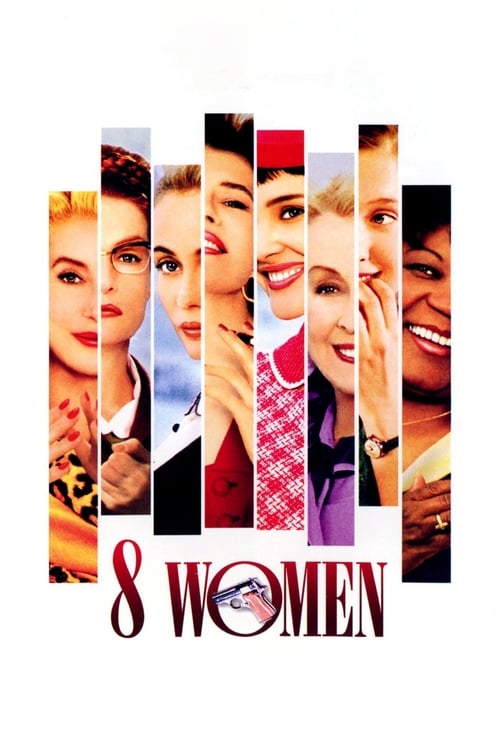
I distinctly remember watching 8 Women for the first time on a scratched DVD I’d borrowed from a local library, huddled on a beanbag chair while snacking on a bowl of lukewarm, slightly over-salted popcorn. There’s something about the hyper-saturated, Technicolor artifice of François Ozon’s 2002 murder mystery that feels perfectly suited to a cozy, slightly claustrophobic night in. It’s a film that shouldn't work—a 1950s-style melodrama blended with a "whodunit" mystery, interrupted periodically by 1960s-inspired pop musical numbers—yet it manages to be one of the most sheerly entertaining pieces of French cinema from the early 2000s.
The Avengers of French Cinema
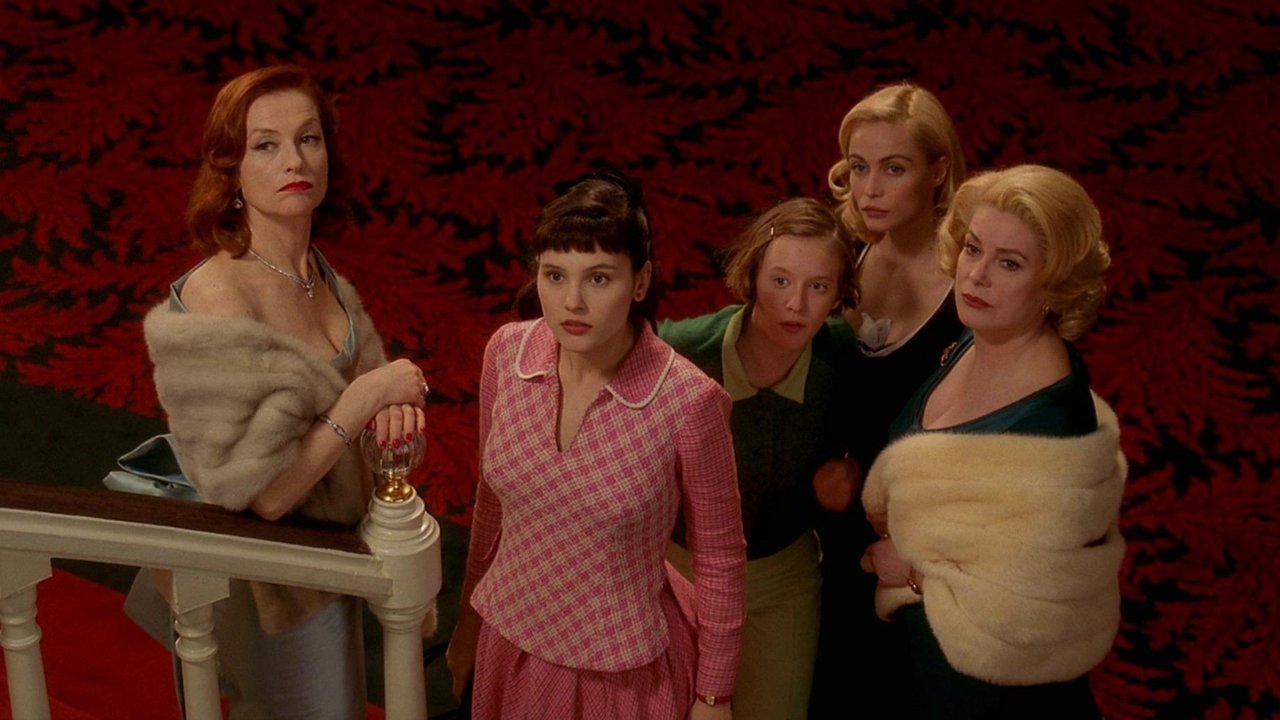
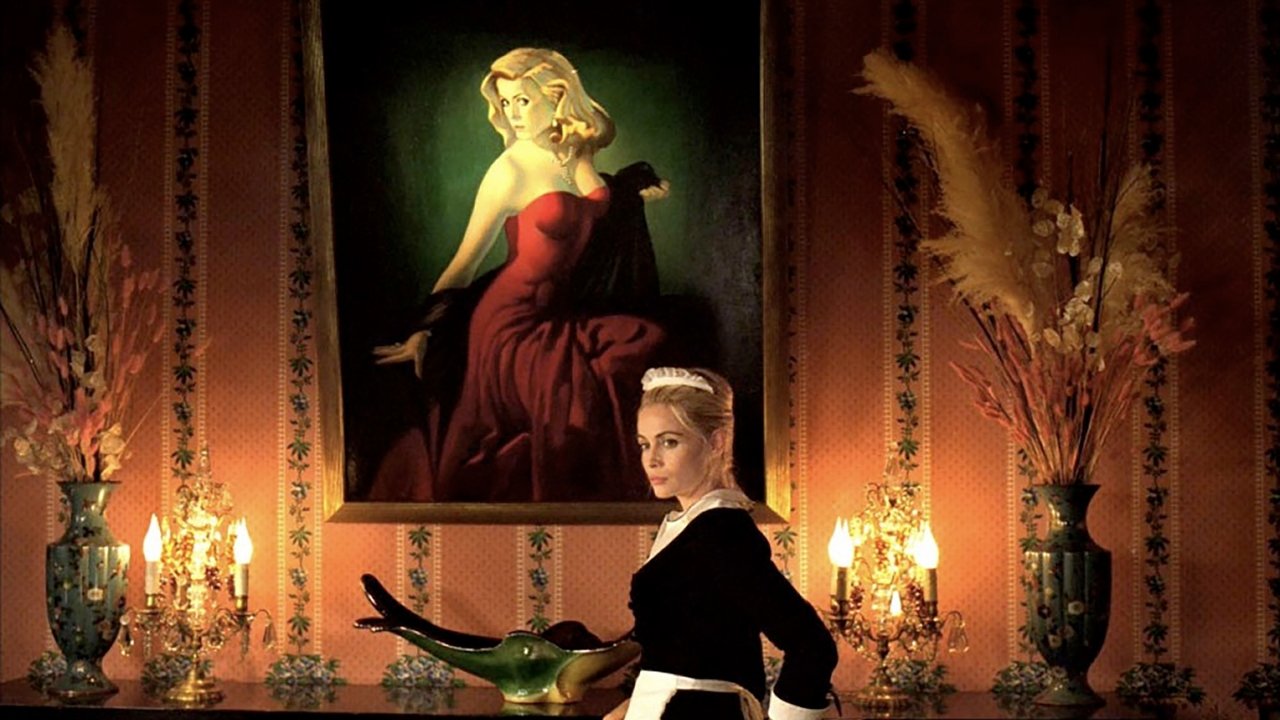
The premise is pure Agatha Christie: a wealthy patriarch is found dead in his bed with a knife in his back, his house snowed in and the phone lines cut. But the plot is almost secondary to the colossal flex of the casting. Ozon managed to assemble what I like to call the "French Cinema Royalty Cage Match." You’ve got the legendary Catherine Deneuve as the elegant Gaby, Isabelle Huppert playing the high-strung, repressed Augustine, and Fanny Ardant as the sultry, "black sheep" sister-in-law, Pierrette.
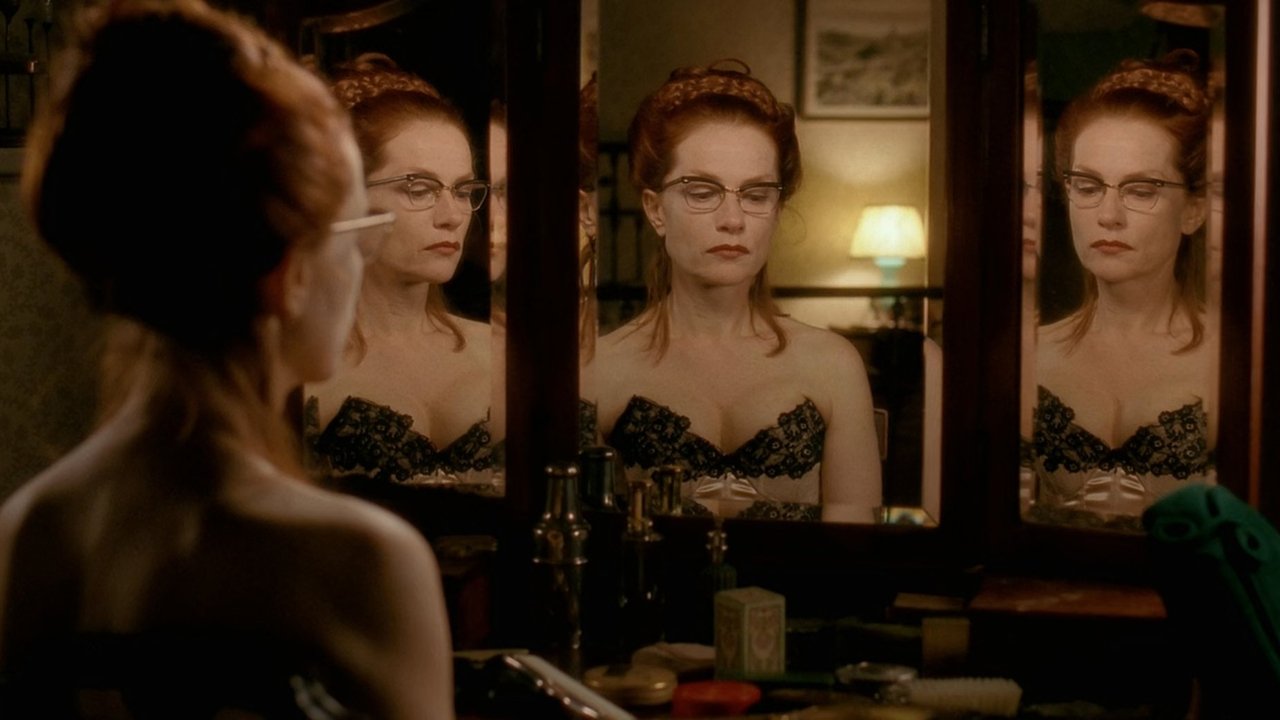
Seeing these titans share the screen is like watching several moons orbit the same planet without crashing—though the sparks that fly when they do collide are spectacular. Isabelle Huppert, in particular, gives a performance that is essentially a human cringe-compilation, playing a character so brittle and neurotic you’re constantly waiting for her to literally snap in half. It’s a far cry from the chilly, detached roles she’s known for today, and seeing her lean into the comedic absurdity of the "spinster aunt" trope is a joy.
Technicolor Camp and Choreographed Chaos
Visually, 8 Women is a fever dream of 1950s aesthetics. Ozon isn't trying to make a "realistic" movie; he’s making a movie about movies. The costumes, designed by Pascaline Chavanne, are heavily inspired by Christian Dior’s "New Look," with each woman assigned a specific color palette that reflects her personality. It feels like a stage play filmed with the lush, vibrant palette of a Douglas Sirk melodrama or a Vincente Minnelli musical.
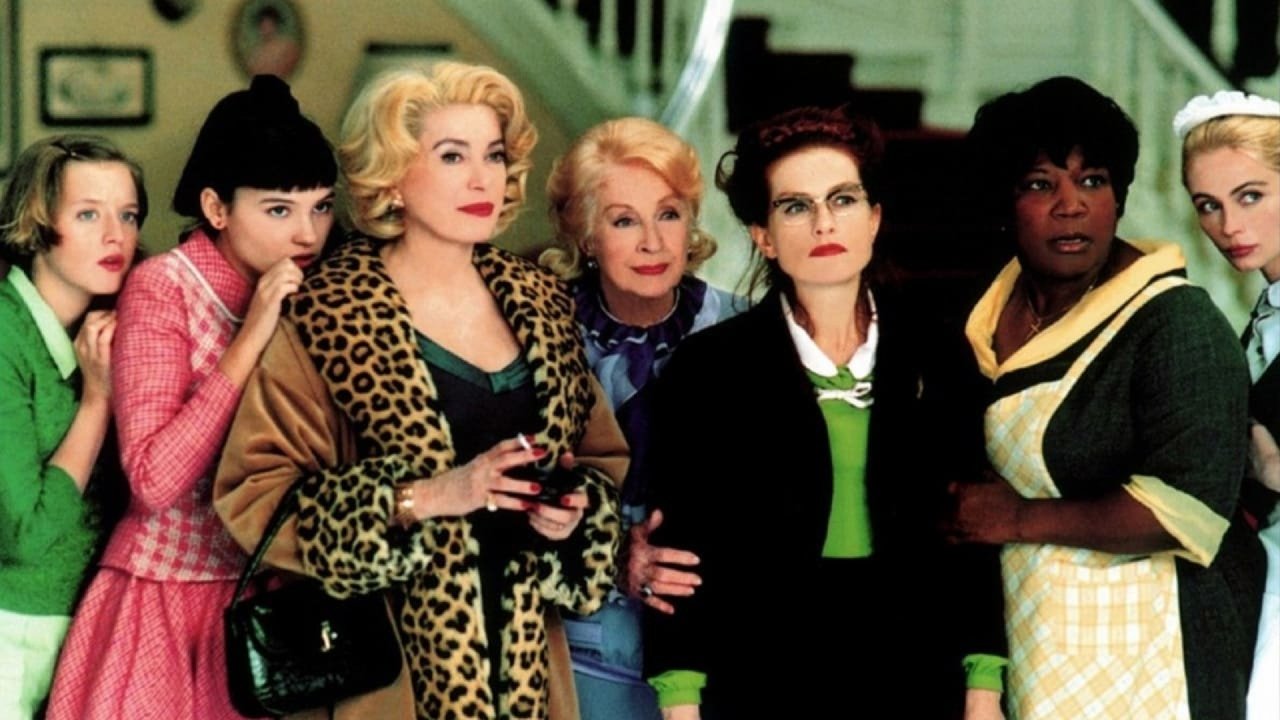
Then, there are the songs. Every one of the eight women gets a solo musical number, ranging from soulful ballads to kitschy pop. On paper, this sounds like a disaster—a tonal nightmare that would grind the mystery to a halt. In practice, it’s the secret sauce. Each song acts as a confessional, peeling back the layers of these women’s secrets in a way that dialogue alone couldn't achieve. Ludivine Sagnier’s rendition of "Papa t'es plus dans l'coup" is a highlights-reel moment of pure Y2K-era French pop energy, while Fanny Ardant’s performance of "À quoi sert de vivre libre" provides the film's sultry, beating heart.
The Mystery of the Missing Men
What’s fascinating to me, looking back, is how this film exists in that weird transitional space of the early 2000s. It was a massive international hit at a time when "foreign" films were finally breaking out of the subtitles-only arthouse ghetto and finding life on the shelves of suburban Blockbusters. It’s a movie that feels like the cinematic equivalent of a box of poisoned macarons: beautiful to look at, sweet to the taste, but with a lethal edge.
Behind the scenes, the production was reportedly a bit of a diplomatic minefield. Ozon originally wanted to remake the 1939 classic The Women, but when rights issues got in the way, he turned to Robert Thomas’s 1958 play Huit femmes. To keep the peace among his high-profile cast, he supposedly treated them all with extreme delicacy, knowing that having eight of France’s biggest stars in a single isolated location was a recipe for real-life drama. Apparently, the actresses weren't even told who the killer was until late in the shoot, which adds a genuine layer of suspicion to their interactions.
Why It’s Worth the Rediscovery
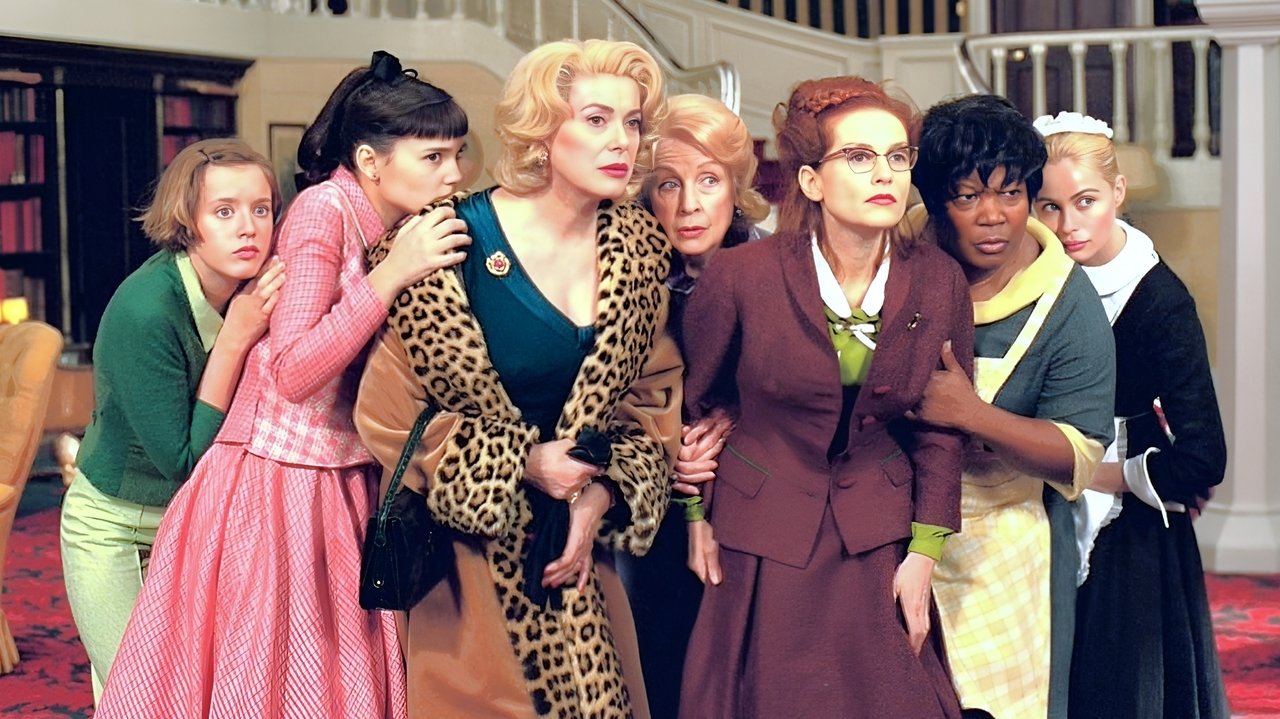
Does the mystery hold up? Honestly, yes. While the "reveal" is a bit of a gut-punch that shifts the tone from campy fun to something much darker, the journey is so rich with character detail that you don't mind the tonal whiplash. It’s a film that celebrates women while simultaneously dismantling the "happy family" facade with surgical precision.
Looking back from the 2020s, 8 Women feels like a relic of a time when directors were allowed to be unashamedly weird and theatrical with a decent budget. It’s not trying to set up a franchise or satisfy a focus group; it’s just Ozon playing with his favorite dolls in a very expensive dollhouse. It’s biting, it’s hilarious, and it’s the only movie where you’ll see Catherine Deneuve and Fanny Ardant get into a rolling floor-fight before breaking into song.
If you’ve never seen 8 Women, find the best copy you can and settle in for a night of high-fashion homicide. It’s a rare bird of a film—one that manages to be a genuine puzzle, a hilarious comedy, and a heartfelt tribute to the history of the screen sirens who made us love movies in the first place. Just don't expect a lot of male perspective; in this house, the men are strictly optional.
Keep Exploring...
-
In the House
2012
-
The Player
1992
-
Kiss Kiss Bang Bang
2005
-
Caché
2005
-

Revolver
2005
-
Smokin' Aces
2006
-
Tell No One
2006
-
Breakdown
1997
-
Grosse Pointe Blank
1997
-
Kiss the Girls
1997
-
Wild Things
1998
-
Arlington Road
1999
-
Lake Placid
1999
-

Stir of Echoes
1999
-

The Thirteenth Floor
1999
-

The Gift
2000
-
Gosford Park
2001
-
Joy Ride
2001
-
The Pledge
2001
-
Confessions of a Dangerous Mind
2002