A Walk to Remember
"A miracle is more than a cure."

The year 2002 occupied a strange, earnest pocket of time. We were past the neon-soaked cynicism of the late 90s, but we hadn't yet succumbed to the hyper-stylized, self-aware "Prestige TV" aesthetic that would eventually swallow teen dramas whole. In the middle of this transition sat A Walk to Remember, a film that felt like a relic even when it was brand new. It arrived without the snark of Cruel Intentions or the slapstick of American Pie, opting instead for a brand of sincerity so thick you could practically feel the humidity of its North Carolina setting.

I watched this recently while trying to peel a particularly stubborn clementine, and the scent of citrus now forever triggers a Pavlovian urge to cry over a sweater vest. It’s a movie that demands you drop your guard, which is a big ask for a modern audience raised on irony. But if you can get past the initial "after-school special" vibes, there is something surprisingly sturdy beneath the surface.
The Subversive Power of Sincerity
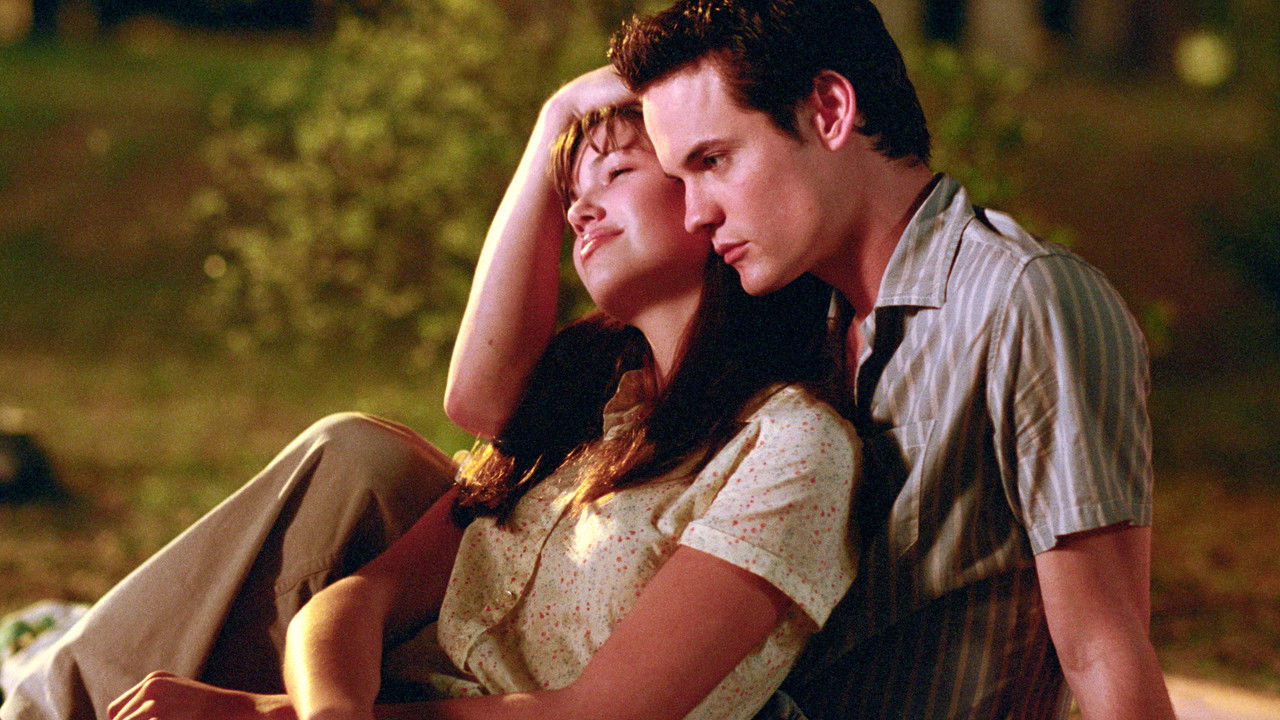
The plot is Nicholas Sparks 101: Landon Carter (Shane West), a drifting "bad boy" whose rebellion mostly consists of wearing leather jackets and looking mildly inconvenienced, is forced to join the school play. There, he encounters Jamie Sullivan (Mandy Moore), the local minister's daughter. Jamie is the antithesis of the 2002 "it girl." She doesn't care about her hair, she wears oversized cardigans that look like they’ve been lived in by several generations of librarians, and she carries a Bible without a hint of performative piety.
What’s fascinating looking back is how the film treats Jamie’s faith. In many modern films, her religiousness would be a joke or a character flaw to be "fixed." Here, director Adam Shankman—who, interestingly, moved from the high-energy choreography of The Wedding Planner to this quiet drama—allows Jamie’s convictions to be her spine. Shane West’s early-2000s hair had more structural integrity than the actual school play they were performing, but his chemistry with Moore is what saves the movie from its own tropes. West plays Landon’s transformation not as a sudden lightbulb moment, but as a slow, painful shedding of a skin that never really fit him.
The Pop Star Pivot

This was a massive moment for Mandy Moore. At the time, she was still largely seen as the "Candy" pop princess, the brunette alternative to Britney and Christina. Taking this role required her to strip away the gloss. She dyed her hair a mousy brown and leaned into a performance that is remarkably restrained. She doesn't "over-act" the tragedy; she plays Jamie as someone who has already made peace with her fate long before Landon enters the frame.
The supporting cast adds a layer of "prestige" that teen movies of this era rarely bothered with. Peter Coyote brings a weary, protective gravitas to Reverend Sullivan, and Daryl Hannah—only a few years away from her iconic turn in Kill Bill—is underutilized but effective as Landon’s mother. It’s a testament to the production’s ambition that they sought out actors who could ground the melodrama in something resembling reality.
The film also benefits from the cinematography of Julio Macat, who captures the coastal Carolinas with a golden-hour warmth that makes the whole world feel like it’s held in amber. It’s a visual choice that reinforces the film’s central philosophical question: Is the value of a life measured by its length or by its impact?
The "Miracle" and the Finite
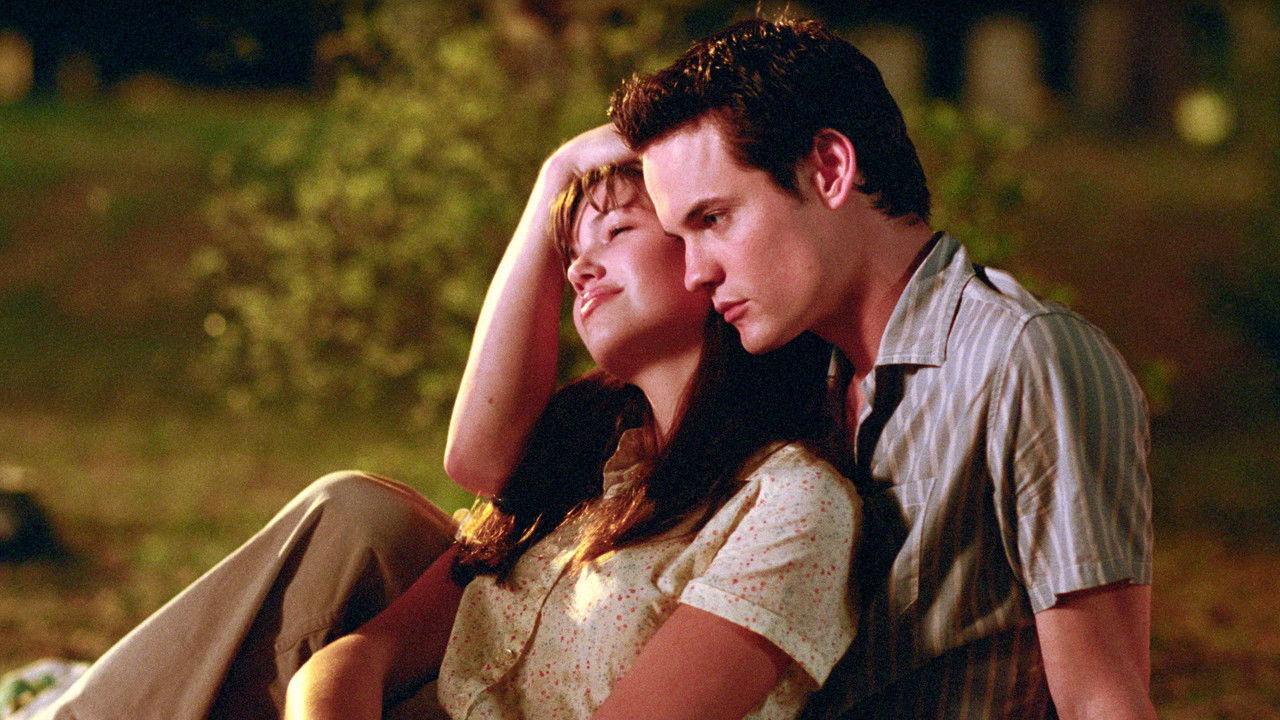
There’s a cerebral layer to A Walk to Remember that often gets overshadowed by its reputation as a "chick flick." It grapples with the concept of the miracle. Jamie tells Landon she wants to witness a miracle, and the screenplay by Karen Janszen cleverly subverts what that means. By the end, we realize the miracle isn't a medical anomaly or a suspension of the laws of physics; it's the profound, inexplicable change in Landon’s character.
Looking back from an era where "teen sick-flicks" like The Fault in Our Stars have become their own polished subgenre, this film feels raw and unpolished in a way that’s actually quite charming. It doesn't have the digital sheen of a Netflix original. It was shot on film, it features a soundtrack loaded with Switchfoot and Mandy Moore's own "Only Hope," and it isn't afraid to be quiet.
Apparently, the production was so low-budget (around $11 million) that they had to use the same sets as the TV show Dawson’s Creek. You can almost smell the creek water. That lack of studio bloat allowed the film to stay focused on its central duo. It’s a movie about the finite nature of time, made during a period when we all felt like we had a lot more of it.
Ultimately, A Walk to Remember earns its tears. It’s a drama that knows exactly what it is and doesn't apologize for its lack of edge. While the "bad boy redeemed by the dying girl" trope has been sanded down by decades of overuse, there is a purity here that’s hard to find in today’s more cynical landscape. It’s a film that asks you to believe, if only for 101 minutes, that people can actually change for the better. Even if you're just killing time before a bus, it’s a journey worth taking.

Keep Exploring...
-

Pride & Prejudice
2005
-

Flipped
2010
-

Before Sunset
2004
-
Before Sunrise
1995
-

Dilwale Dulhania Le Jayenge
1995
-
10 Things I Hate About You
1999
-
Brokeback Mountain
2005
-

Mr. Nobody
2009
-

About Time
2013
-

Eternal Sunshine of the Spotless Mind
2004
-
The Notebook
2004
-

Moulin Rouge!
2001
-
Talk to Her
2002
-

Cinderella Man
2005
-

Memoirs of a Geisha
2005
-
Atonement
2007
-

Hairspray
2007
-
Into the Wild
2007
-

What's Eating Gilbert Grape
1993
-
The Bridges of Madison County
1995