About a Boy
"Island living is overrated when your neighbor is a geek."

In 2002, we were right in the thick of the "floppy-haired charmer" phase of Hugh Grant's career. We’d seen him stumble through apologies in Four Weddings and a Funeral and play the travel-bookstore-owner-next-door in Notting Hill. But About a Boy felt like a necessary, slightly cynical pivot. It arrived during that sweet spot of the early 2000s when "Indie-lite" was becoming a major studio aesthetic—clean cinematography, a quirky acoustic soundtrack, and a script that actually respected the audience's intelligence.
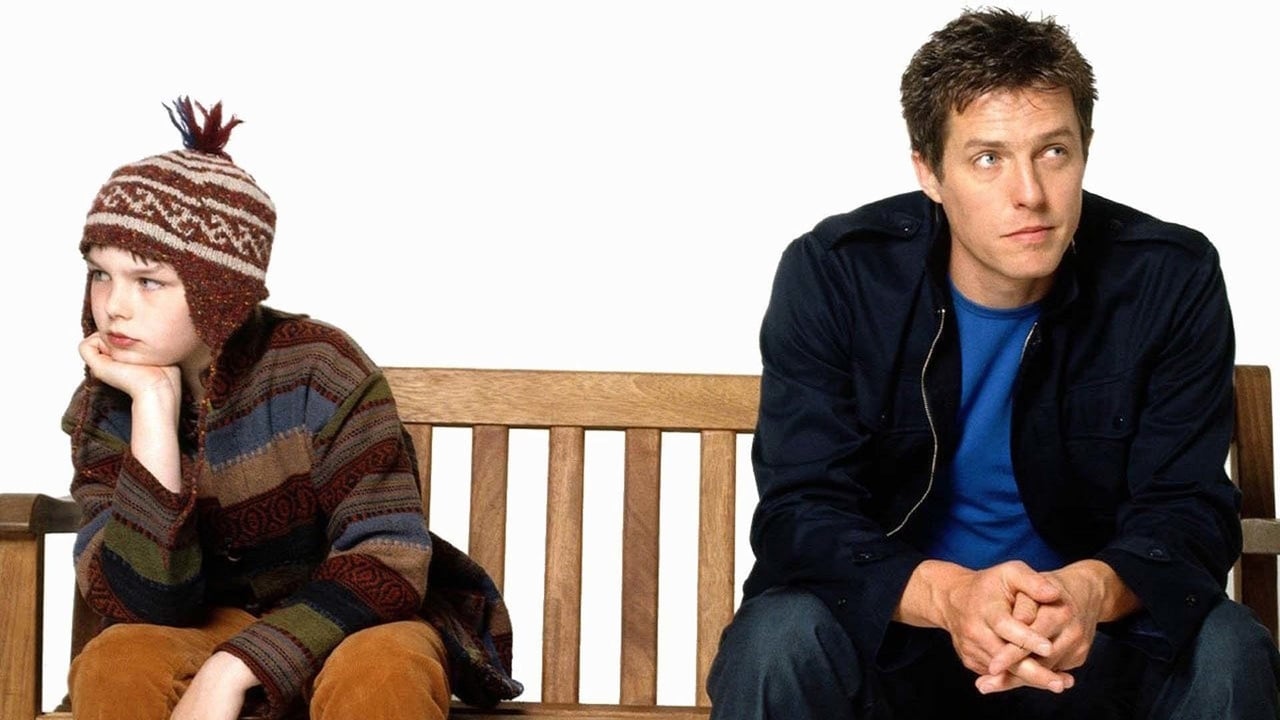
I recently rewatched this on a rainy Tuesday while nursing a cup of tea that had gone tragically lukewarm, and I was struck by how well it balances the biting wit of Nick Hornby’s source material with a genuine, unearned warmth. It’s a film about a man who treats his life like a high-end retail experience and a boy who is just trying to survive the social meat-grinder of middle school.
The Art of Doing Absolutely Nothing
The movie centers on Will Freeman (Hugh Grant), a man who has managed to gamify his existence. Thanks to the royalties from a Christmas song his father wrote decades ago, Will doesn’t have a job, a family, or a single meaningful responsibility. He measures his life in "units" of time—one unit for a hair appointment, two for a workout, three for watching Countdown. He’s the ultimate bachelor, but unlike the playboys of 90s cinema, Will is refreshingly honest about his shallowness.
Then he meets Marcus, played by a very young, very bowl-cut Nicholas Hoult. Marcus is the kind of kid who sings out loud in class without realizing it and wears woolen sweaters that his mother, Fiona (Toni Collette), probably knitted in a fit of hippified zeal. Marcus is a social pariah, and Will is a social predator who joins a single-parent support group (SPAT) just to meet vulnerable women. It’s a predatory, gross premise that only a performer with Hugh Grant’s specific brand of self-deprecating charisma could pull off without making the audience want to call the police.
What follows isn’t a typical "man finds his heart" story. It’s more of a hostage situation where the hostage (Will) eventually realizes the kidnapper (Marcus) has better snacks. "Will’s lifestyle of doing absolutely nothing is the secret dream of every burnt-out millennial," and seeing that vacuum filled by a kid who just wants to watch Game for a Laugh is where the comedy finds its soul.
Performance Nuance and Heavy Lifting
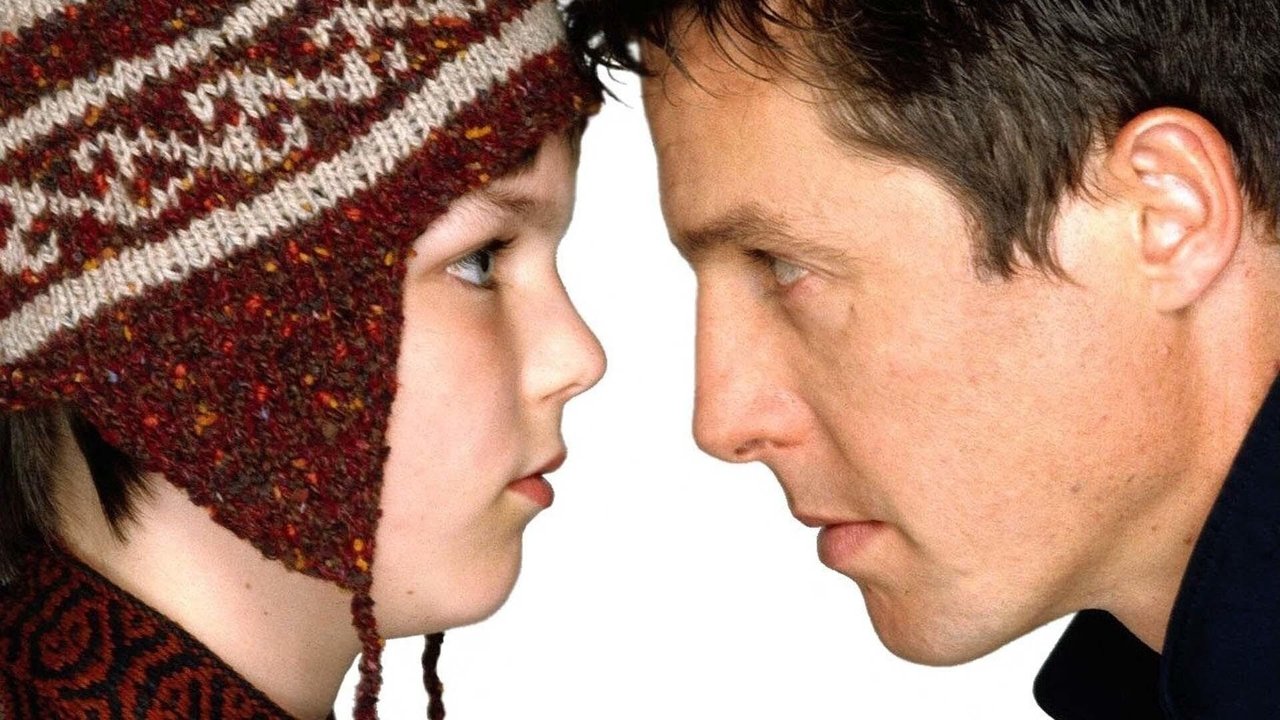
While the marketing sold this as a lighthearted romp, the drama is surprisingly heavy. Toni Collette is incredible as Fiona, a woman struggling with severe depression. In an era where "sad moms" were often relegated to the background, Collette brings a raw, uncomfortable honesty to the role. There’s a scene involving a suicide attempt that could have easily derailed the movie’s comedic timing, but directors Chris Weitz and Paul Weitz—who, remarkably, had just come off the raunchy success of American Pie—handle it with a surprising amount of grace.
This was also the big breakout for Nicholas Hoult. It’s wild looking back at this "hopelessly geeky" kid and realizing he’d eventually become a leather-clad mutant in X-Men or a post-apocalyptic war boy in Mad Max: Fury Road. Here, he’s perfect as the un-coolest kid in London. His chemistry with Grant is the engine of the film; they don't have a father-son dynamic as much as they have a "grumpy older brother and annoying younger brother" vibe.
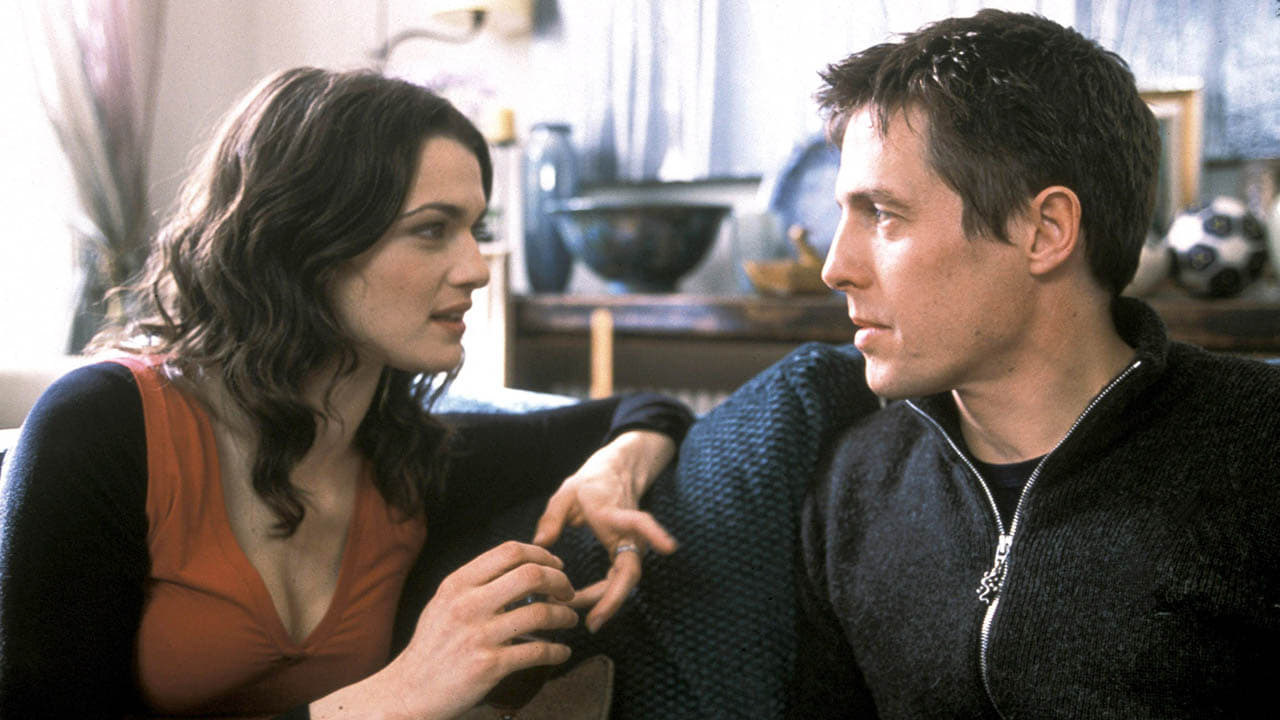
We also get a brief but lovely turn from Rachel Weisz as Rachel, the woman who finally forces Will to reckon with his own emptiness. She doesn't have much screen time, but she provides the necessary friction to make Will’s eventual "growth" feel earned rather than forced.
A Cultural Snapshot of the Early Aughts
From a production standpoint, About a Boy is a fascinating artifact of its time. It was a massive commercial success, raking in $129 million on a relatively modest $27 million budget. It proved that there was a massive market for "adult" comedies that didn't rely on slapstick or gross-out humor. It’s also famously produced by Robert De Niro through his Tribeca Productions, which always felt like a strange "cool factor" endorsement for a British rom-com.

The soundtrack by Badly Drawn Boy is another 2002 staple. It’s that specific brand of melodic, slightly melancholic indie-pop that defined the era's transition from the loud Britpop of the 90s to the more introspective sounds of the early millennium. It ties the whole film together, making London look both grey and inviting.
Looking back, the film’s "Blockbuster" status is well-deserved. It didn't need CGI or massive set pieces to dominate the conversation; it just needed a sharp script (co-written by Peter Hedges) and a cast that knew exactly when to lean into the joke and when to let the silence sit. It captured that post-9/11 desire for stories about connection and "found family" without being overly sentimental or saccharine.
About a Boy is that rare adaptation that actually understands its source material while carving out its own cinematic identity. It’s funny, it’s occasionally heartbreaking, and it features Hugh Grant at the absolute peak of his powers. It avoids the easy clichés of the genre, opting instead for a messy, realistic ending that acknowledges that while you can't be an island, being a peninsula is a pretty good compromise. If you haven't seen it in a decade, it’s time to revisit Will and Marcus—just maybe skip the lukewarm tea.
Keep Exploring...
-

American Pie
1999
-
As Good as It Gets
1997
-
Stepmom
1998
-
Lost in Translation
2003
-

Love Actually
2003
-
Something's Gotta Give
2003
-
Shall We Dance?
2004
-
Love & Other Drugs
2010
-
Silver Linings Playbook
2012
-

EverAfter
1998
-
Blast from the Past
1999
-
Never Been Kissed
1999
-
High Fidelity
2000
-
Punch-Drunk Love
2002
-
S1m0ne
2002
-

Casanova
2005
-
The Sisterhood of the Traveling Pants
2005
-
Stranger Than Fiction
2006
-
The Artist
2011
-
Chocolat
2000