About Schmidt
"Objects in the mirror are lonelier than they appear."
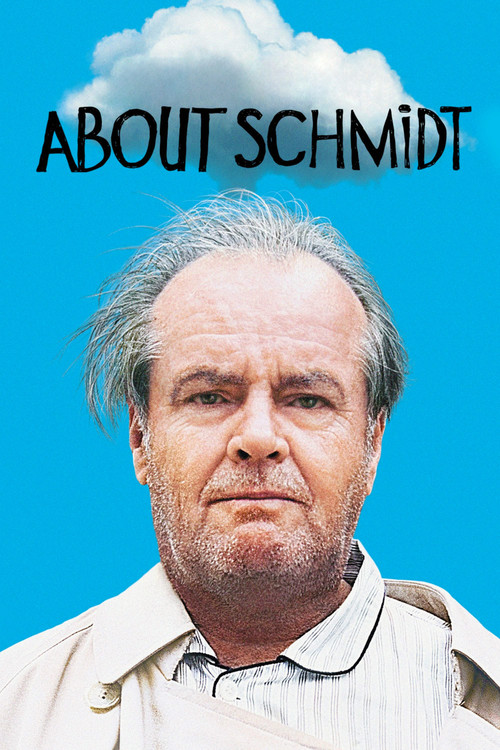
The first time I saw About Schmidt, I watched it on a scratched DVD I’d rented from a Blockbuster that smelled faintly of floor wax and stale popcorn. I remember this specifically because I was eating a sleeve of Thin Mints that had been in the freezer too long, making them unnervingly crunchy. It was the perfect atmosphere for a movie that is essentially the cinematic equivalent of a cold bowl of oatmeal that somehow tastes like a five-course meal.
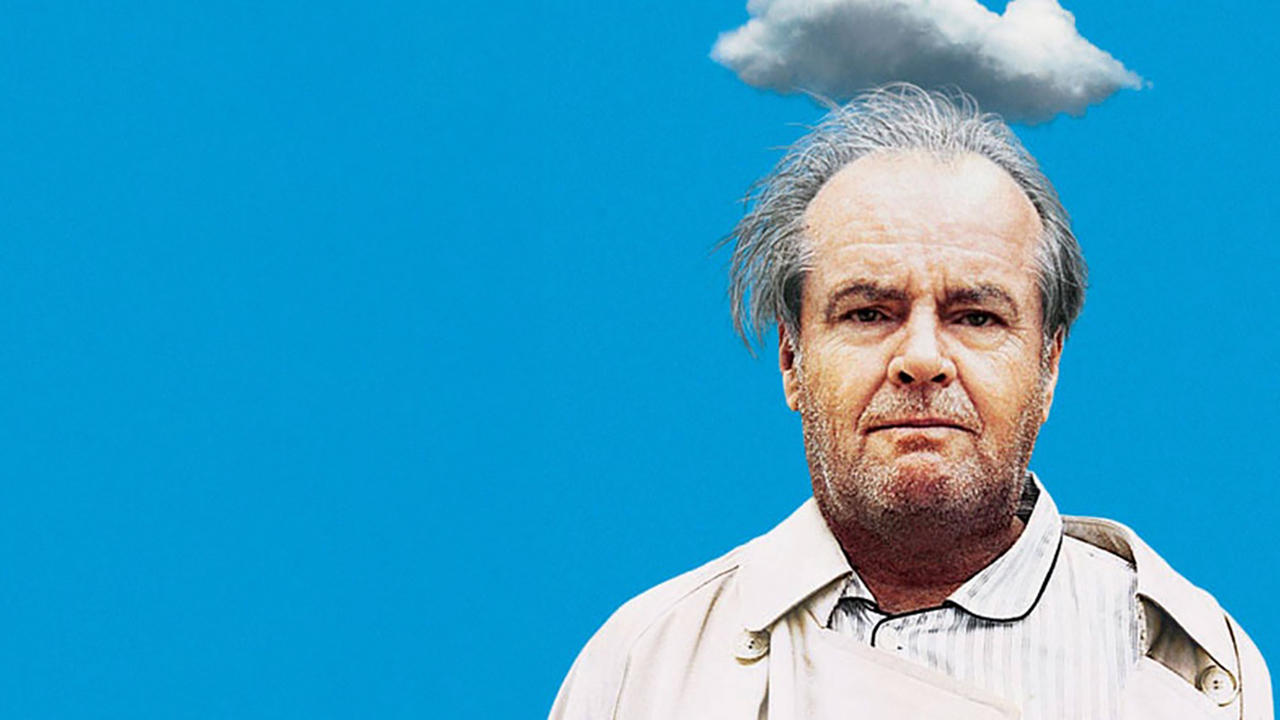
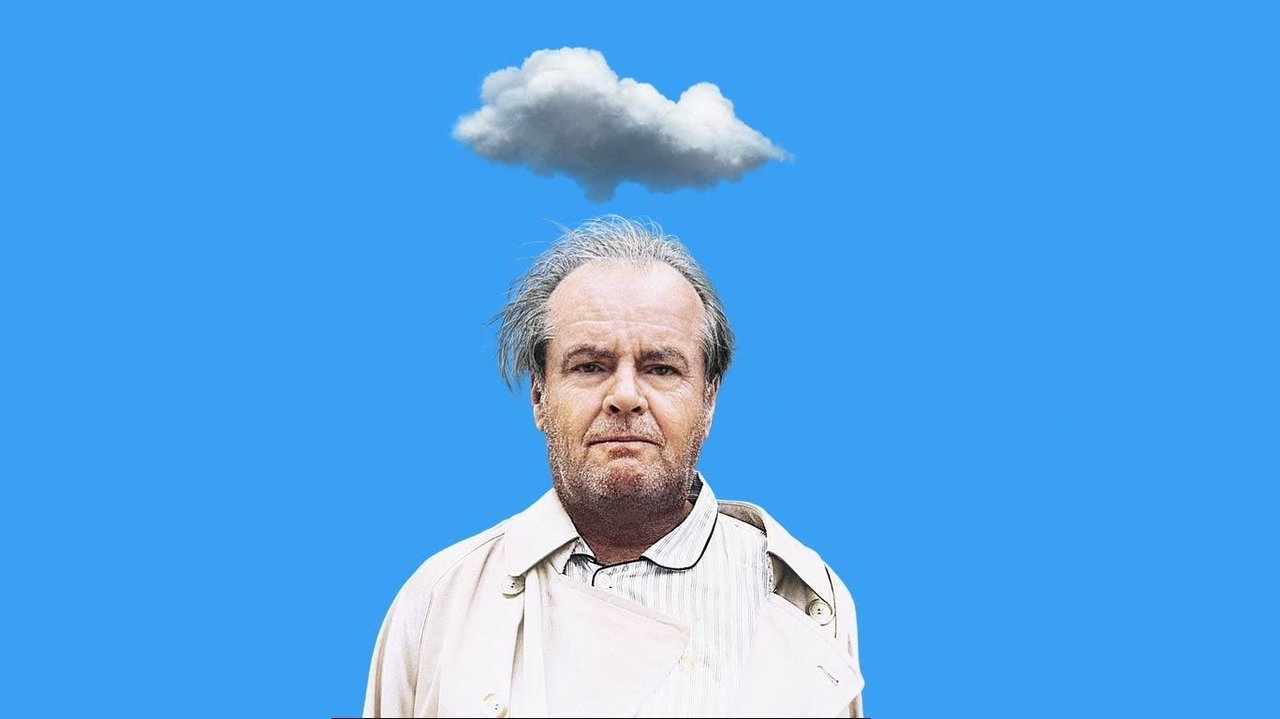
The film opens with a shot that should be boring but is actually agonizing: Jack Nicholson as Warren Schmidt, sitting in a stark, wood-paneled office, watching the clock tick down the final seconds of his career as an actuary. When the hand hits twelve, he doesn't cheer. He just leaves. It is the beginning of a retirement that feels less like a reward and more like a slow-motion eviction from relevancy.
The Legend Unlearns Everything
For decades, we knew "Jack." We knew the arched eyebrows, the wolfish grin, and the "Heeeere’s Johnny!" intensity. But in 2002, Alexander Payne did something radical: he asked Jack Nicholson to disappear.
As Warren, Nicholson is a marvel of suppressed energy. He sports a tragic, low-effort comb-over and wears his pants slightly too high. He is a man who has spent his entire life calculating risk for Woodmen of the World insurance, only to realize he’s the one who’s been culturally and emotionally depreciated. It is a performance of tiny winces and long silences. When his wife, Helen (played with heartbreaking domesticity by June Squibb), suddenly passes away, Warren is left adrift in a house full of Hummel figurines he doesn’t understand and a life he didn't help build.
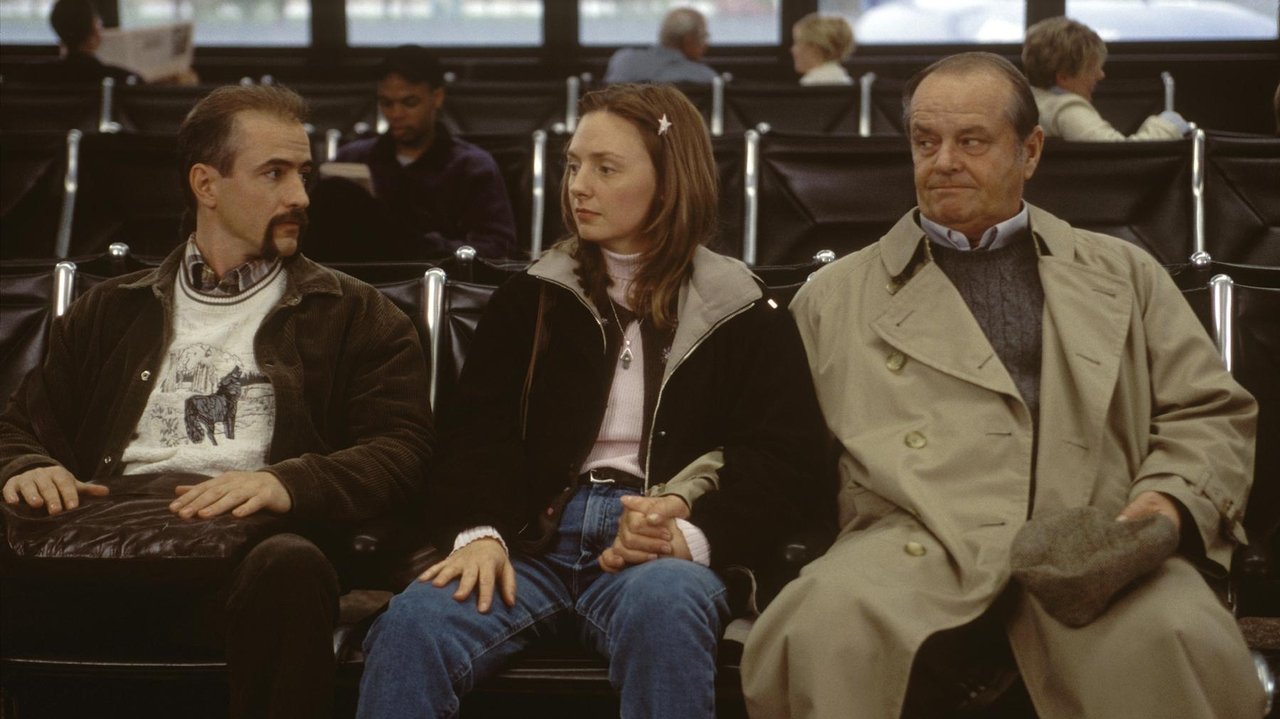
The genius of the film is how it handles Warren’s attempt to "fix" things. He decides to drive his massive, 35-foot Adventurer motorhome to Denver to stop his daughter, Jeannie (Hope Davis), from marrying Randall (Dermot Mulroney), a waterbed salesman with a ponytail and a collection of pyramid schemes. Watching Warren navigate that Winnebago is like watching a man try to pilot his own coffin across the Great Plains.
A Stealth Blockbuster of the Mundane
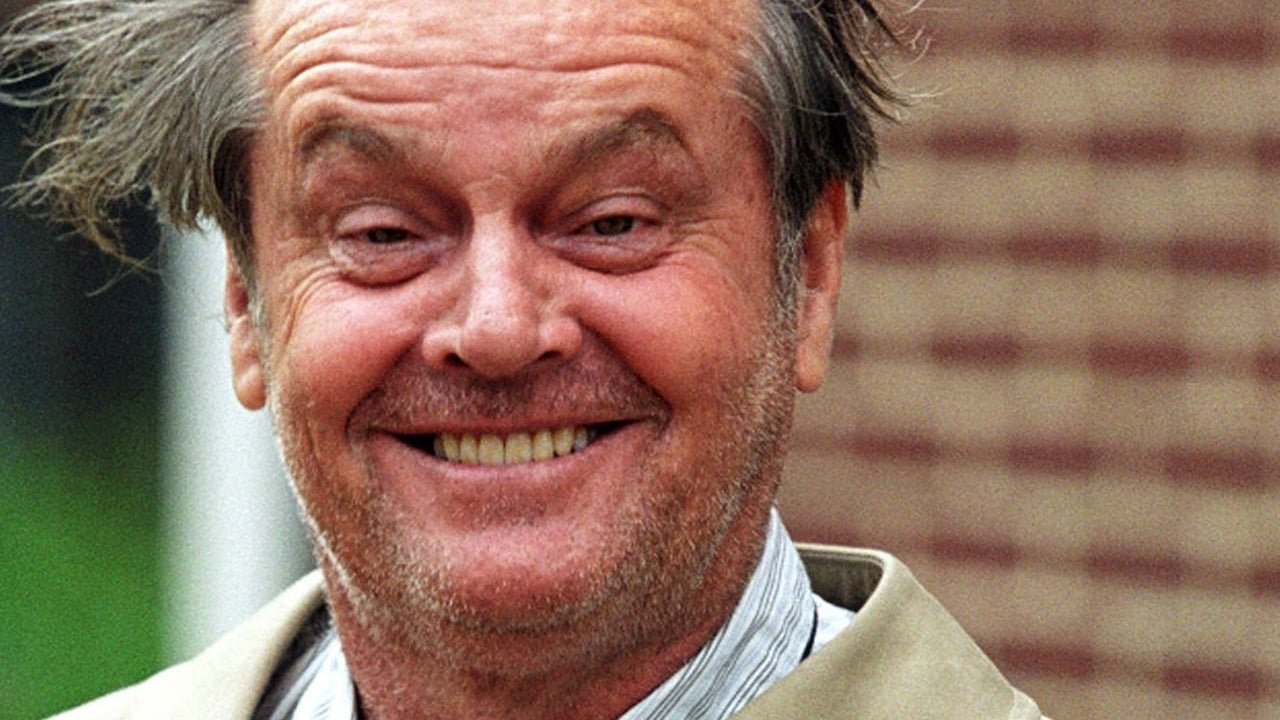
Looking back from our era of billion-dollar capes and multiverses, it’s wild to remember that About Schmidt was a genuine commercial juggernaut. It raked in over $105 million on a $30 million budget. In 2002, audiences actually went to the multiplex in droves to see a quiet, R-rated drama about a 66-year-old man having an existential crisis in Nebraska.
This was the peak of the Alexander Payne/Jim Taylor "Indie Renaissance" style—the kind of movie that felt deeply literary but stayed accessible. It captured a specific post-9/11 anxiety: the fear that the quiet, stable lives we built were actually fragile and perhaps a bit hollow. The film uses a brilliant narrative device to let us into Warren’s head: his letters to Ndugu, a six-year-old Tanzanian orphan he sponsors for $22 a month. Warren pours his petty grievances and soul-crushing realizations into these letters, treating a child who owns nothing as his only confidant. It’s both hilarious and devastatingly pathetic.
The Hot Tub Incident
While the film is a drama at its core, it leans into the "cringe-comedy" that Payne excels at. Enter Kathy Bates as Roberta Hertzel, Randall’s free-spirited, TMI-sharing mother. Bates is a force of nature here, providing the perfect chaotic foil to Warren’s rigid, repressed Midwestern sensibilities.
Then, there is the scene. You know the one. Kathy Bates inviting Warren into her hot tub. In an era where Hollywood was becoming increasingly obsessed with digital airbrushing and agelessness, this scene was a punch in the gut of reality. It’s funny, yes, but it’s also remarkably human. Bates earned her Oscar nomination by being utterly unafraid to be "too much," forcing both Warren and the audience to confront a body and a personality that refuses to be diminished.

The supporting cast is equally sharp. Dermot Mulroney plays Randall with a "lovable loser" energy that makes you understand exactly why Warren hates him and exactly why Jeannie loves him. Mulroney actually spent weeks practicing his "salesman" pitch for a multilevel marketing scheme, and it shows—he’s the human equivalent of a damp handshake you can’t quite escape.
About Schmidt is a rare bird: a film that mocks its protagonist without ever losing its empathy for him. It’s a road movie where the destination is a wedding we know is a mistake, led by a man who realizes far too late that he never really knew the people he lived with. The ending, involving a simple crayon drawing from a child halfway across the world, remains one of the most earned emotional payoffs in Modern Cinema. It reminds me that even if your life feels like a series of actuarial tables, your existence still leaves a footprint, however small.
If you haven't seen it since the DVD era, go back. It’s aged better than Warren’s Winnebago ever could.
Keep Exploring...
-
Sideways
2004
-

The Descendants
2011
-
Election
1999
-

The Bucket List
2007
-
As Good as It Gets
1997
-
Something's Gotta Give
2003
-
About a Boy
2002
-

Mean Girls
2004
-
The Devil Wears Prada
2006
-
Stepmom
1998
-
Billy Elliot
2000
-
Lost in Translation
2003
-
Shall We Dance?
2004
-

Mr. & Mrs. Smith
2005
-

Ice Princess
2005
-
Fried Green Tomatoes
1991
-
The Santa Clause
1994
-

Babe
1995
-
Love & Other Drugs
2010
-

Arthur Christmas
2011