Adaptation.
"The most honest film ever written about lying."
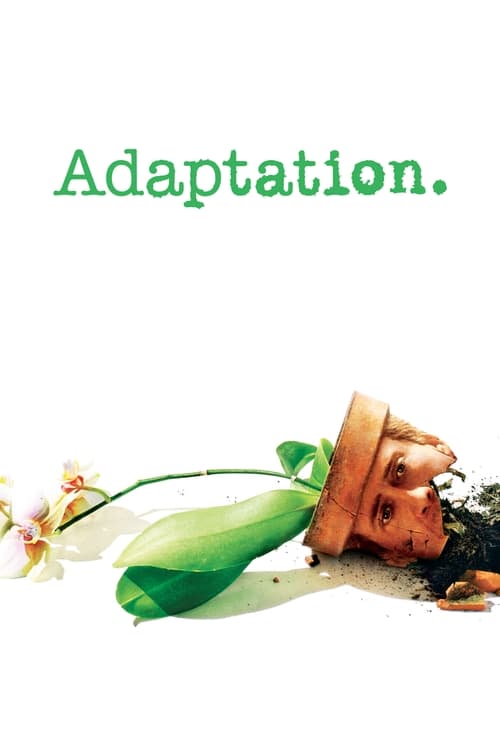
The image of a middle-aged man sweating profusely while staring at a blinking cursor shouldn't be this entertaining. In 2002, the "indie film" wasn't just a genre; it was a sanctuary for the weird, the wired, and the hopelessly neurotic. Coming off the heels of the 1990s Sundance boom, directors like Spike Jonze were the new rockstars, and screenwriter Charlie Kaufman was their intellectual drug of choice. Adaptation. is the peak of that era’s creative arrogance, a film so self-obsessed it actually loops around and becomes a universal scream of creative agony.

I first watched this on a laptop with a dying battery while my roommate was in the next room loud-talking to his mom about car insurance, and honestly, the background noise of mundane life only made Kaufman’s cinematic breakdown feel more urgent. It captures that specific Y2K-era anxiety where we all started realizing the internet was going to make everything both more connected and infinitely more lonely.
The Sweat of the Screenplay
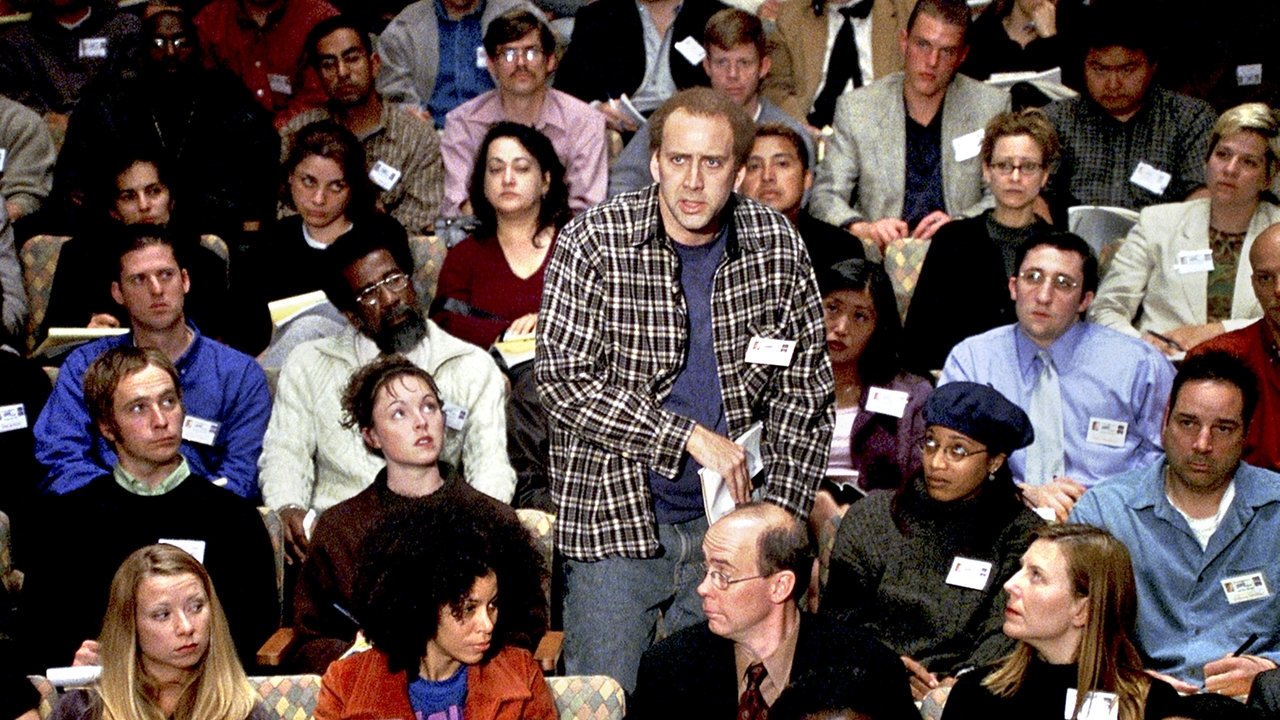
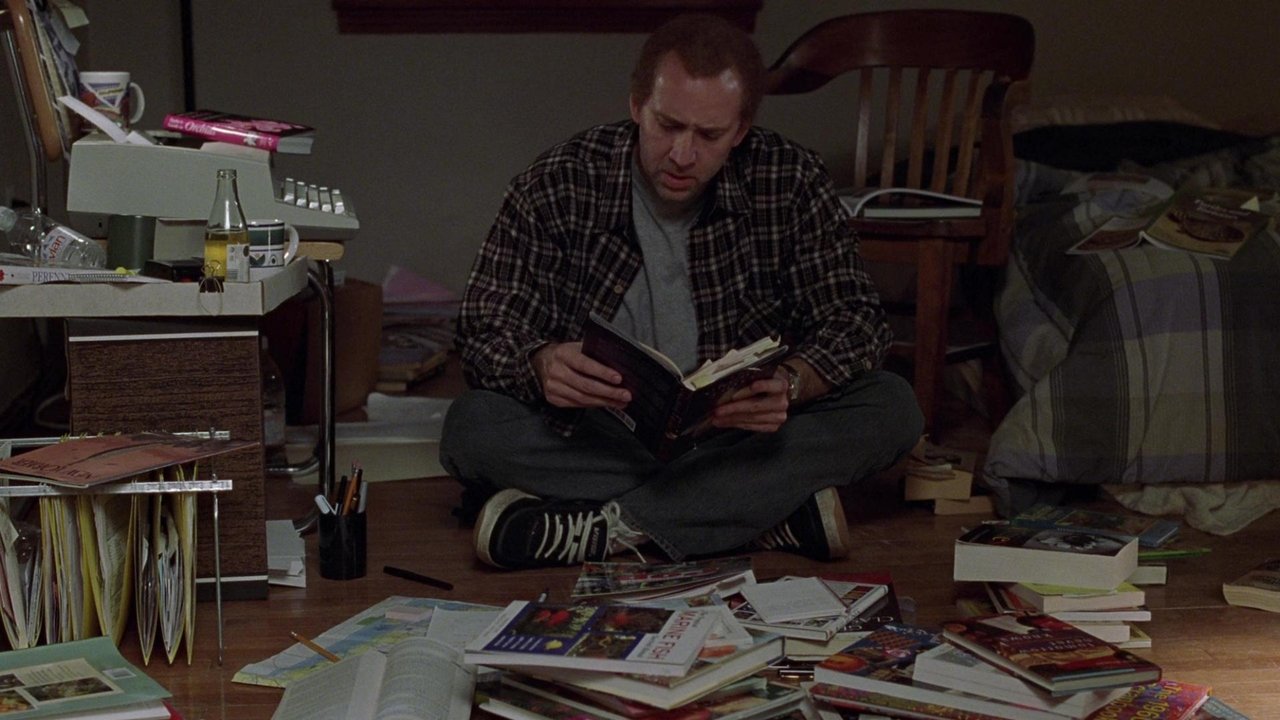
The premise is a trap. Charlie Kaufman (played with glorious, damp misery by Nicolas Cage) is hired to adapt Susan Orlean’s non-fiction book The Orchid Thief. The problem? The book is a beautiful, plotless drift through the Florida Everglades. There is no "movie" there. As Charlie descends into a spiral of self-loathing, he does the unthinkable: he writes himself into the script.
This isn't just "meta" for the sake of being clever. It’s a dark, intense look at the horror of the blank page. We watch Charlie masturbate to his own failures, lie to his agent, and shrink in the shadow of his twin brother, Donald (also Nicolas Cage). Donald is everything Charlie hates: a happy, talentless hack who writes a cliché-ridden thriller called The 3 and sells it for seven figures. Cage’s dual performance is a high-wire act that should have won him every award in existence. He manages to make these two men feel like entirely different physical entities through nothing more than a slight shift in posture and a different level of eyelid droop.
A Cage for Every Occasion
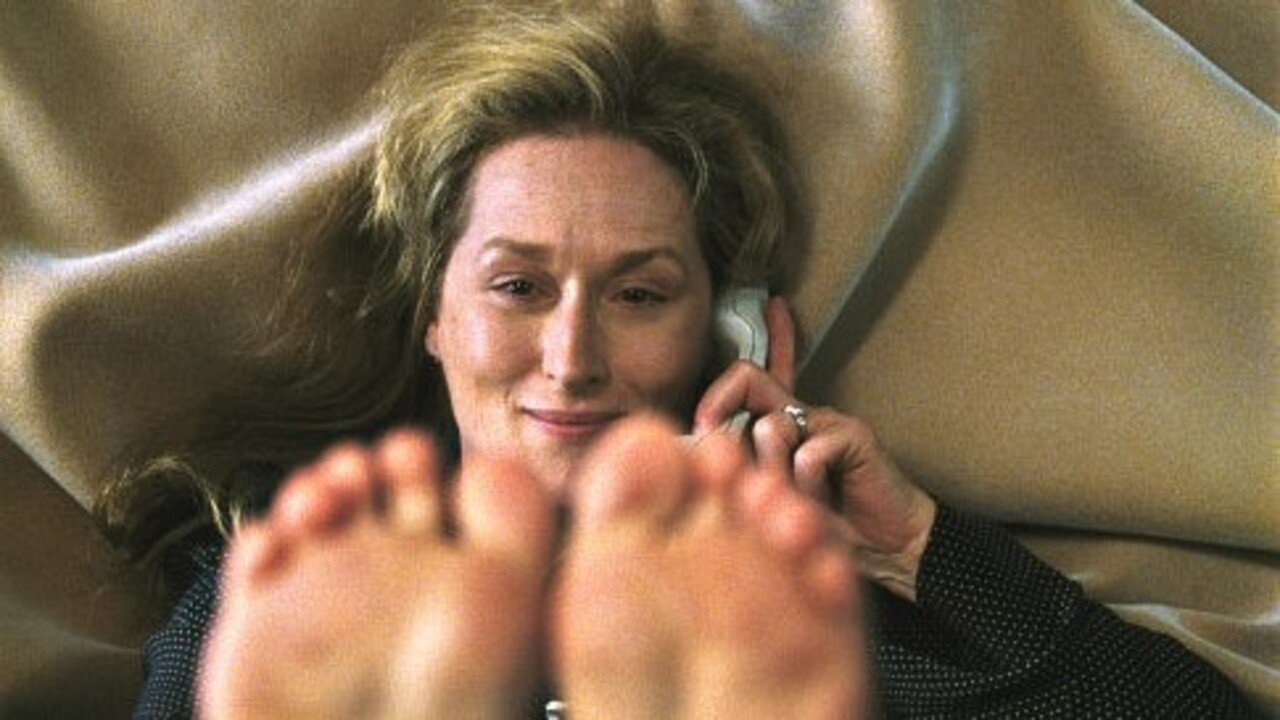
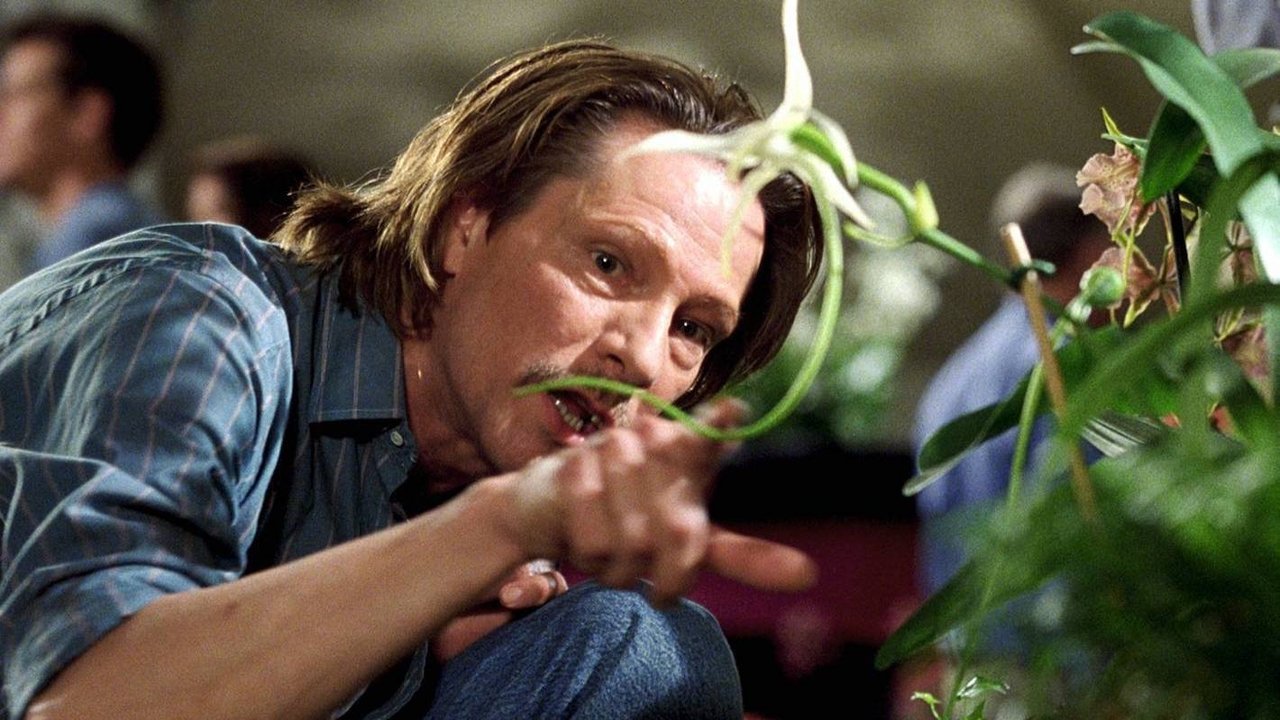
While Charlie is the heart of the film’s darkness, the supporting cast provides the soul. Meryl Streep as Susan Orlean is a revelation. At this point in her career, she was already "The Great Meryl Streep," but here she gets to be messy, bored, and eventually, dangerously high on orchid dust. Opposite her is Chris Cooper as John Laroche, the toothless, eccentric plant fanatic. Cooper won an Oscar for this, and he earned it by making a man who steals flowers sound like a philosopher-king.
Looking back, the film captures a transition in cinema. We were moving away from the gritty realism of the 90s and into something more fragmented and surreal. The way Jonze intercuts Charlie’s internal monologue with Laroche’s history of the orchid feels like a precursor to the "everything at once" style of modern prestige TV. It’s a drama that refuses to sit still, constantly threatening to collapse under the weight of its own neurosis.
The Third Act Gamble
The real magic—or the real madness, depending on who you ask—happens in the final thirty minutes. As Charlie loses his grip, the film abandons its prestige-drama trappings and transforms into exactly the kind of "Hollywood garbage" that Donald Kaufman would write. There are car chases, drug deals, and alligators.
It’s a massive risk that usually leaves first-time viewers blinking in confusion. But in the context of the DVD culture of the early 2000s, where we spent hours watching "Making Of" featurettes and director commentaries, this shift feels like a prank played on the audience. It’s Kaufman saying, "You want a movie? Fine, here’s a movie." It’s cynical, dark, and surprisingly moving.
The trivia behind the scenes only cements its cult status. Did you know Donald Kaufman is actually credited as a co-writer on the film? He doesn't exist, yet he was the first fictional person ever nominated for an Academy Award. Apparently, the real Susan Orlean was "horrified" when she first read the script, which featured her as a drug-addled killer, but she eventually came around to its bizarre truth. That’s the legacy of this era: it was a time when you could spend $19 million on a movie about a guy writing a movie about not being able to write a movie.
Adaptation. remains a essential relic of the early 2000s indie explosion. It’s a film that understands that sometimes the only way to tell the truth is to lie through your teeth. If you’ve ever felt like a failure or stayed up until 3 AM wondering why you can’t just be "normal," this movie will speak to you in a voice that sounds suspiciously like a sweating Nicolas Cage. It’s messy, brilliant, and perfectly unhinged.
Keep Exploring...
-

Being John Malkovich
1999
-
Matchstick Men
2003
-
Chicago
2002
-

Lord of War
2005
-
Confessions of a Dangerous Mind
2002
-
Bad Santa
2003
-

Jackie Brown
1997
-
The Big Lebowski
1998
-
American Psycho
2000
-
Training Day
2001
-
25th Hour
2002
-
John Q
2002
-
21 Grams
2003
-
Monster
2003
-
Kiss Kiss Bang Bang
2005
-
Lucky Number Slevin
2006
-
Gone Baby Gone
2007
-
The Longest Yard
2005
-
In Bruges
2008
-

The Negotiator
1998