Analyze That
"The therapy is back, but the spark is on sabbatical."
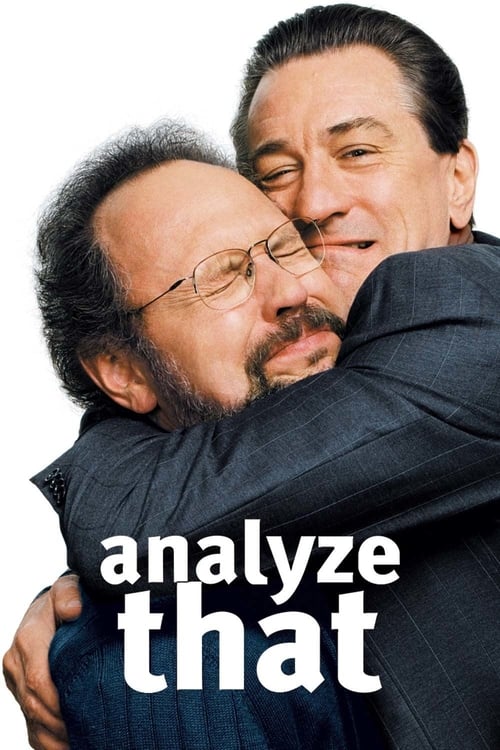
I remember seeing the poster for Analyze That at my local Blockbuster and thinking, "Of course." It was 2002. The first film, Analyze This, had been a cultural juggernaut in 1999, proving that Robert De Niro could be genuinely funny by weaponizing his own "tough guy" legacy. But three years is a lifetime in comedy, and by the time this sequel rolled into theaters, the world had changed. I watched this most recently while trying to assemble a particularly stubborn IKEA nightstand, and honestly, the frustration of missing an M6 screw perfectly mirrored the experience of watching a talented cast search for a joke that wasn't there.

The Curse of the Carbon Copy
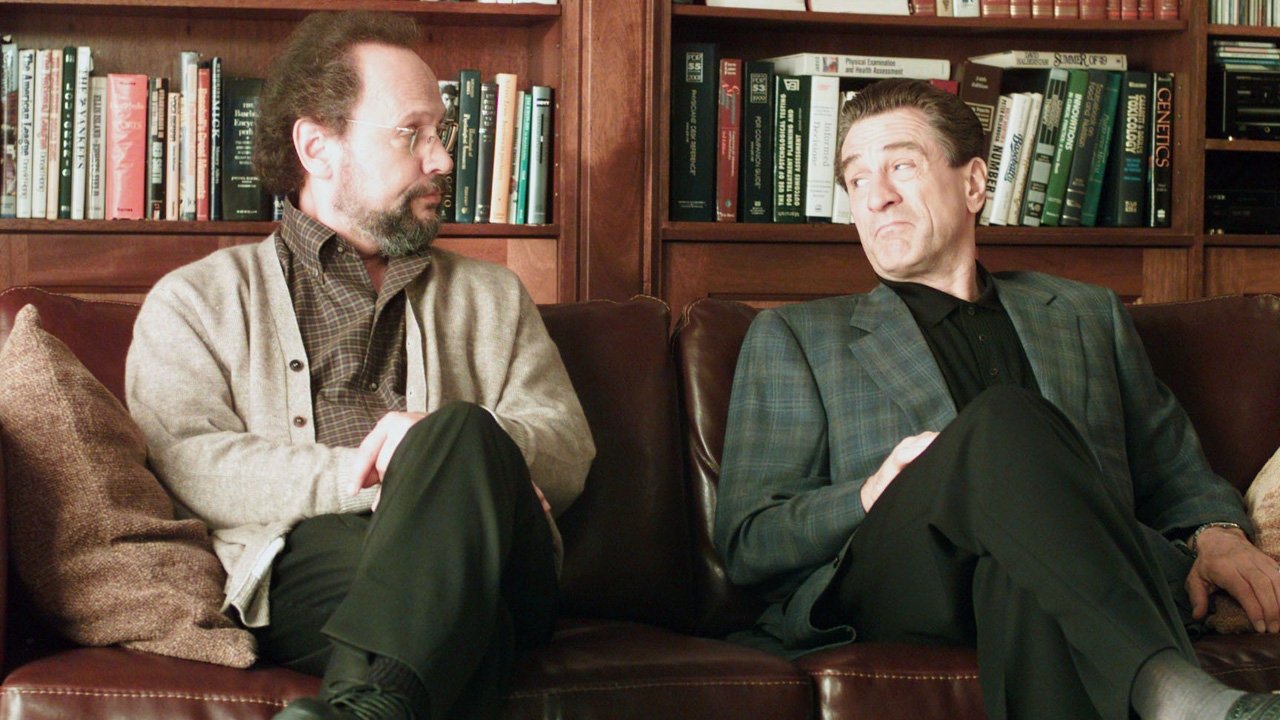
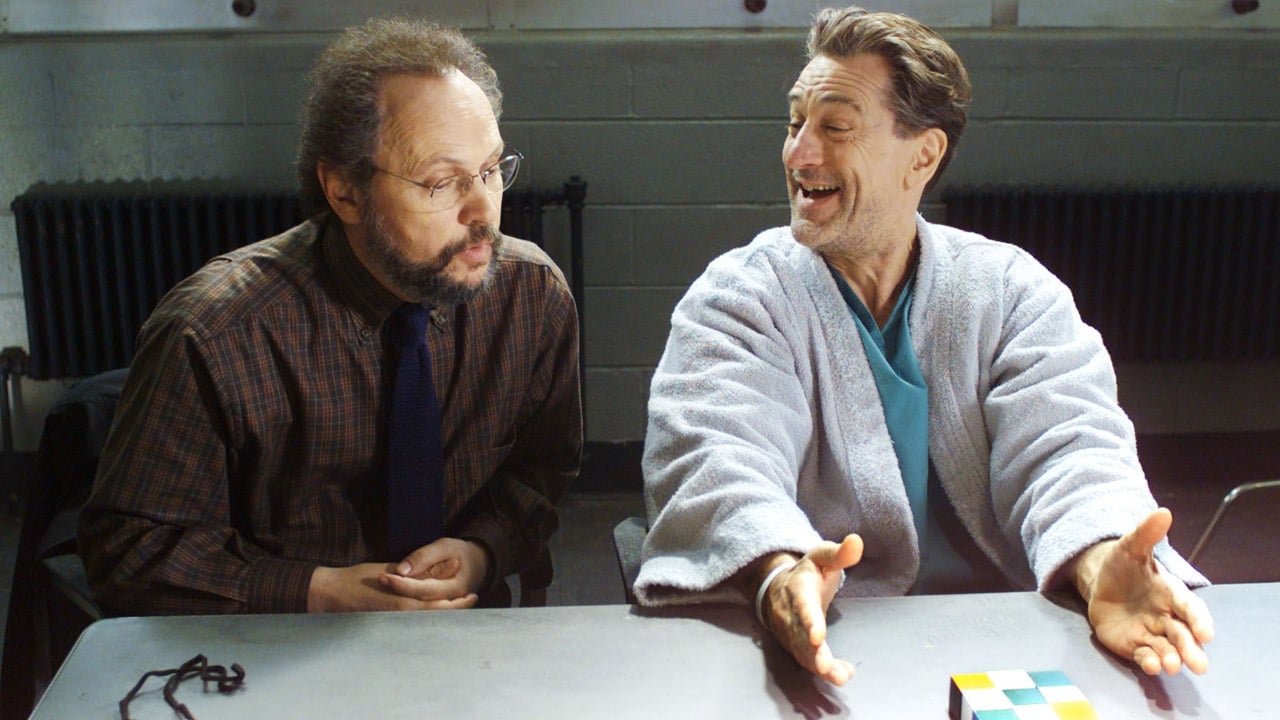
The central problem with Analyze That isn't that it’s poorly made—Harold Ramis was too much of a pro for that—it’s that it feels like a sitcom episode stretched to feature-length with a $60 million budget. The premise finds mob boss Paul Vitti (Robert De Niro) faking a breakdown in Sing Sing to get transferred into the custody of his reluctant shrink, Ben Sobel (Billy Crystal).
The chemistry between the leads is still the best thing going for it. Crystal is the king of the exasperated sigh, and De Niro seems to be having a ball playing a man who is "cured" but entirely incapable of functioning in the real world. However, where the first film found a clever balance between mafia tropes and genuine psychological insight, this one leans hard into the cartoonish. Watching Vitti try to hold down a job as a car salesman or a restaurant host is funny for about five minutes, but it eventually feels like watching a legendary Oscar winner do a "funny" mental breakdown for a corporate retreat.
A Post-Sopranos Identity Crisis
Context is everything in the "Modern Cinema" era. Between 1999 and 2002, The Sopranos had completely reshaped how we viewed the "mobster in therapy" trope. While Tony Soprano was exploring the dark, existential rot of the American dream, Paul Vitti was suddenly singing show tunes from West Side Story to prove he was crazy.
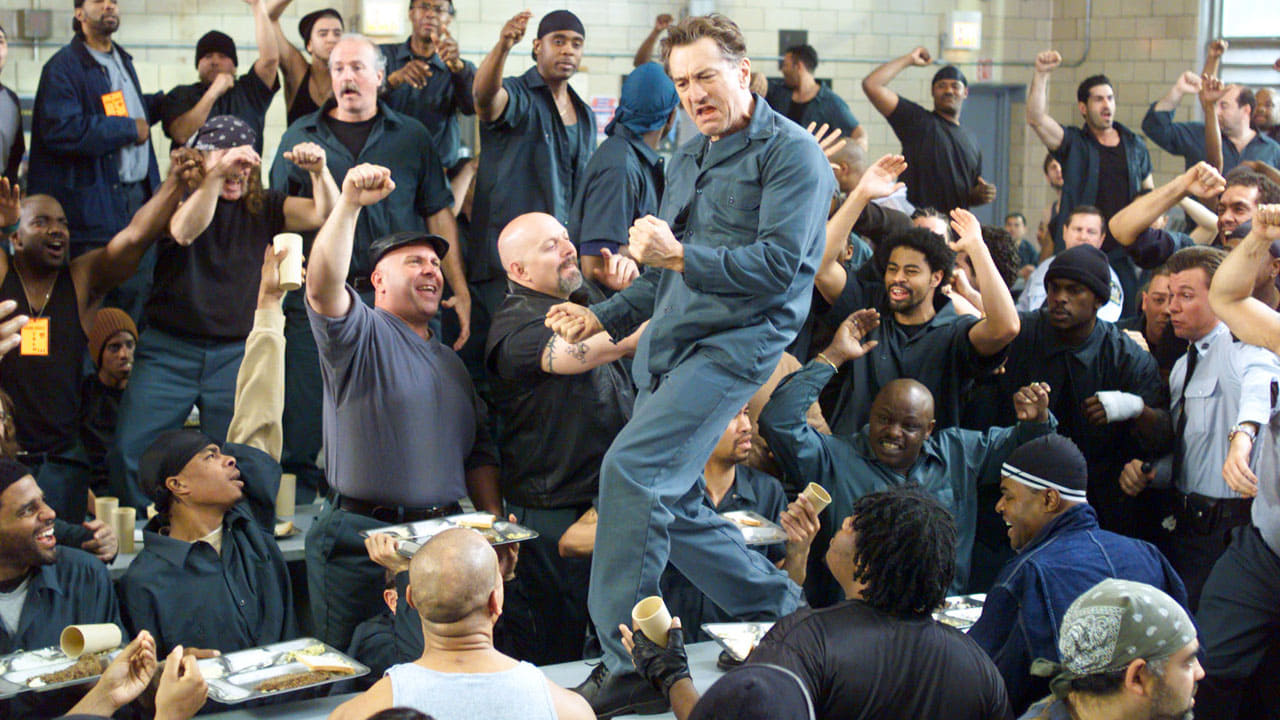
Looking back, the film captures that weird transitional period in early 2000s Hollywood where sequels were becoming mandatory, even if the story was already finished. The production values are high, and the cinematography by Ellen Kuras (who later did Eternal Sunshine of the Spotless Mind) is far better than a broad comedy usually deserves. Yet, the film lacks the "Y2K anxiety" that made the first one feel timely. In 2002, New York was a different place, and the "lovable mobster" archetype was starting to feel like a relic of a previous decade.
The Bright Spots in the Gloom
If there’s a reason to revisit this forgotten sequel, it’s for the supporting players. The late Joe Viterelli as Jelly is a masterclass in deadpan physical comedy. He was one of those "that guy" actors who could make a scene better just by sitting in the background looking like a disgruntled bulldog. Lisa Kudrow also returns as Laura Sobel, and while she’s criminally underused, her "I am done with this" energy provides a necessary anchor to the increasingly absurd plot.
Interestingly, there’s a subplot involving a rival female mob boss played by Cathy Moriarty—a nice nod to her Raging Bull history with De Niro—that hints at a smarter movie about the changing face of organized crime. But the script constantly pulls back to have Crystal and De Niro bicker. Apparently, much of the dialogue was ad-libbed, and while that worked in the first film, here it often results in scenes that go on two beats too long. The DVD release back in the day was packed with "making-of" features that showed the cast having a riot on set; unfortunately, that "on-set fun" doesn't always translate to the audience's living room.
Why It Vanished from the Conversation
Analyze That is a textbook example of a "diminishing returns" sequel. It’s not a disaster like some of the comedy sequels we’d see later in the decade, but it’s remarkably forgettable. It made less money than its predecessor and was largely panned by critics who felt the joke had run its course. It’s one of those movies that lived on basic cable for a few years before quietly slipping into the "Oh yeah, they made a second one, didn't they?" category of film history.
It’s a harmless curiosity, a snapshot of a time when Hollywood thought the best way to follow up a hit was to do exactly the same thing, just louder and with more singing. If you’re a die-hard fan of the Billy Crystal and Robert De Niro dynamic, there’s enough charm here to sustain a Sunday afternoon. Just don’t expect the couch to offer any new insights.
The film serves as a reminder that some stories are best left at "Case Closed." While the leads remain a top-tier comedic duo, the script is a collection of gags that feel like they were left on the cutting room floor in 1999. It’s a pleasant enough distraction, but much like my poorly assembled nightstand, it’s a bit wobbly and doesn't quite hold the weight it's supposed to. Watch it for Viterelli, stay for Crystal’s reactions, but don’t be surprised if you forget the plot before the credits finish rolling.
Keep Exploring...
-
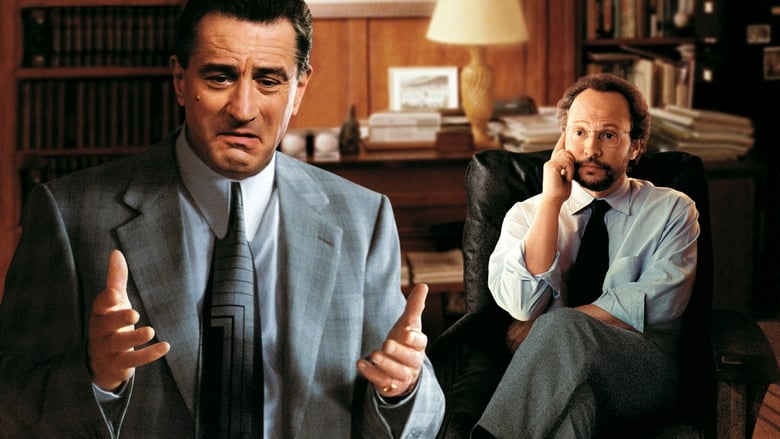
Analyze This
1999
-
Blue Streak
1999
-
America's Sweethearts
2001
-
The Mexican
2001
-
Little Man
2006
-
Showtime
2002
-
Bedazzled
2000
-
National Security
2003
-
Taxi
2004
-
The Ladykillers
2004
-

The Whole Ten Yards
2004
-
Big Stan
2007
-
Baby's Day Out
1994
-
Striptease
1996
-
Taxi 3
2003
-
Bandidas
2006
-
Taxi 4
2007
-
Guess Who
2005
-
Righteous Kill
2008
-

Bandits
2001