Barbie as Rapunzel
"Unlocking the tower with a stroke of genius."
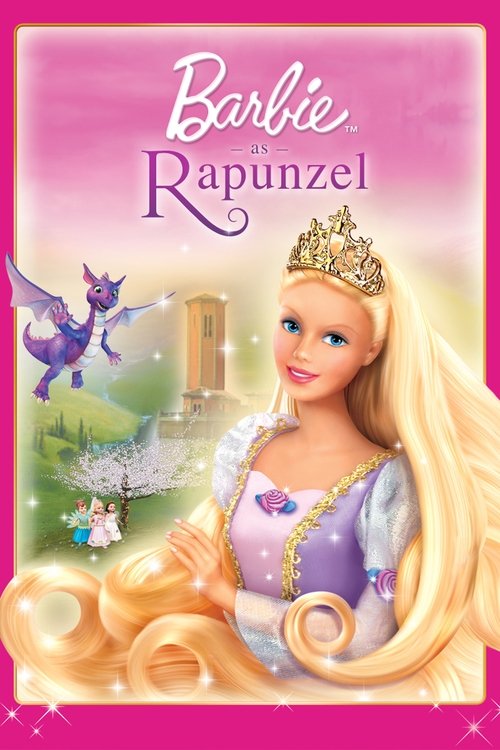
If you grew up in the early 2000s, you probably remember the distinct clack of a plastic DVD case and the blindingly bright neon-pink menus that greeted you upon insertion. Long before Greta Gerwig turned the brand into a deconstructive billion-dollar powerhouse, Barbie was quietly building a direct-to-video empire. I recently revisited Barbie as Rapunzel while trying to fix a leaky faucet with a pair of pliers and a YouTube tutorial, and honestly, the bright, saturated aesthetic was a much-needed escape from the grime of my kitchen sink.
Released in 2002, this wasn't just another toy commercial; it was a pivot point in the CGI revolution. Following the success of Barbie in the Nutcracker, Mattel realized they could sell more than just dolls—they could sell a digital mythos. Produced by Mainframe Entertainment, the same wizards who gave us the blocky but groundbreaking ReBoot, Rapunzel arrived right as the industry was grappling with how to make human skin look less like wet clay.
The Uncanny Valley of the Early Aughts
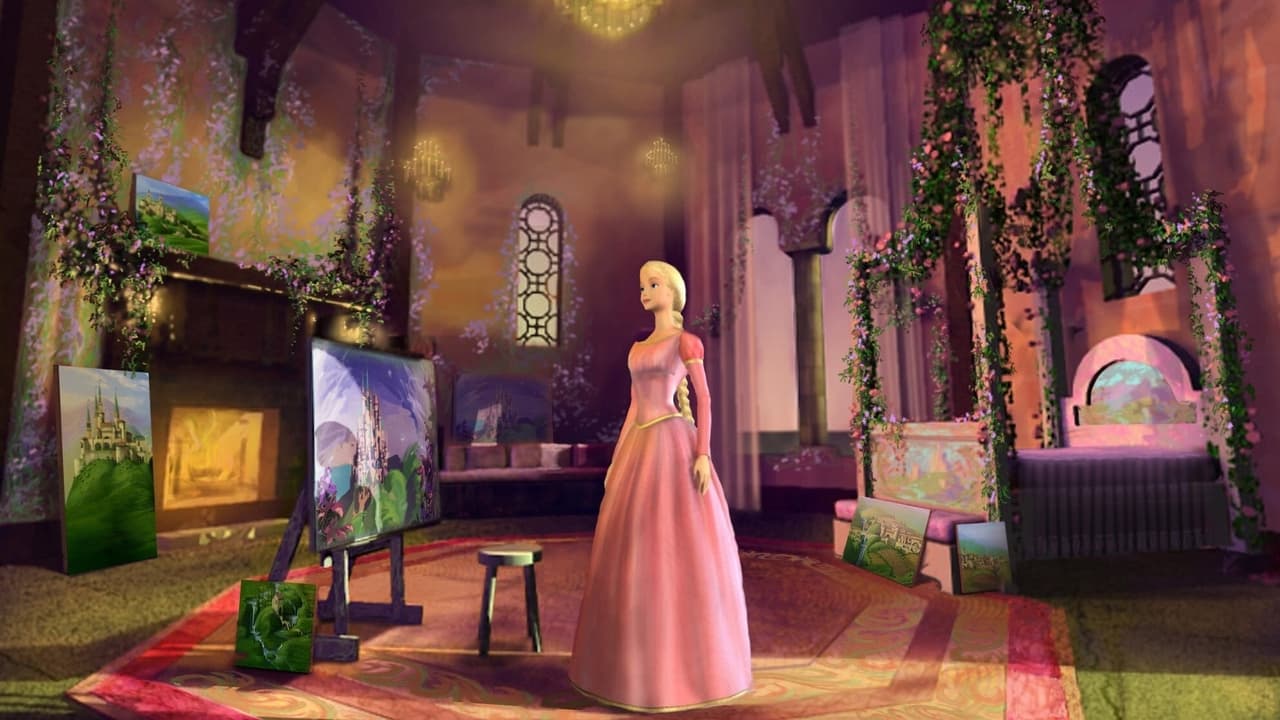
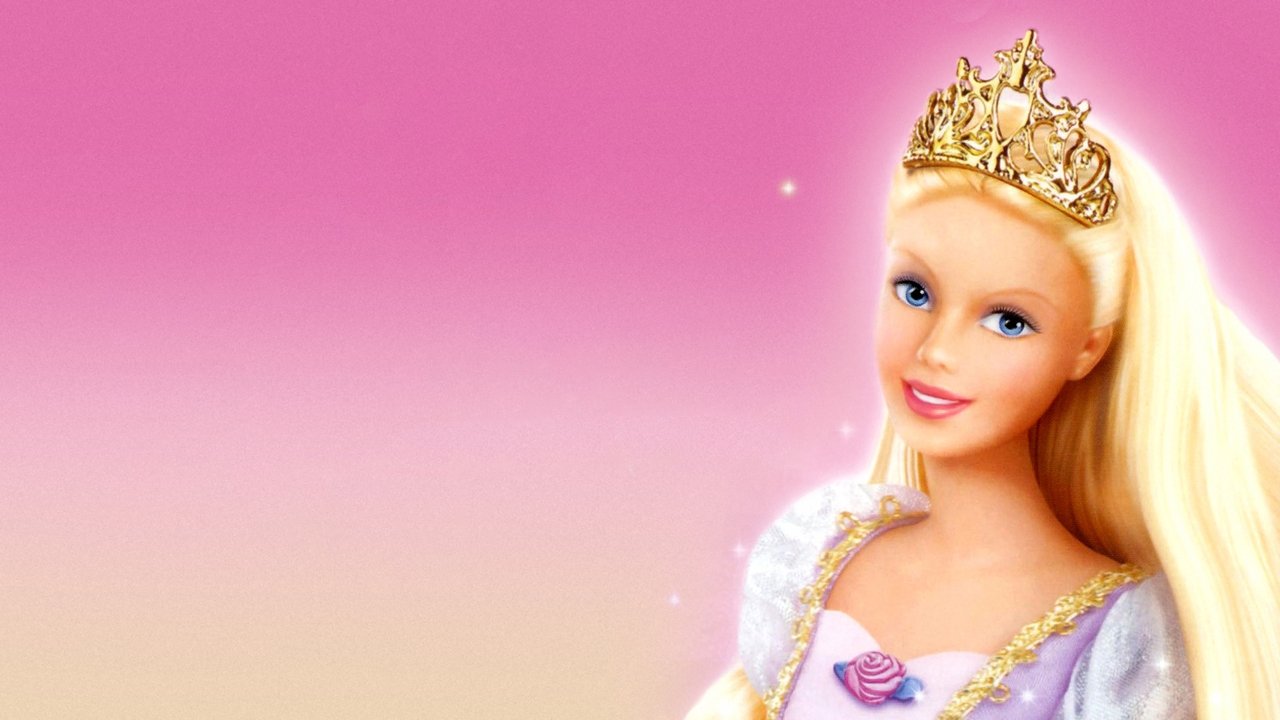
Looking back, the animation is a fascinating time capsule. We’re deep in the "Modern Cinema" transition where digital was replacing hand-drawn, and you can see the growing pains in every frame. The characters have that stiff, gliding walk that defined early 2000s tech, and the hair—ironic for a Rapunzel story—often moves as a single, solid clump. Yet, there’s a genuine ambition here. The way the film handles Rapunzel’s magic paintbrush, where strokes of light manifest into physical objects, was legitimately impressive for a movie aimed at five-year-olds with a limited budget.
I found myself oddly charmed by the limitations. Because the technology couldn't handle hyper-realism, the directors leaned into a theatrical, storybook style. It’s a bridge between the analog 90s and the high-fidelity 2010s. The film doesn't try to hide its digital nature; it embraces it. The backgrounds often look like matte paintings from a 1950s epic, providing a weirdly beautiful contrast to the chunky 3D character models.
Huston’s Masterclass in Animated Malice
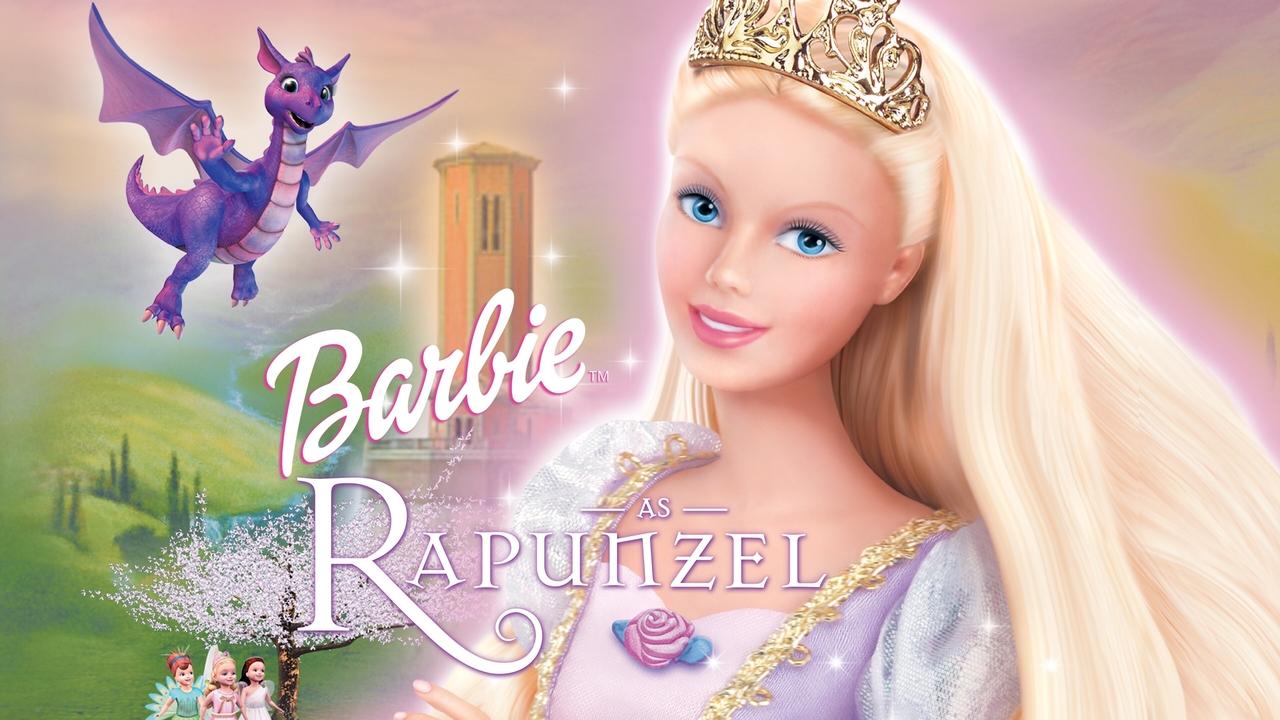
What separates this from the bargain-bin animation of the era is the surprising weight of the "drama." At its heart, this is a story about gaslighting and emotional imprisonment—pretty heavy stuff for a "Barbie" flick. Much of that weight is carried by Anjelica Huston as Gothel. I’m convinced that Huston, fresh off her legendary turns in The Addams Family and The Grifters, didn’t realize she was recording for a kid's movie. She treats the role with the same icy, Shakespearean gravity she brings to everything else.
Gothel isn’t just a witch; she’s a toxic guardian. When she tells Rapunzel that the world outside the magical barrier is a desolate wasteland, the delivery is chilling. Huston’s performance gives the film an emotional authenticity that it probably doesn't deserve. Opposite her, Kelly Sheridan provides the quintessential voice of Barbie—warm, determined, and perpetually optimistic. Sheridan is the glue of this franchise, and her chemistry with Mark Hildreth (playing Prince Stefan) feels earned rather than forced. Stefan isn't just a chin with a crown; he's part of a larger political drama involving a decades-long feud between two kingdoms, adding a layer of subtextual complexity to the script by Cliff Ruby and Elana Lesser.
A Forgotten Gem of the DVD Era
It’s easy to dismiss these films as "disposable," but that ignores the craft that went into the DVD culture of the time. Barbie as Rapunzel featured the London Symphony Orchestra for its score, and the "behind-the-scenes" features on the disc (back when we actually watched those!) showed a team of animators who were genuinely trying to push what was possible with PC hardware.
The supporting cast is equally stacked. You have Cree Summer (the voice of a generation, from Rugrats to Atlantis) as the dragon Penelope, and Ian James Corlett—the voice of Goku in the early Dragon Ball Z dub—pulling double duty. There is a level of professional polish here that most "forgotten" films lack. Even the comic relief characters, the dragon and the rabbit, avoid being totally obnoxious through sheer force of veteran voice acting.
While it hasn't aged with the grace of a Pixar masterpiece, Barbie as Rapunzel is a vital piece of 2000s history. It represents the moment when a toy brand decided to become a storyteller, using the burgeoning CGI landscape to create a world that felt vast, even if it was technically restricted to a few dozen gigabytes of data.
If you can get past the stiff joints and the occasional "dead-eye" stare of the characters, there is a soulful little fairy tale here. It captures a specific moment in the digital evolution where imagination had to work overtime to compensate for the hardware. It's a reminder that even in a world of corporate branding, a great villainous performance and a bit of "magic" paint can make a lasting impression. You might even find yourself humming the theme music while you're doing your own chores.

Keep Exploring...
-

Barbie of Swan Lake
2003
-
Barbie in the Nutcracker
2001
-
Barbie as The Princess & the Pauper
2004
-

Barbie in the 12 Dancing Princesses
2006
-
Barbie and the Diamond Castle
2008
-
Bambi II
2006
-
Beauty and the Beast: The Enchanted Christmas
1997
-

Fantasia 2000
2000
-
The Little Mermaid II: Return to the Sea
2000
-
Titan A.E.
2000
-
Jimmy Neutron: Boy Genius
2001
-
Lady and the Tramp II: Scamp's Adventure
2001
-
Osmosis Jones
2001
-
Cinderella II: Dreams Come True
2002
-
Joseph: King of Dreams
2002
-
101 Dalmatians II: Patch's London Adventure
2003
-
Looney Tunes: Back in Action
2003
-
Mickey, Donald, Goofy: The Three Musketeers
2004
-
Jack-Jack Attack
2005
-
Kronk's New Groove
2005