Blade II
"Pure biological horror in a leather jacket."
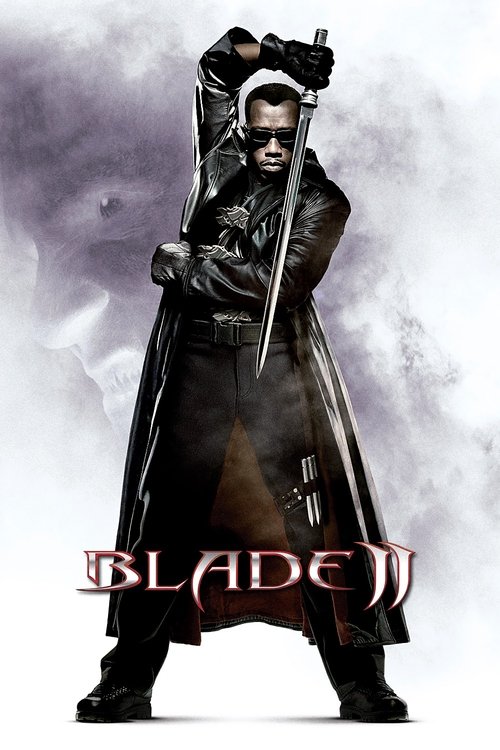
Before the Marvel Cinematic Universe turned every superhero outing into a sanitized, quippy afternoon at the airport, there was a brief, glorious window where comic book movies were allowed to be absolutely disgusting. Standing tall at the center of that grime-streaked era is Blade II, a sequel that doesn't just improve on its predecessor—it mutates it into something far more dangerous and visually arresting. I recently revisited this on a DVD player that makes a noise like a dying vacuum cleaner every time the tray opens, and honestly, the mechanical grinding sound actually felt like a fitting prelude to the industrial, clockwork-obsessed aesthetic of the film.
The Del Toro Bio-Mechanical Nightmare
The secret sauce here is, of course, Guillermo del Toro. Fresh off the atmospheric The Devil’s Backbone, he brought a level of "creature feature" enthusiasm that the first film lacked. While the original Blade (1998) was a slick, techno-infused actioner, del Toro turns the sequel into a dark, wet, biological nightmare. He introduces the Reapers, a mutated strain of vampires led by the tragic, terrifying Nomak (Luke Goss).
The design of the Reapers is the stuff of genuine horror legends. When their lower jaws split open to reveal a three-pronged, parasitic tongue-stinger, it’s a masterclass in body horror that makes the standard "fanged" vampire look like a toothless toddler. Apparently, del Toro was so obsessed with the biology of these things that he worked closely with legendary effects artist Steve Johnson to ensure the muscular structure of the split-jaw looked anatomically plausible. It’s that level of nerd-depth that elevates Blade II from a mere action flick to a cult masterpiece.
Leather, Friction, and the Bloodpack
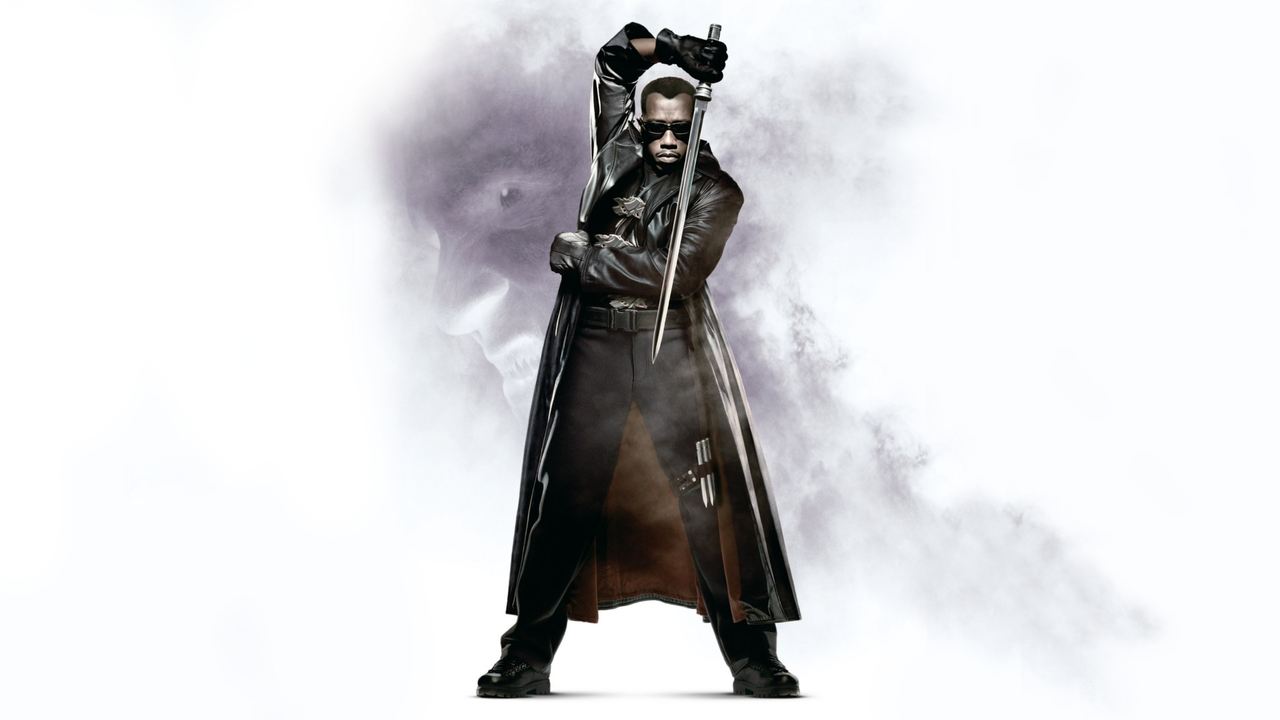
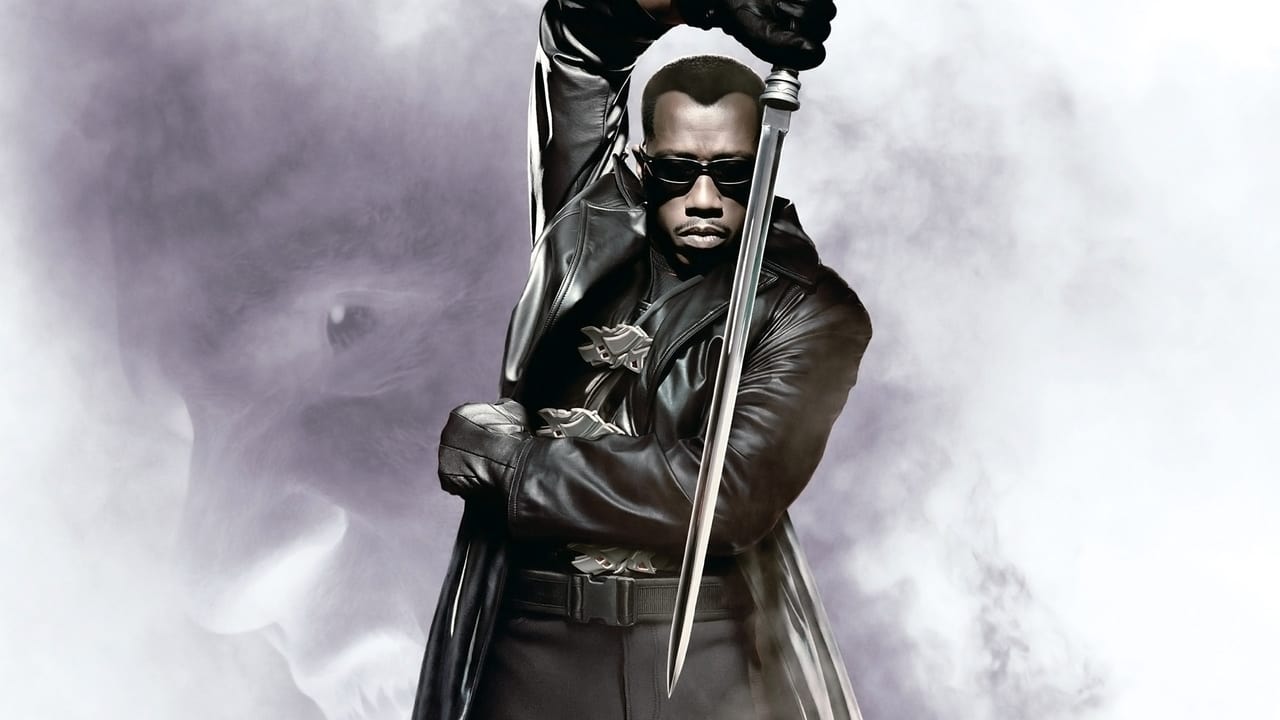
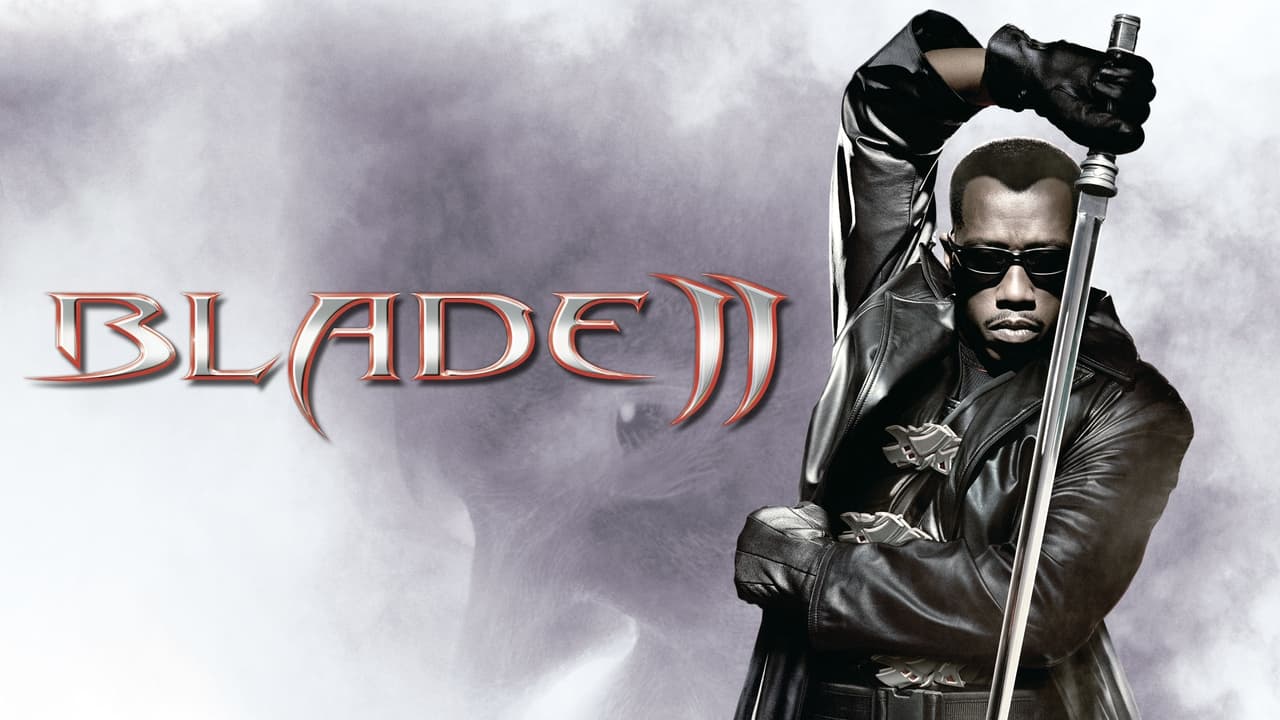
Wesley Snipes is, and will always be, the definitive Daywalker. By 2002, he had reached a level of Zen-like coolness where he could convey an entire character arc with a single adjustment of his sunglasses. In this outing, he’s forced into an uneasy alliance with the "Bloodpack," an elite squad of vampires originally trained to kill him. This setup is a classic Western trope—the gunfighter joining the outlaws to fight a bigger threat—and it provides the film with its best sparks of friction.
Chief among the antagonists is Ron Perlman as Reinhardt. Perlman, a del Toro regular who would later define Hellboy, is clearly having the time of his life being a monumental jerk. The chemistry between Wesley Snipes and Ron Perlman is radioactive; you can tell they genuinely enjoyed the adversarial posturing. We also get a pre-Walking Dead Norman Reedus as Scud, the pot-smoking tech wiz who replaced Kris Kristofferson’s Whistler (temporarily). It’s a wonderful "Who’s Who" of 2000s character actors, including Thomas Kretschmann looking appropriately ghoulish as the ancient vampire patriarch Damaskinos.
A Time Capsule of Digital Ambition
Looking back, Blade II is a fascinating relic of the early-2000s transition from practical effects to digital experimentation. While the makeup and sets are tactile and gorgeous, the "superhero" fights occasionally dip into the "Uncanny Valley." There are moments, particularly a fight in front of a giant spotlight, where the characters transform into rubber-band CGI that makes Wesley look like a G.I. Joe thrown into a blender.
At the time, this was cutting-edge stuff, influenced heavily by the "Bullet Time" craze of The Matrix. Today, it’s a bit jarring, but I find it charming rather than distracting. It represents an era where directors were swinging for the fences with new toys, even if the technology couldn't quite keep up with their imaginations. To counter the digital sheen, del Toro brought in the legendary Donnie Yen (who also has a brief, blink-and-you’ll-miss-it role as Snowman) to choreograph the wire-work and stunts. This fusion of Hong Kong action sensibilities with Gothic horror creates a rhythm that few modern superhero movies have been able to replicate.
The Cult of the Platinum Disc
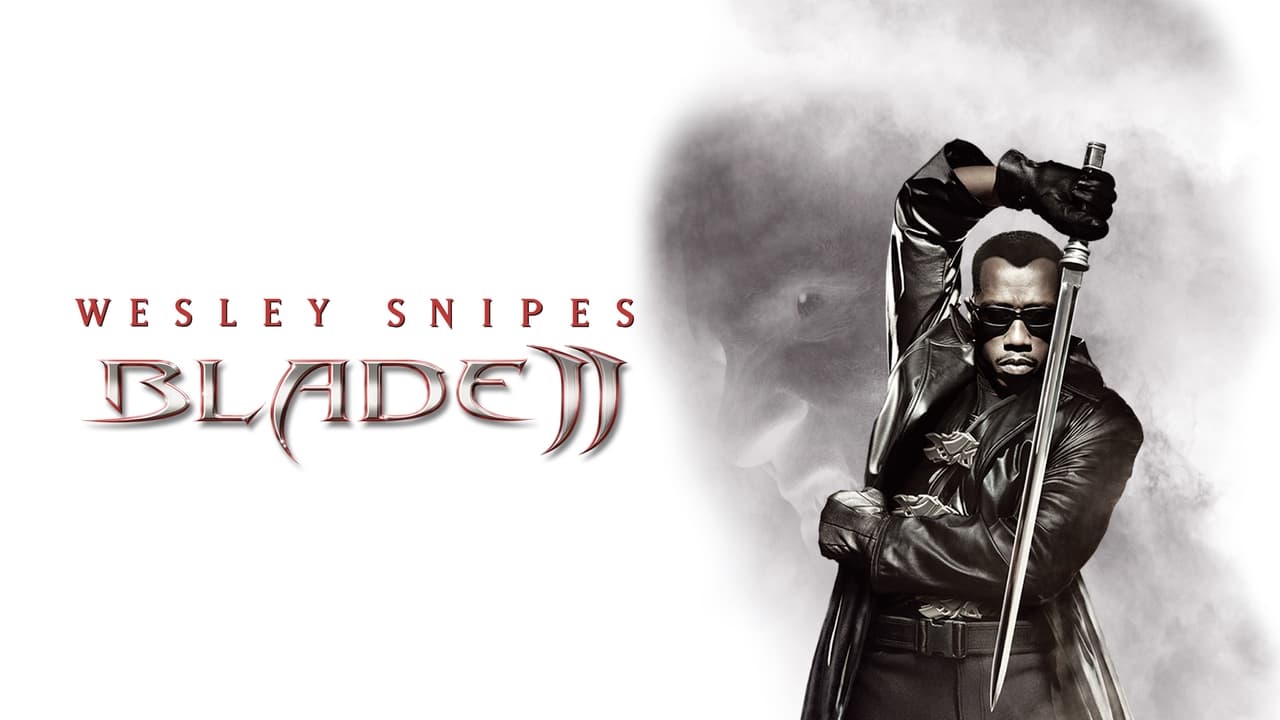
The legacy of Blade II was cemented not just in theaters, but in the living rooms of film nerds everywhere. This was the peak of DVD culture, and the Blade II Platinum Series 2-disc set was a holy grail for collectors. It featured exhaustive "making-of" documentaries that treated the creature design like a scientific study. I spent hours as a teenager poreing over the concept art galleries and commentary tracks, which effectively acted as a film school for a generation of horror fans.
It’s also worth noting the film’s "Cult" credentials—did you know that Guillermo del Toro actually turned down the chance to direct Harry Potter and the Prisoner of Azkaban to make this? It’s a decision that feels perfectly in line with his personality. He chose the sewers and the blood-soaked split-jaws over the hallowed halls of Hogwarts, and the world of genre cinema is better for it.
Blade II is the rare sequel that understands exactly what it needs to be: louder, weirder, and more ambitious than its predecessor. It captures that specific Y2K-era anxiety where tech and biology were starting to merge in uncomfortable ways, all while delivering some of the most satisfying vampire-dusting sequences ever filmed. Whether you’re here for the "peak-cool" Wesley Snipes or the masterful creature work, it remains a high-water mark for the genre. It’s a movie that wears its leather coat with pride and isn’t afraid to get a little bit of ichor on its sleeves.

Keep Exploring...
-
Blade
1998
-
Blade: Trinity
2004
-
Hellboy
2004
-

The Devil's Backbone
2001
-

Hellboy II: The Golden Army
2008
-

Sleepy Hollow
1999
-
Constantine
2005
-
Underworld: Evolution
2006
-
Underworld
2003
-

The Brothers Grimm
2005
-

Planet Terror
2007
-
Pandorum
2009
-

Priest
2011
-
Sucker Punch
2011
-
Abraham Lincoln: Vampire Hunter
2012
-
Underworld: Awakening
2012
-
Pacific Rim
2013
-

World War Z
2013
-

The Crow
1994
-
From Dusk Till Dawn
1996