Blood Work
"Justice takes a lot out of you."
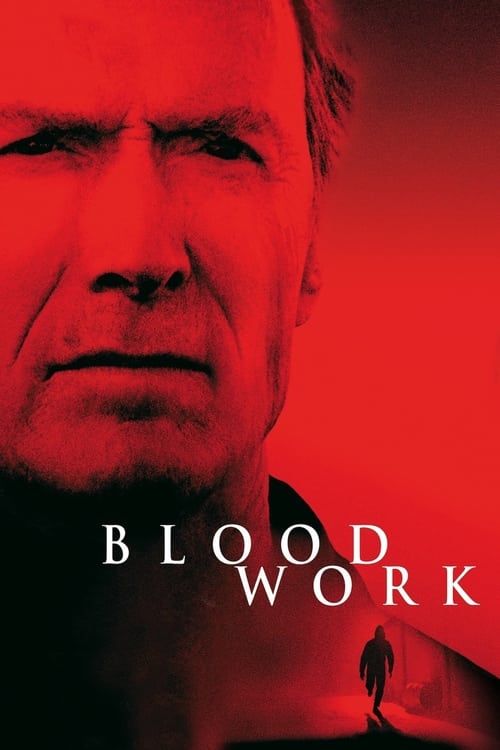
There is a particular, gravelly charm to the way Clint Eastwood stares at a crime scene. By 2002, that stare had gained a few layers of wrinkles and a lot of existential weight. We were firmly in the "Elder Statesman" phase of his career, a period where the man who once snarled about "punks" was now more likely to be seen checking his blood pressure between takes. I first caught this movie during a particularly bleak bout of food poisoning—the kind brought on by a questionable gas station burrito—and there was something oddly therapeutic about watching a protagonist who felt just as physically compromised as I did.

Blood Work arrived at a fascinating crossroads in cinema history. Released in the late summer of 2002, it was caught between the waning days of the high-concept 90s studio thriller and the dawning era of the gritty, post-9/11 procedural. It doesn't have the frantic energy of a Michael Bay flick or the digital sheen that would soon define the genre. Instead, it feels like a sturdy, hand-built piece of furniture—a film that values a slow burn and a steady hand over rapid-fire editing.
A Pacemaker for the Noir Genre
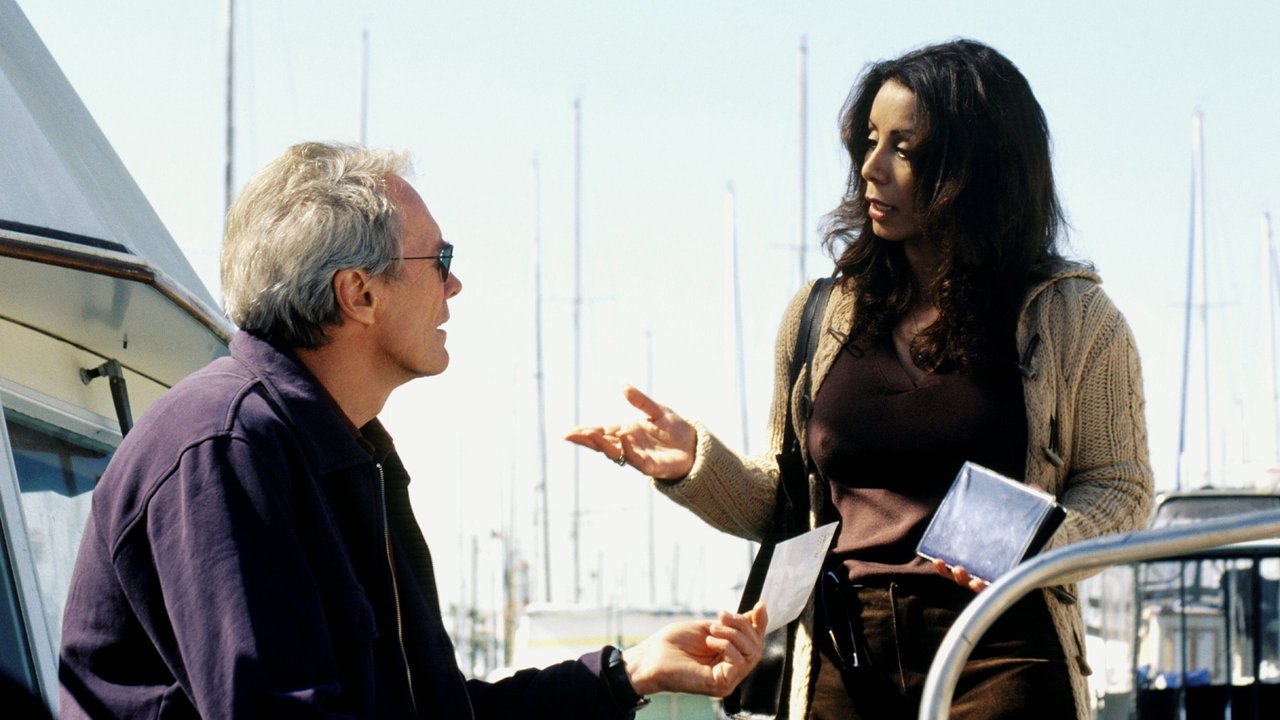
The premise is pure pulp: Terry McCaleb (Eastwood), a legendary FBI profiler, suffers a massive heart attack while chasing a killer. Years later, he’s living on a boat, recovering from a transplant, when he discovers that his new heart belonged to a murder victim. The victim’s sister, played with a quiet intensity by Wanda De Jesus, shows up to ask him to find the killer. It’s a "one last job" story, but with the added stakes of literal cardiac failure.
What I appreciate about the screenplay by Brian Helgeland (who previously struck gold with Eastwood on Mystic River) is how it handles McCaleb’s vulnerability. This isn't a movie where the hero magically recovers his youth. McCaleb is fragile. He’s tired. He has to prick his finger and check his levels. This movie is essentially a high-stakes AARP pamphlet with a body count. It’s a refreshing change from the invincible action heroes of the previous decade. Eastwood directs himself with a total lack of vanity, leaning into the fact that he’s a man who needs a nap after a brisk walk.
The pacing is deliberate, reflecting McCaleb's own restricted movement. It’s a detective story that actually allows the detective to think, rather than just jumping from one explosion to the next. For those used to the hyper-kinetic "shaky cam" style that was about to take over the industry via the Bourne franchise, Blood Work can feel almost glacial, but there’s a comfort in its rhythm.
The Slacker and the Sniper
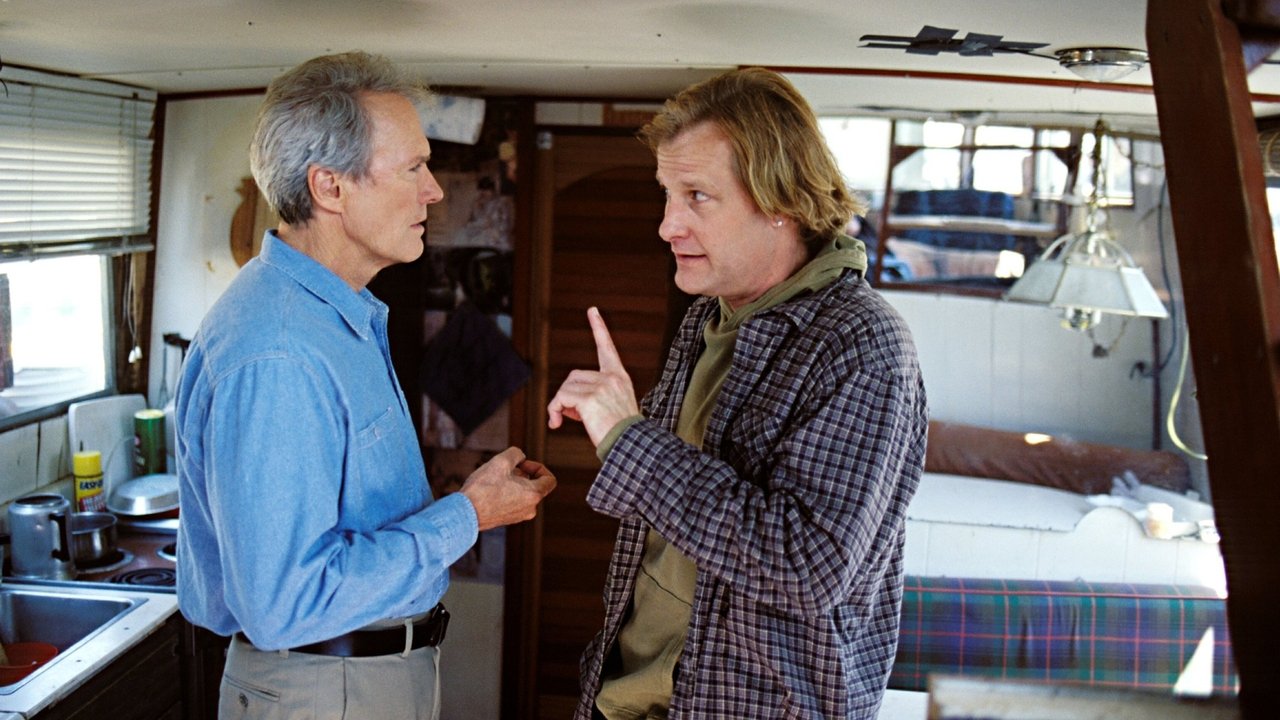
The secret weapon of the film isn't the mystery—which, if I’m being honest, you’ll probably solve about forty minutes before the characters do—but the supporting cast. Jeff Daniels plays Jasper 'Buddy' Noone, McCaleb’s neighbor on the docks. Daniels is fantastic here, sporting a look that suggests he hasn’t washed his hair since the filming of Dumb and Dumber. He provides a much-needed levity to the proceedings, acting as the "Watson" to Clint’s "Holmes," or perhaps more accurately, the "Designated Driver" to Clint’s "Grumpy Grandpa."
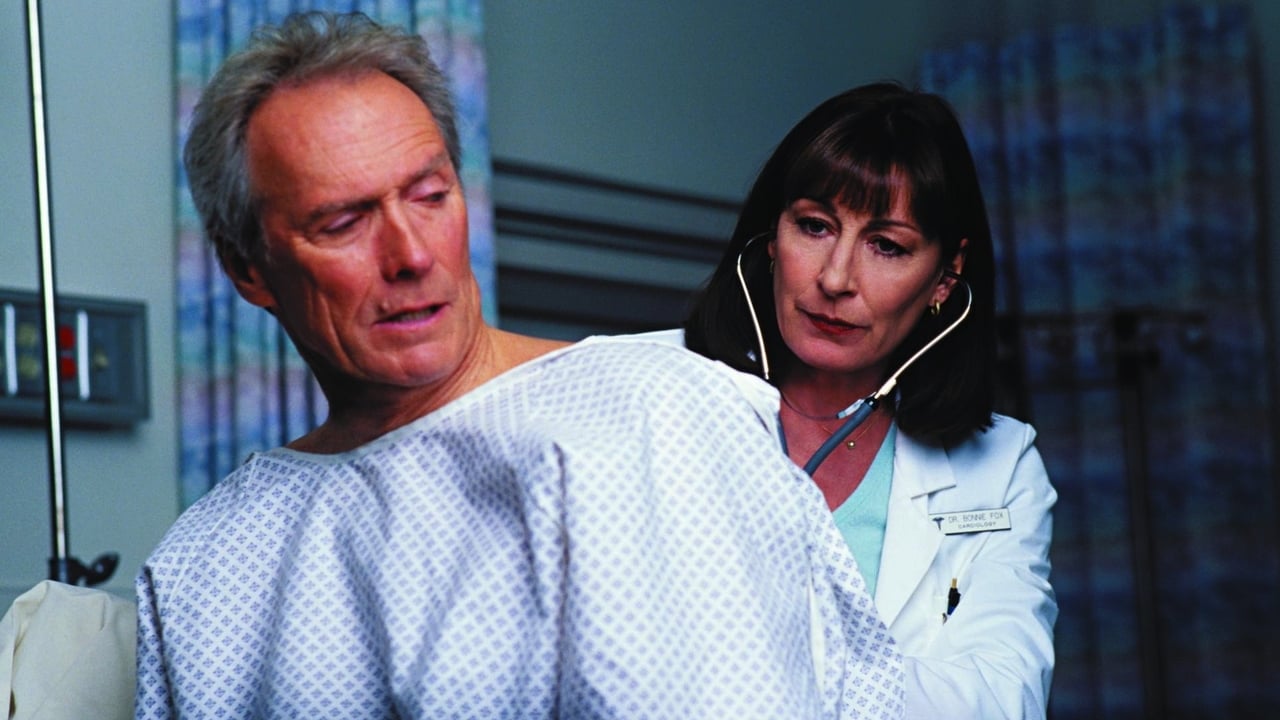
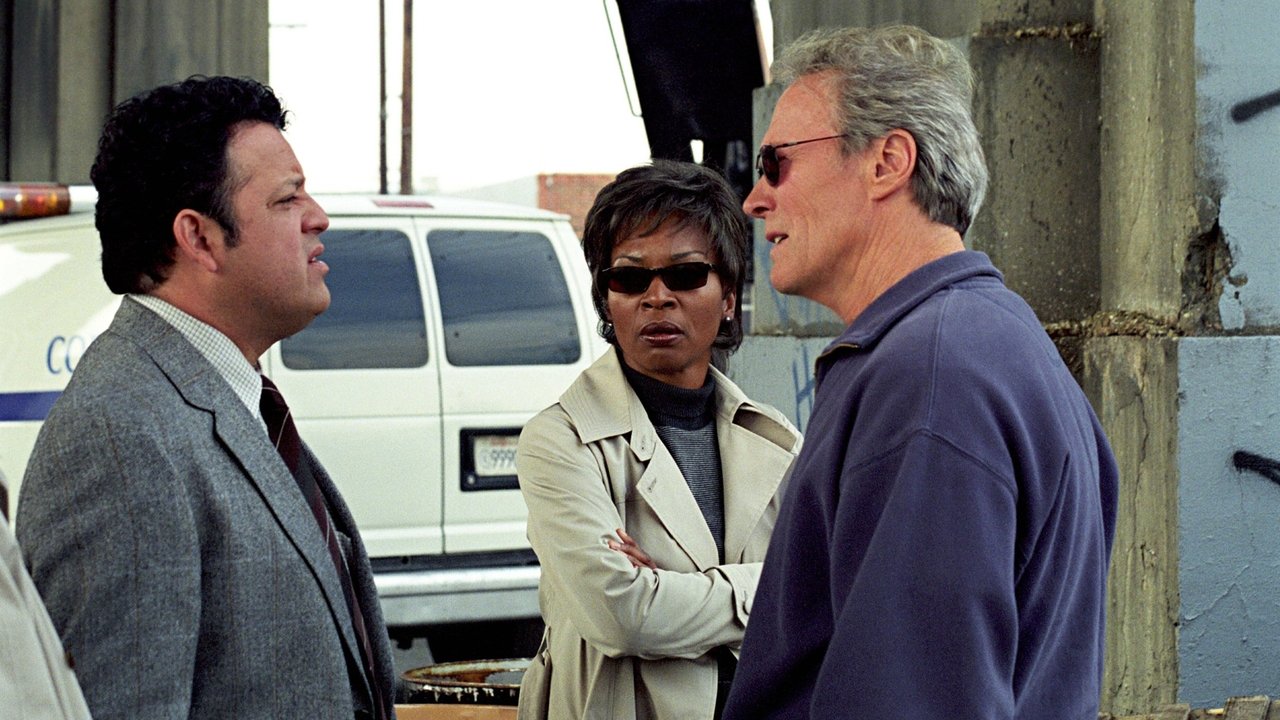
Then you have Anjelica Huston as McCaleb’s cardiologist, Dr. Bonnie Fox. Every time she appears on screen to scold him for overexerting himself, the movie gains a boost of gravitas. She’s the personification of the film’s conscience, reminding us that every time McCaleb picks up a gun, he’s risking more than just a bullet wound. The friction between McCaleb and the local police, led by a delightfully prickly Paul Rodríguez and Tina Lifford, provides that classic "outsider vs. the system" energy that Eastwood has built his entire brand on.
Interestingly, the film made a massive change from the Michael Connelly source material regarding the identity of the killer. Apparently, the test screenings found the original ending too bleak or confusing for the "Clint" audience. While some fans of the book were annoyed, Connelly himself was reportedly fine with it, acknowledging that a movie is a different beast entirely. It’s a classic example of studio-era logic: give the people what they want, even if it’s a bit more conventional than the prose version.
Why the Pulse Faltered
Technically, the film is a masterclass in "unseen" craft. Cinematographer Tom Stern, who would go on to shoot almost everything for Eastwood for the next two decades, keeps the palette muted and grounded. The sound design by Lennie Niehaus avoids the bombast of the early 2000s, opting for a score that feels like a lonely late-night jazz session.
However, looking back with twenty years of hindsight, you can see why Blood Work didn't set the box office on fire. It earned only $31 million against a $50 million budget. It was an "adult" thriller released in a year dominated by Spider-Man and The Two Towers. It feels like a movie made for the DVD era—the kind of flick you’d find at a Blockbuster on a Tuesday night and think, "Yeah, I could go for some Clint today." It’s a "Dad Movie" in the purest sense, best enjoyed with a bowl of pretzels and no interruptions.
The action, when it does arrive, is remarkably practical. There are no CGI blood spatters or wire-fu stunts. When cars crash, you feel the crunch of actual metal. When guns go off, they sound heavy and dangerous. The final confrontation on the rusty boat is a beautiful piece of low-tech staging, proving that you don't need a hundred million dollars of digital effects to create tension. You just need a hero who looks like he might actually have a heart attack if he misses his shot.
Blood Work is a sturdy, dependable thriller that doesn't try to reinvent the wheel, but it keeps the car on the road with veteran skill. It’s a fascinating look at Clint Eastwood navigating the realities of aging within a genre that usually demands eternal youth. While the mystery is a bit thin and the pacing might test the patience of modern audiences, the chemistry between Eastwood and Jeff Daniels makes it a journey worth taking. It’s the cinematic equivalent of a reliable old truck: it might take a second to start up, and it’s seen better days, but it’ll get you where you need to go.
Keep Exploring...
-
Absolute Power
1997
-

Space Cowboys
2000
-
Along Came a Spider
2001
-
Basic
2003
-
Breakdown
1997
-
The Score
2001
-
Conspiracy Theory
1997
-
Payback
1999
-

The Long Kiss Goodnight
1996
-

The International
2009
-
In the Line of Fire
1993
-
Striking Distance
1993
-
The Losers
2010
-
Assassins
1995
-
Snake Eyes
1998
-
The Siege
1998
-

U.S. Marshals
1998
-
The General's Daughter
1999
-

Paycheck
2003
-
The Hunted
2003