Bowling for Columbine
"Lock your doors; the fear is coming from inside."

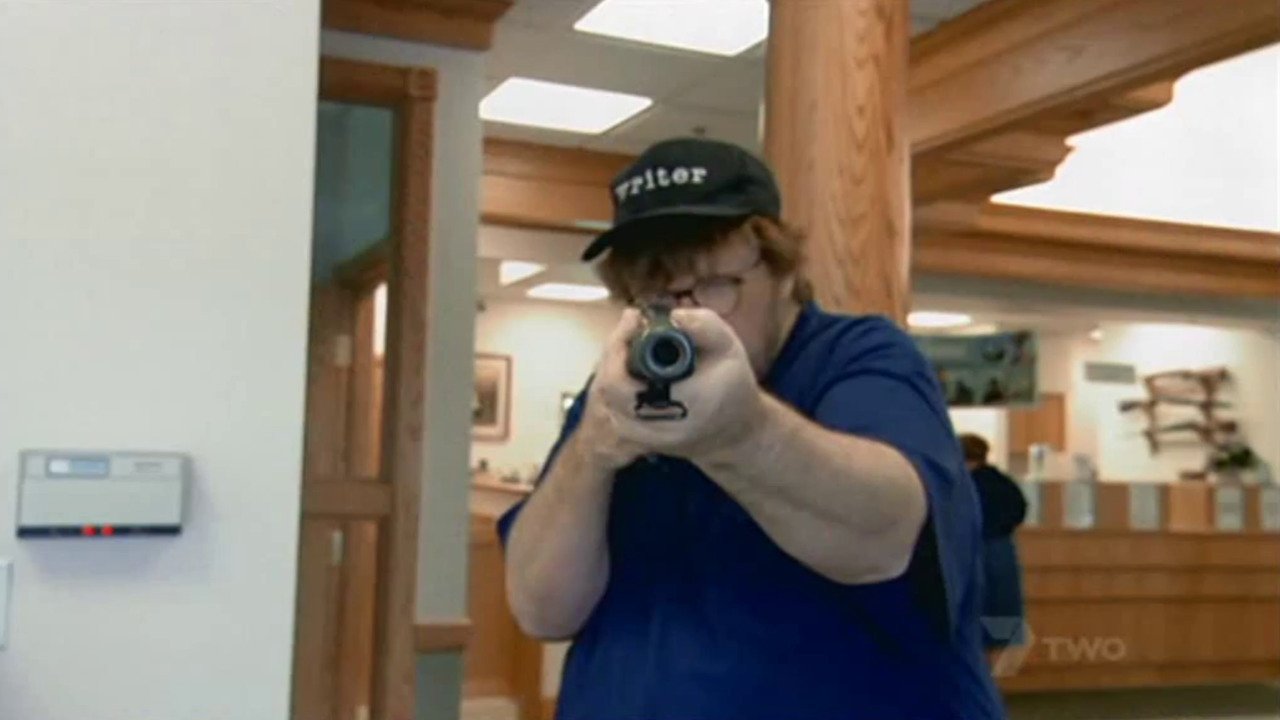
I remember the first time I saw Michael Moore walk into a North Country Bank in Michigan, hand over some paperwork, and walk out with a Weatherby hunting rifle. It felt like a magic trick—not the whimsical kind, but the kind where the magician reveals the trapdoor is actually just a gaping hole in the floor we’re all standing on. At the time, I was watching this on a scratched DVD while trying to assemble a particularly stubborn IKEA desk. The sheer absurdity of the bank scene made me drop a hex key behind the radiator, and honestly, the frustration of trying to fish it out felt perfectly in sync with the film’s mounting exasperation.
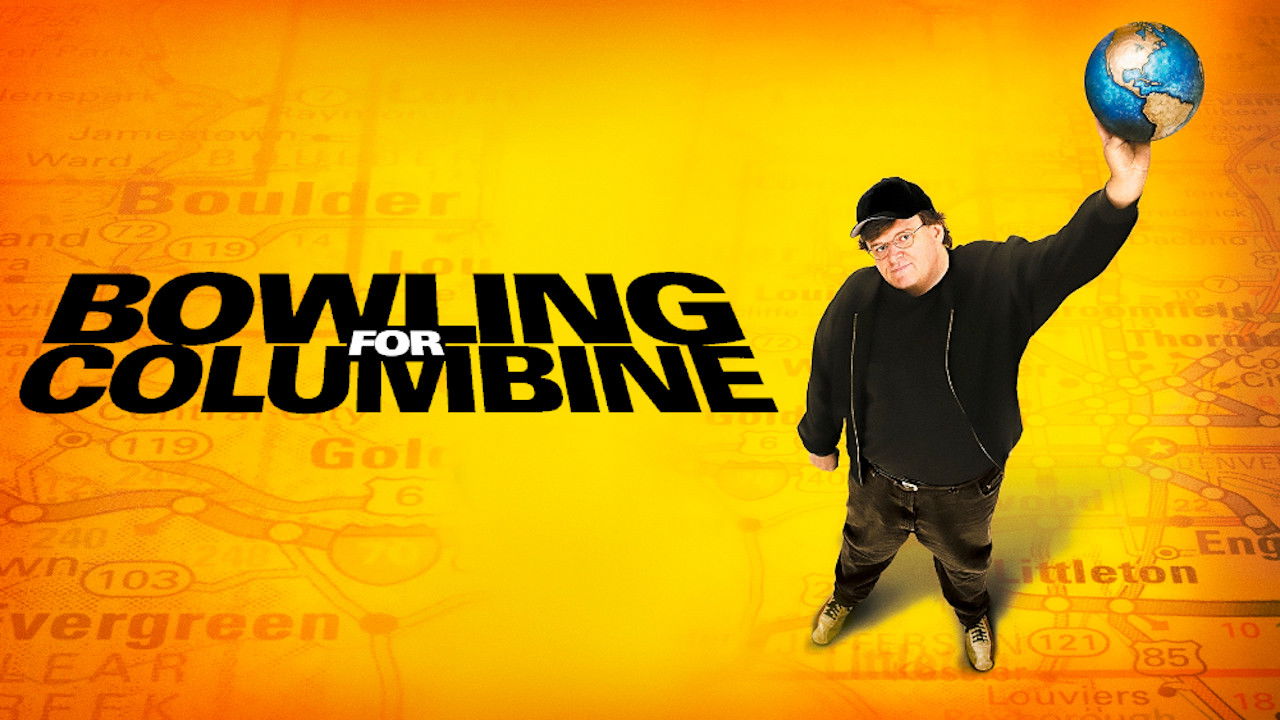
The Architecture of Anxiety
Bowling for Columbine arrived at a very specific crossroads in American history. Released in 2002, it was filmed in the shadow of the 1999 massacre but released as the United States was pivoting into the post-9/11 era—a time defined by duct tape, color-coded terror alerts, and a sudden, sharp suspicion of our neighbors. While the title suggests a focus on gun control, the film is actually a sprawling, messy, and intellectually hungry inquiry into why Americans are so uniquely terrified of everything.
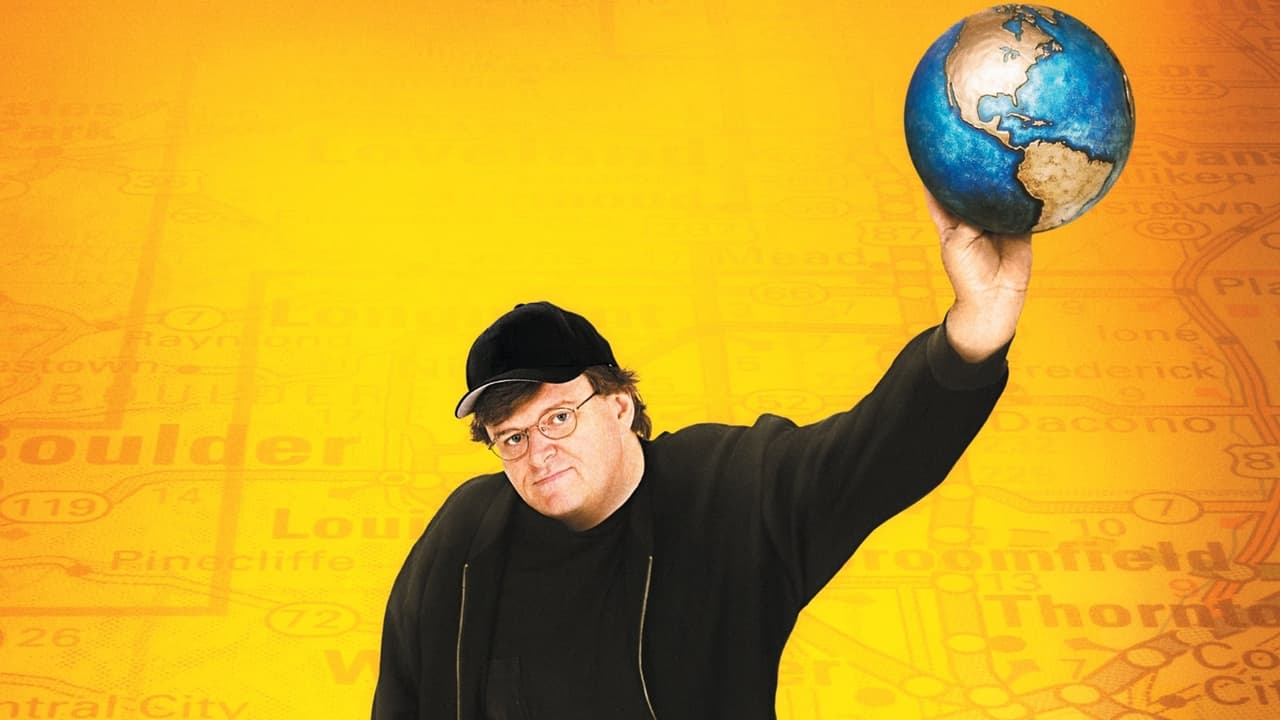
Michael Moore functions here as our baggy-jeaned Virgil, leading us through a landscape of bullet-riddled history. He isn't just a director; he’s the protagonist of his own investigative drama. Looking back, this was a peak moment for the "indie doc" as a blockbuster. With a budget of just $4 million—essentially the catering budget for a George W. Bush campaign stop—it raked in over $35 million. It proved that audiences were hungry for documentaries that didn't feel like homework, even if the "truth" being presented was heavily filtered through Moore’s specific, mischievous lens.
Editing as a Weapon
The film’s power lies in its juxtapositions. We jump from the chilling security footage of Columbine to a satirical cartoon history of American fear (narrated by a very game, if controversial, inclusion of South Park co-creator Matt Stone). Moore’s editing style is built on the "gotcha" moment, a technique that was groundbreaking in 2002 but has since become the standard operating procedure for every YouTuber with a microphone.
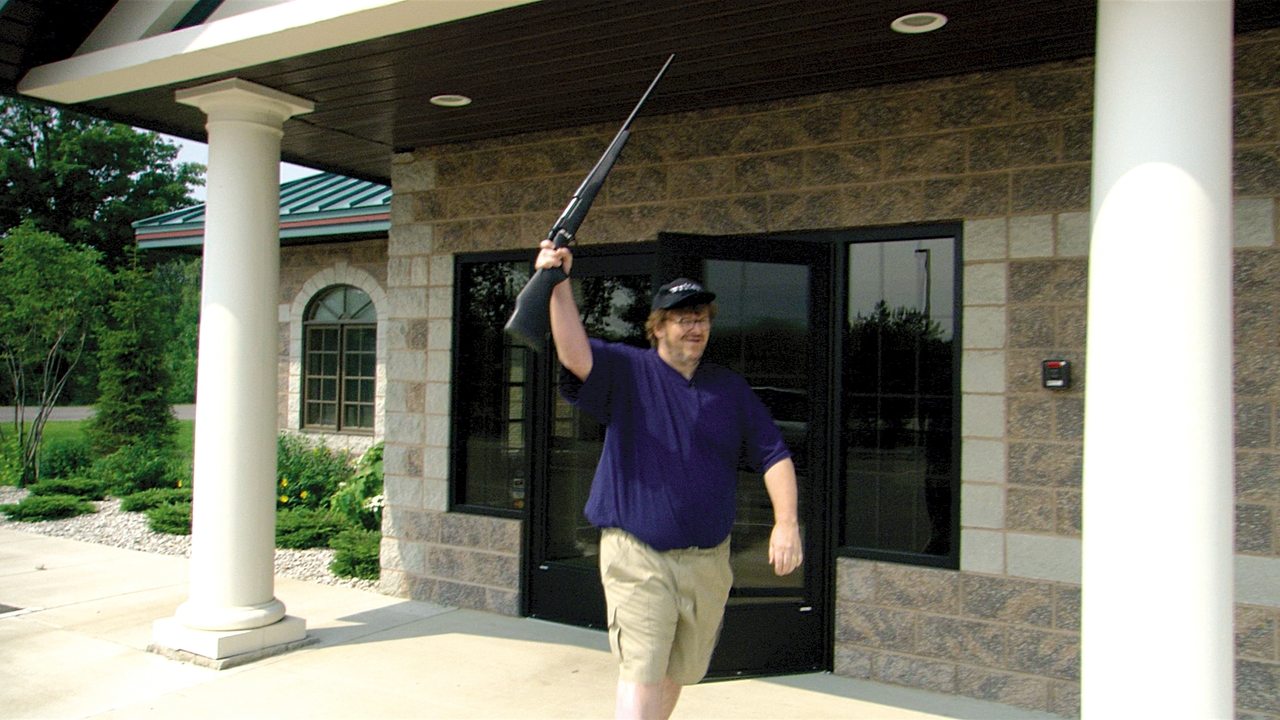
One of the most effective sequences involves Moore crossing the border into Sarnia, Ontario. He finds people who don’t lock their doors, a concept that feels alien to the suburbanites he interviewed in Michigan. It’s here that the film’s philosophical heart beats loudest: the guns aren't the cause; they are the symptoms of a profound social sickness. Moore suggests that the 24-hour news cycle and the industrial-military complex have conspired to keep the populace in a state of perpetual flight-or-fight. Whether you agree with his politics or not, his ability to weave these disparate threads into a compelling narrative is undeniable.
However, we have to talk about the "Moore Method." Moore is the undisputed king of the "creative edit," often rearranging timelines to make a point punchier than the facts might allow. Looking back with twenty years of hindsight, some of the leaps feel a bit more manipulative than they did in the theater. The infamous final confrontation with Charlton Heston is a masterclass in tension, but it’s also deeply uncomfortable to watch. Seeing the aging NRA President—who was reportedly beginning to show signs of Alzheimer’s at the time—struggle to keep up with Moore’s rapid-fire questioning feels less like a victory and more like a tragedy.
A Time Capsule of Turmoil
Technologically, the film is a fascinating relic of the early digital era. It’s a mix of 16mm film, grainy security tapes, and early digital video that gives the whole project an urgent, "found" quality. This was before the MCU-polished look took over everything; it’s a film that smells like the street. It’s also a reminder of the DVD culture that helped it thrive. I remember the special features on the disc being legendary, including Moore’s infamous "Shame on you, Mr. Bush!" Oscar acceptance speech, which was a cultural flashpoint that felt more explosive than the film itself.
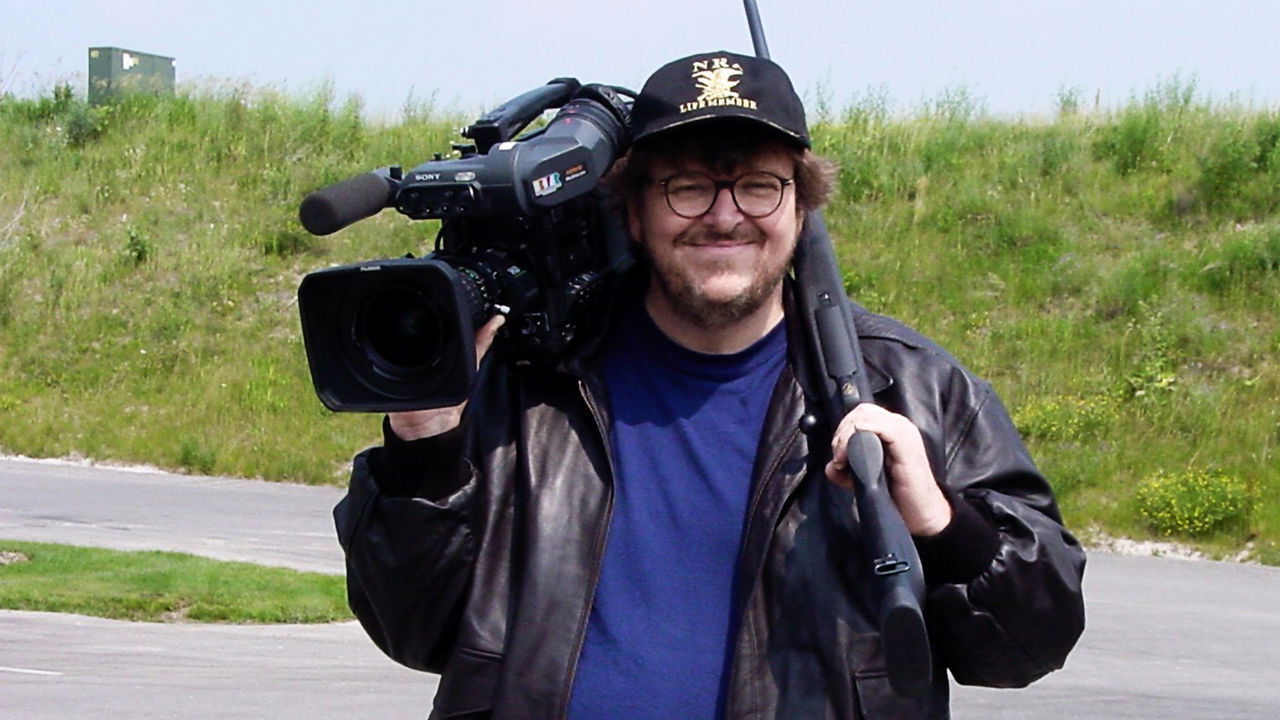
The score by Jeff Gibbs also deserves a nod. It shifts from whimsical to mournful with the flick of a switch, grounding Moore's sometimes-bombastic antics in a sense of genuine grief. When the film slows down to show the victims of the Buell Elementary shooting, the "performance" of the documentarian fades, and we're left with the raw, jagged edges of reality.
Is it a perfect documentary? No. It’s a polemic, a loud-mouthed, occasionally biased, and deeply empathetic scream into the void. But in an era where we are more polarized than ever, its central question—"Are we a nation of gun nuts or are we just nuts?"—has aged with a terrifying lack of wrinkles. It’s a film that demands you argue with it, and that’s exactly why it’s still worth your time.
Ultimately, Bowling for Columbine is a quintessential piece of Modern Cinema that used the indie-film boom to bypass the gates of Hollywood and deliver a gut-punch to the American psyche. It captures a moment in time when the world was changing faster than we could process, and it remains a brilliant, if flawed, exploration of the ghosts that haunt the American dream. Even if you find Moore’s persona grating, the questions he asks are the ones we still haven't found the courage to answer.
Keep Exploring...
-

Fahrenheit 9/11
2004
-

Mysterious Skin
2005
-
The Man from Earth
2007
-
An Inconvenient Truth
2006
-
Central Station
1998
-
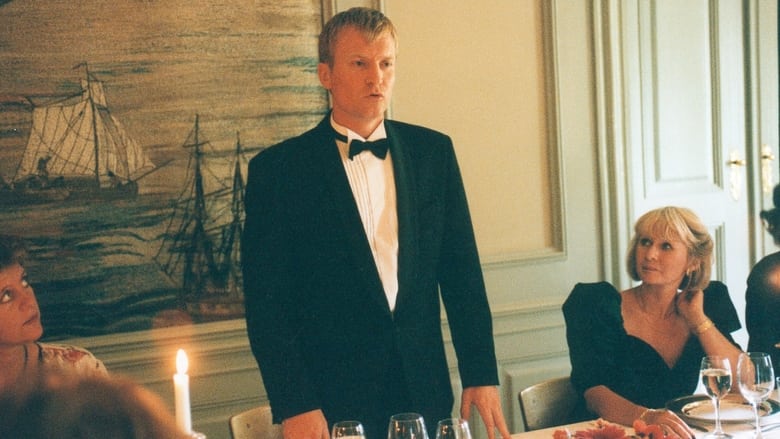
The Celebration
1998
-
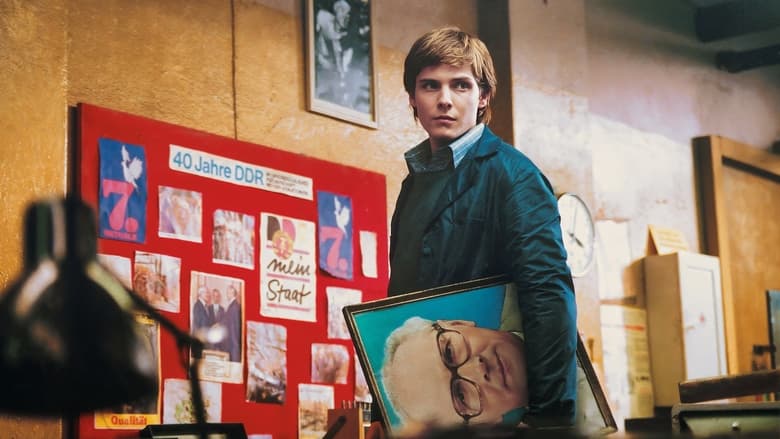
Good Bye, Lenin!
2003
-

Like Stars on Earth
2007
-
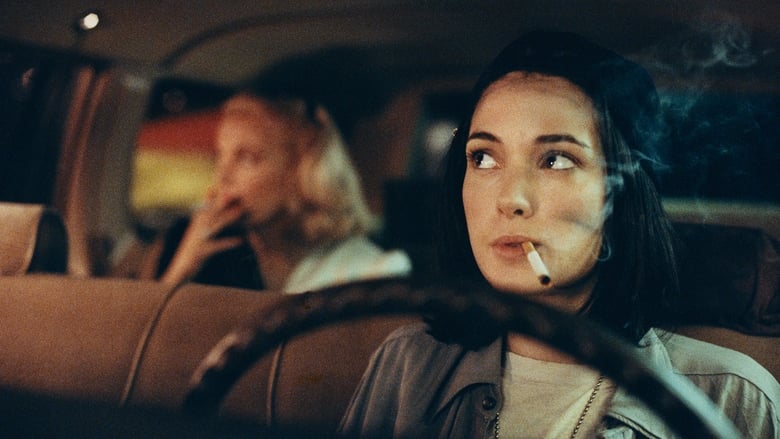
Night on Earth
1991
-
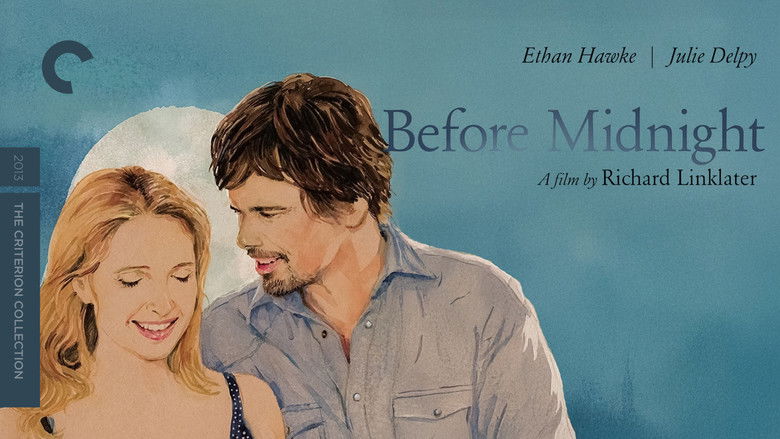
Before Midnight
2013
-

Short Term 12
2013
-

I Origins
2014
-

Waltz with Bashir
2008
-
The Postman
1994
-
Searching for Sugar Man
2012
-

Mommy
2014
-
Chasing Amy
1997
-

Hard Eight
1997
-
Buffalo '66
1998
-

Happiness
1998