Catch Me If You Can
"The sky is the limit for a beautiful lie."

The opening credits of Catch Me If You Can are a rhythmic, Saul Bass-inspired invitation into a world of 1960s cool that doesn't actually exist. It’s a sequence of sliding silhouettes and jazz flutes that tells you exactly what you’re in for: a story about a boy who treats the entire world like a stage play where he’s the only one who bothered to read the script. When I first popped this DVD into a player that hummed like a lawnmower, I expected a breezy heist movie. What I got instead was a surprisingly heavy meditation on the lengths a kid will go to to fix a broken home.
Released in the winter of 2002, this was Steven Spielberg operating at a peak of effortless style. He was coming off the back-to-back intensity of A.I. Artificial Intelligence and Minority Report, and you can feel him exhaling here. Yet, despite the bright Pan Am blues and the sun-drenched sets, there is a persistent ache at the center of the frame. It’s the kind of prestige drama that the early 2000s did best—movies that were undeniably "Oscar bait" but actually had the soul and craft to back up the campaign.
The Art of the Perpetual Pivot
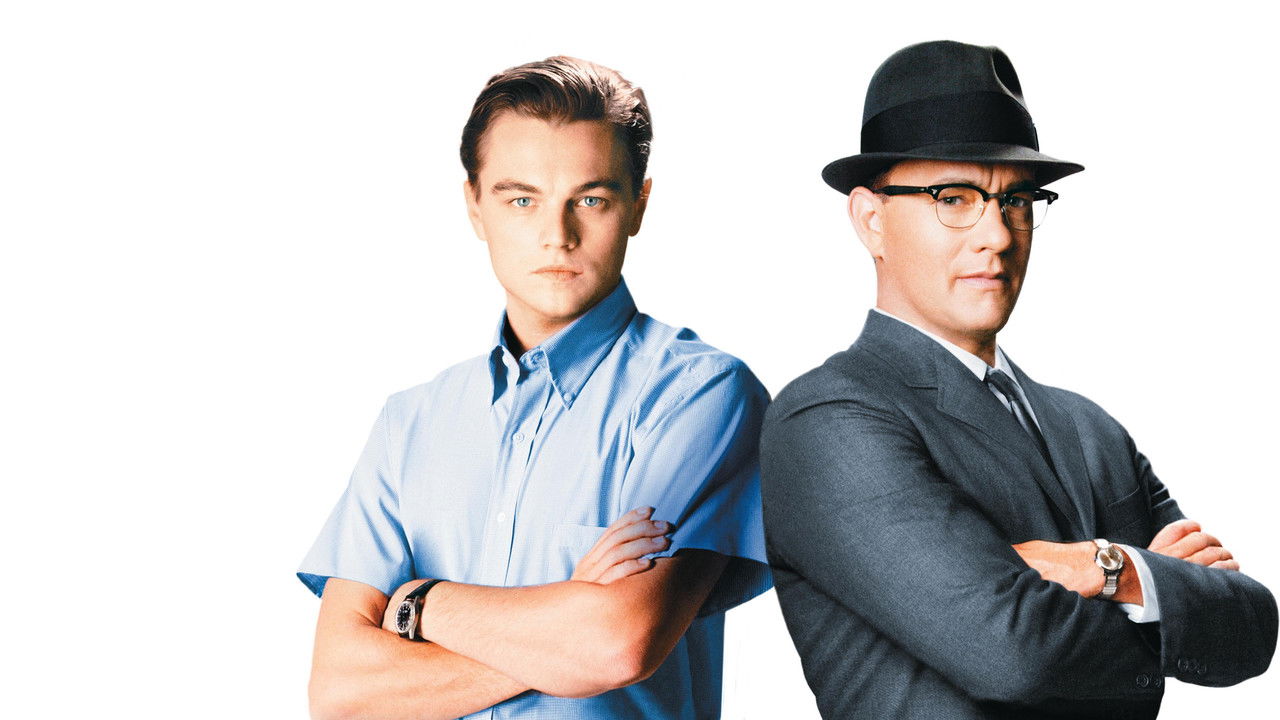
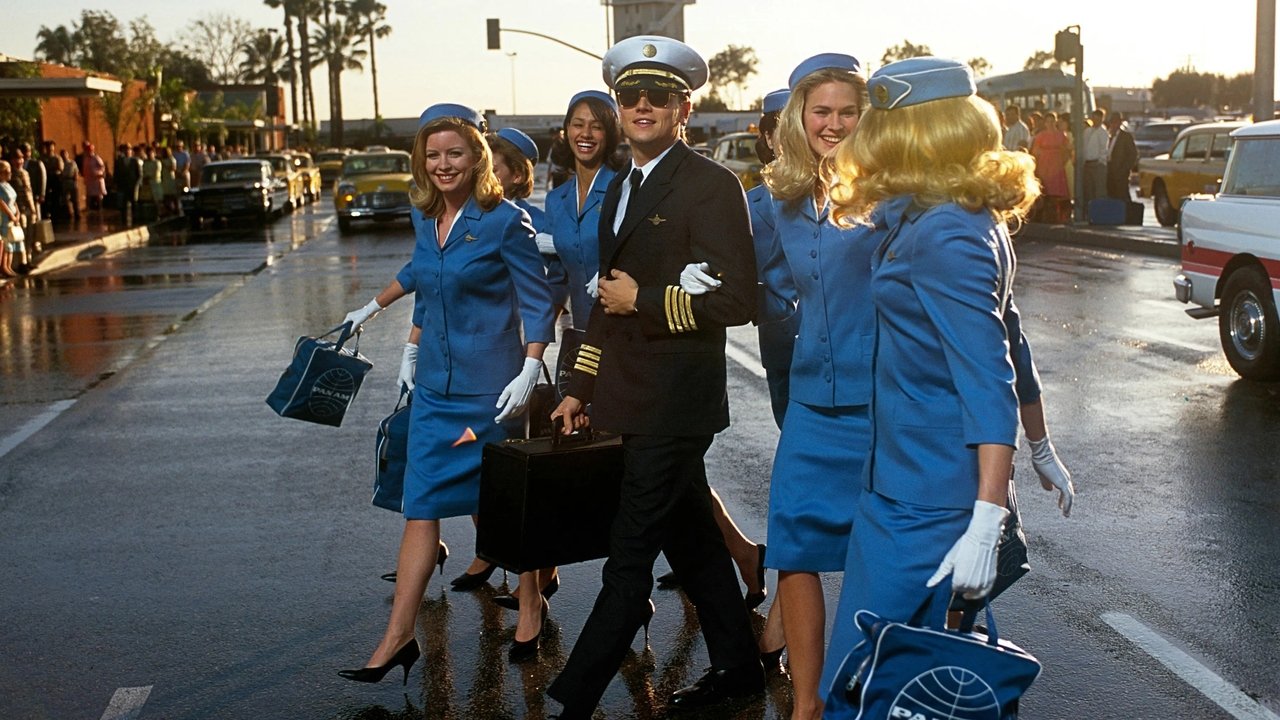
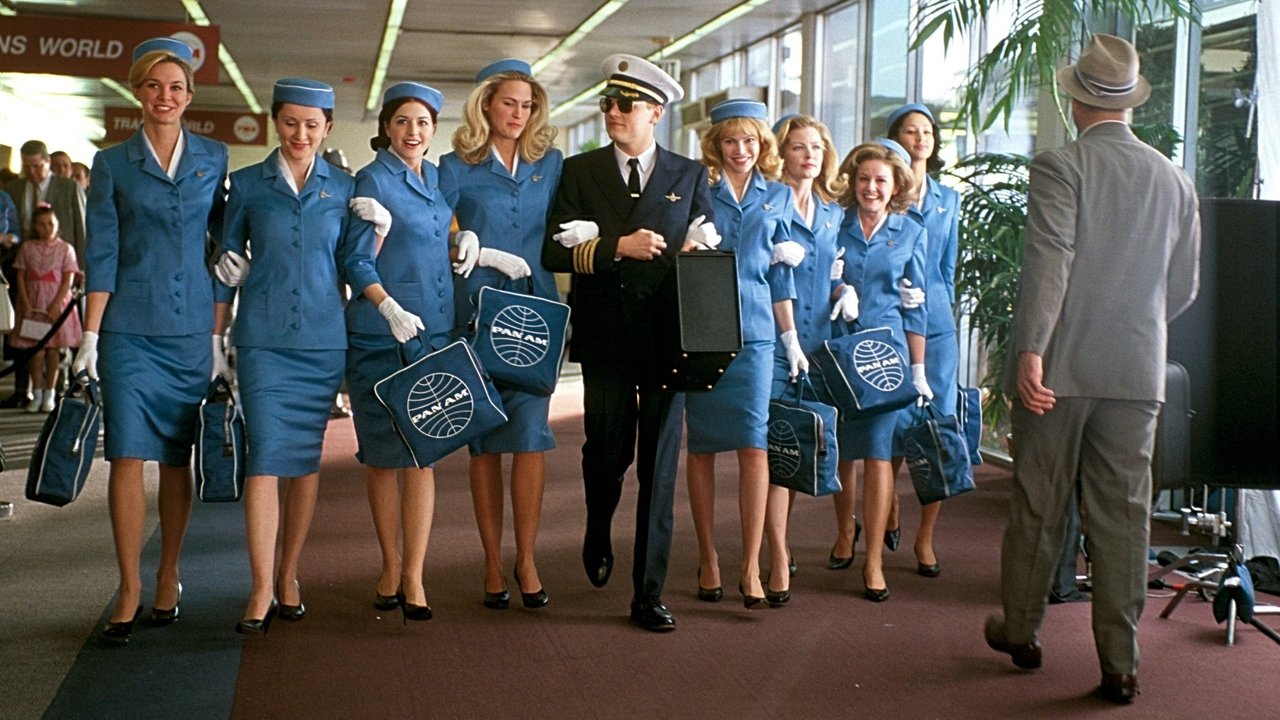
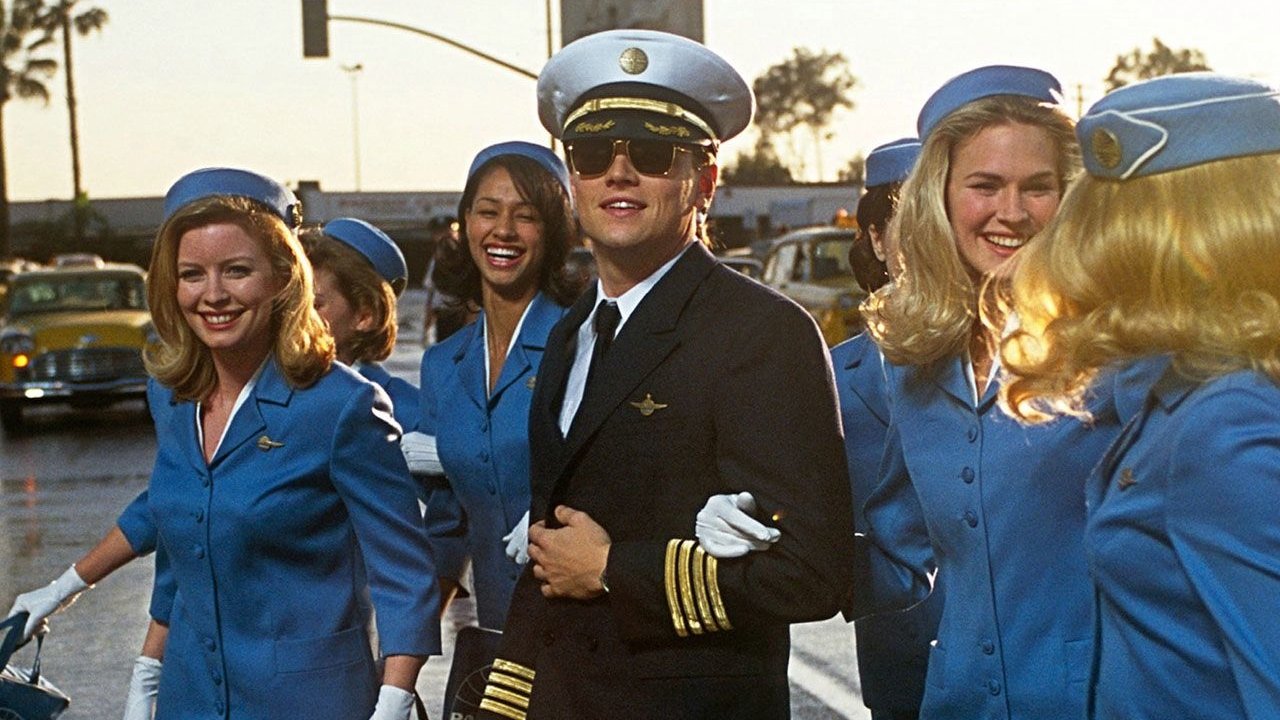
Leonardo DiCaprio was in a fascinating place in 2002. He was still shaking off the "Leo-mania" of the late 90s, trying to prove he was more than a face on a bedroom poster. As Frank Abagnale Jr., he finds the perfect vessel for that transition. He plays Frank as a kid who discovered his superpower—confidence—and realized it could buy him the family he lost. Watching him charm his way into a pilot’s seat or a hospital ward isn't just fun; it’s a masterstroke of casting. You want him to get away with it because he looks so much like a kid playing dress-up in his father's closet.
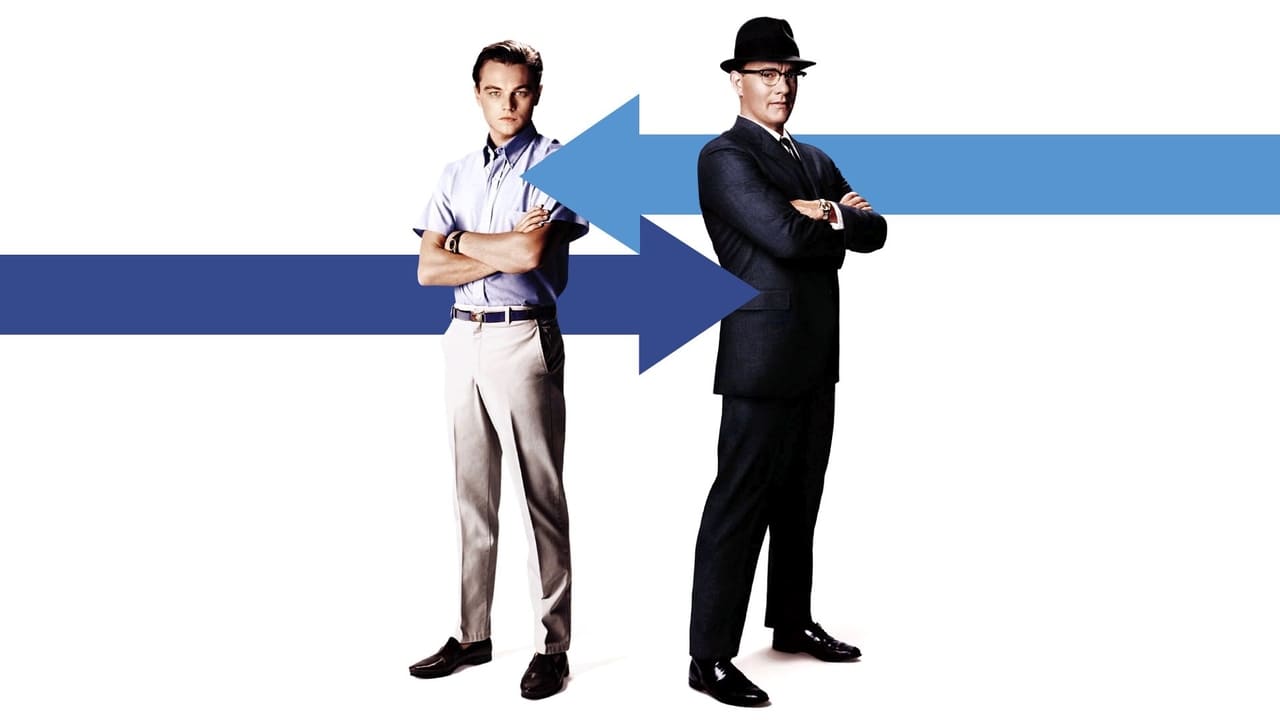
Then there’s Tom Hanks as Carl Hanratty. This might be one of my favorite Hanks roles because he’s so spectacularly uncool. He’s a man who wears his belt too high and finds a joke about "Knock, knock" legitimately hilarious. Hanks plays the FBI agent not as a genius hunter, but as a tireless bureaucrat. His chemistry with DiCaprio is the spine of the film—a long-distance father-son relationship conducted through payphone calls on Christmas Eve. Tom Hanks’ Boston accent is actually pretty good if you don't think about it too hard, and it serves to ground the movie’s more fantastical flights of fraud.
The Ghost in the Suit
While the chase is the engine, the fuel is Christopher Walken. Playing Frank Abagnale Sr., Walken delivers a performance that is genuinely haunting. He isn't the eccentric weirdo we’ve come to expect from his later career; he’s a proud, crumbling man who teaches his son that the world is a series of wolves to be outrun. Every time Frank Jr. sends his father a new car or a fancy suit, you see the elder Frank’s eyes fill with a mixture of pride and devastating realization.
It’s this domestic tragedy that gives the film its "prestige" weight. The scenes between the two Franks are some of the best Spielberg has ever filmed, stripped of his usual sentimentality and replaced with a cold, hard look at how parents pass their failures down to their children. Apparently, Walken was so committed to the role’s weary dignity that he earned an Oscar nomination for Best Supporting Actor, and looking back, it’s easy to see why. He provides the stakes. If Frank Jr. stops running, he has to face the fact that his father is just a man who lost everything.
A Symphony of 1960s Gloss
Visually, the film is a feast. Cinematographer Janusz Kamiński (who won two Oscars for his work on Schindler’s List and Saving Private Ryan) uses his signature "blown-out" lighting to make the 1960s look like a half-remembered dream. The whites are blinding, and the colors are saturated in a way that feels both nostalgic and slightly artificial—perfect for a movie about a "real fake."
Then you have the score. John Williams stepped away from his usual booming brass to deliver something slinky and sophisticated. It sounds like a martini being stirred in a penthouse. It’s a reminder of how much a score can dictate the "vibe" of an era. Interestingly, the production had to move incredibly fast to accommodate the schedules of its two massive stars, yet it feels meticulously paced. It’s a 141-minute movie that moves like a 90-minute one.
I watched this recently while sitting on a very uncomfortable floor because my cat had claimed the sofa, and even with a numb leg, I couldn't look away. There's a sequence involving a "James Bond" suit that perfectly captures the Y2K-era obsession with the 1960s—a sort of retro-futurism that felt very "now" in 2002.
Catch Me If You Can is the rare prestige film that manages to be both deeply sad and immensely watchable. It captures a specific moment in cinema where big-budget movies still felt like they were made by humans rather than committees. It’s a film about the loneliness of being the smartest person in the room, and the tragedy of realizing that no amount of money can buy back a happy childhood. If you haven't revisited this one in a decade, do yourself a favor and get back on the plane. It’s a flight worth taking.
Keep Exploring...
-
The Departed
2006
-

Saving Private Ryan
1998
-
Gangs of New York
2002
-
Schindler's List
1993
-
The Green Mile
1999
-
Munich
2005
-

The Terminal
2004
-
L.A. Confidential
1997
-

Requiem for a Dream
2000
-

City of God
2002
-

Memories of Murder
2003
-
Matchstick Men
2003
-
Casino
1995
-
Heat
1995
-
The Dark Knight
2008
-
The Wolf of Wall Street
2013
-
The Basketball Diaries
1995
-
Tell No One
2006
-
Shutter Island
2010
-
GoodFellas
1990