Changing Lanes
"Your conscience is the only thing you can't outrun."
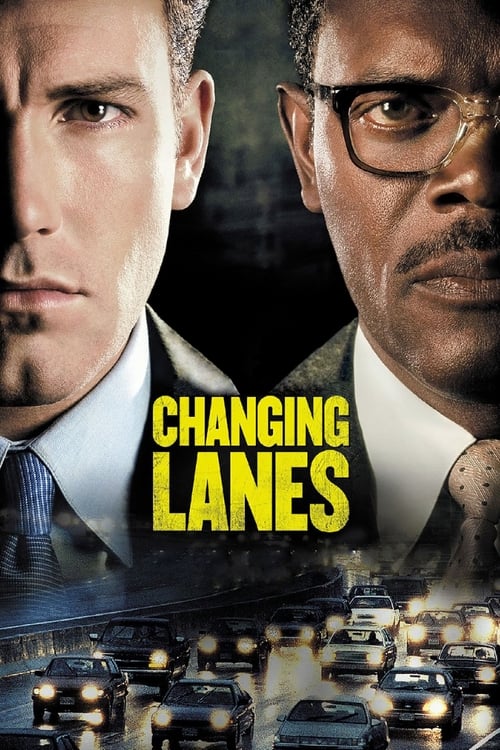
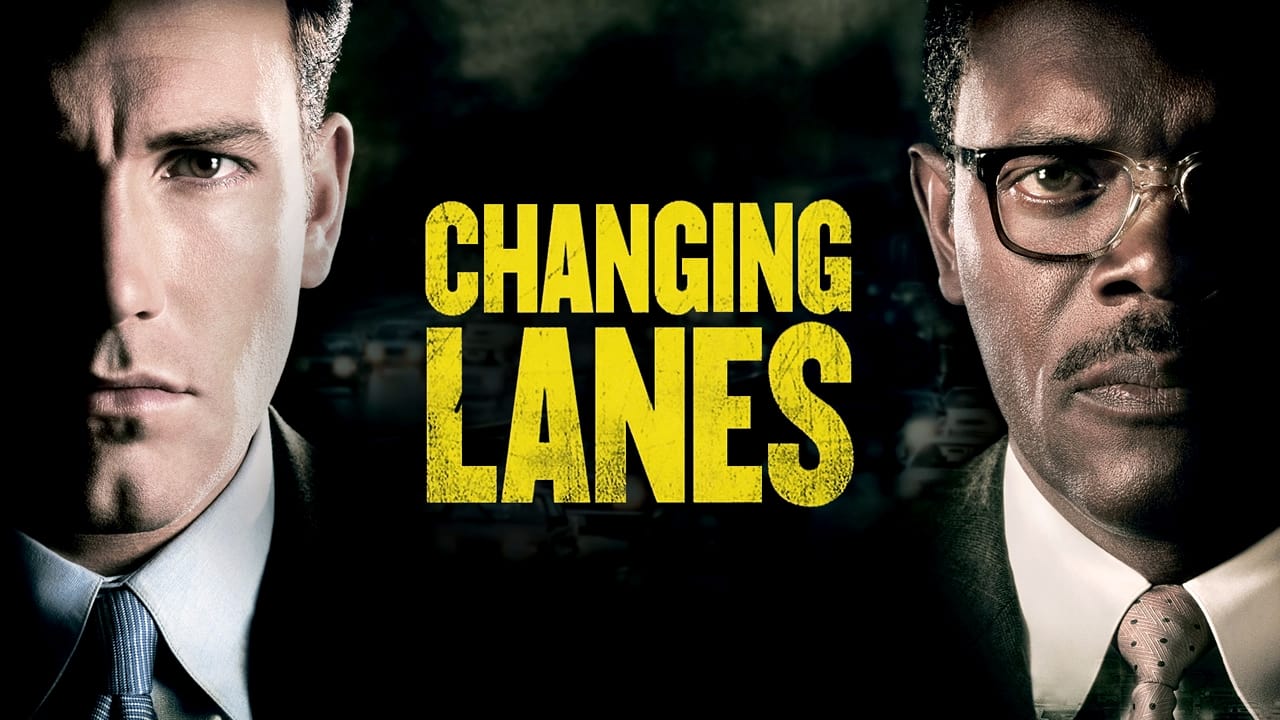
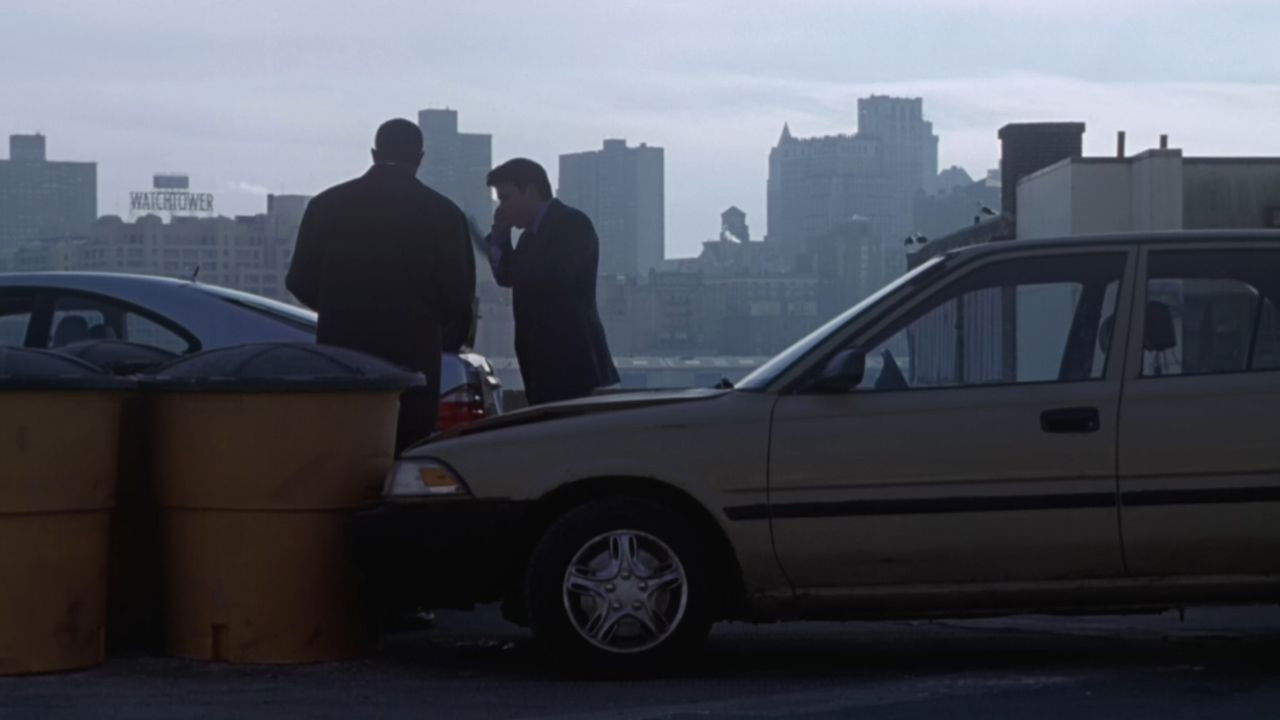
The sound of metal crunching against metal on the FDR Drive is a specific kind of New York nightmare. It’s a wet, grey Tuesday, and two men are late for very different versions of the rest of their lives. In one car, we have Ben Affleck’s Gavin Banek, a high-flying corporate lawyer who looks like he was born in a tailored suit and probably sleeps in a power tie. In the other, Samuel L. Jackson’s Doyle Gipson, a recovering alcoholic trying to prove to a family court judge that he’s finally got his act together.
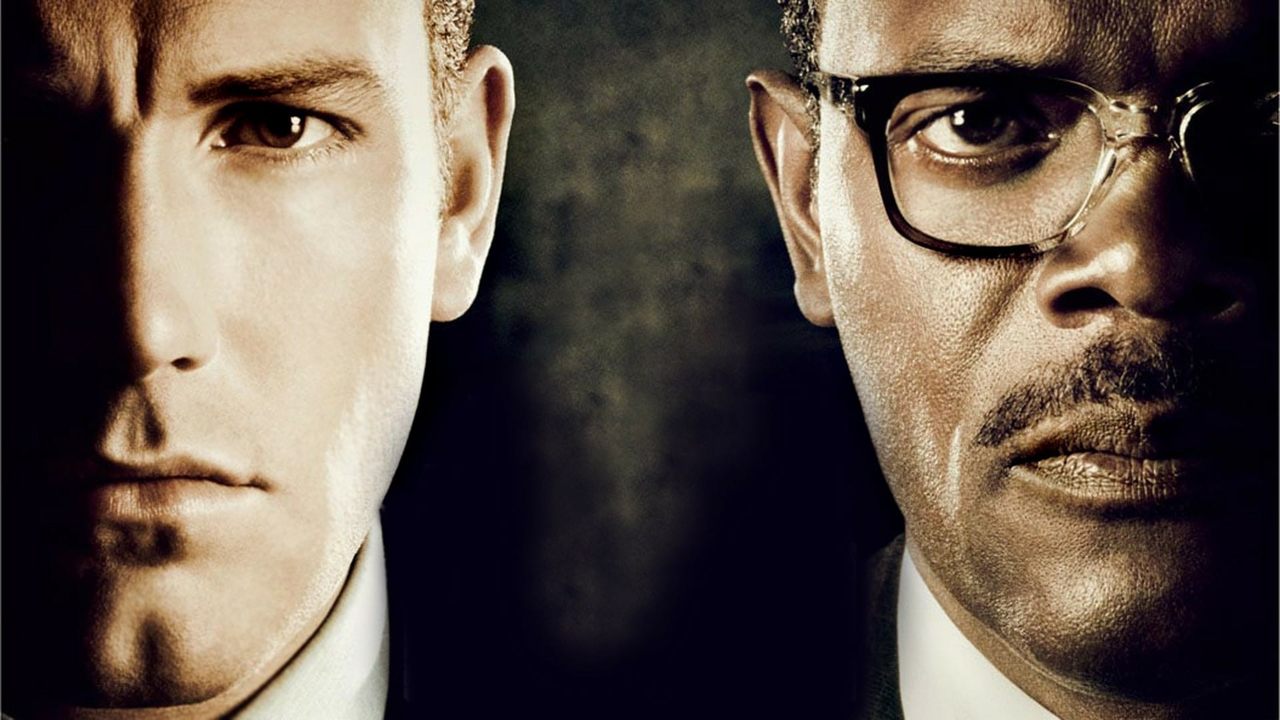
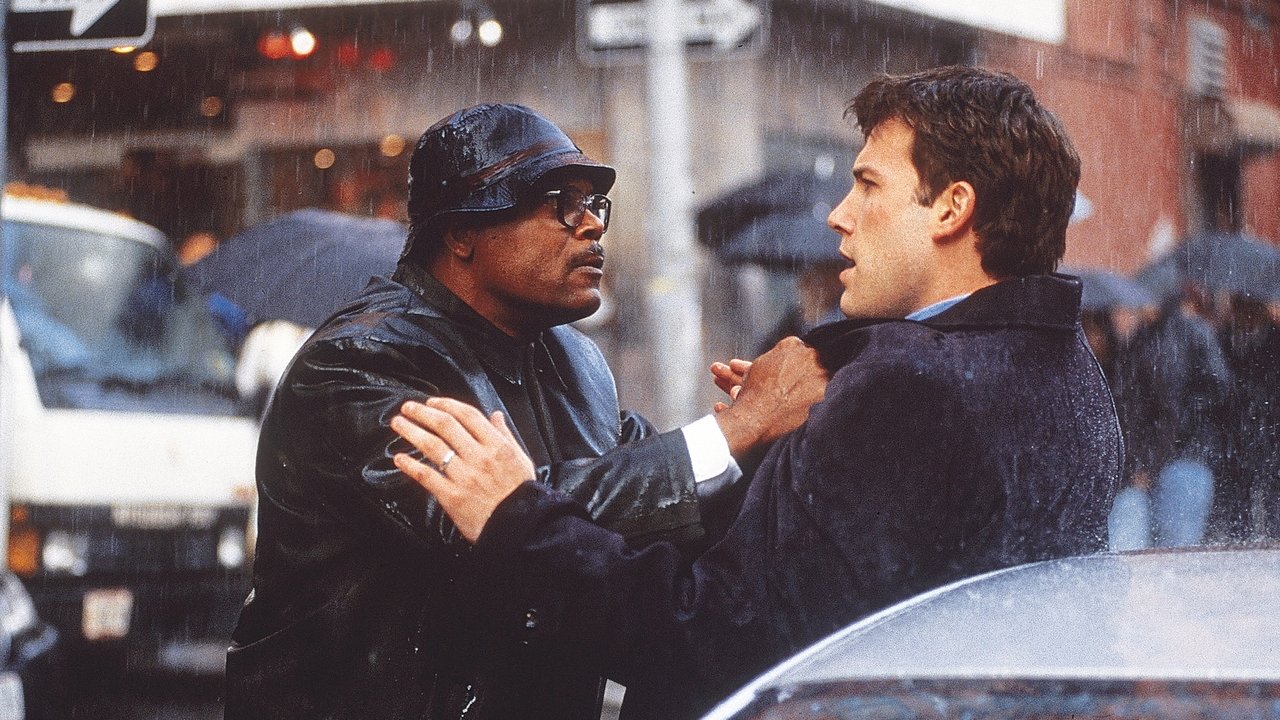
When their fenders meet, it isn’t just a traffic delay; it’s a spiritual collapse. Banek, in a rush to file a crucial legal document, hands Gipson a blank check and utters the line that sets the fuse: "Better luck next time." He leaves Gipson stranded, but in his haste, he drops a red file folder—the very thing he needs to keep his firm (and himself) out of prison.
I watched this recently while my apartment’s radiator was doing its best impression of a dying steam engine, hissing and clanking in a way that perfectly mirrored the escalating blood pressure of the two leads. It’s a movie that makes you want to check your blind spots and your moral compass simultaneously.
A Fender Bender as a Moral Abyss
Changing Lanes is a relic of a beautiful era: the mid-budget, R-rated adult thriller. It’s the kind of movie Hollywood has largely traded in for multiversal punch-ups, which is a tragedy because this film is remarkably sharp. Directed by Roger Michell—who, in a bizarre bit of career whiplash, had just come off the sugary highs of Notting Hill—it captures a post-9/11 New York City that feels jittery, cynical, and perpetually damp.
The script by Michael Tolkin and Chap Taylor doesn’t settle for a simple "road rage" revenge plot. Instead, it’s a escalating game of "how much of my soul am I willing to trade to win?" Banek uses his legal resources to ruin Gipson’s credit and housing chances; Gipson responds by dismantling the wheels of Banek’s Mercedes. Affleck is actually better here than he is in Gone Girl, playing a man who is slowly realizing that his entire life is built on a foundation of professional theft. He’s surrounded by vultures, most notably his father-in-law and mentor, played with a chilling, silver-haired malice by the great Sydney Pollack (director of Tootsie and Out of Africa).
The Art of the Slow-Motion Trainwreck
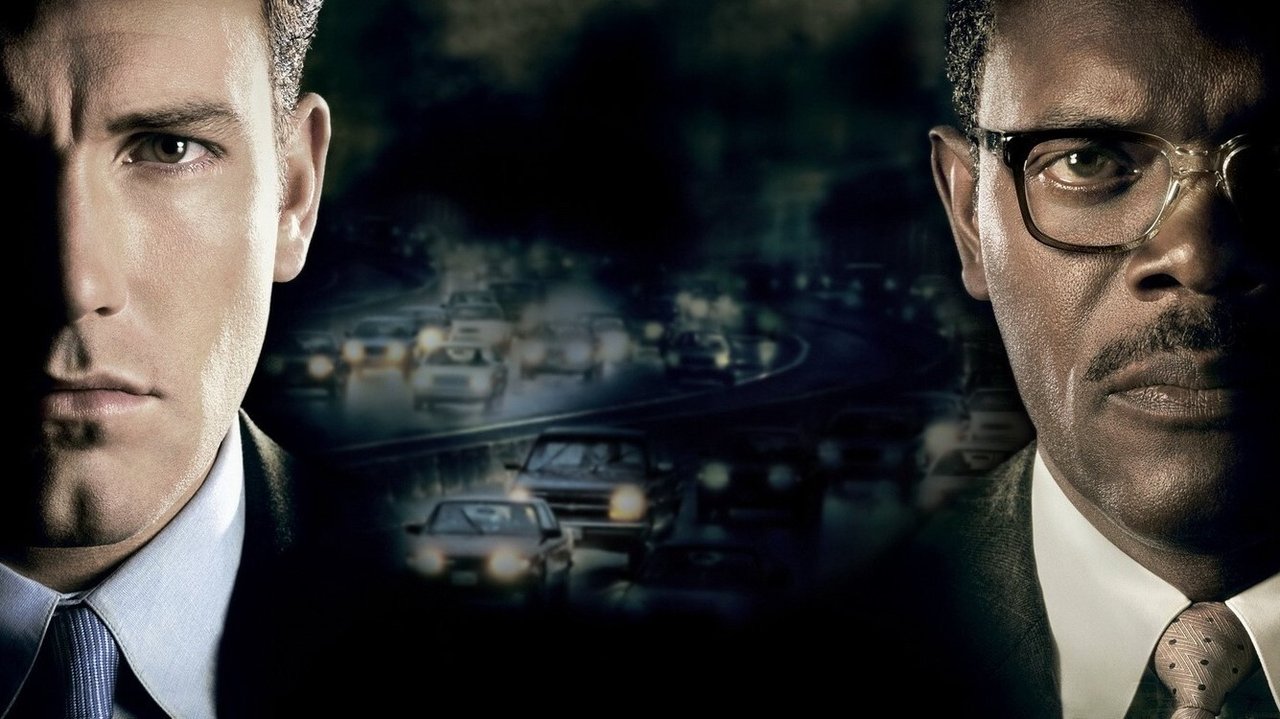
While Affleck handles the "privileged man crumbling" beat, Samuel L. Jackson reminds us that before he was Nick Fury, he was one of the most soulful actors on the planet. His Doyle Gipson isn't a villain; he’s a man who has been pushed past the point of rationality. There’s a scene where he’s talking to his sponsor, played by William Hurt (A History of Violence), that is worth the price of admission alone. It’s a quiet, devastating look at the "addiction" to chaos.
The film also benefits from a supporting cast that would be the lead in any other movie. Toni Collette (Hereditary) shows up as Banek’s colleague and former lover, providing a cynical reality check that cuts through the ego. Amanda Peet (The Whole Nine Yards) plays Banek’s wife, and in one of the film’s most cold-blooded scenes, she explains exactly why she tolerates her husband’s ethical lapses. It’s a moment that feels like it belongs in a Shakespearean tragedy, not a 98-minute thriller from Paramount.
The 2002 Time Capsule
Looking back at this through a 2024 lens, the technology is a hoot—thick laptops, zip disks, and the sheer effort it took to ruin someone's life before social media existed. You actually had to go to a bank or a courthouse to do some damage! But the themes of class and race are handled with a surprising amount of nuance for a mainstream studio flick. It doesn't provide easy answers. By the time the third act rolls around, you aren't rooting for a "hero" to win; you’re hoping both men find a way to stop the bleeding before they lose what's left of their humanity.
The cinematography by Salvatore Totino (Cinderella Man) deserves a shout-out for making Manhattan look like a beautiful, oppressive cage of glass and steel. He uses a lot of handheld camera work that avoids being "shaky-cam" but keeps the energy frantic. It feels lived-in. It feels like a city where eight million people are all one bad morning away from snapping.
This is a film that was a hit in its day but seems to have slipped through the cracks of the digital transition. It’s a reminder of a time when movie stars were allowed to be unlikable, and "thrillers" were about ideas as much as they were about tension. If you haven't revisited this one since the days of the local Blockbuster, give it another spin. Just maybe don't watch it right before you have to drive into the city.
Keep Exploring...
-
The Sum of All Fears
2002
-
Syriana
2005
-
Michael Clayton
2007
-
The Player
1992
-

Morning Glory
2010
-
Basic
2003
-
The Good Shepherd
2006
-
The Kingdom
2007
-
Breakdown
1997
-
Cop Land
1997
-
Kiss the Girls
1997
-
The Rainmaker
1997
-
A Simple Plan
1998
-
Fallen
1998
-
Wild Things
1998
-
Arlington Road
1999
-

The Gift
2000
-

Behind Enemy Lines
2001
-

Gosford Park
2001
-
Joy Ride
2001