Chicago
"Fame is the ultimate get-out-of-jail-free card."
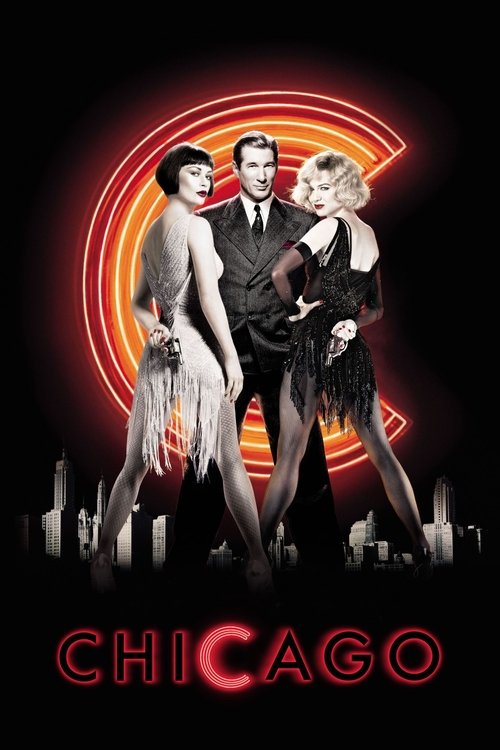
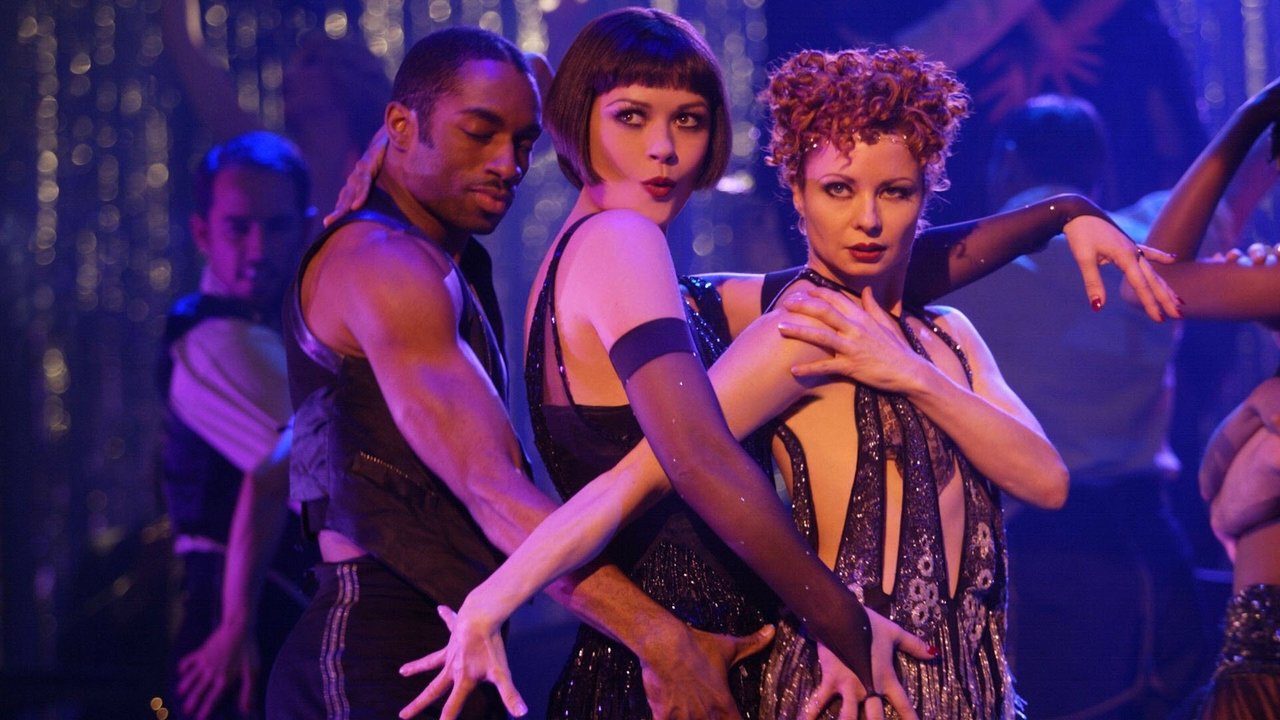
The first time I really heard this movie wasn't in a theater, but through a thin apartment wall where my neighbor was practicing the "Cell Block Tango" choreography so loudly I thought someone was actually getting murdered. It was 2002, and Rob Marshall’s adaptation of the Kander and Ebb stage classic was everywhere. It wasn't just a movie; it was a cultural correction. For decades, Hollywood had been told that the movie musical was a rotting corpse, but Chicago didn't just resuscitate the genre—it gave it a shot of pure adrenaline and a pair of fishnets.
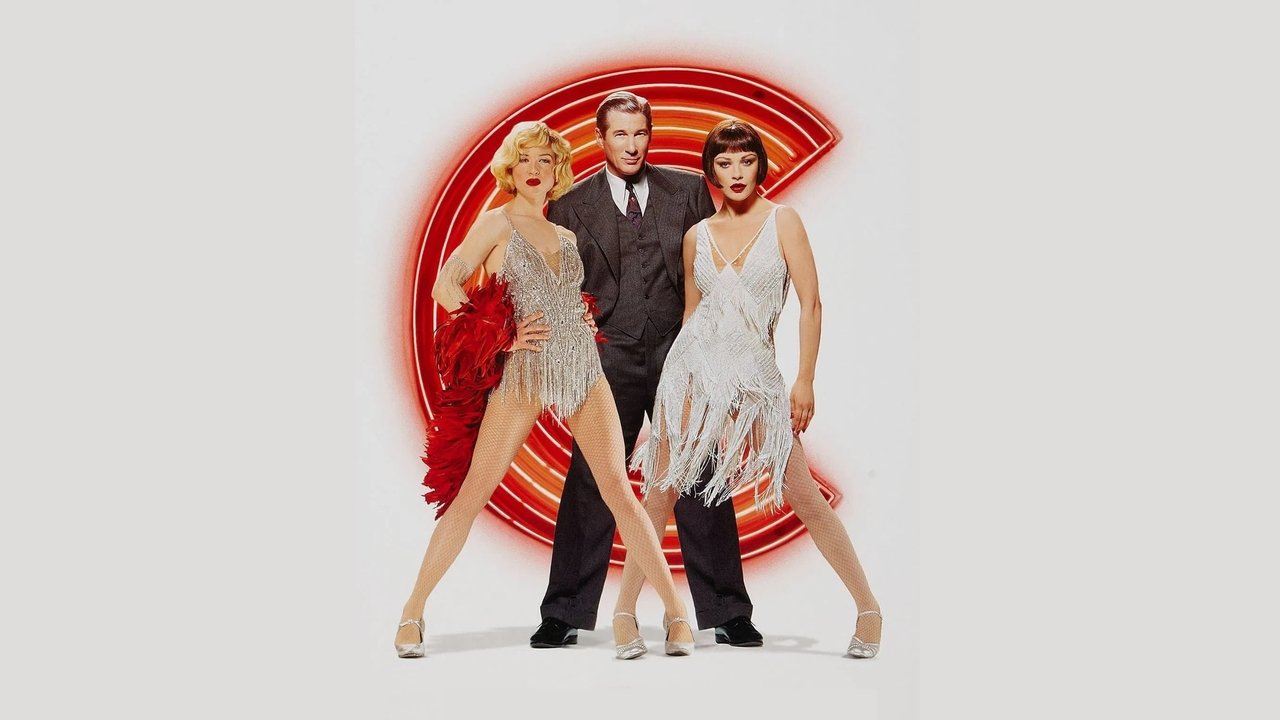
Looking back, the genius of the screenplay by Bill Condon (who later gave us Dreamgirls) lies in how it solved the "modern audience problem." In the early 2000s, we were becoming too cynical to accept characters bursting into song in the middle of a grocery store. Chicago bypasses this by framing every musical number as a hallucination inside the fame-hungry mind of Roxie Hart. It’s a brilliant conceit that allows the film to oscillate between the grime of a 1920s Cook County jail and the neon-lit vaudeville stage of Roxie’s imagination.
The Glittering Machinery of Corruption
At its heart, this is a remarkably dark story. We are essentially asked to root for two cold-blooded killers as they manipulate the legal system to avoid the noose. Renée Zellweger is a revelation here as Roxie, capturing that specific brand of "midwestern mousy" that can turn into "predatory starlet" in the blink of an eye. She plays Roxie with a desperate, wide-eyed hunger that feels entirely authentic to the era’s obsession with tabloid sensationalism.
But let’s be honest: the movie belongs to Catherine Zeta-Jones. Her Velma Kelly is a powerhouse of controlled fury and high-kicking athleticism. There’s a sharp, jagged edge to her performance that makes you believe she’d actually shoot her sister and her husband without breaking a sweat. Zeta-Jones famously insisted on keeping her hair in a short bob so the audience could see her face during the dance numbers, proving she wasn't using a stunt double. It’s that level of commitment that earned her the Oscar, and rightfully so.
Then there’s Richard Gere as Billy Flynn. I’ll admit, Richard Gere’s tap dancing is the cinematic equivalent of a mid-life crisis done right. He plays Flynn not as a hero, but as a polished, silver-tongued shark who views the courtroom as a three-ring circus. His "We Both Reached for the Gun" sequence is a masterclass in visual storytelling, literally turning the press and his client into puppets. It’s a scathing indictment of how easily the truth can be choreographed.
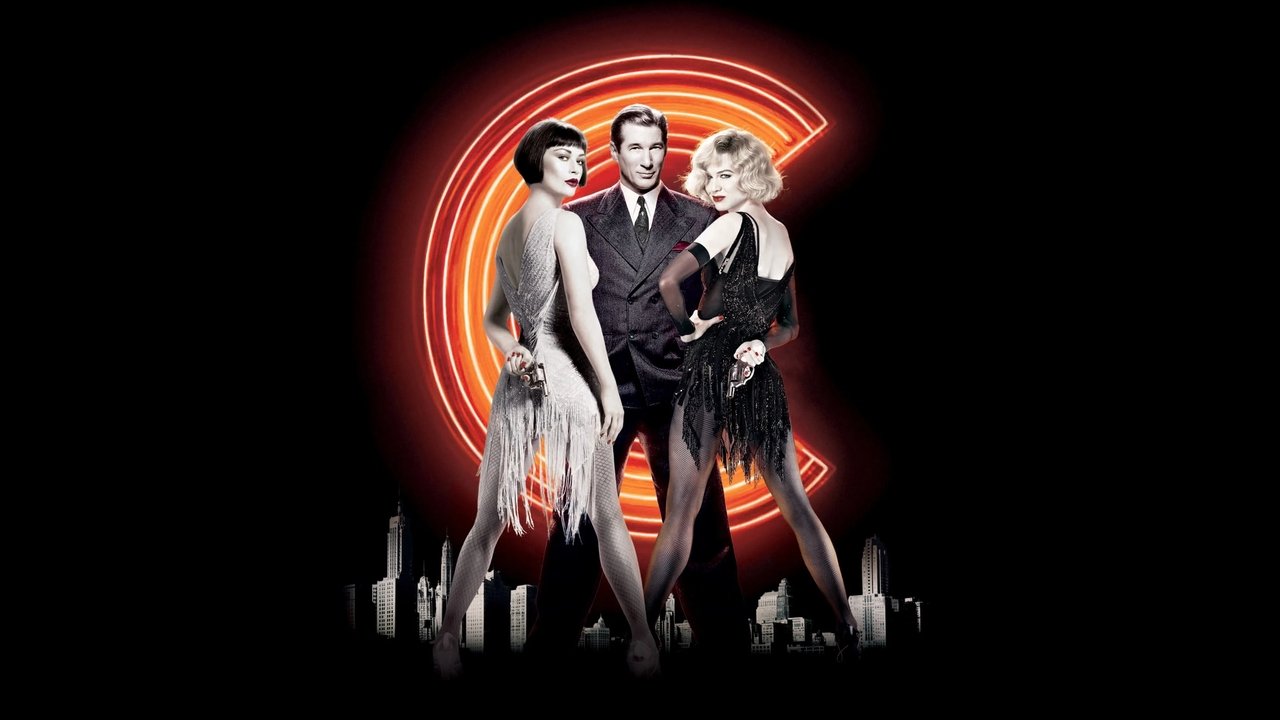
The Shadow Beneath the Stage
While the film is famous for its flash, I found the most haunting moments were the ones where the music stopped. The subplot involving Katalin Helinski, the "Hunyak" played by Ekaterina Chtchelkanova, provides the film’s moral conscience. She’s the only truly innocent woman on death row, yet she’s the one who ends up on the gallows because she can’t "perform" for the cameras. Her execution scene, staged as a "disappearing act" in Roxie's mind, is genuinely chilling. It reminds me that beneath the "razzle dazzle," this is a film about a system that rewards the loudest liar while hanging the silent innocent.
John C. Reilly as Amos Hart is the other side of that tragic coin. His "Mr. Cellophane" number is the only moment of genuine, unvarnished pathos in the entire 113-minute runtime. While I was watching this recently, I realized I was wearing a mismatched pair of socks and drinking lukewarm tea—a peak "invisible man" moment that made me relate to Amos more than I probably should have. He is the collateral damage of Roxie’s ambition, and Reilly plays him with a heartbreaking, hangdog sincerity that prevents the movie from becoming too cynical for its own good.
A Masterclass in 2000s Slickness
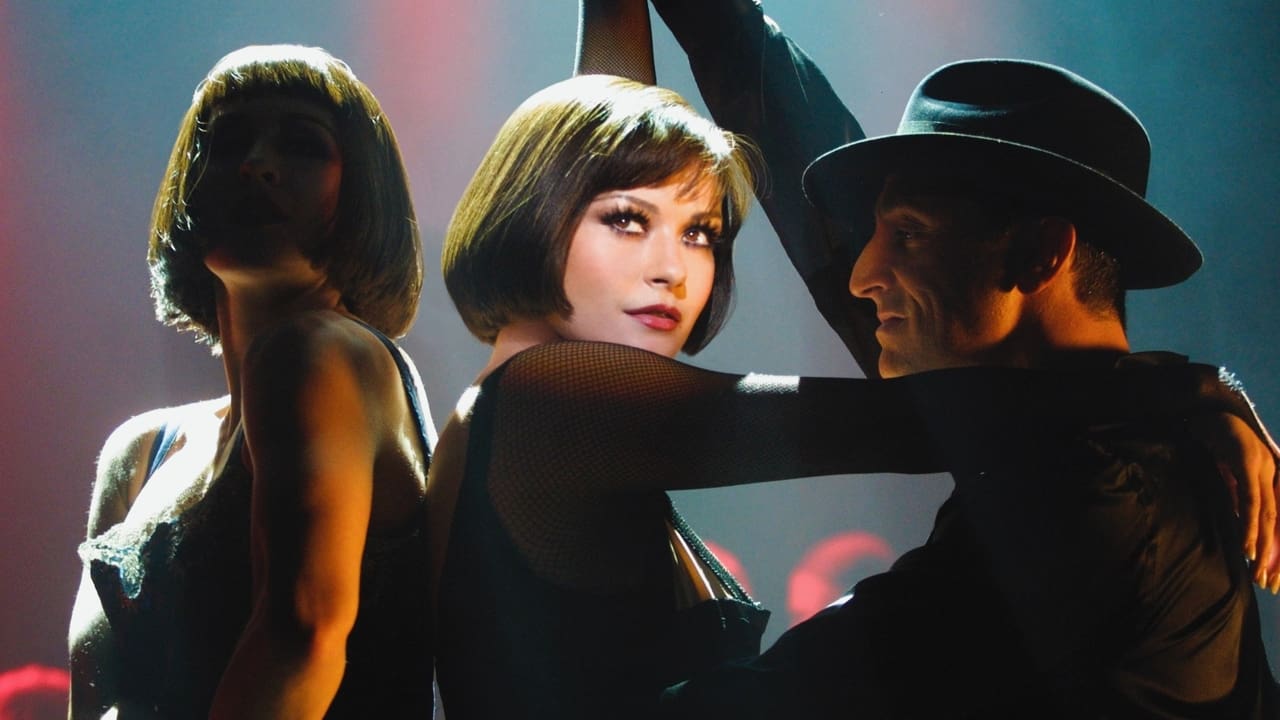
Technically, Chicago represents the peak of early-2000s "pre-digital" aesthetic. The cinematography by Dion Beebe (who later shot the moody Collateral) uses a high-contrast palette of deep ambers and cold, institutional blues that makes every frame feel like a noir painting. The editing is fast—sometimes a little too fast for purists—but it mirrors the frantic energy of the jazz age and the rapid-fire clicking of news cameras.
The film was a massive gamble for Miramax. With a $45 million budget, it was a high-stakes play on a genre that most thought was dead. It didn't just succeed; it exploded, raking in over $306 million worldwide and becoming the first musical to win Best Picture since Oliver! in 1968. It paved the way for everything from Les Misérables to La La Land, for better or worse.
One of the coolest details I’ve dug up is that Queen Latifah, who is absolutely formidable as Matron Mama Morton, was actually the one who suggested the "classy" vibe for her character’s big number, "When You're Good to Mama." It turned a potentially campy role into something with real weight and authority.
Chicago remains a sharp, cynical, and wildly entertaining look at the intersection of crime and celebrity. It’s a film that understands that in America, justice isn't about the facts; it's about who puts on the better show. While the hyper-kinetic editing can occasionally feel like a relic of its time, the performances and the sheer audacity of the staging keep it feeling fresh. It’s a dark, glittering jewel of a movie that reminds us that if you can't be famous, being infamous is a hell of a consolation prize.

Keep Exploring...
-

Traffic
2000
-

Adaptation.
2002
-
Matchstick Men
2003
-
Donnie Brasco
1997
-
The Talented Mr. Ripley
1999
-
Mystic River
2003
-

Inside Man
2006
-
Sneakers
1992
-

Bridget Jones's Diary
2001
-
Collateral
2004
-
Lucky Number Slevin
2006
-
Cape Fear
1991
-
A Perfect World
1993
-
A Time to Kill
1996
-
Primal Fear
1996
-

Sleepers
1996
-
The Town
2010
-
Confessions of a Dangerous Mind
2002
-
Bad Santa
2003
-
The Exorcism of Emily Rose
2005