Cinderella II: Dreams Come True
"The slippers still fit, but the magic is digital."
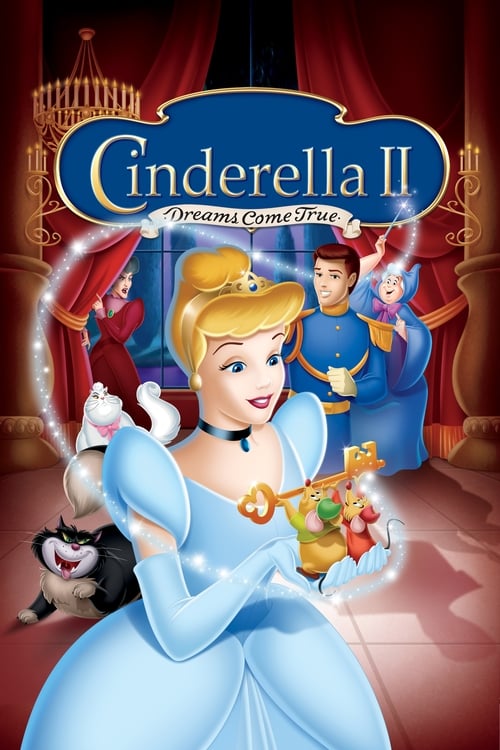
If you grew up during the early 2000s, you likely remember the blue-bordered VHS tapes and the "Disney FastPlay" logo that heralded a very specific era of animation history: the age of the Direct-to-Video sequel. It was a time when the Disney Vault didn't just open; it practically hemorrhaged content. While the 1950 original Cinderella is a cornerstone of hand-drawn artistry and romantic escapism, its 2002 successor, Cinderella II: Dreams Come True, feels less like a cinematic event and more like a corporate mandate wrapped in a pastel-colored bow.

The Saturday Morning Anthology
Looking back, the most jarring thing about Cinderella II is its structure. Unlike the sweeping, singular narrative of the first film, this is an anthology—three separate shorts stitched together by a thin framing device involving the mice writing a book. There’s a reason for this disjointed feel: the project actually began its life as a planned television series that was scrapped and repurposed into a feature film. It feels like three Saturday morning cartoons in a trench coat, desperately trying to look like a movie.
The first segment follows Cinderella’s struggle to adapt to palace life, clashing with the rigid traditions of the "Countess Le Grande." It’s a classic "fish out of water" story that attempts to give the Princess some modern agency, but it lacks the stakes of her original plight. The second story involves Jaq the mouse being turned into a human by the Fairy Godmother, which is exactly the kind of "be careful what you wish for" fluff that filled 22-minute time slots in the nineties.
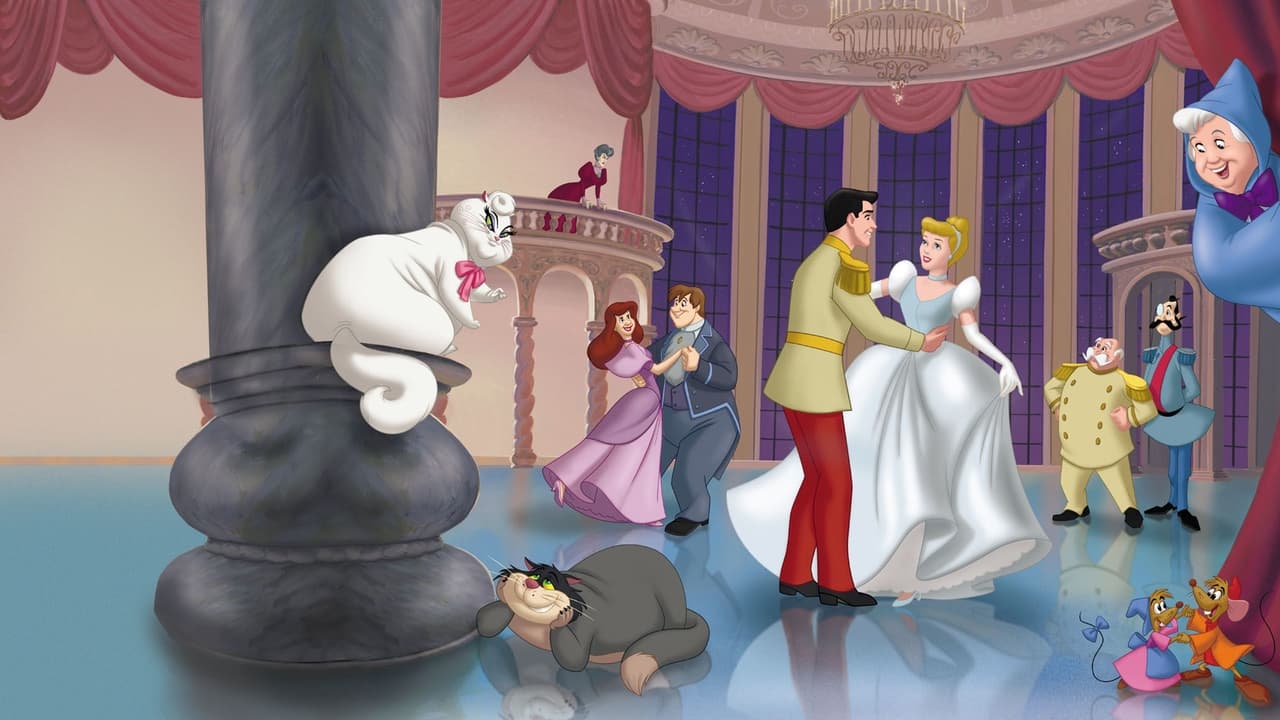
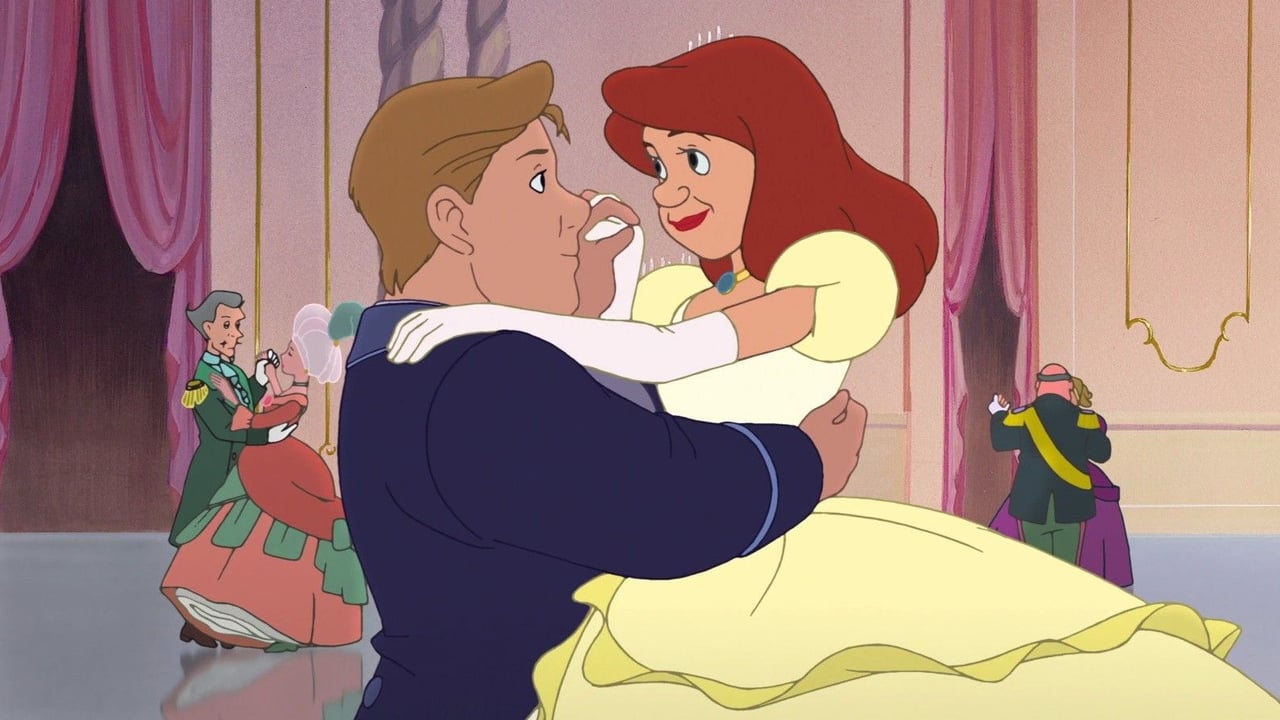
However, the third segment is where the film accidentally stumbles into something resembling a real drama. It focuses on Anastasia, the "ugly" stepsister, as she falls in love with a humble baker against her mother’s wishes. I found myself actually rooting for her, which is a testament to the fact that Anastasia’s romance with the baker is the only thing here that feels human. It’s a redemption arc that provides more character development in twenty minutes than the rest of the film does in an hour.
Performance and the Digital Shift

Technically, the film is a fascinating artifact of the turn-of-the-millennium transition from analog to digital. Produced by Walt Disney Animation Japan, the animation lacks the lush, watercolor backgrounds and "squash and stretch" fluidity of the 1950s classic. The colors are flatter, the lines are sharper, and the movement often feels "floaty"—a hallmark of early digital ink-and-paint processes used in TV animation.
The vocal performances, however, are surprisingly robust. Jennifer Hale (known to many as the voice of Commander Shepard in Mass Effect) takes over the titular role from Ilene Woods. Hale does a commendable job, capturing the grace of the character while injecting a bit more "early-2000s" pragmatism. The legendary Russi Taylor pulls double (and triple) duty, voicing everyone from the Fairy Godmother to the iconic Drizella. Rob Paulsen and Corey Burton return to the roles of the mice, and their chemistry remains the most energetic part of the production. While I watched this, I noticed a tiny, dried piece of orange peel stuck to the corner of my laptop screen, and for a solid three minutes, I was more focused on why it was there than on Jaq’s existential crisis about being a human. That’s the "Cinderella II" experience: pleasant enough, but easily distracted from.
A Relic of the DVD Boom
In the context of film history, Cinderella II represents the peak of the DVD "Collection" era. This was when studios realized they could monetize nostalgia with a fraction of the budget of a theatrical release. At $5 million, the budget was a pittance compared to the $100+ million Disney was spending on Treasure Planet the same year. Yet, this film was a financial juggernaut, proving that the brand was often more powerful than the craft.
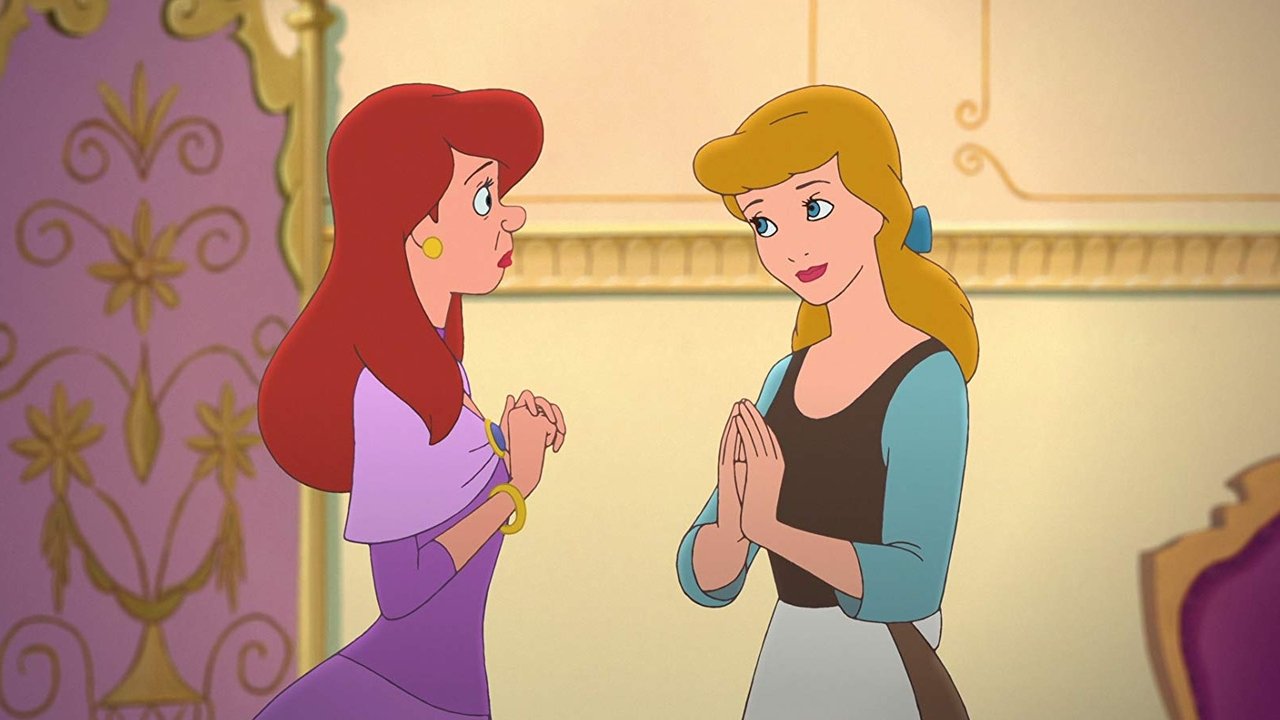
The film tries to tackle themes of authenticity and staying true to oneself, but these messages feel a bit hollow when the film itself feels like it’s trying to be something it’s not. It wants to be a "Modern Classic," but it’s really just a lighthearted revisit. For the completionist or the parent looking for a 74-minute babysitter, it’s harmless. For the cinephile, it’s a curious case study in how a studio manages a legacy. It’s not a disaster, but it is a reminder that you can’t bottle lightning twice—especially if you’re using a cheaper bottle the second time around.
Ultimately, Cinderella II: Dreams Come True is an oddity that survives on the strength of its predecessor’s shadow. It captures a specific moment in the early 2000s when the demand for "content" began to outpace the pursuit of art. While the Anastasia redemption arc is a genuine bright spot that deserves its place in the Cinderella canon, the rest of the film is a collection of charming but forgettable vignettes. It’s the kind of movie you remember liking as a kid, only to realize as an adult that your memories did a lot of the heavy lifting.
Keep Exploring...
-
Cinderella III: A Twist in Time
2007
-
Cinderella
1950
-
Just My Luck
2006
-
Tinker Bell
2008
-
Beauty and the Beast: The Enchanted Christmas
1997
-
Pocahontas II: Journey to a New World
1998
-
Final Fantasy: The Spirits Within
2001
-
Atlantis: Milo's Return
2003
-

The Ant Bully
2006
-
Shrek the Halls
2007
-

The Swan Princess
1994
-
Lady and the Tramp II: Scamp's Adventure
2001
-
Return to Never Land
2002
-
Kronk's New Groove
2005
-
Shrek the Third
2007
-
Aquamarine
2006
-
DuckTales: The Movie - Treasure of the Lost Lamp
1990
-
The Rescuers Down Under
1990
-
A Goofy Movie
1995
-
Pokémon: The First Movie
1998