City of God
"In the favela, even the shadows have teeth."
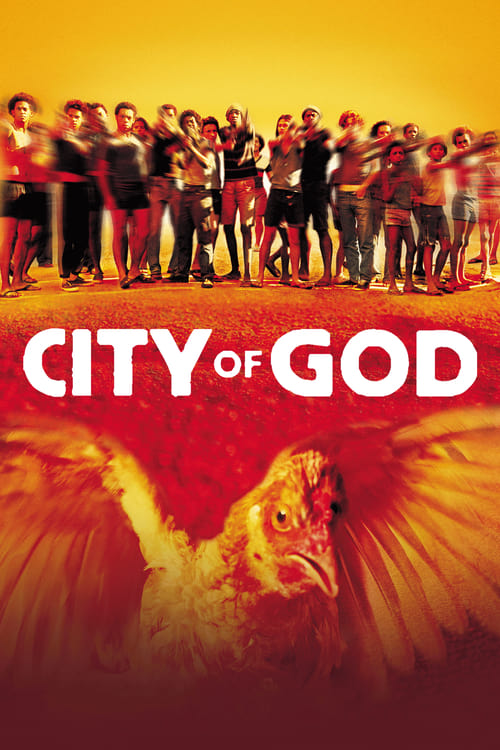
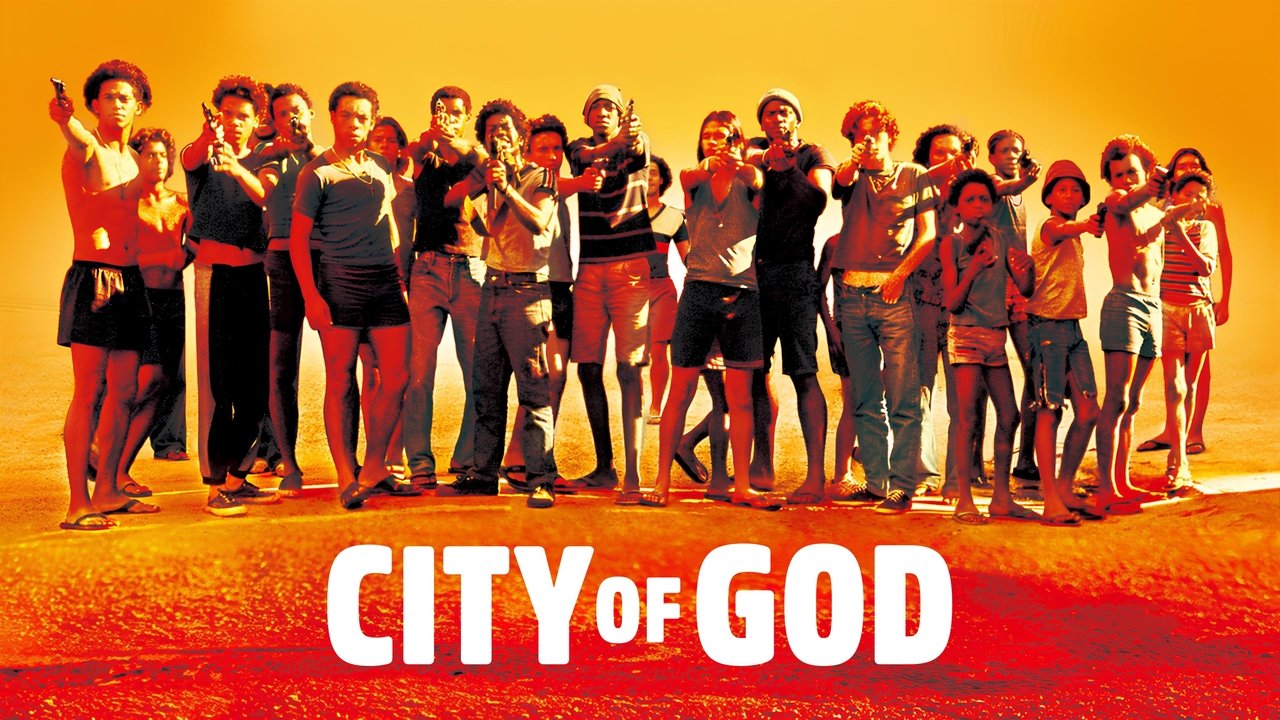
Forget the slow-burn prestige dramas of the early 2000s that took their time setting the table. City of God starts with a knife being sharpened against a stone and a chicken running for its absolute life through the dusty streets of Rio. It’s an opening that grabbed me by the throat when I first saw it in a cramped college dorm room, punctuated by the sound of my roommate loudly typing an essay and the smell of slightly overcooked microwave popcorn. Despite the distractions, I couldn't look away. I realized within ten minutes that Fernando Meirelles wasn’t just making a movie; he was capturing a lightning storm in a bottle.
Looking back from our current era of polished, algorithmic blockbusters, City of God feels like a jagged piece of glass. It arrived during that fascinating window where digital editing was becoming sophisticated enough to allow for hyper-kinetic storytelling, but before CGI started to iron out the beautiful, gritty imperfections of location shooting. It’s a film that breathes, sweats, and occasionally bleeds right onto the lens.
The Chaos of the Lens
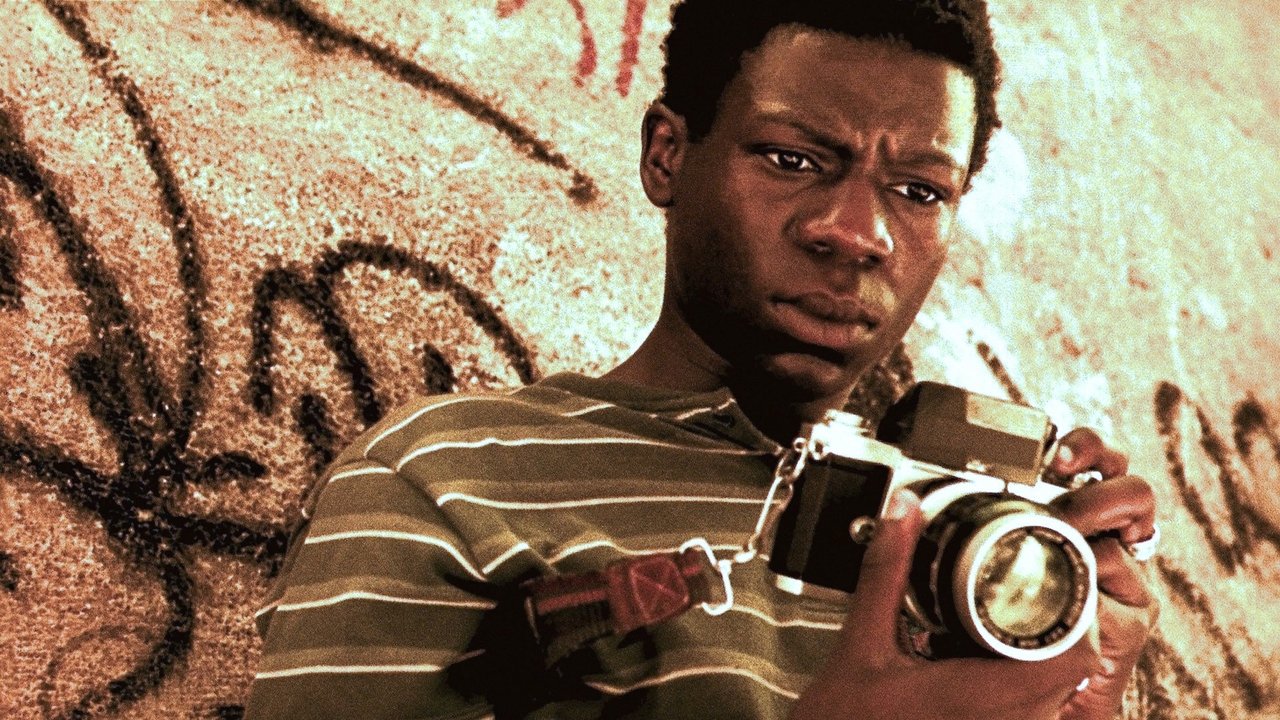
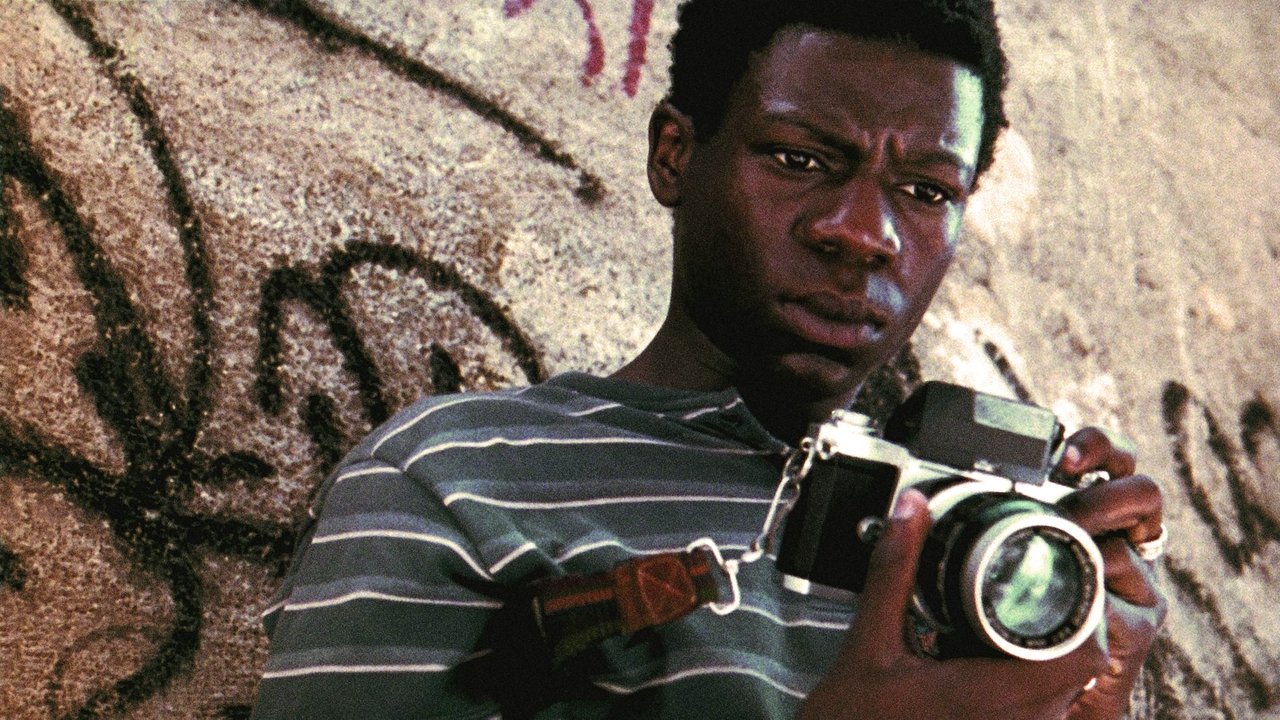
The story is anchored by Rocket, played with a quiet, observant grace by Alexandre Rodrigues. He wants to be a photographer, a dream that feels impossibly fragile in a neighborhood where the average life expectancy seems to be measured in weeks rather than decades. Through his eyes, we see the evolution of the favela from a sun-drenched, dusty community in the 60s to a neon-lit, drug-fueled war zone in the 70s and 80s.
The way Meirelles and cinematographer César Charlone (who earned one of the film's four surprise Oscar nominations) use color is brilliant without being flashy. The early scenes have this warm, sepia-toned nostalgia—the kind of golden hour glow that suggests a lost innocence. But as the cocaine and the guns move in, the palette turns cold, blue, and harsh. It’s a subtle shift that tells the story of a community’s soul being hollowed out, and it’s far more effective than any heavy-handed dialogue could ever be. I’ve always felt that most American crime epics look like sluggish stage plays in comparison to the raw, rhythmic energy found here.
A Villain Born of the Dirt
While Rocket is our guide, the film is dominated by the terrifying presence of Zé Pequeno, or Li'l Zé. Leandro Firmino gives a performance that honestly haunted my sleep for a few days. There is no "Tony Montana" glamour here. Zé isn't a charismatic anti-hero; he’s a byproduct of a broken system, a man whose only language is power and whose only currency is fear.
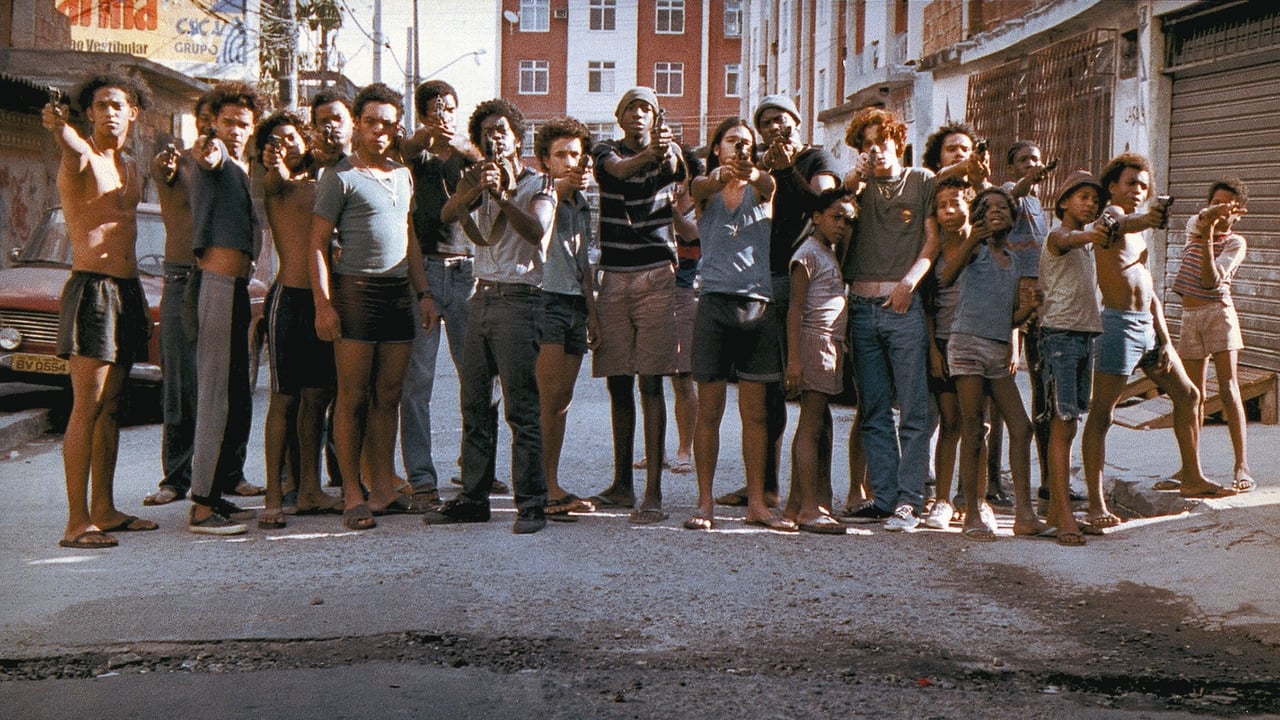
What makes it even more unsettling is the trivia behind the casting. Most of the actors weren't professionals; they were recruited from the actual favelas of Rio. Firmino himself was from the City of God and had no intention of being an actor before he accompanied a friend to the auditions. That lack of "theatricality" is the film's secret weapon. When you see the "Runts"—the group of armed children—roaming the streets, there’s an authenticity that makes your stomach churn. It’s a dark, intense look at how quickly a human being can be desensitized to horror when horror is all they’ve ever known.
The Prestige of the Streets
It’s easy to forget how much of a "prestige" underdog this movie was. In a rare move for the Academy, the film received its four nominations (Best Director, Adapted Screenplay, Cinematography, and Editing) in 2004, a full year after its initial limited US release. This was the peak of the Miramax era, where "World Cinema" was being aggressively pushed into the mainstream. Yet, City of God didn't feel like "awards bait." It felt like a dispatch from another planet.
The film's legacy is cemented by its structure. It’s a "Sundance generation" film that took the non-linear tricks of Tarantino and applied them to a sprawling, Dickensian narrative. You get these little side stories—like the tragedy of Benny (Phellipe Haagensen), the "coolest hood in Rio"—that flesh out the world until it feels three-dimensional. Apparently, the production was so committed to realism that they actually used a local gang leader to provide security for the film crew, as the police couldn't guarantee their safety in certain parts of the favela. Meirelles later admitted that if he had known the true level of danger they were in, he probably wouldn't have had the guts to shoot it on location.
This isn't just a "important" film you watch once to feel cultured; it’s a masterpiece of pacing and visual flair that rewards every repeat viewing. It captures that turn-of-the-millennium transition where filmmaking felt like it was breaking all its old rules to find a new, more urgent language. While the subject matter is undeniably grim, the vibrancy of the craft is exhilarating. It’s a reminder that even in a place where the "beast catches you," the act of seeing—of capturing a moment on film—can be its own kind of survival.

Keep Exploring...
-

Requiem for a Dream
2000
-
Memories of Murder
2003
-
L.A. Confidential
1997
-
The Green Mile
1999
-

Catch Me If You Can
2002
-
The Departed
2006
-
Trainspotting
1996
-
Elite Squad
2007
-
GoodFellas
1990
-

The Silence of the Lambs
1991
-
Carlito's Way
1993
-

Léon: The Professional
1994
-
The Shawshank Redemption
1994
-
Casino
1995
-
Heat
1995
-
The Usual Suspects
1995
-
Fargo
1996
-
This Is England
2007
-
The Dark Knight
2008
-
Prisoners
2013