Collateral Damage
"When justice fails, the fire begins."
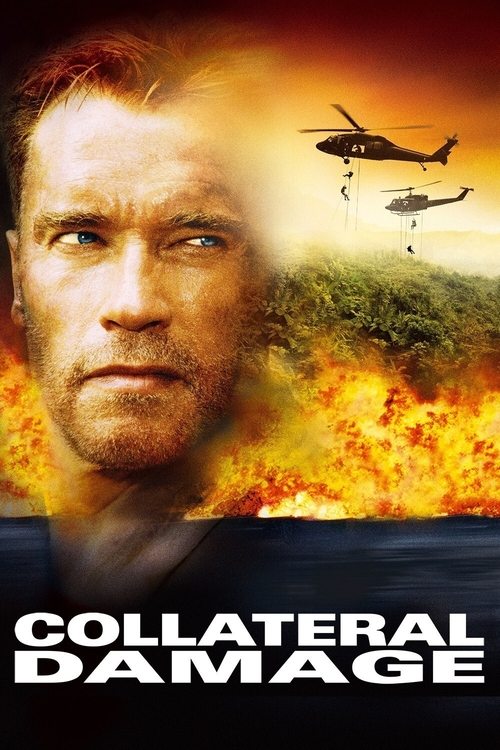
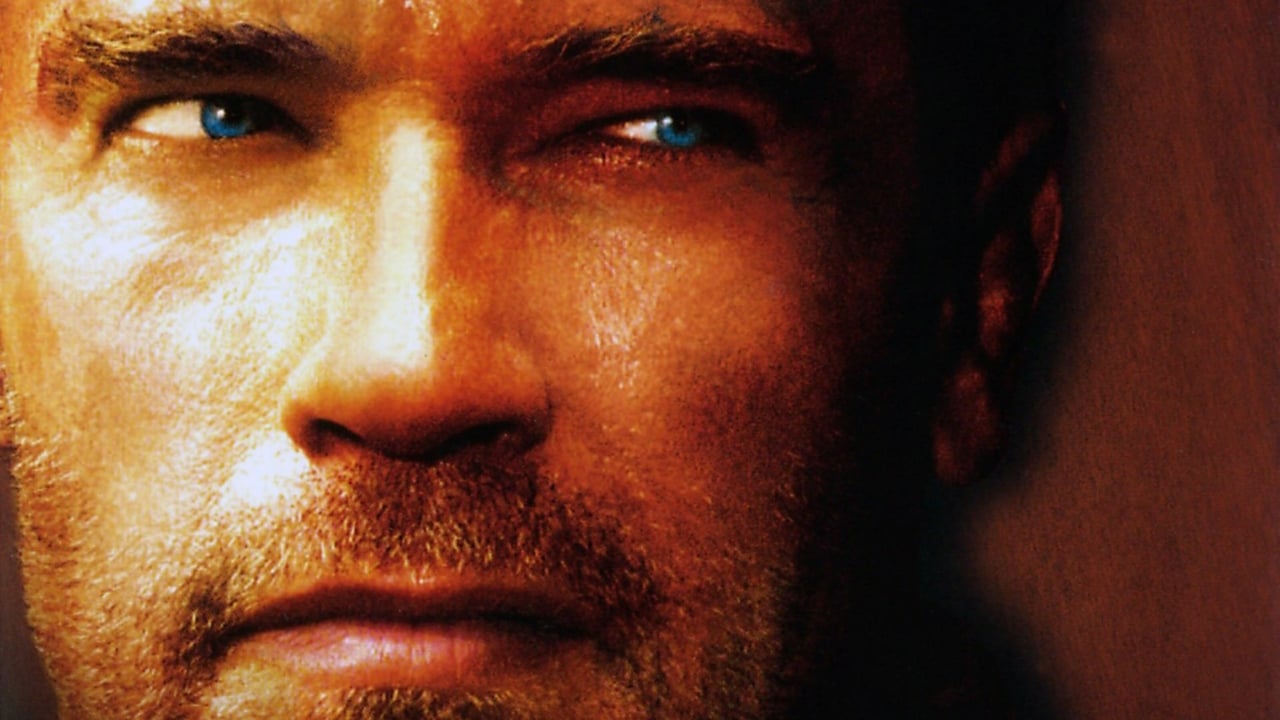
Imagine the most unfortunate timing in Hollywood history, and you’ll find yourself staring at the poster for Collateral Damage. This movie was originally slated for an October 2001 release, but the world changed on September 11, and suddenly, a film about a domestic terrorist bombing on American soil felt less like Friday night entertainment and more like a fresh wound. I watched this recently on a Tuesday evening while eating a bag of slightly stale pretzels that I suspect had been in the back of my pantry since the movie actually came out, and it struck me how much this film serves as a time capsule for an industry caught in a massive identity crisis.
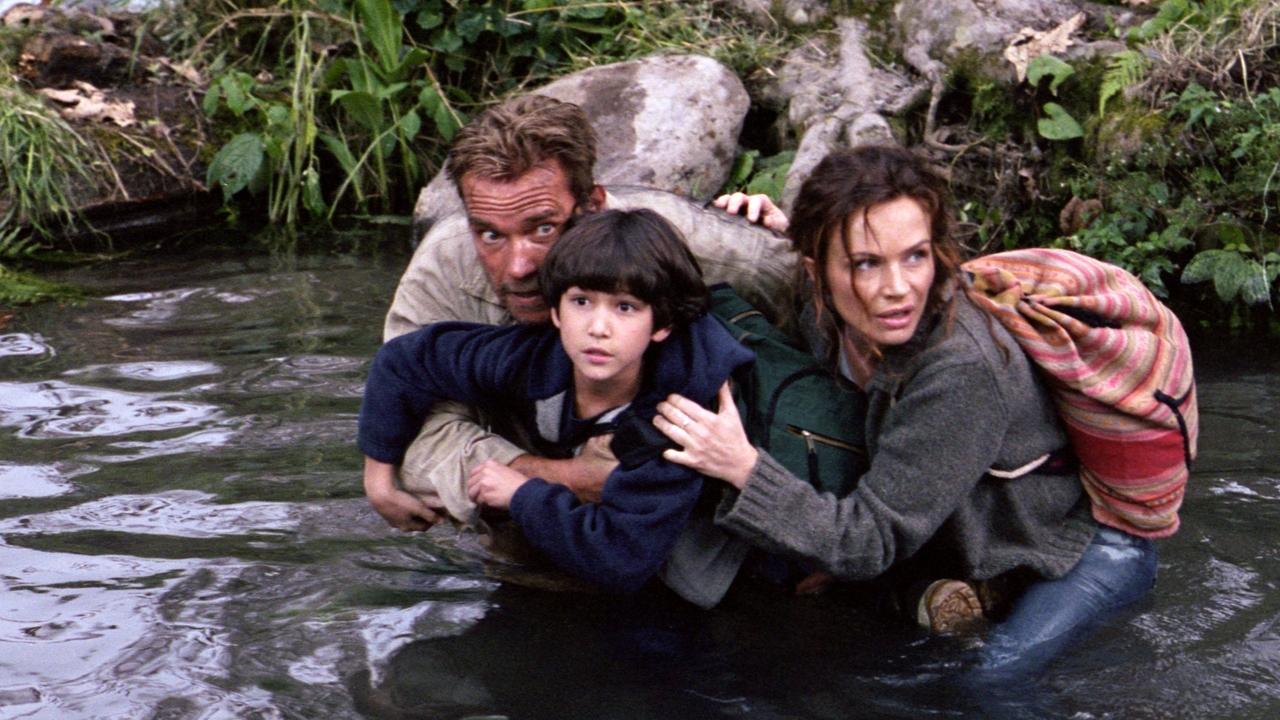
The Shadow of a Changing World
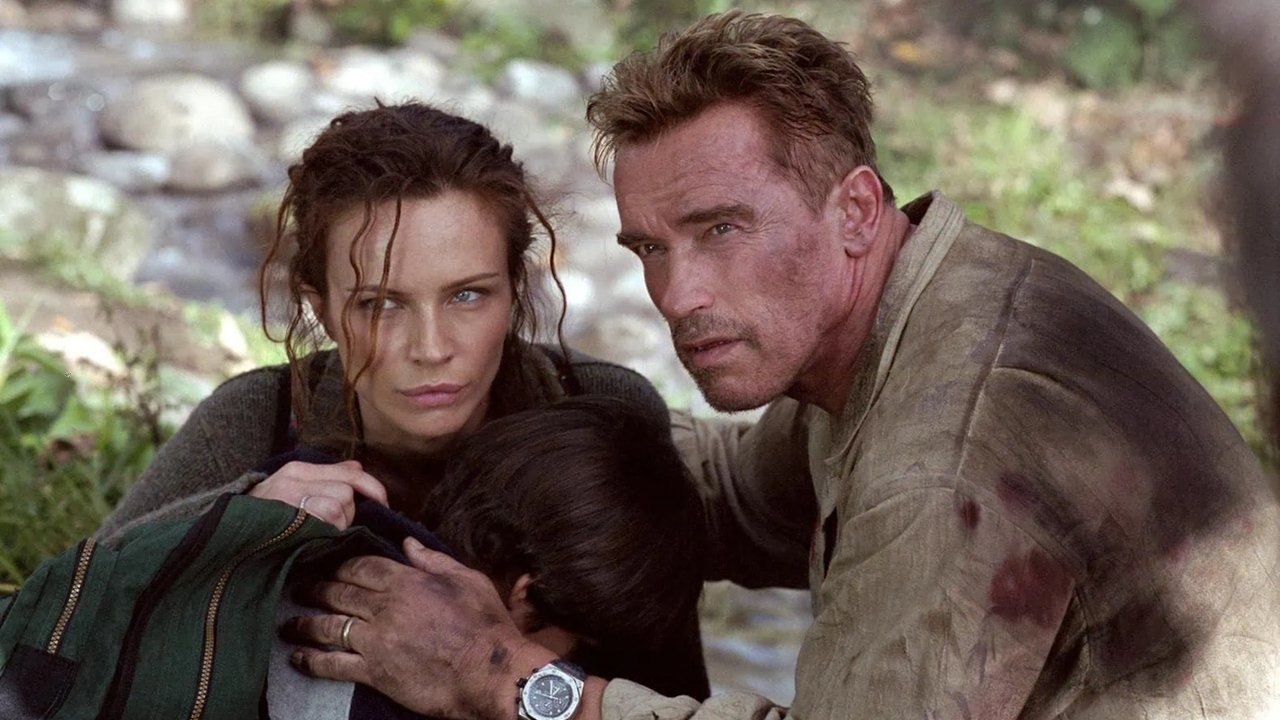
The delay from late 2001 to February 2002 didn’t just hurt the film's box office; it shifted the way we looked at Arnold Schwarzenegger. For two decades, we had been trained to watch Arnold dismantle entire armies with a cigar in his mouth and a one-liner on his lips. But here, he’s Gordon Brewer, a Los Angeles firefighter who watches his wife and son die in a bombing. The "Arnold" brand of action was built on a sense of invulnerability, yet Collateral Damage asks him to play a man whose primary motivation is a hollow, desperate grief.
Looking back, the film feels like it belongs to the late 90s—the "analog" era of action—but it was forced to debut in a post-9/11 landscape that had no patience for its specific brand of geopolitical simplicity. The studio even went as far as to scrub a scene featuring Sofia Vergara (in her film debut!) as an airplane hijacker because it was deemed too sensitive. What’s left is a film that feels strangely muted, as if it’s constantly apologizing for its own premise. It's a fascinating look at the exact moment the "invincible hero" trope began to crumble under the weight of real-world headlines.
A Different Kind of Arnold
In terms of performance, Arnold Schwarzenegger is actually trying here. He isn't playing a cyborg or a commando; he's a blue-collar guy who doesn't even pick up a gun for the first hour of the movie. Instead, he uses his "MacGyver" firefighter skills to build improvised explosives and gadgets. My favorite hot take: Arnold trying to look devastated in a charred rubble pile is the pinnacle of his dramatic "eyebrow-acting" career. You can see him working hard to sell the sorrow, but he’s still a mountain of a man who looks like he could crush a villain’s skull with two fingers.
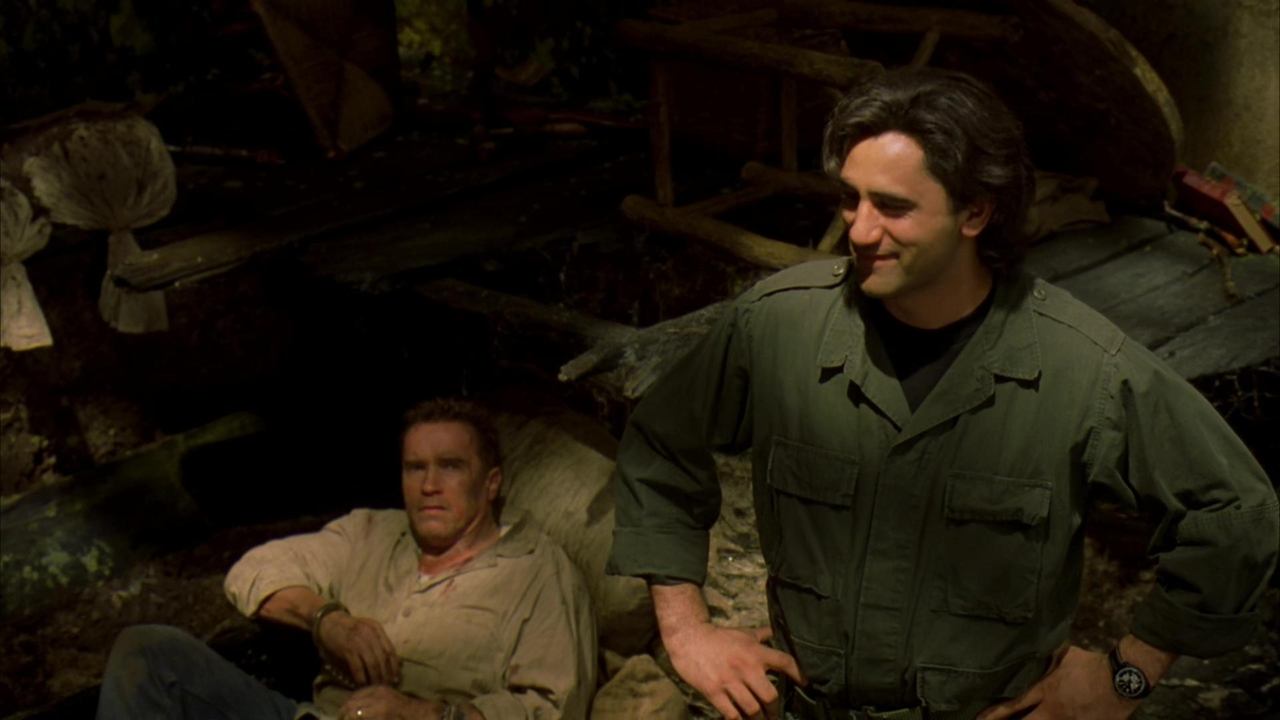
The supporting cast is where the film really shines, and it’s a bit of a "Who's Who" of character actors. Elias Koteas (who I’ll always love as Casey Jones in Teenage Mutant Ninja Turtles) is fantastic as a cold-blooded CIA agent. Then you have John Leguizamo—who gave us that frantic energy in Romeo + Juliet—showing up as a cocaine-processing plant manager who loves disco. And let’s not forget John Turturro, who seems to have walked in from a completely different movie. He plays a paranoid, Canadian-born mechanic in the Colombian jungle, and his five minutes of screen time are more entertaining than most full-length comedies.
The Andrew Davis Touch
Director Andrew Davis, the man who gave us the pitch-perfect pacing of The Fugitive and the heavy-hitting Under Siege, brings a groundedness to the proceedings. He prefers practical explosions and real locations, which gives the film a grit that today's CGI-saturated blockbusters lack. When a building blows up in an Andrew Davis movie, you feel the heat. There’s a sequence involving a waterfall that feels like a spiritual successor to the dam jump in The Fugitive, only this time it’s Arnold plunging into the abyss.
However, the film struggles with its own internal logic. Gordy Brewer somehow navigates the Colombian jungle, infiltrates a rebel camp, and becomes a trusted member of a terrorist cell with the ease of a man ordering a latte. The logic that a firefighter can out-spy the CIA because he’s "mad enough" is the kind of early-2000s nonsense I live for. It’s the transition point between the 80s "one-man army" and the modern, more tactical action hero.
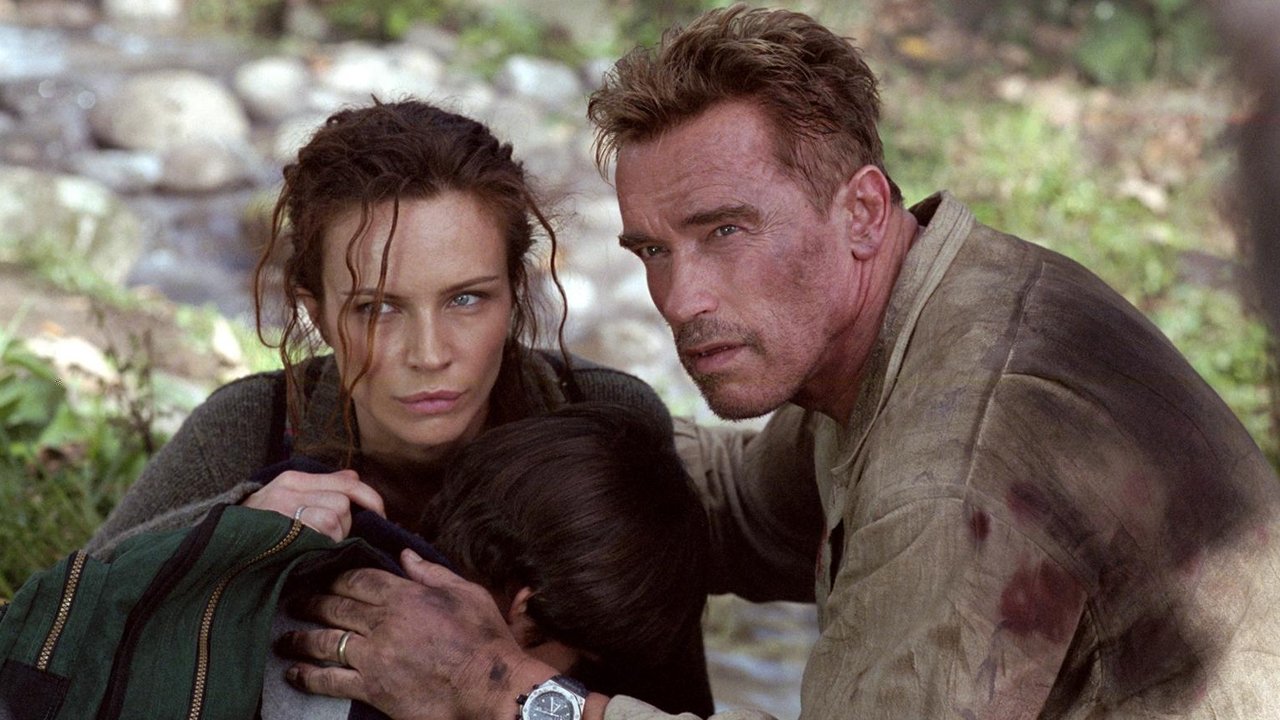
The cinematography by Adam Greenberg, who lensed Terminator 2: Judgment Day, is solid, capturing the humid, claustrophobic greenery of the jungle. But the film’s score by Graeme Revell feels a bit generic, lacking the iconic themes that usually accompanied Arnold’s adventures. It’s a movie that does everything competently but lacks that "it" factor that would have made it a classic.
Ultimately, Collateral Damage is a middle-of-the-road thriller that is mostly notable for what was happening behind the scenes. It’s an Arnold flick for the completist, a story that tried to be "serious" at a time when the world was far more serious than the filmmakers ever anticipated. It’s not a masterpiece, and it’s not a disaster; it’s a sturdy, well-acted B-movie that got caught in the gears of history. If you're looking for a dose of early-2000s grit with a side of bizarre character actor cameos, it's worth a look for the curiosity factor alone.
The ending attempts a twist that you’ll probably see coming from a mile away if you’ve watched more than three thrillers in your life, but Francesca Neri and Cliff Curtis play their roles with enough conviction to make it land. It’s a film about the cycle of violence that doesn't quite have the courage to say anything profound about it. Instead, it settles for a final showdown that reminds us why we paid to see Arnold in the first place: things blow up, the bad guys lose, and the hero stands tall amidst the smoke. It's a comfort watch for a world that had suddenly become very uncomfortable.
Keep Exploring...
-
A Perfect Murder
1998
-
The Hunted
2003
-
Chain Reaction
1996
-
The 6th Day
2000
-
Sabotage
2014
-
Conspiracy Theory
1997
-
Volcano
1997
-
The Siege
1998
-
The Sum of All Fears
2002
-
Basic
2003
-
The Kingdom
2007
-
Behind Enemy Lines
2001
-
The Score
2001
-
Walking Tall
2004
-

Domino
2005
-
Backdraft
1991
-
The Guardian
2006
-

Double Impact
1991
-

Hackers
1995
-
The Quick and the Dead
1995