Confessions of a Dangerous Mind
"Gameshow legend by day. CIA hitman by night."
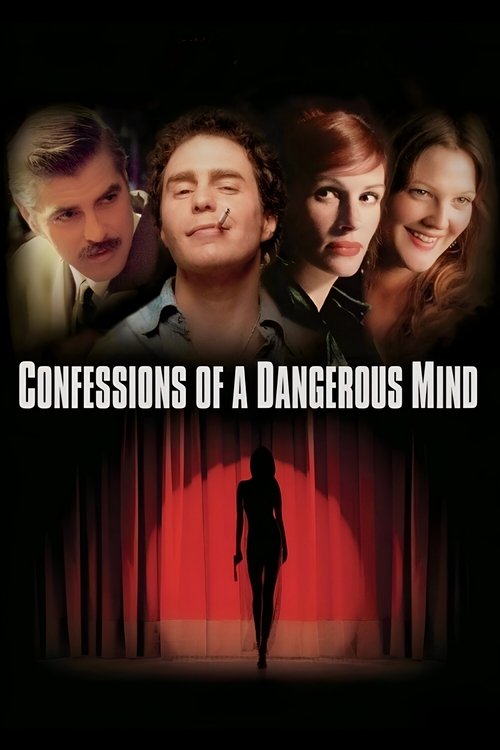
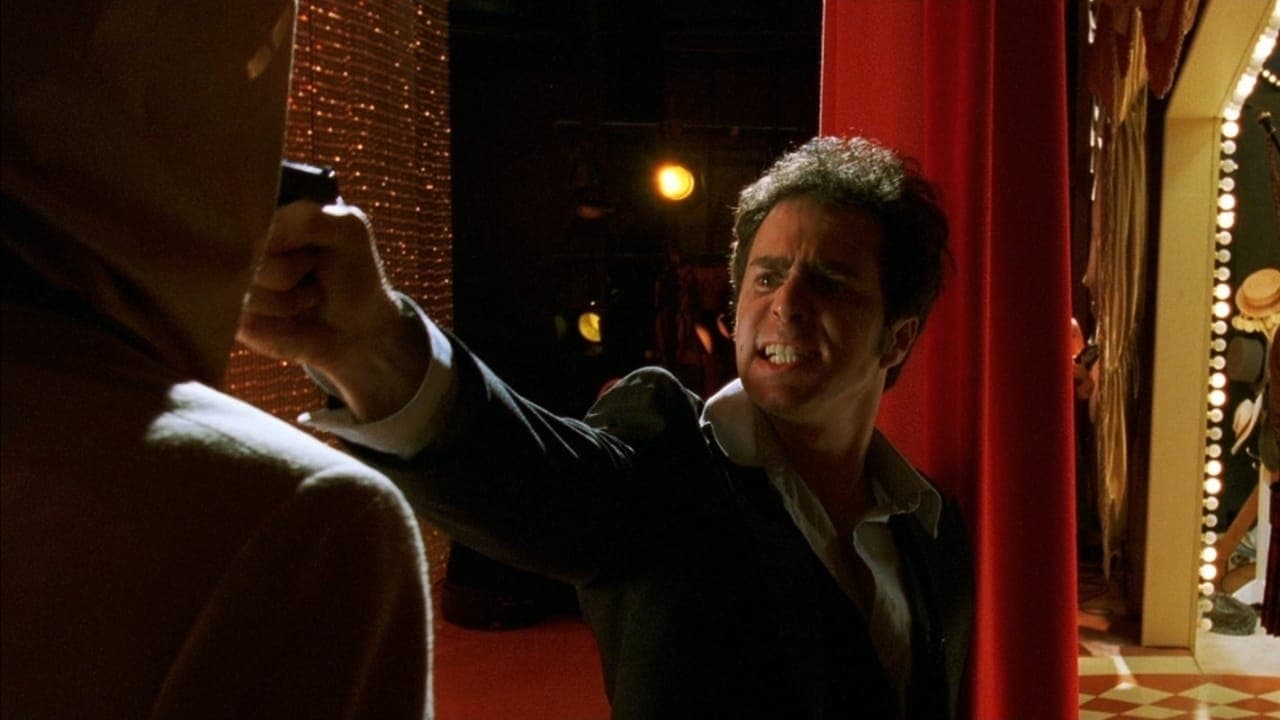
The 1970s was a decade of profound national rot, but if you were watching ABC, it looked like a neon-lit fever dream of low-stakes humiliation. At the center of it all was Chuck Barris, a man who essentially invented the "trash TV" genre with The Dating Game and The Newlywed Game. But according to his "unauthorized autobiography," while the rest of America was wondering if the bachelor would pick bachelorette number three, Barris was in the back of a Helsinki alleyway putting a bullet in a Soviet agent.
The Man with Two Faces (and One Gong)
When I first sat down to watch Confessions of a Dangerous Mind, I had just finished a bag of slightly burnt salt-and-vinegar chips that left my tongue feeling like it had been sanded down. Somehow, that stinging, acidic sensation perfectly matched the movie’s aesthetic. This isn't your standard "great man" biopic; it’s a jittery, paranoid, and often hilarious exploration of a man who might be the most successful liar in history.
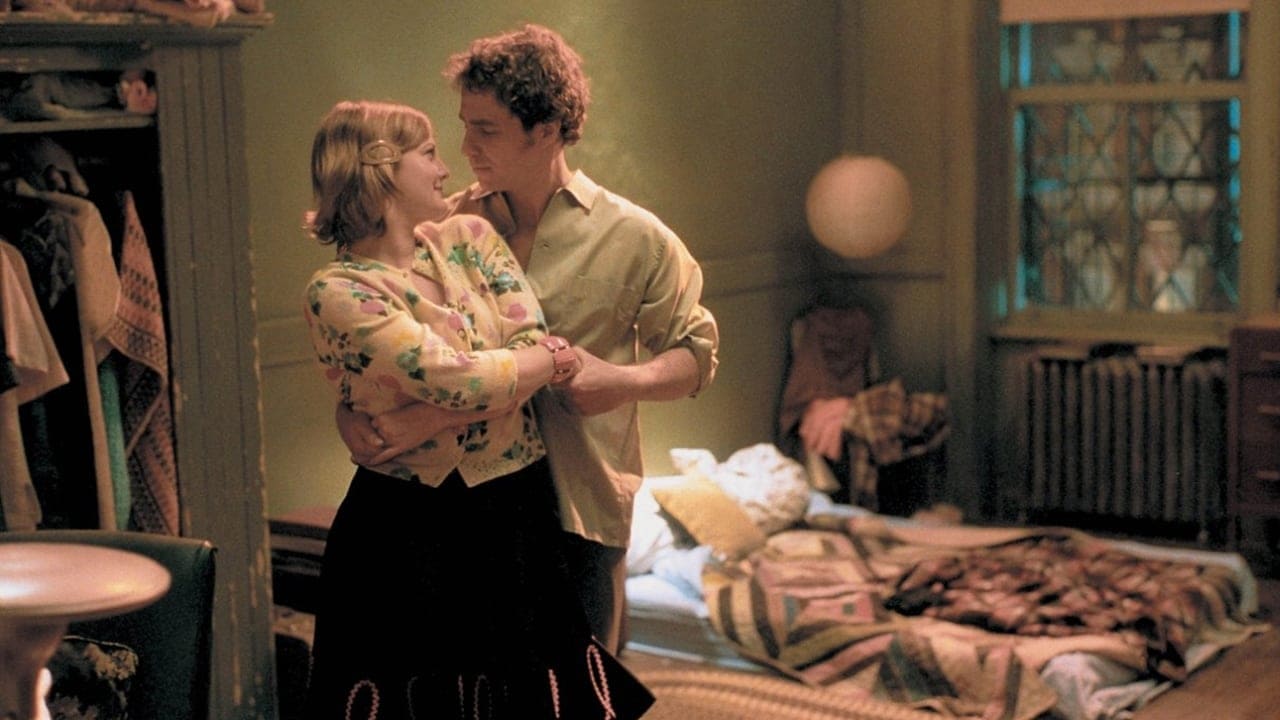
Sam Rockwell delivers the kind of performance that should have made him an immediate A-list superstar. As Barris, he’s a twitchy ball of nervous energy, charming enough to talk his way into a network executive’s office but pathetic enough to feel like he’s constantly drowning. He plays Barris as a man desperate for validation, whether that comes from a studio audience’s applause or a nod of approval from his CIA handler. Rockwell manages to make Barris’s existential crisis feel real, even when the scenarios around him are utterly absurd.
Clooney’s Secret Weapon: The Visuals
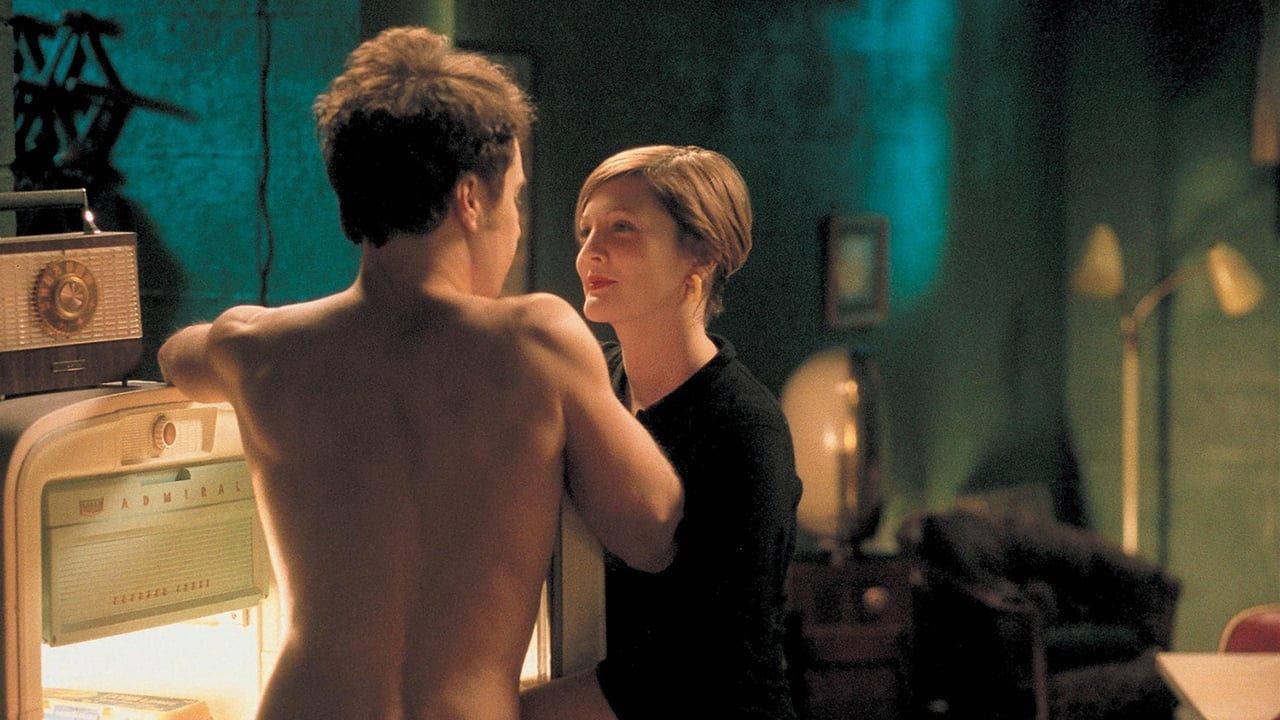
For a directorial debut, George Clooney showed an incredible amount of restraint and style that he arguably hasn't topped since. He didn't just point a camera at actors; he worked with cinematographer Newton Thomas Sigel to create a visual language that distinguishes Barris’s two lives. The "TV world" is bathed in garish, oversaturated oranges and yellows that make you feel the heat of the studio lights, while the "CIA world" is cold, desaturated, and draped in oppressive blues.
What’s truly impressive, looking back from our era of CGI-everything, is how many of the film's transitions were done in-camera. There’s a sequence where Sam Rockwell walks from a dressing room directly onto a set that shouldn't be there, achieved through clever set construction rather than a green screen. It gives the movie a tactile, theatrical quality that grounds the more outlandish elements of the script. The transition from analog to digital filmmaking was just beginning, and Clooney chose to stick to the old-school magic tricks.
The script, penned by the legendary Charlie Kaufman, is predictably brilliant. It captures the transition from the 1960s to the 1970s not through history books, but through the evolving landscape of American boredom. Kaufman treats the CIA claims not as a factual mystery to be solved, but as a psychological symptom. It doesn't matter if Barris actually killed 33 people; it matters that he needed to believe he did to justify his life.
The Miramax Era’s Forgotten Gem
This film landed right in the middle of the "Indie Renaissance," a time when studios like Miramax were throwing money at mid-budget, auteur-driven projects that simply don't get made today. It was a period when a movie could be a comedy, a thriller, and a historical drama all at once without a marketing department having a nervous breakdown. Confessions of a Dangerous Mind is a relic of that creative freedom.
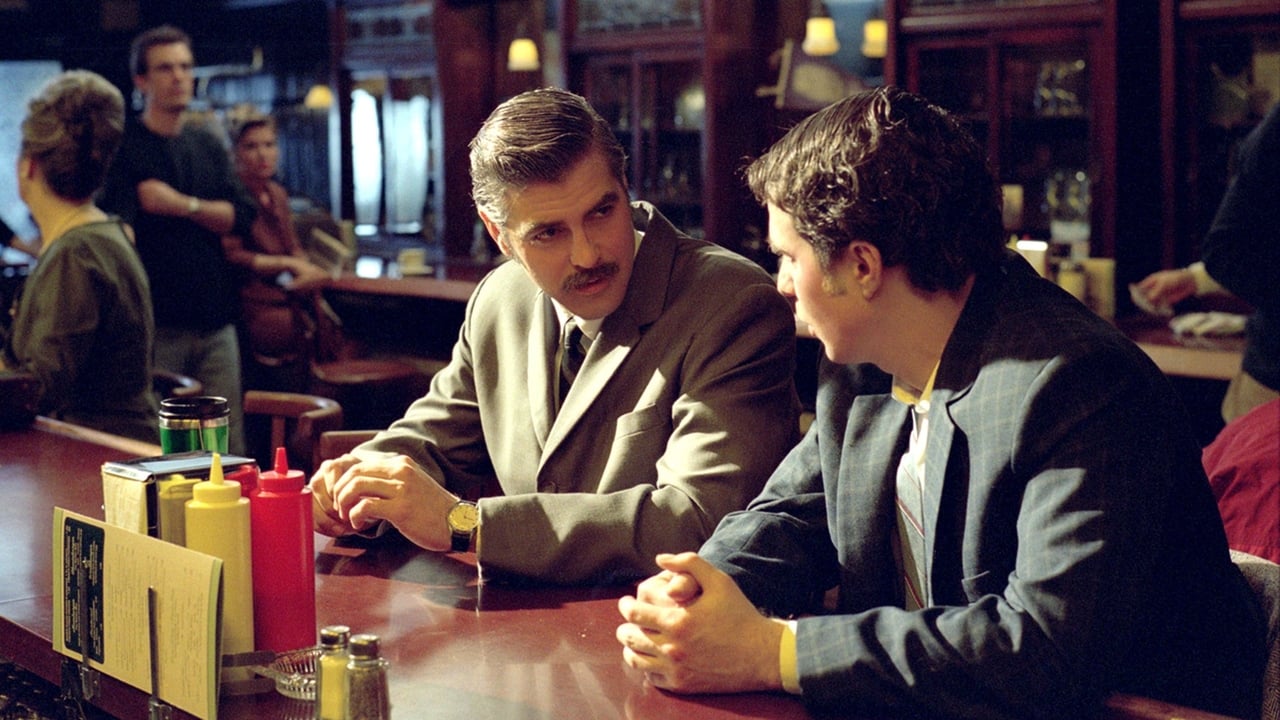
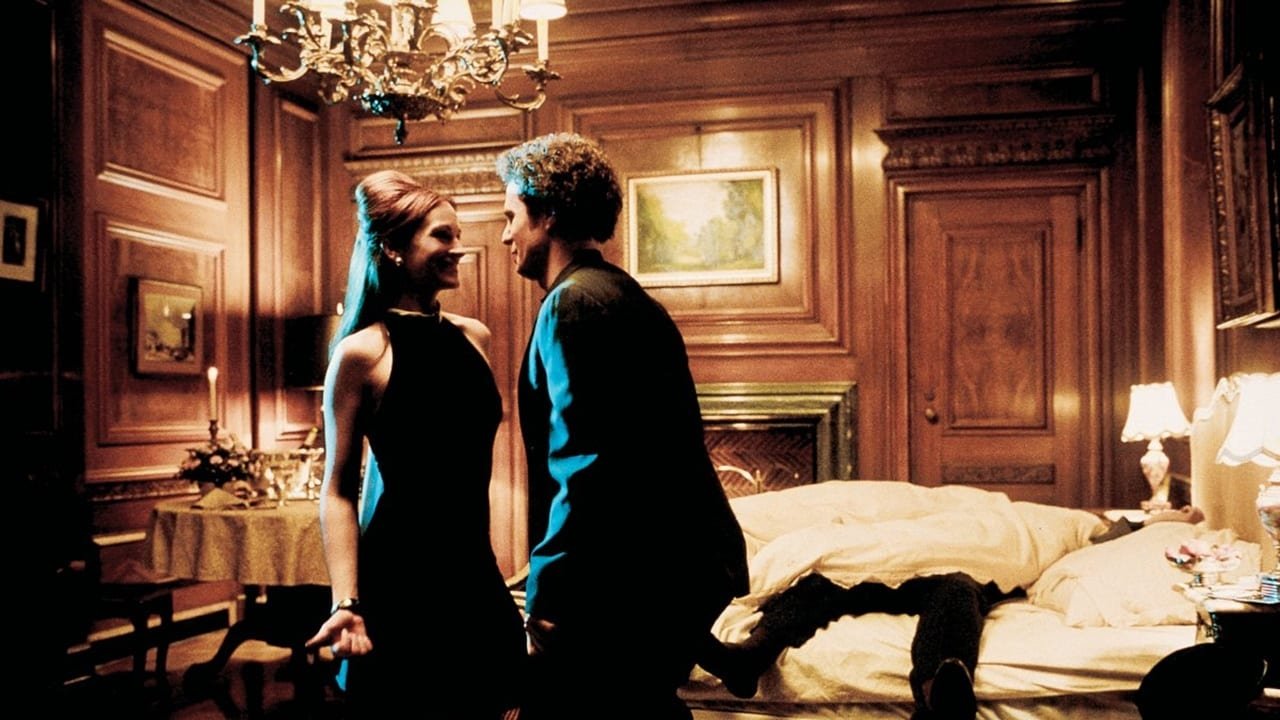
The supporting cast is an embarrassment of riches. Drew Barrymore provides the film’s only genuine heart as Penny, the woman who loves Barris despite his obvious insanity. On the flip side, Julia Roberts shows up as a mysterious femme fatale, playing against her "America's Sweetheart" type with a cold, sharp edge. And then there’s George Clooney himself, playing the CIA recruiter Jim Byrd with a stiff, impenetrable stillness that makes him look like he was carved out of granite.
Despite the star power and the critical acclaim, the film never quite found its audience. It was too weird for the mainstream and perhaps too "Hollywood" for the hardcore indie crowd. It’s a movie about the birth of reality TV that somehow got buried by the very culture it was satirizing.
Stuff You Didn't Notice
One of the most fascinating choices Clooney made was to intersperse the fictional narrative with real-life interviews from people who actually knew Barris, like Dick Clark. These "talking head" segments add a layer of mockumentary grit that makes you question the "truth" even more. Interestingly, George Clooney directed the film for a fraction of his usual fee to ensure the $30 million budget stayed on screen, and he spent months screen-testing various actors before landing on Rockwell, despite the studio's desire for a bigger name like Johnny Depp or Ben Stiller.
Also, keep an eye out for a blink-and-you'll-miss-it cameo from Brad Pitt and Matt Damon as bachelors on a dating show. It’s a fun nod to the "Ocean’s Eleven" brotherhood, but it also underscores the film's theme: in the world of Chuck Barris, everything is a show, and everyone is just playing a part.
Confessions of a Dangerous Mind is a stylish, cynical, and deeply weird look at the cost of fame and the lies we tell ourselves to stay sane. It’s the kind of mid-budget adult drama that has largely vanished from the theatrical landscape, replaced by franchises and low-budget horror. If you want to see Sam Rockwell at the height of his powers and George Clooney proving he was more than just a handsome face, this is a "top secret" worth uncovering.
It reminds me that the most dangerous thing about Chuck Barris wasn't his silenced pistol—it was his ability to make us watch a man hit a gong for three hours and call it entertainment.
Keep Exploring...
-
Good Night, and Good Luck.
2005
-

United 93
2006
-
In the Valley of Elah
2007
-
Matchstick Men
2003
-
I Love You Phillip Morris
2010
-
Kill the Messenger
2014
-

The Mexican
2001
-

Mona Lisa Smile
2003
-

Charlie Wilson's War
2007
-

The Mafia Kills Only in Summer
2013
-
Breakdown
1997
-
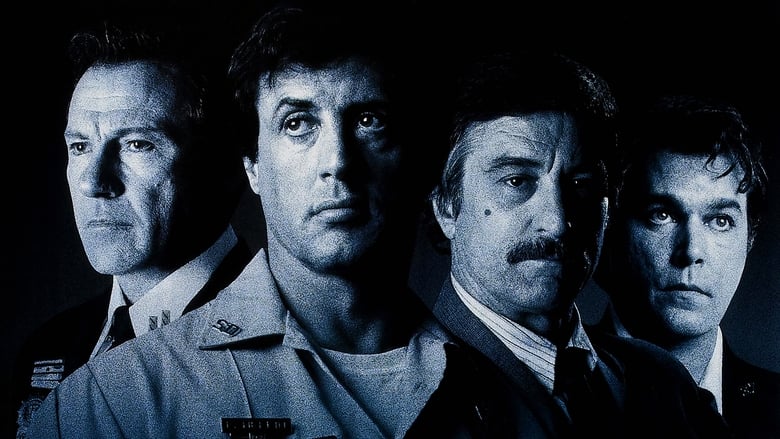
Cop Land
1997
-
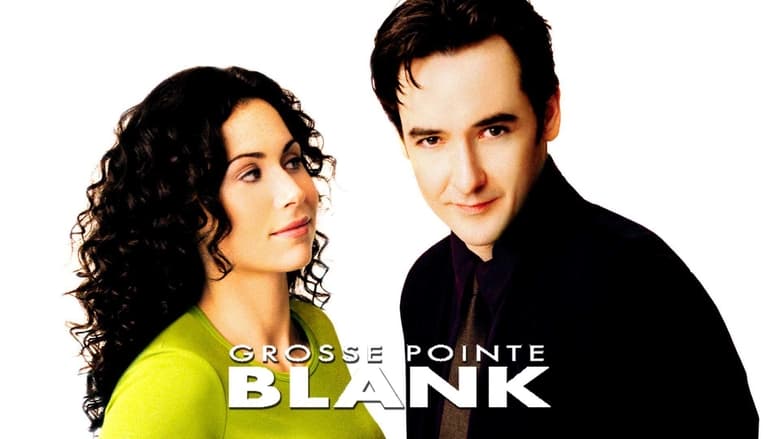
Grosse Pointe Blank
1997
-
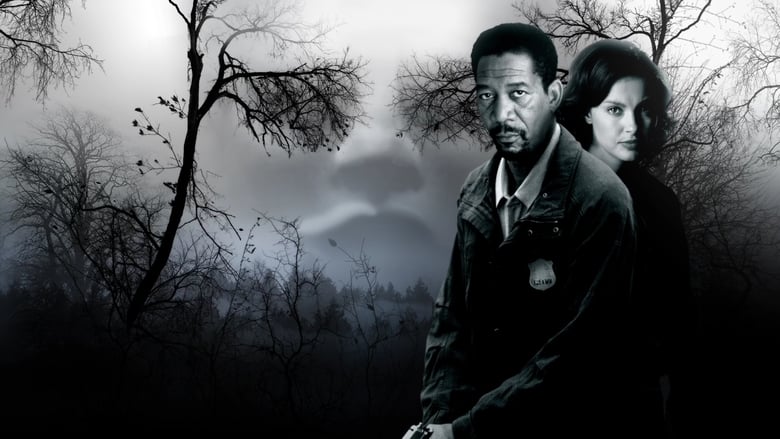
Kiss the Girls
1997
-
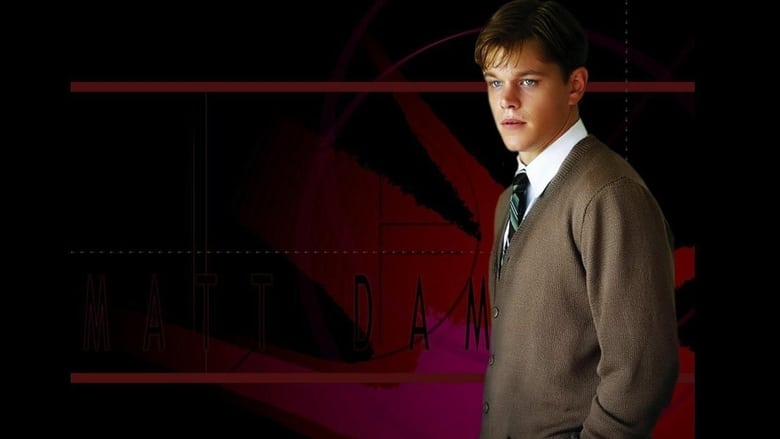
The Rainmaker
1997
-
A Simple Plan
1998
-

EverAfter
1998
-
Fallen
1998
-
Out of Sight
1998
-
Arlington Road
1999