Die Another Day
"Invisible cars, ice palaces, and Bond’s identity crisis."
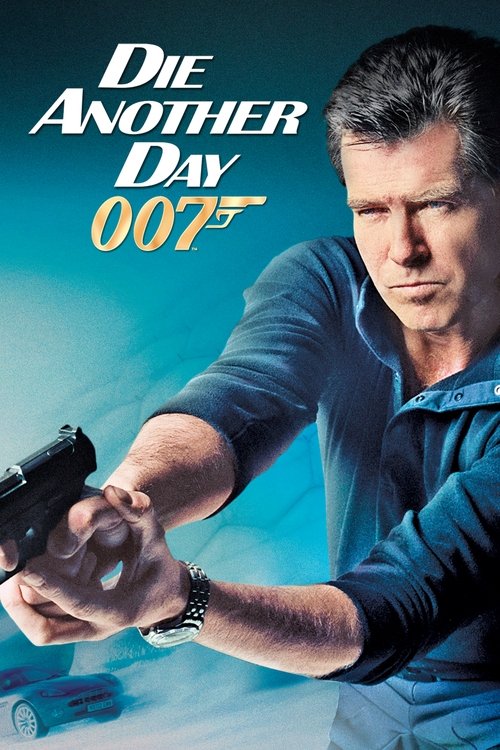
The opening ten minutes of Die Another Day might be the most deceptive bait-and-switch in cinematic history. We start with a dark, moody infiltration of the North Korean DMZ that ends with Pierce Brosnan being captured, tortured, and abandoned by his own government. It was 2002; the world was still reeling from the events of 9/11, and the Bond franchise seemed ready to embrace a grittier, more vulnerable version of the super-spy. I remember watching the title sequence—where Bond is literally being dunked in ice water and stung by scorpions while Madonna sings about sigmund freud—and thinking we were in for a heavy-duty deconstruction of 007.
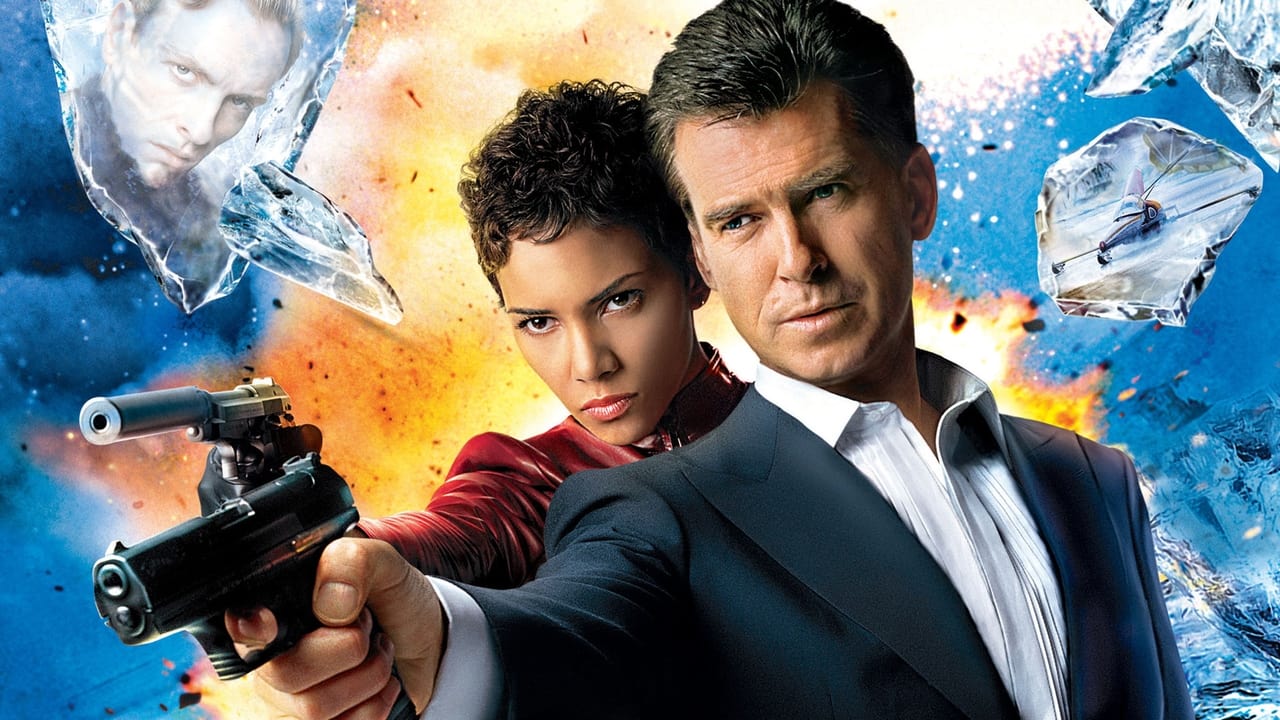
Then, Bond escapes a medical ship in Hong Kong, grows a Robinson Crusoe beard, and the movie decides that "gritty" is boring and "batshit crazy" is the future. By the time we get to the invisible Aston Martin, I realized I wasn't watching a spy thriller; I was watching a live-action cartoon that had accidentally inhaled a crate of glitter.
The Grit Before the Glitz
The first act genuinely holds up. Lee Tamahori, coming off the cult success of Once Were Warriors, brings a jagged, aggressive energy to the early action. The hovercraft chase through a minefield is a spectacular piece of practical stunt work. There’s a physical weight to the explosions and the way the craft skip across the terrain that feels "classic Bond." When Bond is eventually traded for the villainous Rick Yune (playing Zao, a man with diamonds literally embedded in his face), the film feels like it has something to say about the cost of the Cold War's leftovers.
Even the introduction of Halle Berry as Jinx—emerging from the waves in a direct, high-definition homage to Ursula Andress in Dr. No—feels like a celebration of the franchise's 40-year legacy. At the time, Berry was the biggest star in the world, fresh off an Oscar win, and her chemistry with Pierce Brosnan is palpable. However, the script by Robert Wade and Neal Purvis starts leaning heavily into the "Modern Cinema" tropes of the early 2000s: rapid-fire quips that land with a thud and a reliance on high-tech gadgets that look like they were designed by someone who just discovered the internet.
A Collision of Practical Craft and Digital Chaos

As the production moves to an ice palace in Iceland, the film enters a tug-of-war between impressive physical sets and the "CGI Revolution." The ice palace itself is a marvel of production design—a massive, shimmering structure that actually feels cold. But then we get the "Icarus" satellite, a space weapon that looks like a giant magnifying glass, and the movie's visual integrity begins to crumble.
I watched the "Inside Die Another Day" special features on the DVD recently—back when DVD extras were the primary way we learned about film literacy—and the crew was clearly so proud of the digital work. But looking back, the CGI surfing sequence looks like a PlayStation 2 cutscene having a nervous breakdown. It’s the moment the film loses its tether to reality. Bond kite-surfing a glacial tsunami is where the franchise jumped the shark, or rather, para-sailed over it. It’s a shame because the sword fight between Bond and Toby Stephens (Gustav Graves) is legitimately one of the best-choreographed fights in the entire series. They used real blades and actually smashed up the set; Pierce Brosnan even took a hit to the face during filming that required stitches. When the film sticks to people hitting each other, it’s great. When it tries to use 2002 computers to simulate physics, it’s a disaster.
The 40th Anniversary Hangover
This was the 20th Bond film, and it’s buried under the weight of its own references. There’s a jetpack from Thunderball in the background, a book by the real James Bond (the ornithologist) on a desk, and dozens of other nods that feel less like a "love letter" and more like a cluttered attic. Rosamund Pike, in her film debut as Miranda Frost, is a standout, playing the "ice queen" role with a sharp, cynical edge that the rest of the movie lacks. It’s hard to believe this was her first major gig; she’s more composed than the $142 million spectacle swirling around her.

Ultimately, Die Another Day is the cinematic equivalent of a mid-life crisis. It was trying to compete with the extreme sports energy of xXx and the techno-thriller vibes of The Matrix, but in doing so, it forgot that Bond’s greatest strength is his elegance. I once watched this film on a tiny portable DVD player during a power outage, and the low resolution actually helped hide the bad CGI, making it feel more like a fever dream than a blockbuster.
Despite the tonal whiplash, the film was a massive hit. It pulled in over $431 million globally, becoming the highest-grossing Bond film up to that point. Audiences loved the spectacle, even if the critics were starting to sharpen their knives. It’s a fascinating time capsule of the Y2K era—the fashion is questionable, the Madonna cameo is baffling, and the technology is pure fantasy. It was so over-the-top that EON Productions had no choice but to blow everything up and start over with Casino Royale four years later.
If you treat Die Another Day as a high-budget comedy, it’s an absolute blast. The sheer audacity of the "Vanish"—an invisible car that somehow works through a series of tiny cameras and LCD screens—is the kind of logic-defying nonsense that makes for a great movie night with friends and a few drinks. It’s not a "good" Bond movie in the traditional sense, but it’s an unforgettable one. It represents the absolute ceiling of the "gadget era" before the world decided it wanted its spies to be miserable and bruised again. Watch it for the sword fight, laugh at the tsunami, and appreciate the end of an era.

Keep Exploring...
-
Tomorrow Never Dies
1997
-

The World Is Not Enough
1999
-
GoldenEye
1995
-
Quantum of Solace
2008
-
Casino Royale
2006
-

Skyfall
2012
-
Spectre
2015
-
Live and Let Die
1973
-
Moonraker
1979
-
For Your Eyes Only
1981
-
Never Say Never Again
1983
-
Octopussy
1983
-
A View to a Kill
1985
-
No Time to Die
2021
-
Thunderball
1965
-
You Only Live Twice
1967
-
The Spy Who Loved Me
1977
-
The Living Daylights
1987
-
Licence to Kill
1989
-
The Man with the Golden Gun
1974