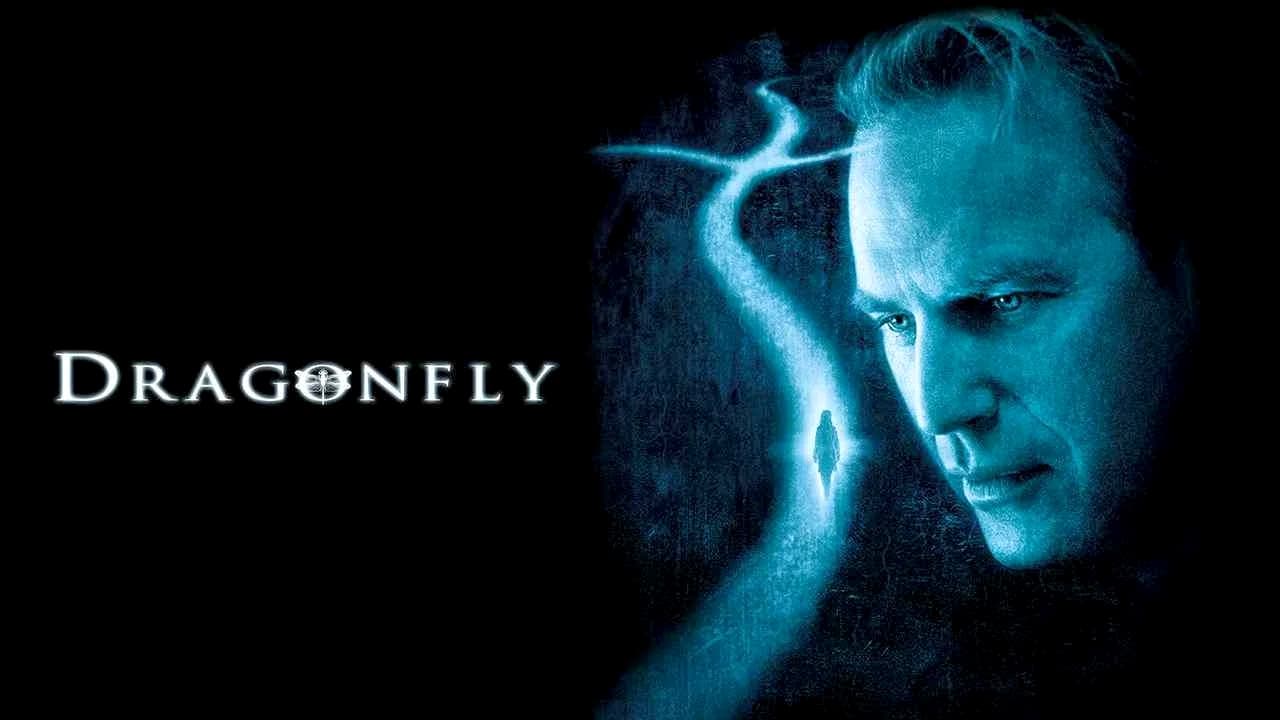
Dragonfly
"The dead don't stay silent for long."
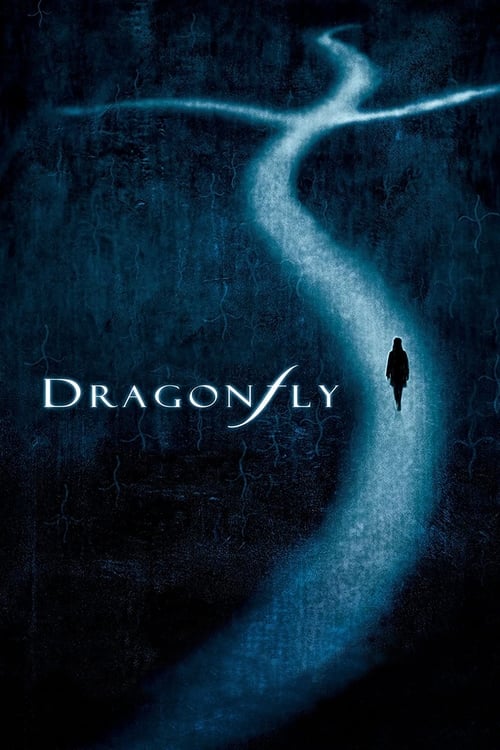
I watched Dragonfly on a Sunday afternoon while trying to ignore the fact that my neighbor was power-washing his driveway for four consecutive hours. The rhythmic thrum-woosh of the water outside actually provided a strangely fitting ambient soundtrack for a film that is obsessed with the sounds of the afterlife—the scratching of a fingernail on a hospital bed, the rustle of wings, and the hollow echoes of a grieving man’s house.
Released in February 2002, Dragonfly arrived at a very specific crossroads in cinema. We were just a few years past the seismic impact of The Sixth Sense, and Hollywood was desperate to find another "supernatural thriller with a heart of gold." At the same time, the world was still reeling from the collective trauma of 9/11, and audiences were particularly primed for stories about finding closure with those who had been suddenly, tragically taken.
The Costner Stoicism
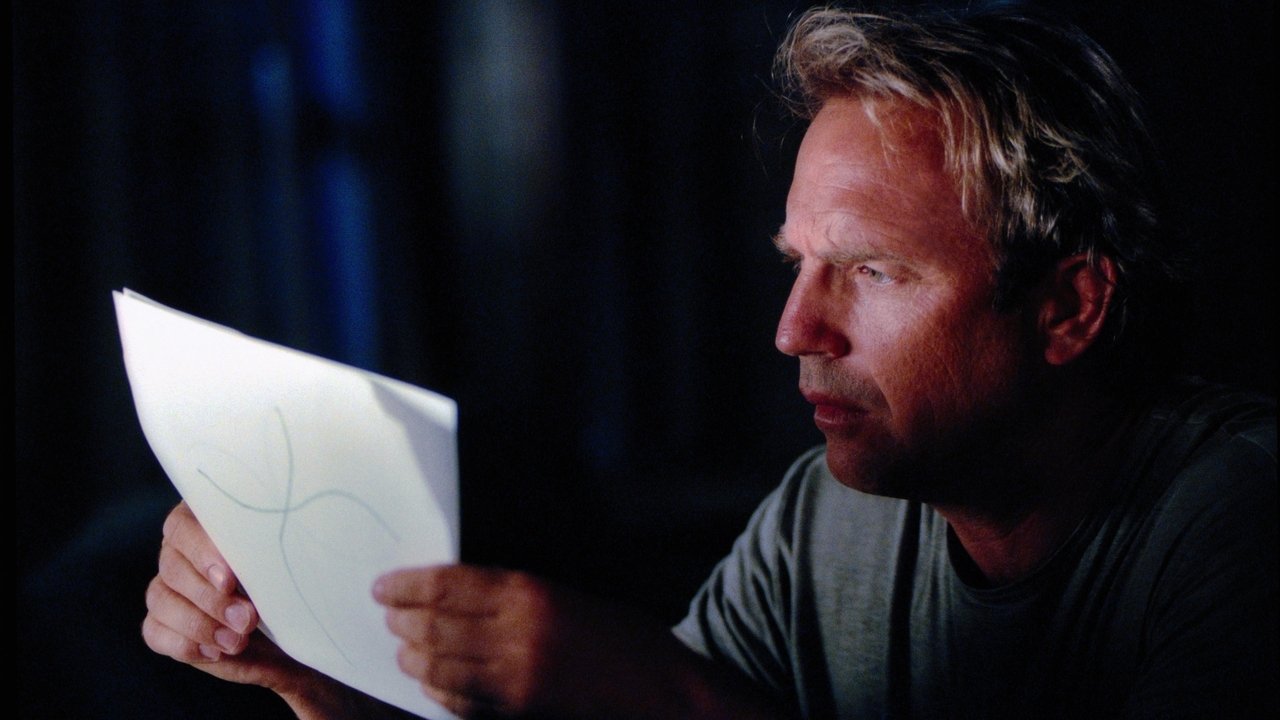
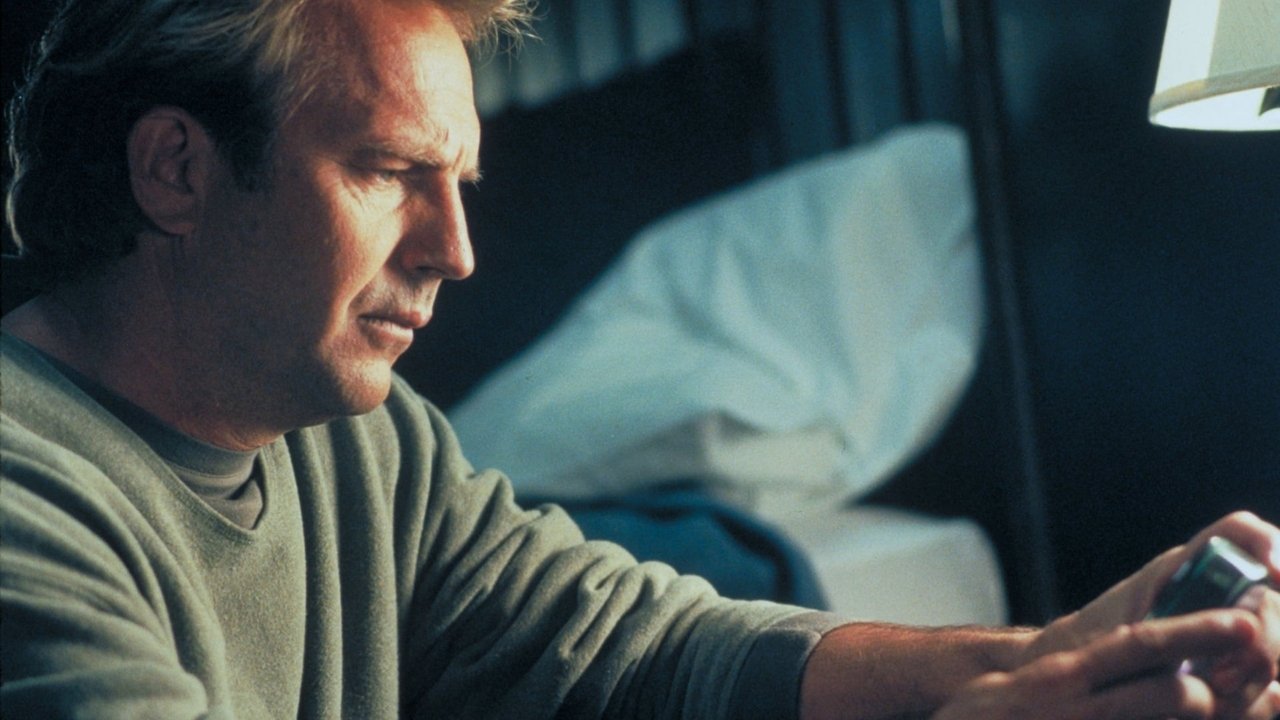
The film stars Kevin Costner as Joe Darrow, a workaholic emergency room doctor whose wife, Emily (Susanna Thompson), dies in a bus accident during a Red Cross mission in Venezuela. Joe is the classic Costner archetype: a man who expresses his soul-crushing grief by staring intensely at things and occasionally shouting at people who just want him to take a vacation. Costner has a way of playing "haunted" that feels grounded; he doesn't go for the histrionics. He just looks like a man who has forgotten how to sleep.
The inciting incident is pure early-2000s spookiness. Joe begins visiting Emily’s former patients—children in the pediatric oncology ward who have had near-death experiences. They claim she’s "sending him a message." They start drawing a mysterious, squiggly cross-like shape. Joe’s parrot starts acting up. A dragonfly paperweight (Emily’s personal totem) seems to have a mind of its own. It’s the kind of slow-burn mystery that feels almost quaint today in our era of jump-scare-a-minute horror.
A Pivot from Comedy to Calm
What makes Dragonfly a fascinating artifact is its director, Tom Shadyac. At the time, Shadyac was the king of high-concept, high-energy comedy, having directed Ace Ventura: Pet Detective, The Nutty Professor, and Liar Liar. Seeing him pivot to a somber, grey-toned meditation on death was a shock to the system. You can feel him trying to restrain himself, trading Jim Carrey’s rubber-faced antics for Costner’s granite stillness.
There is a deliberate, analog feel to the tension here. This was a time before every ghost had to be a CGI monster with unhinged jaws. The "scares" are mostly atmospheric—a light bulb flickering, a shadow in a hallway, or the terrifying sight of Kathy Bates appearing in a doorway to offer unsolicited advice. Bates, playing the neighbor Mrs. Belmont, is essentially there to ground the movie, reminding us that even in a supernatural thriller, you still have to deal with the lady next door who knows too much about your business.
Dragonfly is effectively a supernatural thriller for people who find The Sixth Sense too scary and Hallmark movies too short. It plays it very safe, leaning heavily on the "is he crazy or is it real?" trope that was the bread and butter of turn-of-the-millennium dramas. Looking back, the CGI used for the titular insects is definitely a product of its time—a bit too shiny, a bit too "floating in space"—but it serves the dreamlike, slightly heightened reality Shadyac was aiming for.
The Mystery of the Map
As the plot progresses, the mystery of the "squiggly cross" takes center stage. I won't spoil the reveal for those who haven't seen it, but I will say that the movie takes a hard left turn from "ghost story" to "adventure quest" in its final act. It’s an ambitious shift that doesn't entirely land, mostly because the film spends so much time being a quiet hospital drama that the sudden trek into the Venezuelan jungle feels like it belongs to a different script entirely.
There’s also a strange, almost clinical approach to the "near-death" testimonials. The kids in the ward, including a young Jacob Smith, are used more as plot devices than characters. It’s a bit manipulative, but that was the era’s MO: use the innocence of children to bridge the gap between the cynical adult world and the spiritual unknown. It’s effective in a "pulling at your heartstrings with a pair of pliers" sort of way.
Interestingly, Harrison Ford was originally offered the lead role but turned it down to take a year off. It’s easy to imagine Ford in this—he does "grumpy but grieving" better than anyone—but Costner brings a certain vulnerability that makes the ending feel earned, even if the logic of the plot is stretched thinner than a dragonfly’s wing.
Dragonfly is a movie that has largely evaporated from the cultural conversation, and it’s not hard to see why. It’s a perfectly competent, well-acted drama that suffers from being a bit too earnest for its own good. It captures that 2002 vibe perfectly—the somber cinematography, the John Debney score that tells you exactly how to feel, and the lingering hope that there’s something more beyond the veil. It’s a cozy, slightly spooky relic that is best enjoyed on a rainy afternoon when you’re in the mood for a good cry and a very literal metaphor.
Keep Exploring...
-
The Jacket
2005
-
The Astronaut's Wife
1999
-
The Sum of All Fears
2002
-
Inland Empire
2006
-
Byzantium
2013
-
Conspiracy Theory
1997
-

The Devil's Own
1997
-
Volcano
1997
-
A Perfect Murder
1998
-
Patch Adams
1998
-
Soldier
1998
-
The Siege
1998
-
Double Jeopardy
1999
-
Payback
1999
-
The Legend of Bagger Vance
2000
-
What Lies Beneath
2000
-
Final Fantasy: The Spirits Within
2001
-
The Last Castle
2001
-

Collateral Damage
2002
-
Murder by Numbers
2002