Frida
"Every brushstroke was a battle for her soul."
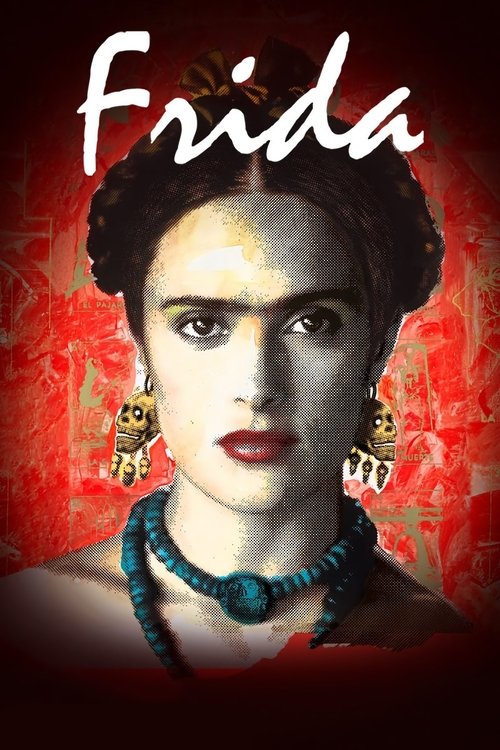
The metal handrail of a Mexico City trolley car isn’t supposed to end up inside a human body, but for Frida Kahlo, that’s exactly where her legend begins. It’s a gruesome, life-altering moment that director Julie Taymor renders with a strange, haunting beauty—gold leaf fluttering through the air like confetti as blood spills onto the floor. I watched this on a Tuesday night while nursing a mild case of heartburn from a subpar burrito, which felt poetically appropriate given the film’s fiery Mexican setting and the general sense of internal upheaval.
When Frida hit theaters in 2002, it wasn’t just another biopic. It was the culmination of a legendary "passion project" for Salma Hayek Pinault, who fought tooth and nail (and famously clashed with the now-disgraced Harvey Weinstein) to get it made. Looking back, this film represents the absolute peak of the Miramax "Prestige Era," where indie-adjacent films were suddenly given the budget and the artistic license to swing for the fences.
A Canvas that Breathes
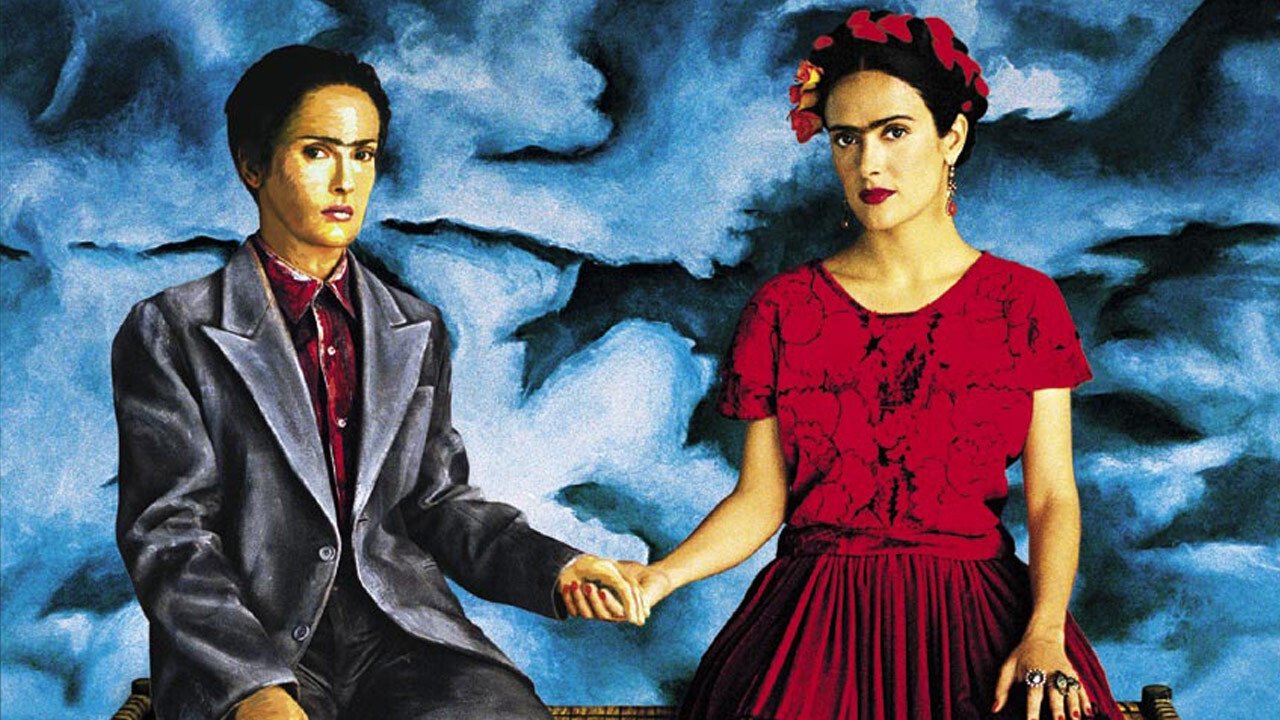
What makes Frida stand out, even two decades later, is how it refuses to be a dry, chronological Wikipedia entry. Julie Taymor—fresh off her Broadway success with The Lion King—brought a theatrical, almost hallucinatory style to the screen. She doesn't just show us Frida’s paintings; she makes us step inside them.
There are these incredible sequences where the film transitions from a live-action shot into a stylized, animated version of Kahlo’s surrealist work. In the early 2000s, this kind of CGI-assisted artistic flourish was groundbreaking. It wasn't about making things look "real"; it was about making them look felt. The Day of the Dead puppet sequence, handled by the Brothers Quay, still creeps me out in the best possible way. It captures the Y2K-era obsession with blending practical effects with digital manipulation, creating a look that hasn't aged a day because it was never trying to be photorealistic.
The Human Equivalent of a Red Flag
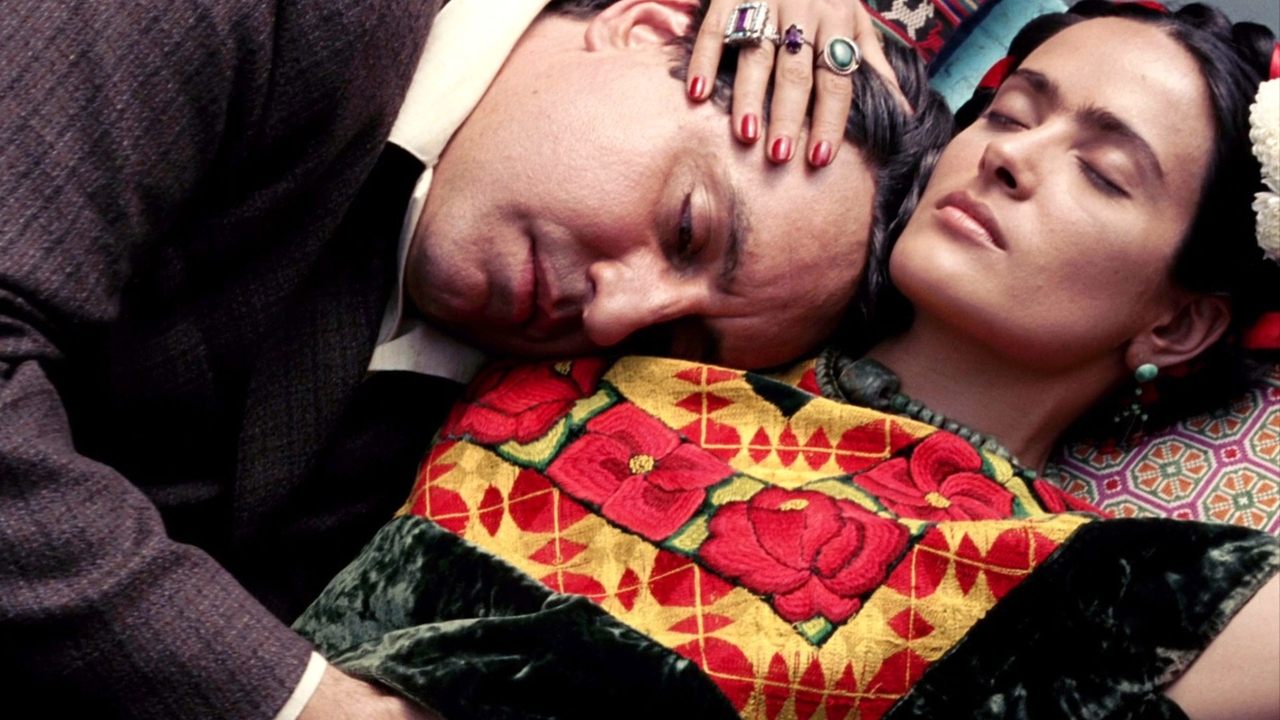
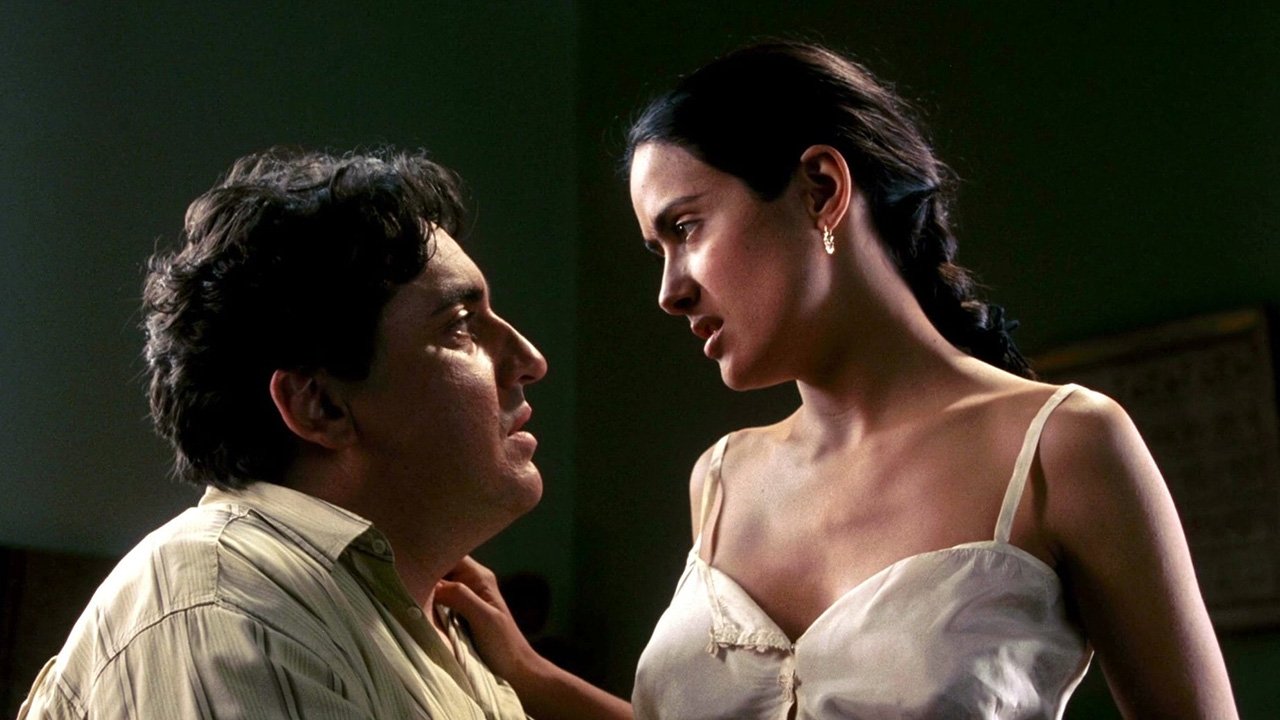
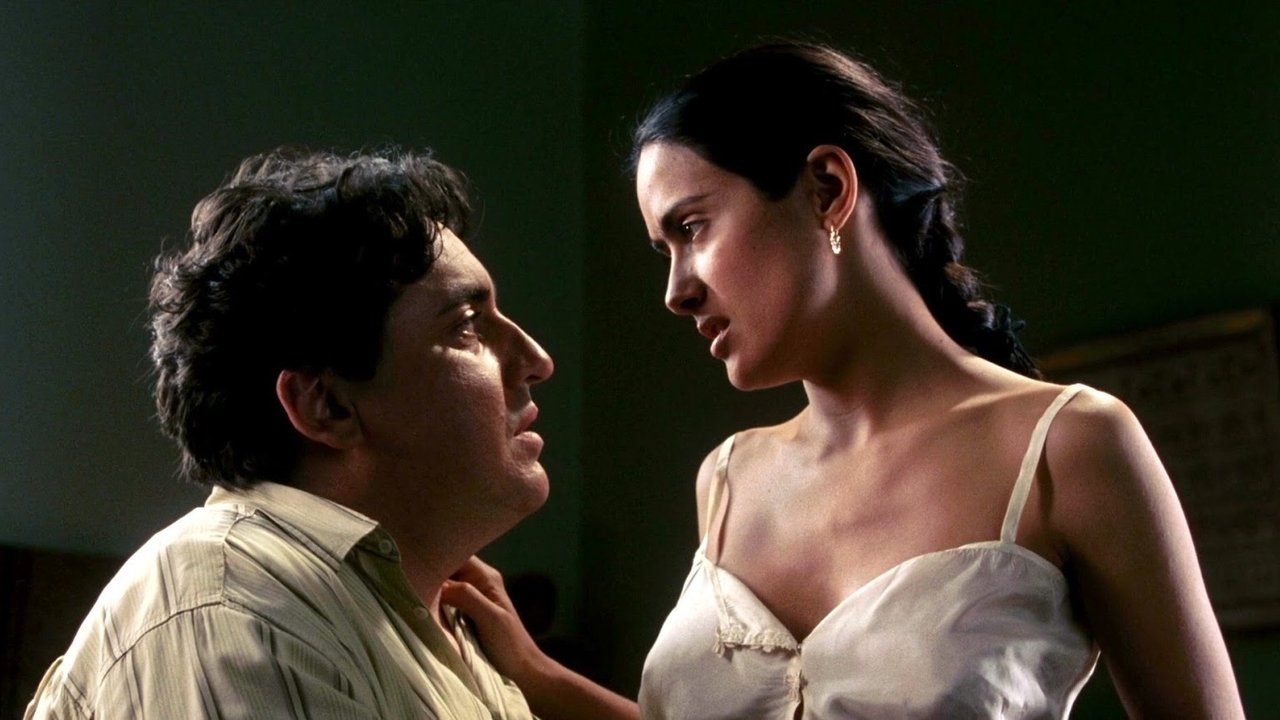
At the center of the storm is the relationship between Frida and Diego Rivera. Alfred Molina is nothing short of spectacular as Diego. He plays the man as a giant, hungry bear—the human equivalent of a walking red flag that somehow still smells like charisma. He is impossible to live with and impossible to leave. The chemistry between him and Salma Hayek Pinault is palpable; you can feel the heat, the resentment, and the genuine intellectual respect they had for one another.
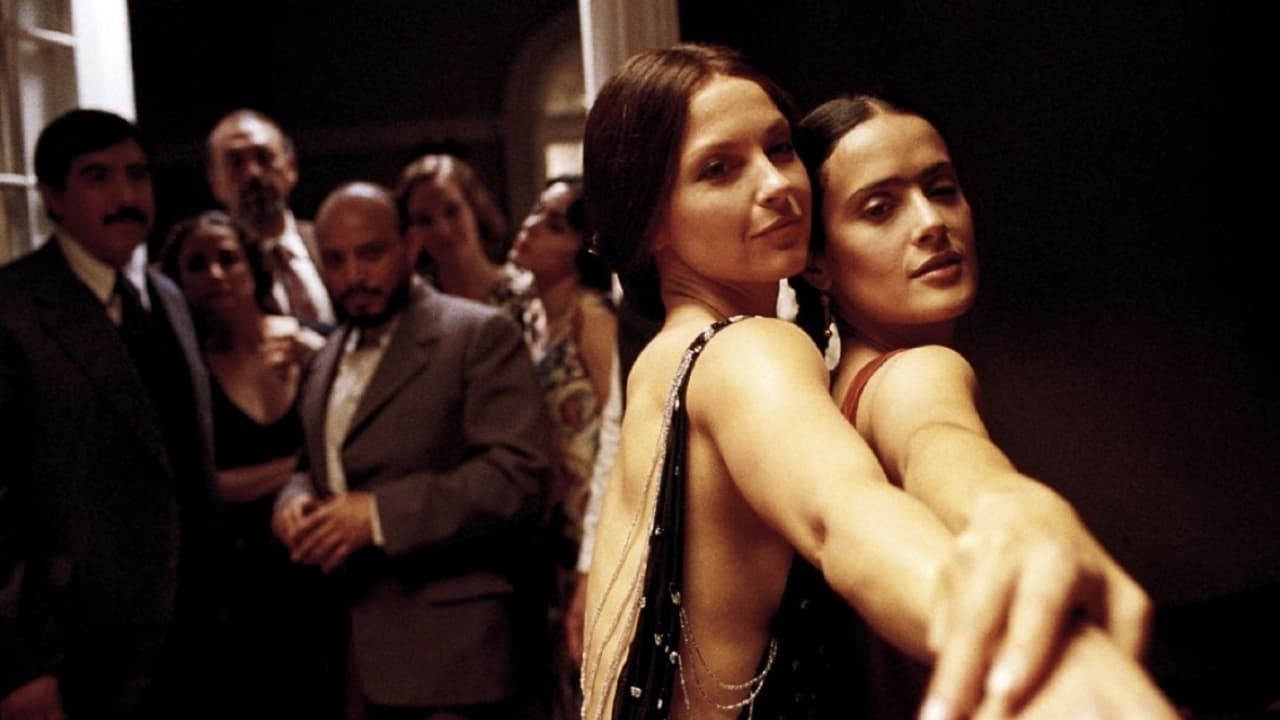
Hayek’s performance is the kind of transformative work that redefined her career. Before this, she was often pigeonholed as the "bombshell." Here, she leans into the unibrow, the limp, and the visible agony of a woman whose body was a constant cage. She doesn't ask for your pity; she demands your attention. And let’s talk about that supporting cast: Edward Norton pops up as a stiff-necked Nelson Rockefeller, and Antonio Banderas shows up as David Alfaro Siqueiros just long enough to remind us that he’s very good at looking intense while holding a paintbrush.
The Legend of the Unibrow
Part of the reason Frida has attained a permanent cult status is that it gave a face and a voice to an icon who had become, for many, just a face on a coffee mug. Apparently, Salma Hayek Pinault was so committed to the role that she actually did some of her own painting on screen to ensure the hand movements looked authentic.
Turns out, the production was a family affair in more ways than one: the real-life nieces of Frida Kahlo were so impressed by the production that they allowed the crew to use the actual "Blue House" (Casa Azul) for certain details and even lent some of Frida’s original jewelry to the costume department. Also, fun fact: Alfred Molina reportedly gained 50 pounds to play the rotund Diego, a feat of "method eating" that he probably enjoyed right up until he had to fit into his 1930s-style trousers.
In retrospect, Frida arrived just as the "indie" spirit was being corporatized. It has the polish of a studio film but the weird, thumping heart of a rebel. It captures that early-2000s fascination with "The Great Artist" while managing to humanize the woman behind the facial hair. It’s a film about how we turn our deepest traumas into something that can be hung on a wall and admired by people who will never understand our pain.
If you missed this during its initial DVD-era heyday, it’s time to go back. It’s a lush, vibrant, and occasionally heartbreaking look at a woman who lived her life in bold primary colors. It reminds me why we go to the movies in the first place: to see a world that looks nothing like ours, but feels exactly like our own messy, complicated lives. Just maybe skip the subpar burritos before you sit down for it.
Keep Exploring...
-

Across the Universe
2007
-
10 Things I Hate About You
1999
-

Cruel Intentions
1999
-
High Fidelity
2000
-
Punch-Drunk Love
2002
-

Match Point
2005
-

Stranger Than Fiction
2006
-

The Fountain
2006
-
The Illusionist
2006
-

The Lake House
2006
-

High School Musical 2
2007
-
Moonrise Kingdom
2012
-
Meet Joe Black
1998
-

The Lion King II: Simba's Pride
1998
-

What Dreams May Come
1998
-
The Family Man
2000
-
A Knight's Tale
2001
-

Enemy at the Gates
2001
-
The Dreamers
2003