Gangs of New York
"Before the skyscrapers, the streets ran red."
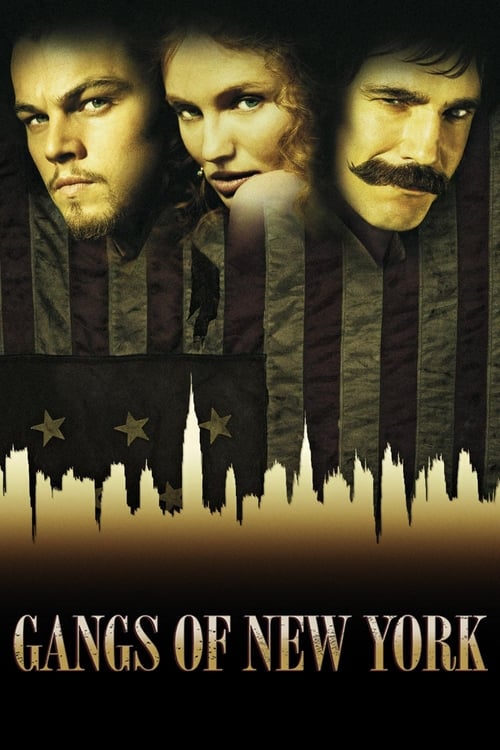
The first time I sat through the sprawling, blood-soaked chaos of Gangs of New York, I was drinking a lukewarm ginger ale that had gone completely flat by the second hour. In a weird way, that sugar-stripped, medicinal taste perfectly matched the mood on screen. Martin Scorsese’s 2002 epic isn't a "fun" movie in the traditional sense; it’s a heavy, jagged piece of historical fiction that feels like it was unearthed from a muddy trench in lower Manhattan rather than filmed on a soundstage.
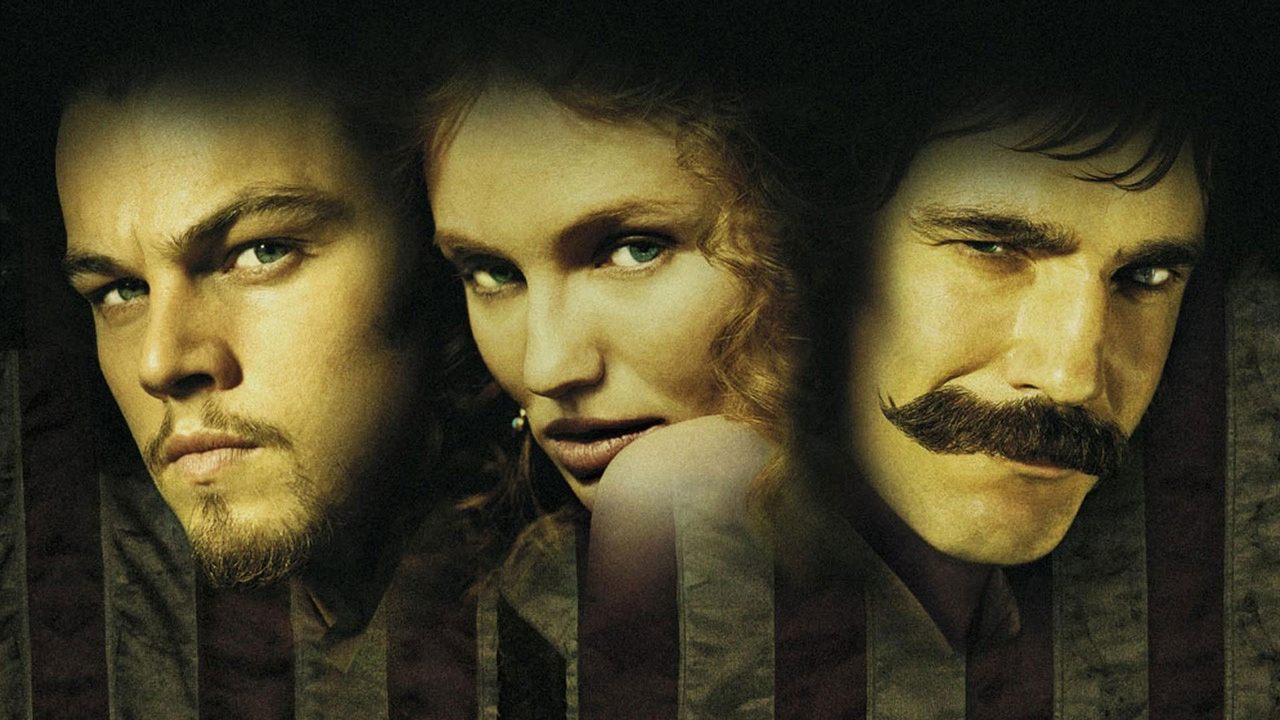
Released in the shadow of 9/11, the film carried a weight it hadn't originally intended. It arrived during that fascinating Modern Cinema transition where the massive, physical sets of the 20th century were beginning to shake hands with the digital future. While George Lucas reportedly told Martin Scorsese that sets like these could be done more cheaply with computers, Scorsese opted to build a literal city. He reconstructed five city blocks of 1860s New York at the Cinecittà studios in Rome. You can feel that physical weight in every frame. When a character hits a wall, the wall doesn't wobble; it’s made of history.
The Butcher and the Boy
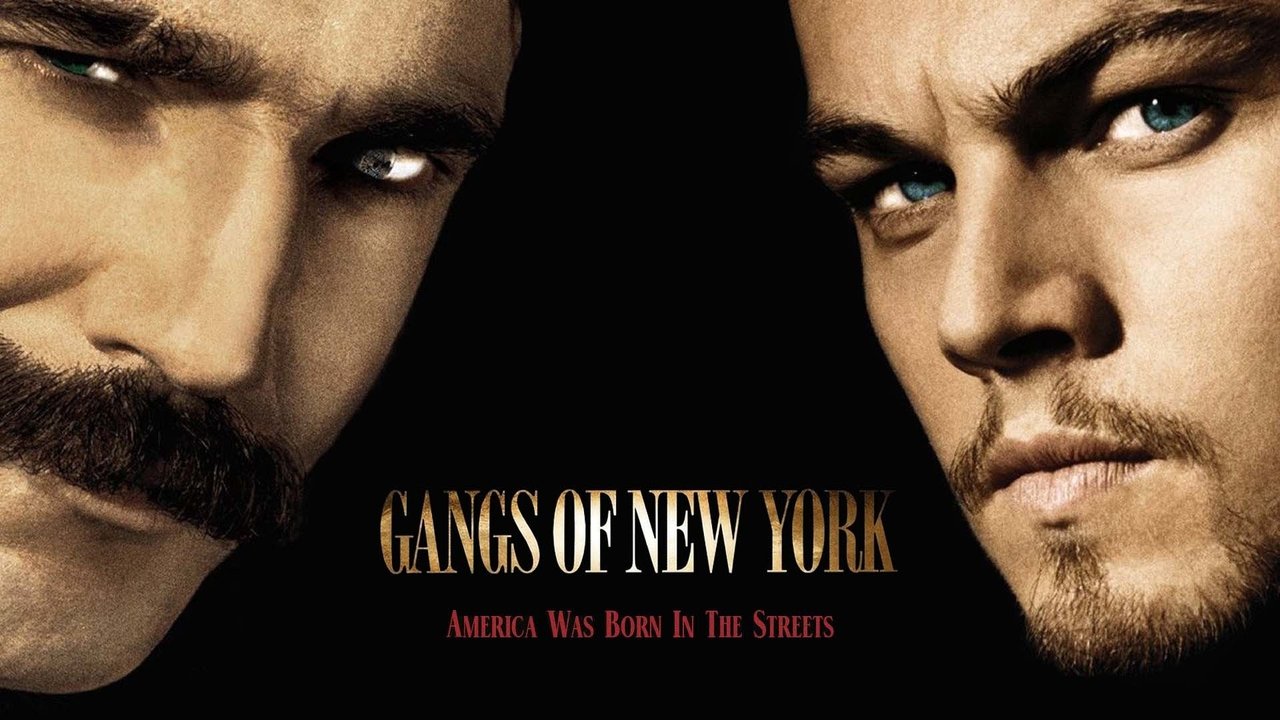
At its heart, this is a revenge play, but the revenge often feels like a footnote to the atmosphere. Leonardo DiCaprio plays Amsterdam Vallon, a young Irish immigrant returning to the "Five Points" to kill the man who slaughtered his father. Amsterdam is a fine protagonist, but he’s essentially a tour guide through a nightmare. Leonardo DiCaprio was still shedding his "teen heartthrob" skin here, and while he’s gritty and capable, he’s frequently eclipsed by the terrifying, magnetic force sitting across the table.
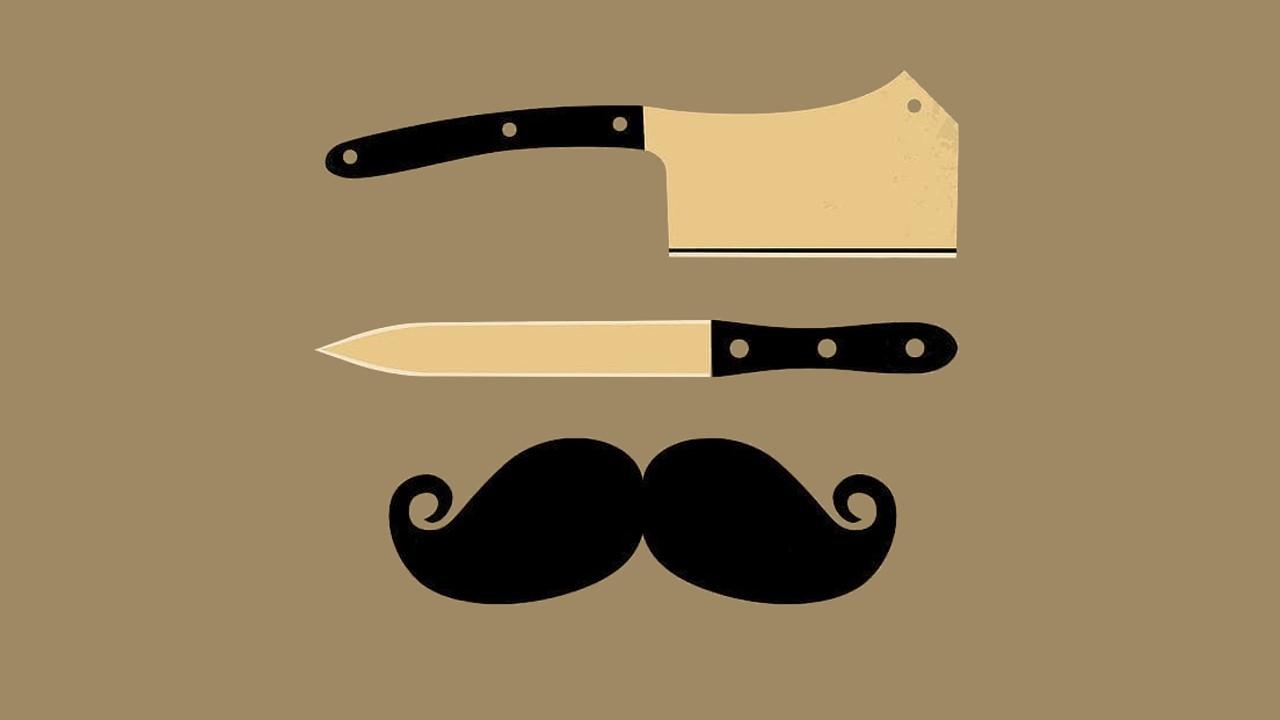
That force is Daniel Day-Lewis. As William "Bill the Butcher" Cutting, Day-Lewis doesn't just act; he colonizes the screen. From the way he taps his glass eye with the tip of a knife to that high-pitched, predatory New York accent, he created a villain for the ages. Bill the Butcher is the only reason anyone remembers this movie, but he’s a good enough reason to justify the three-hour runtime. Day-Lewis famously stayed in character throughout the shoot, reportedly catching pneumonia because he refused to wear a modern coat that didn't exist in the 1860s. That kind of madness is what gives the film its terrifying edge.
A City Bleeding Out
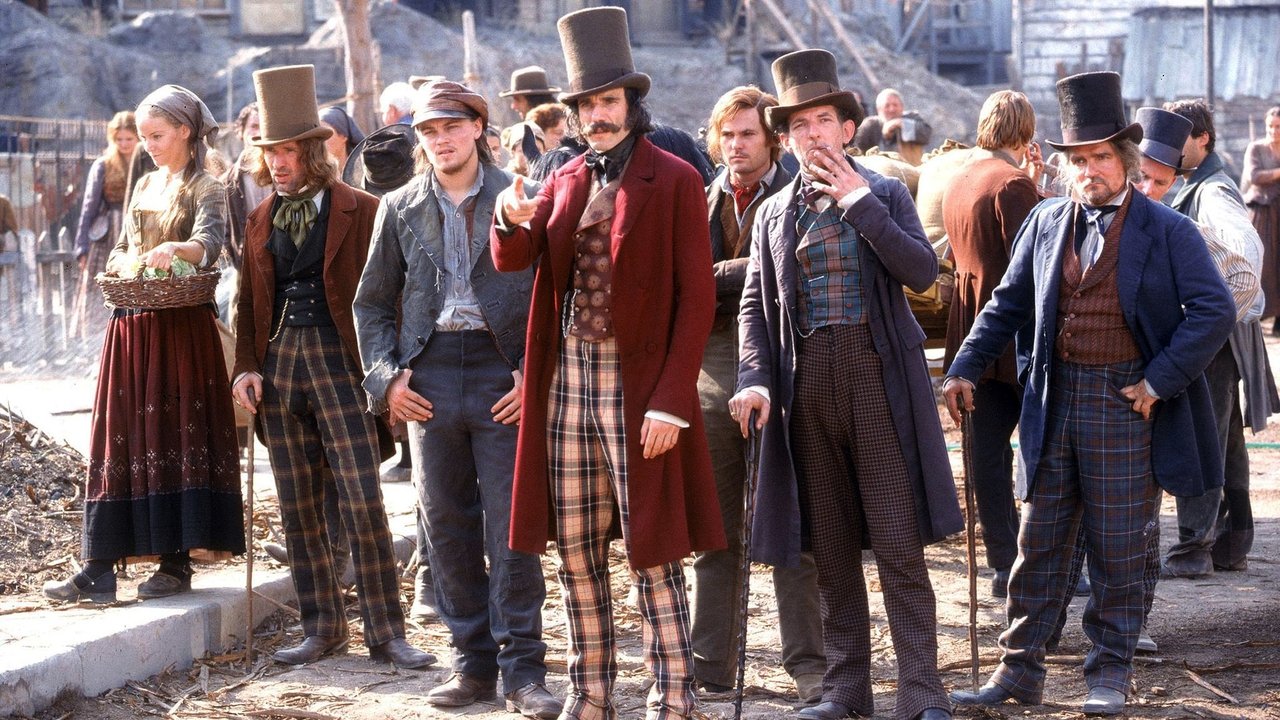
The film captures a very specific 19th-century anxiety—the idea that the "American" identity was being forged through the literal meat-grinder of the Civil War and the Draft Riots. The cinematography by Michael Ballhaus (who also shot Goodfellas) is murky, orange, and claustrophobic. It feels like the air is thick with coal smoke and resentment.
The drama is punctuated by bursts of horrific, unglamorous violence. This isn't the "cool" violence of a superhero movie. It’s the sound of cleavers hitting bone and the sight of men being trampled in the mud. Scorsese doesn't blink, and he doesn't offer many easy heroes. Even the "good guys" are compromised by tribalism and greed. Jim Broadbent is oily and brilliant as Boss Tweed, showing the political machinery that fed on the bodies of the poor, while John C. Reilly plays a corrupt constable with a pathetic, tragic desperation.
Cameron Diaz rounds out the main trio as Jenny Everdeane, a "bludget" or pickpocket. Cameron Diaz is actually fine in this movie, she’s just trapped in a subplot that doesn't know where to go. Her chemistry with DiCaprio is serviceable, but in a movie about the birth of a nation through fire and blood, the romantic interludes often feel like they belong to a different, softer film.
The Cult of the Five Points
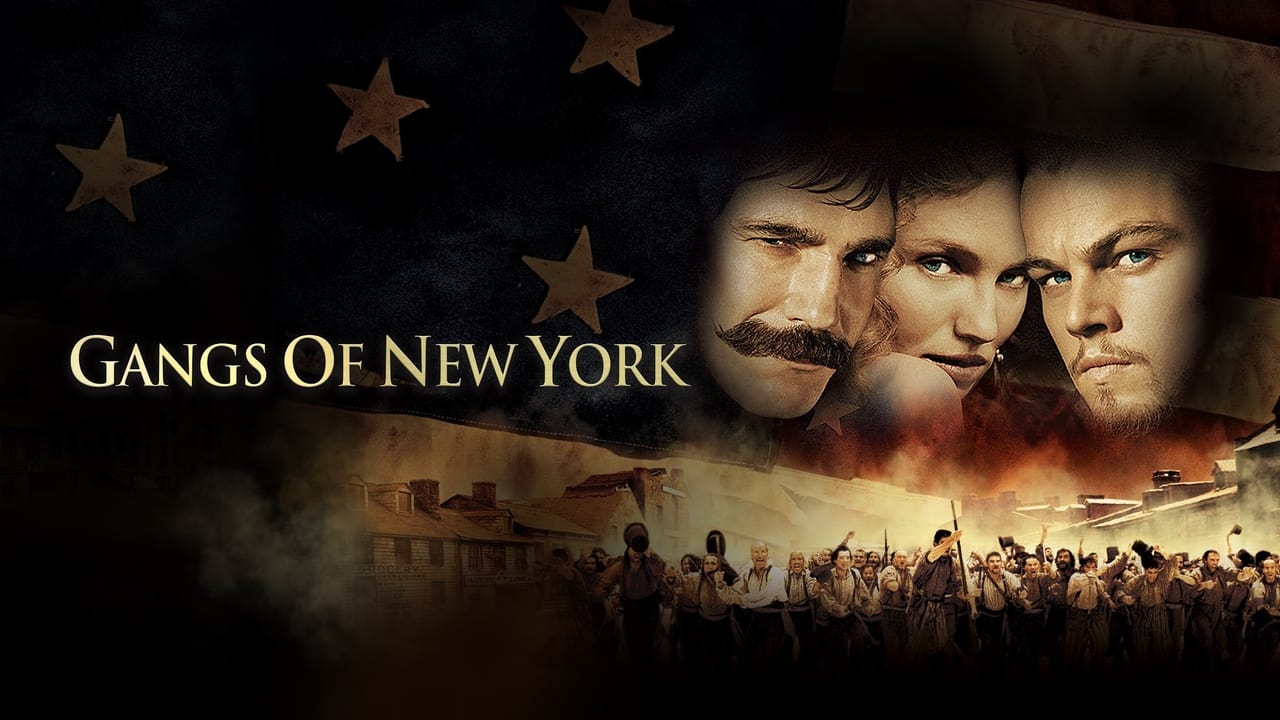
Despite being a "prestige" Oscar-bait film upon release, Gangs of New York has evolved into a bit of a cult obsession for history nerds and Scorsese devotees. It’s a messy film—the pacing in the middle act drags, and the transition from the personal revenge plot to the massive scale of the Draft Riots is jarring. But its flaws are what make it stay with you. It’s an ambitious, imperfect monster of a movie.
I watched this recently on a rainy afternoon while my neighbor was loudly practicing the bagpipes, which was incredibly distracting until the Irish gangs actually showed up, and then it became accidentally immersive. Looking back, the trivia surrounding the film is almost as legendary as the plot. For instance:
Martin Scorsese waited over 20 years to get this made; he first bought the rights to the source book in 1970. Daniel Day-Lewis took lessons from real-life butchers to master the knife skills seen on screen. The production was so massive that the cast and crew often got lost in the sprawling "Five Points" set. The final shot of the New York skyline, which shows the city evolving through time, was kept exactly as it was intended before 9/11, including the Twin Towers, as a tribute to the city's resilience. * The legendary clash at the start of the film was choreographed to look more like a tribal war than a standard street fight, using period-accurate weapons like "dead rabbits" on poles.
In the end, Gangs of New York is a brutal reminder that civilization is often just a thin veneer over a very old, very deep well of tribal rage. It’s a movie that demands you look at the ugly parts of history and acknowledge that they are part of the foundation. Even with its bloated runtime and occasional tonal shifts, Scorsese’s vision of a city built on scars remains one of the most hauntingly atmospheric dramas of the early 2000s. It’s a film that leaves you feeling a bit battered, a bit wiser, and very glad you don't live in 1863.
Keep Exploring...
-
The Departed
2006
-
Killers of the Flower Moon
2023
-

The Irishman
2019
-
The Aviator
2004
-
Kingdom of Heaven
2005
-

American Gangster
2007
-
Casino
1995
-
The Wolf of Wall Street
2013
-
Shutter Island
2010
-
Cape Fear
1991
-
The Thin Red Line
1998
-

Batman Begins
2005
-
United 93
2006
-

The Negotiator
1998
-
The Patriot
2000
-
Blow
2001
-
Enemy at the Gates
2001
-
Road to Perdition
2002
-
The Life of David Gale
2003
-
Munich
2005