Ghost Ship
"The first seven minutes are worth the price of admission."
If you want to talk about the audacity of early 2000s horror, you have to start with a wire. Specifically, a high-tension steel cable that snaps during a sunset ballroom dance aboard the Antonia Graza, an Italian luxury liner in 1962. It’s a sequence so elegantly gruesome, so shockingly efficient, that it essentially tricked an entire generation into thinking they were about to watch a masterpiece. I recently revisited this on a rainy Tuesday while eating a slightly stale bag of pretzels I found in the back of my pantry, and I can confirm: that opening still hits like a freight train, even if the rest of the movie eventually settles into a comfortable, mid-speed cruise.

The Peak of Dark Castle Chic
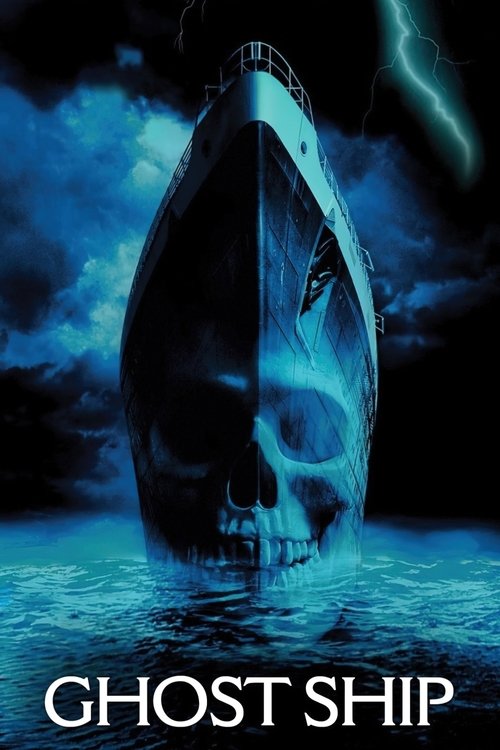
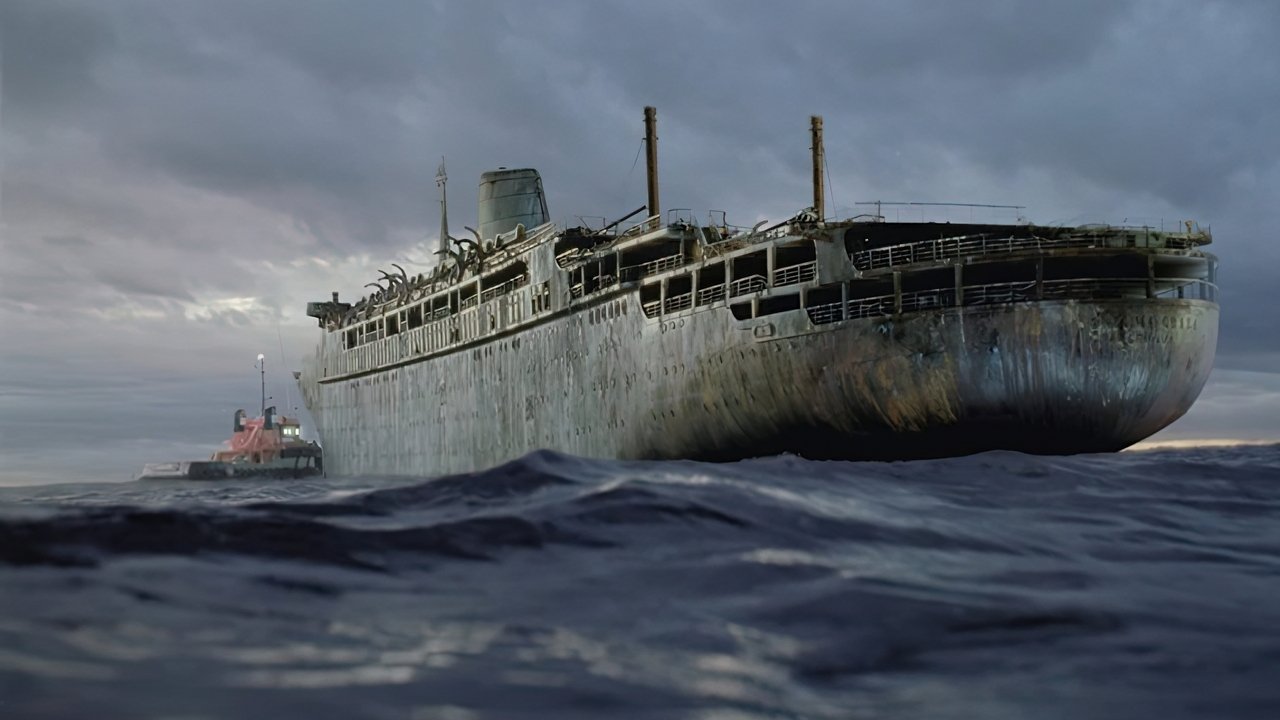
Ghost Ship is the quintessential product of Dark Castle Entertainment, the production house formed by Robert Zemeckis and Joel Silver to remake William Castle’s gimmicky horror catalog. By 2002, they had moved past straight remakes into original territory, but they kept the "haunted house on steroids" aesthetic. Director Steve Beck, coming off the neon-soaked Thirteen Ghosts, treats the rusted-out hull of the Antonia Graza like a playground for a production designer’s fever dream.
The plot is standard-issue salvage-crew-in-peril. A team of tugboat experts, led by Gabriel Byrne’s Captain Murphy and Julianna Margulies as the resourceful Epps, finds a massive, drifting vessel in the Bering Sea. Because this is a movie, they decide to tow it back for a payday rather than calling the Coast Guard and going home to watch The Sopranos. This movie treats its audience like they have the attention span of a caffeinated squirrel, throwing jump scares and spooky apparitions at the screen every few minutes to ensure you don’t notice the plot is essentially The Shining on a boat, but with more nu-metal.
A Cast Too Good for Its Own Good
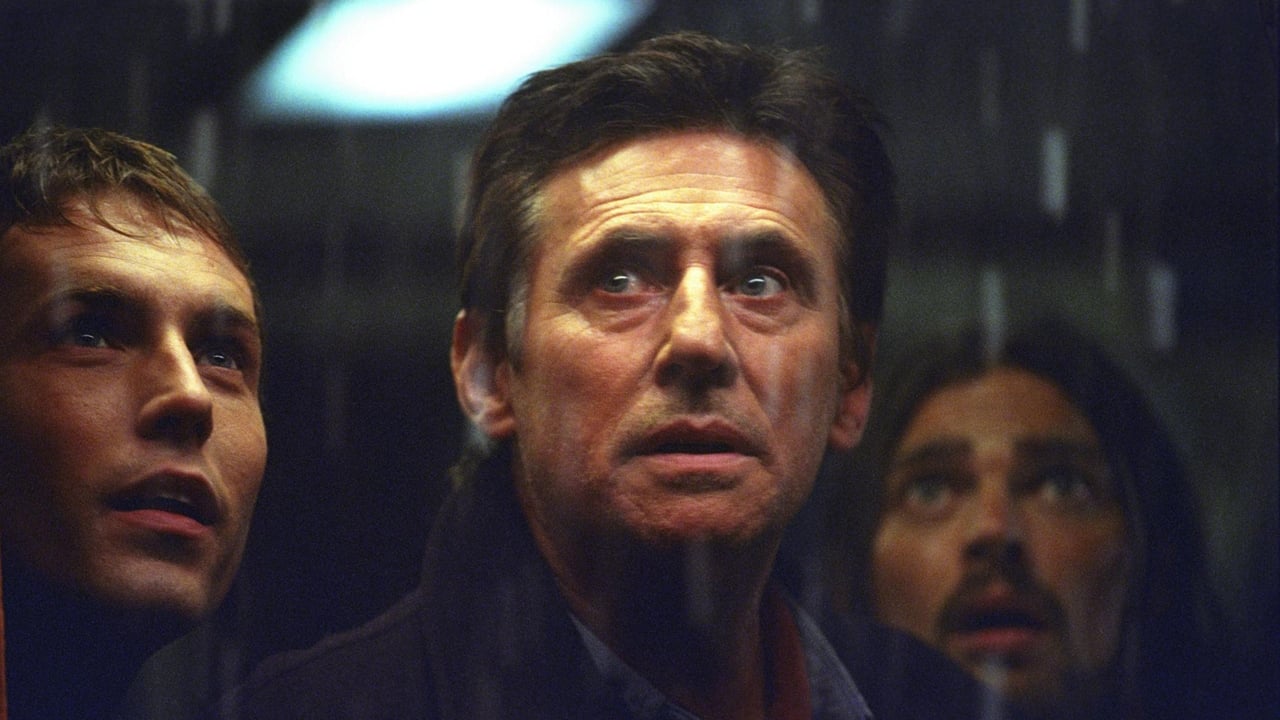
One of the weirdest things about revisiting Ghost Ship is realizing how over-qualified the cast is. You’ve got Gabriel Byrne, an actor who radiates soulful gravitas, playing a sea captain who may or may not be hitting the bottle. You’ve got Julianna Margulies fresh off her ER fame, looking genuinely committed to the "final girl" energy. Then there’s a pre-stardom Karl Urban as Munder and Isaiah Washington as Greer.
They play the salvage crew with a blue-collar camaraderie that actually works. You believe these people have spent weeks in tight quarters smelling each other’s socks. It’s a testament to their talent that the dialogue—which is mostly "What was that?" and "We need to get out of here!"—doesn't feel completely wooden. Gabriel Byrne in particular looks like he’s in a different, much sadder movie about the loneliness of the sea, right up until the ghosts start making him hallucinate.
The Digital Growing Pains
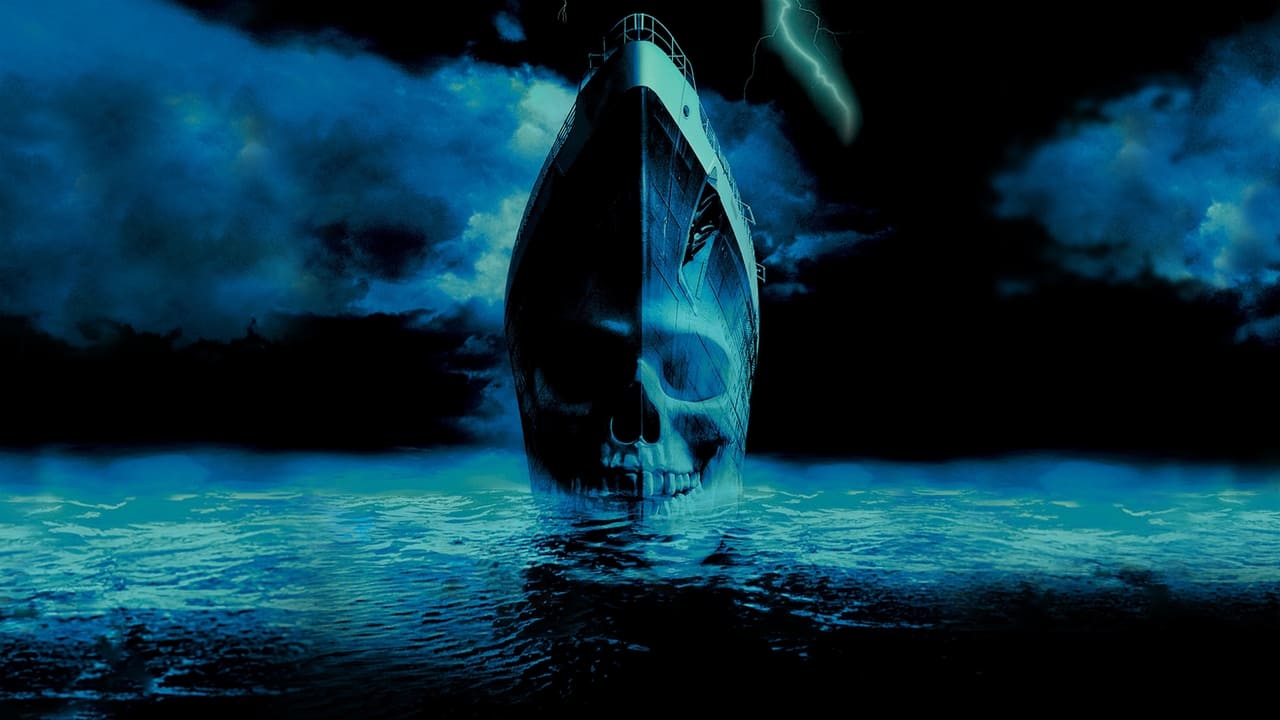
Looking back, Ghost Ship arrived at a fascinating crossroads for special effects. We were moving away from the purely practical gore of the 80s and into the "CGI can do anything" hubris of the early 2000s. The film is a mix of both. The practical sets are incredible—dripping with rust, seawater, and "haunted" slime. But then you get the digital effects, like the ghost girl or the way the ship magically repairs itself in flashbacks, and it screams 2002.
The CGI hasn't aged perfectly, but there’s a charm to its ambition. It was the era of the DVD "Special Features" boom, and I remember the behind-the-scenes docs obsessing over how they rendered the water and the supernatural decay. It was groundbreaking at the time, even if it now looks a bit like a high-end PlayStation 2 cutscene.
Stuff You Might Not Know
If you dig into the production history, it turns out Ghost Ship was never meant to be a supernatural slasher. The original script, titled Chimera, was a psychological thriller with almost no gore and certainly no demonic entities. It was supposed to be a slow-burn study of the crew going mad from isolation and greed. However, the studio saw the success of high-concept horror and demanded a "Ghost Ship" movie.
That shift explains the film's identity crisis. The Antonia Graza is modeled after the real-life SS Andrea Doria, a ship that famously sank in 1956, and the production team actually built a massive 30-foot model of the ship for the exterior shots. Also, keep an eye out for Desmond Harrington as Jack Ferriman; he plays the "mysterious stranger" role with a specific brand of early-2000s smarm that feels like it belonged in a music video for Mudvayne—who, incidentally, provided the song for the end credits.
Ultimately, Ghost Ship is a B-movie with an A-list budget and a Hall of Fame opening sequence. It doesn't quite know if it wants to be a psychological study of greed or a schlocky gore-fest, so it tries to be both and ends up somewhere in the middle. It’s a perfect "Saturday night with the lights off" movie that captures a very specific moment in horror history—before the "elevated horror" trend made everything so serious.
If you can get past the nu-metal vibes and the slightly dated CGI, there’s a genuinely fun, creepy adventure here. It’s a movie that knows how to use its setting, and even if it stumbles in the final act with a twist that raises more questions than it answers, it remains a staple of the era. Just don't blame me if you start looking at steel cables with a bit more suspicion next time you're on a cruise.
Keep Exploring...
-
Thir13en Ghosts
2001
-
The Ninth Gate
1999
-
From Hell
2001
-
House of Wax
2005
-
The Skeleton Key
2005
-
Case 39
2009
-
Pandorum
2009
-
Devil
2010
-

Red Riding Hood
2011
-
I Know What You Did Last Summer
1997
-

The Gift
2000
-
Gothika
2003
-
Wrong Turn
2003
-
The Grudge
2004
-

The Omen
2006
-
What Lies Beneath
2000
-

The Invasion
2007
-
8MM
1999
-

Final Destination 2
2003
-

Secret Window
2004