Harry Potter and the Chamber of Secrets
"A darker, slithering sequel that proves Hogwarts is more dangerous than a dragon’s breath."
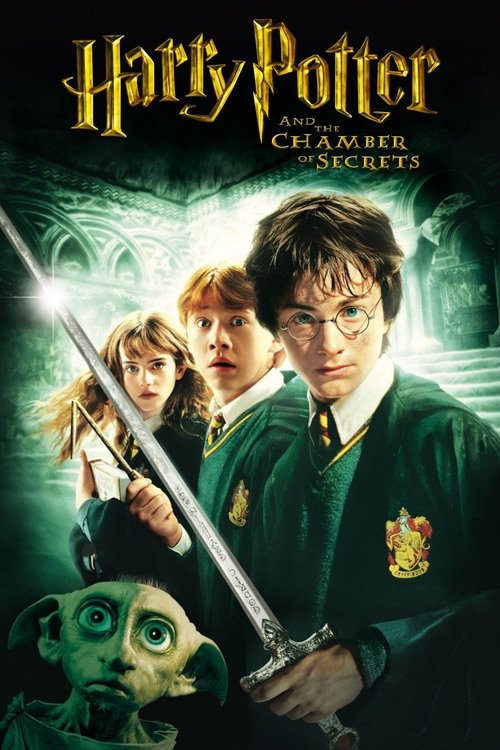
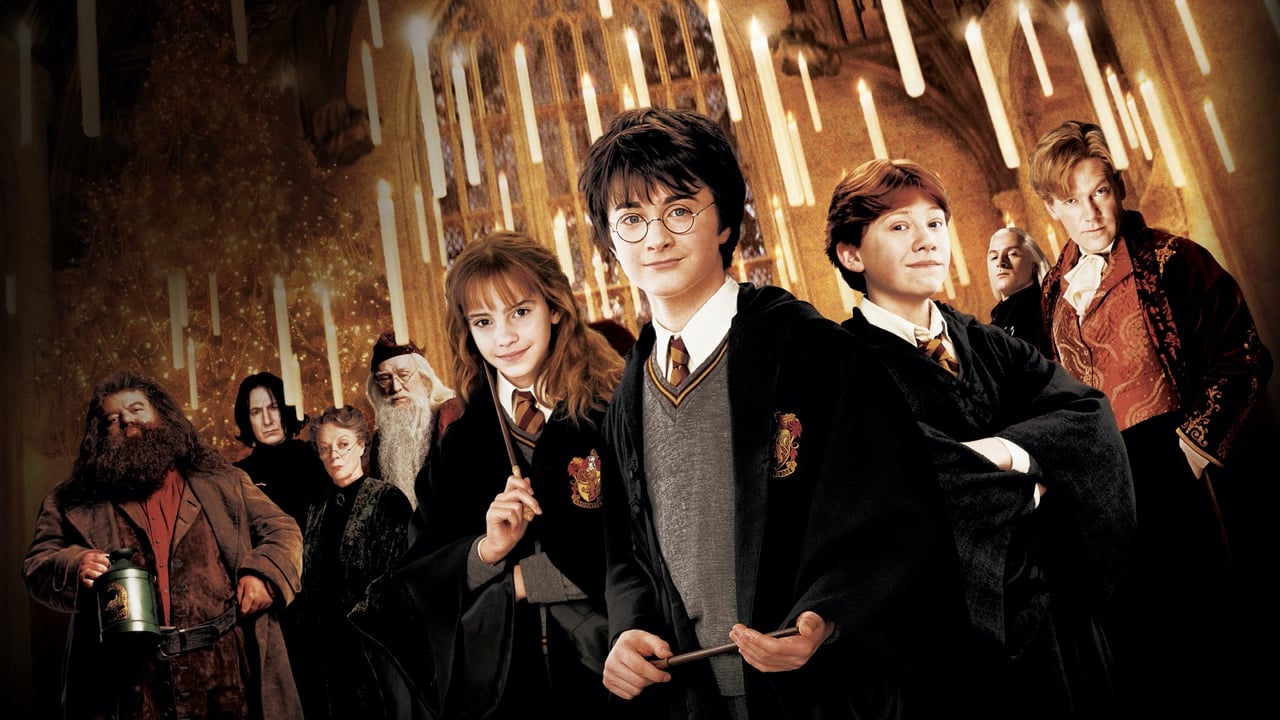
There is a specific kind of dread that comes with a Ford Anglia dangling over a moving steam engine, and in 2002, that sequence was the peak of cinematic engineering for my ten-year-old self. I actually watched this particular screening while nursing a mild case of brain freeze from a blue raspberry Slurpee, which somehow made the spiders in the Forbidden Forest even more terrifying. Looking back, Harry Potter and the Chamber of Secrets occupies a fascinating space in the franchise. It’s the bridge between the "bright-eyed kid movie" energy of the first film and the moody, teenage angst that would eventually define the later entries.
It is also, famously, the longest film in the series at a whopping 161 minutes. That’s a lot of time to spend in a school, but director Chris Columbus (who gave us Home Alone) used every second to lean into the "Adventure" genre. He traded the wonder of the first film for a genuine sense of peril. The mystery of the "Heir of Slytherin" isn't just a plot point; it’s an invitation to explore the darker corners of a world we thought we knew.
The Charm of Early-Aughts Ambition
In 2002, we were right in the thick of the CGI revolution. This was the era where digital characters were starting to share the screen with humans in a way that didn't feel like a cartoon. Enter Dobby. Voiced by Toby Jones, Dobby was a landmark achievement for Industrial Light & Magic. While some of the movements feel a bit floaty by today’s standards, the emotional weight is there. I still find myself wincing when he starts hitting himself with the desk lamp.
But what really strikes me about Chamber of Secrets is the marriage of digital and practical. The Basilisk—that giant, terrifying serpent—wasn't just a bunch of ones and zeros. The crew built a full-scale animatronic head that could actually lung. You can see the difference in the actors' eyes; Daniel Radcliffe isn't looking at a tennis ball on a stick, he’s looking at a multi-ton mechanical monster. This was the peak of the DVD era, and I remember spending hours scrolling through the "Special Features" on the second disc of the set, watching how they built the Burrow. It felt like the film was inviting us to be part of the craft.
Scenery Chewing and Golden Locks
If the first film was about the kids, the second film is stolen—wholesale—by the adults. Kenneth Branagh as Gilderoy Lockhart is a stroke of casting genius. Apparently, the role was originally offered to Hugh Grant, but I can't imagine anyone else capturing that specific brand of punchable vanity. Gilderoy Lockhart is the most relatable character because we all know a guy who thrives on unearned clout. Every time he flashed those teeth, I wanted to hide under my seat.
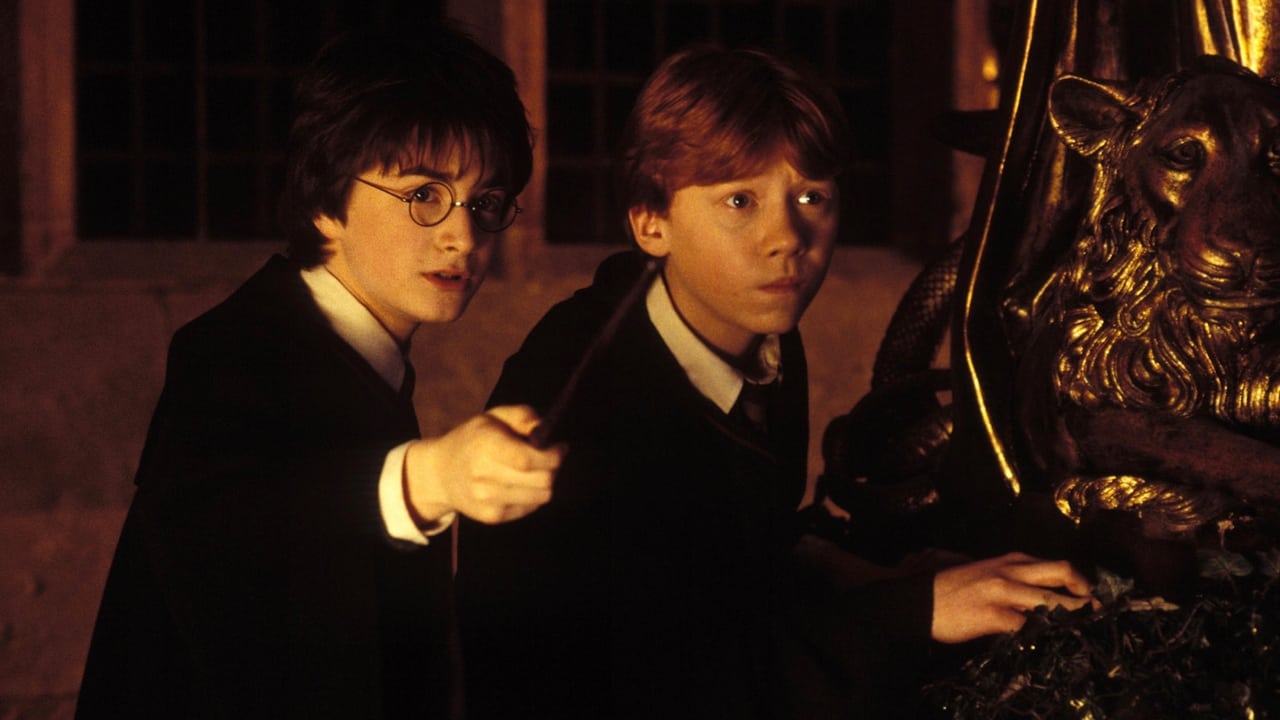
On the flip side, we get our first real taste of Wizarding World prejudice through the arrival of Lucius Malfoy. Jason Isaacs (who also appeared in The Patriot) reportedly came up with the idea for Lucius's long, blonde hair and that iconic walking stick. He wanted the character to look like an old-money aristocrat who hadn't touched a dishcloth in three centuries. It works. The tension between him and Robbie Coltrane’s Hagrid adds a layer of social commentary that was quite sophisticated for what was essentially a "kids' adventure."
The Scale of the Mystery
The production scale here was massive. The Chamber itself was built on a soundstage at Leavesden and was, at the time, one of the largest sets ever constructed in the UK. Cinematographer Roger Pratt, who did incredible work on Batman (1989), gives the film a much moodier, greener palette than its predecessor. It feels damp. It feels old.
And let’s talk about that car. The production supposedly used 14 different Ford Anglias for the "Whomping Willow" sequence. The Ford Anglia is the unsung hero of the entire franchise and deserved a spin-off. Seeing it go feral and live in the woods like a mechanical wolf is one of those absurd, delightful touches that makes the Rowling-Kloves collaboration work so well. It’s a quintessential adventure beat—a miraculous escape followed by a lingering sense of "how did we survive that?"
A Global Juggernaut
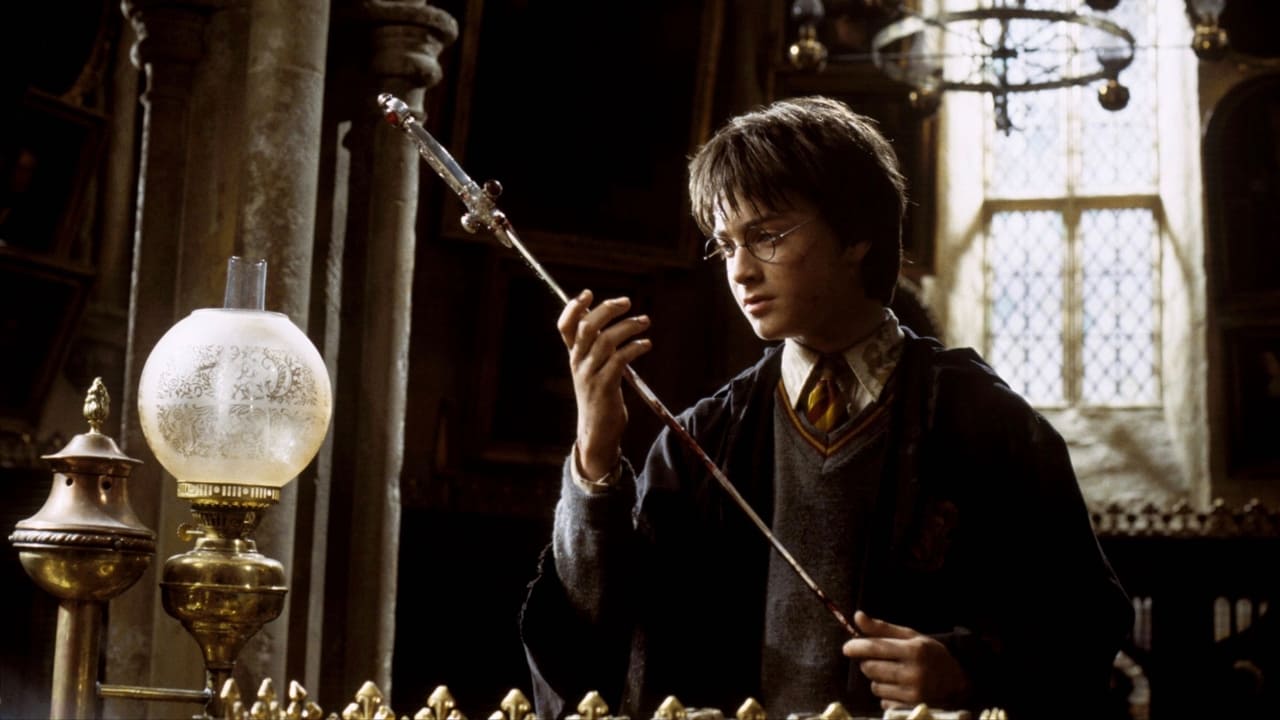
Financially, this movie was an absolute titan. With a $100 million budget, it pulled in over $876 million worldwide. To put that in perspective, that’s about $1.5 billion in today's money. It stayed in theaters for months, dominating the cultural conversation well into 2003. It wasn't just a movie; it was the solidification of the "franchise" mentality. This was the moment Warner Bros. realized they didn't just have a hit—they had a decade-long ecosystem.
Looking back, Chamber of Secrets is the last time the series felt truly "classic" in its storytelling before Alfonso Cuarón came in and shook up the visual language in the third film. It’s a comfort watch, despite the giant spiders and the petrification. It captures that transition from childhood to the realization that the world—even a magical one—has some very sharp edges.
The film might overstay its welcome by twenty minutes, but the sheer craftsmanship of the world-building is undeniable. It’s a grand, sprawling mystery that treats its audience with enough respect to actually let them be scared. If you haven't revisited it lately, do it for Kenneth Branagh’s teeth alone.

Keep Exploring...
-
Harry Potter and the Philosopher's Stone
2001
-
Harry Potter and the Prisoner of Azkaban
2004
-
Harry Potter and the Goblet of Fire
2005
-
Harry Potter and the Half-Blood Prince
2009
-
Harry Potter and the Deathly Hallows: Part 1
2010
-
Harry Potter and the Order of the Phoenix
2007
-
Harry Potter and the Deathly Hallows: Part 2
2011
-
Home Alone 2: Lost in New York
1992
-
The Mummy
1999
-
Shrek
2001
-
The Lord of the Rings: The Fellowship of the Ring
2001
-
The Lord of the Rings: The Two Towers
2002
-
Pirates of the Caribbean: The Curse of the Black Pearl
2003
-

The Lord of the Rings: The Return of the King
2003
-
Shrek 2
2004
-
Charlie and the Chocolate Factory
2005
-
The Chronicles of Narnia: The Lion, the Witch and the Wardrobe
2005
-

Pirates of the Caribbean: Dead Man's Chest
2006
-
Pirates of the Caribbean: At World's End
2007
-
Princess Mononoke
1997