Infernal Affairs
"Two moles, one hell, no way out."

I remember watching this for the first time on a scratched VCD I bought in a Chinatown basement where the subtitles were so poorly translated they occasionally turned a tense standoff into a confusing discussion about "uncomfortable vegetables," yet the film’s power still cut through the static. There is a specific kind of silence in Infernal Affairs—a heavy, suffocating quiet that feels like holding your breath underwater. It’s a far cry from the operatic, dual-wielding gunfights of the 1980s "heroic bloodshed" era. This is a film about the internal rot of the soul, and twenty-two years later, it remains the surgical gold standard for the undercover thriller.
The Weight of a Stolen Life
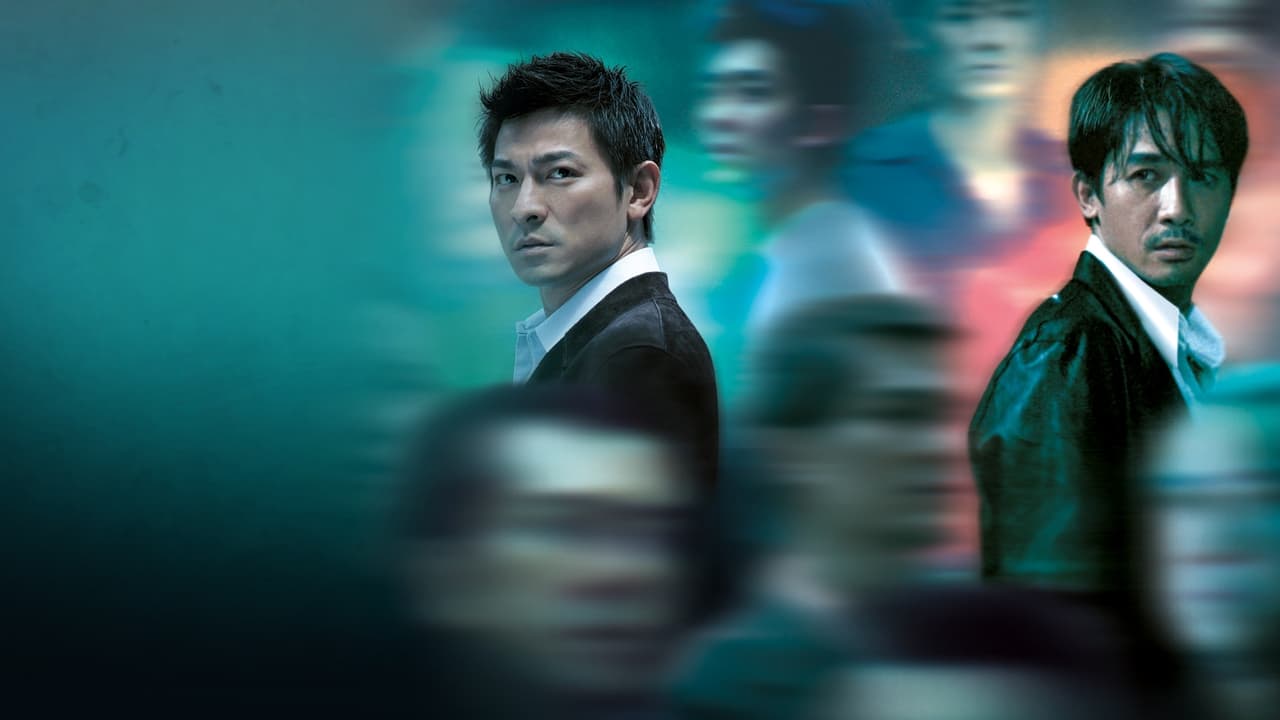
The premise is a masterstroke of symmetry. Yan (Tony Leung Chiu-wai, fresh off the soulful longing of In the Mood for Love) is a cop who has spent ten years buried so deep in the Triads that his only link to humanity is a police superintendent (Anthony Wong Chau-Sang) who meets him on rooftops. Meanwhile, Lau (Andy Lau) is a Triad mole who has successfully climbed the ranks of the Hong Kong Police Force, becoming a star inspector while reporting back to his boss, Sam (Eric Tsang Chi-Wai).
Looking back, this was a pivotal moment for Hong Kong cinema. The industry was struggling, and the 1997 handover had left a lingering anxiety about identity and "belonging" that permeates every frame. Directors Andrew Lau Wai-Keung and Alan Mak Siu-Fai captured a city of glass and steel that felt cold and indifferent to the moral crises of its protagonists. The cinematography avoids the gritty, neon-soaked tropes of the past, opting instead for a sterile, blue-tinted clarity. It makes the violence feel less like a spectacle and more like a tragic necessity.
A Symphony of Silence and Morse Code
The tension in Infernal Affairs doesn't come from explosions—it comes from a finger tapping on a windowpane. The sequences involving Morse code communication are more heart-pounding than any car chase I’ve seen in a decade. When Yan sits in the back of a van, surreptitiously tapping out the details of a drug deal, the film demands your absolute focus.

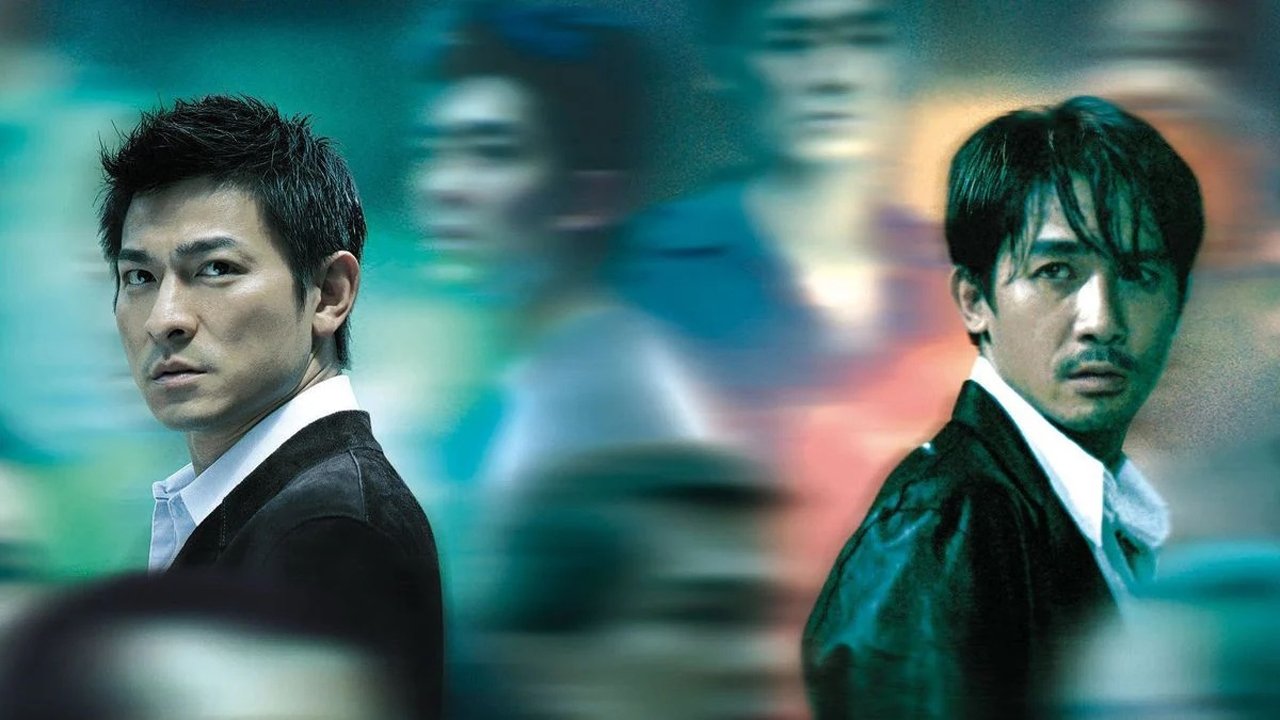
The performances are what anchor this high-concept setup in reality. Tony Leung has the most expressive eyes in cinema history; you can see the decade of trauma and the fading hope of ever "coming back" behind his weary stare. Opposite him, Andy Lau plays a man who has lived a lie so long he’s started to believe it. He wants to be a "good man," but his past is a shadow he can’t outrun. Their chemistry is a paradoxical thing—they share very little screen time, yet their lives are inextricably knotted together.
I’ve always found Eric Tsang’s performance as the villainous Sam to be the film’s secret weapon. He doesn’t play a shouting warlord. He plays a father figure who eats his lunch with a terrifying, casual joviality while deciding who lives and dies. Jack Nicholson’s performance in the remake feels like a pantomime clown compared to Eric Tsang’s quiet, terrifying Sam.
The Original Sin of the Remake
It is impossible to talk about Infernal Affairs without acknowledging Martin Scorsese’s The Departed. While the 2006 remake is a fantastic piece of Boston noir, it feels bloated and hyper-masculine when stood next to the lean, 101-minute efficiency of the original. The Hong Kong version leans into the Buddhist concept of "Continuous Hell"—the idea that the worst punishment isn't death, but living forever in a state of moral agony.
The film arrived just as DVD culture was peaking, and I remember the special features revealing how the production was a "hail mary" for a dying industry. They shot the whole thing in less than a month. That sense of urgency is baked into the edit. There isn't a single wasted frame. Even the supporting roles, like Sammi Cheng as Lau's fiancée, serve to highlight the domestic life that Lau is desperately trying to protect with his lies.
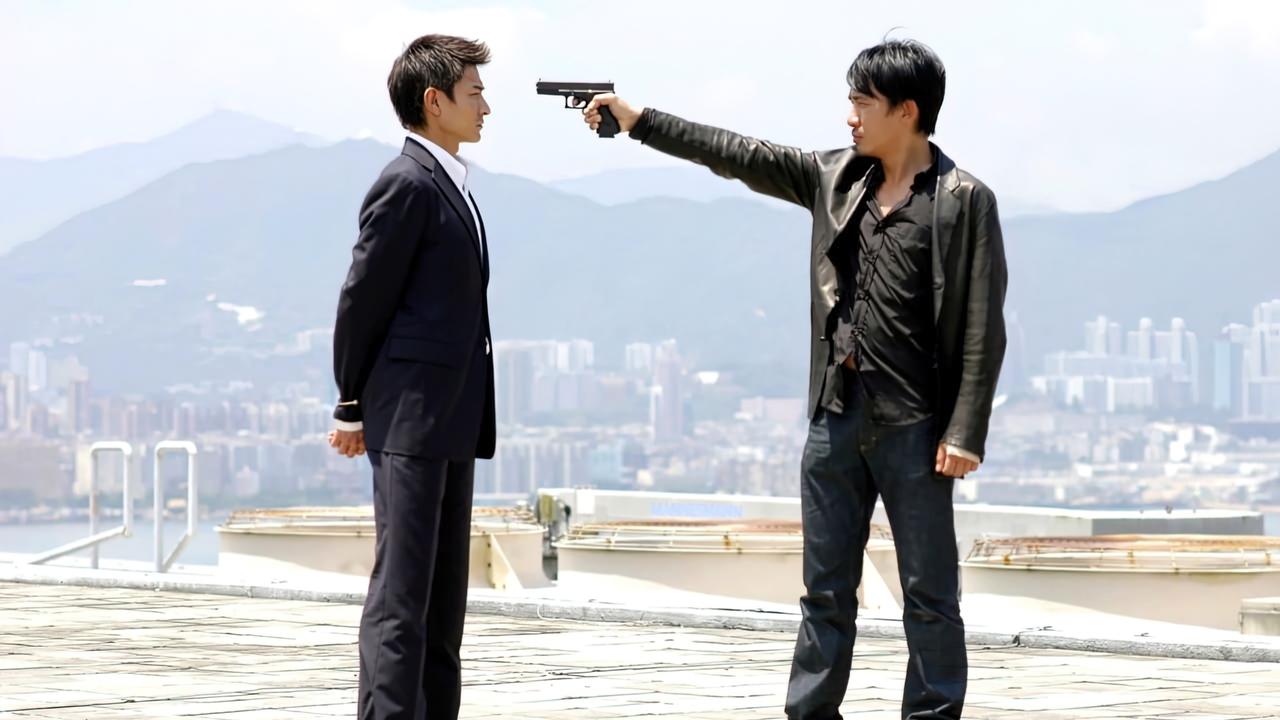
What holds up most impressively is the rooftop climax. It’s an iconic piece of staging that has been copied a thousand times, but never bettered. It’s just two men, a handgun, and the indifferent skyline of Hong Kong. There are no grand speeches about justice. There is only the crushing realization that in a world of mirrors, the truth is the first thing to break. The Departed is a loud, messy cover version compared to this surgical masterpiece, and if you’ve only seen the remake, you’re missing the soul of the story.
The legacy of Infernal Affairs isn't just that it "saved" Hong Kong cinema for a time, but that it redefined what an action thriller could be. It traded the external chaos of the 90s for an internal, existential dread that feels more relevant now than ever. As the credits roll to the haunting score by Comfort Chan, you’re left with the image of men trapped in a cycle they can’t break. It’s a dark, unflinching look at the cost of duty, and it remains one of the most perfect films of the modern era.
Keep Exploring...
-
Breakdown
1997
-
Arlington Road
1999
-
The Protector
2005
-
Tell No One
2006
-
Undisputed II: Last Man Standing
2006
-
United 93
2006
-
I'm Not Scared
2003
-
Batman: Mask of the Phantasm
1993
-

Bound by Honor
1993
-
Mesrine: Killer Instinct
2008
-
Mesrine: Public Enemy #1
2008
-
L.A. Confidential
1997
-

Mystic River
2003
-
Lucky Number Slevin
2006
-
Batman: Under the Red Hood
2010
-
Batman: Year One
2011
-
Batman: The Dark Knight Returns, Part 1
2012
-

Batman: The Dark Knight Returns, Part 2
2013
-
Running Scared
2006
-
In the Line of Fire
1993